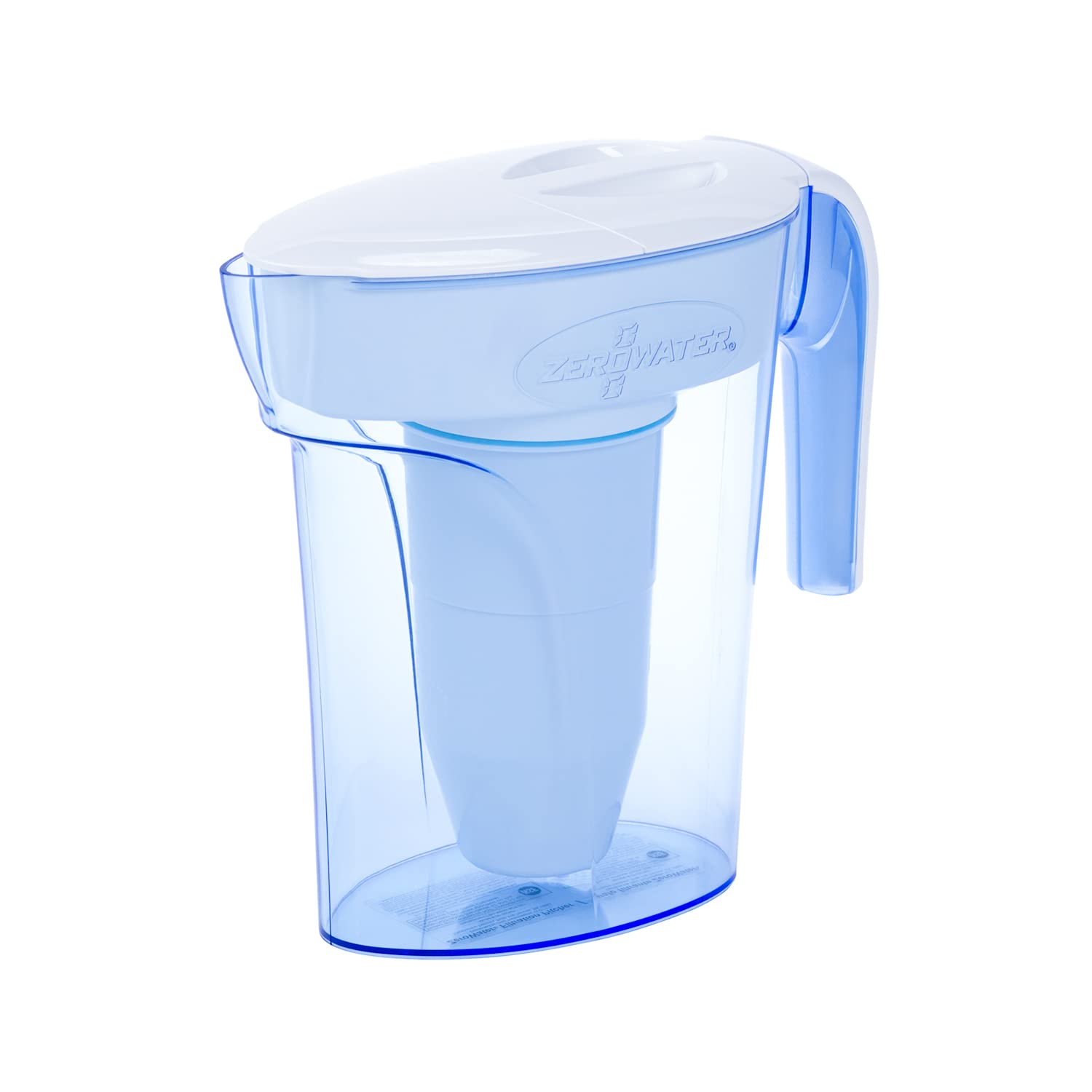
ZeroWater 7-Cup 5-Stage Water Filter Pitcher IAPMO Cert.
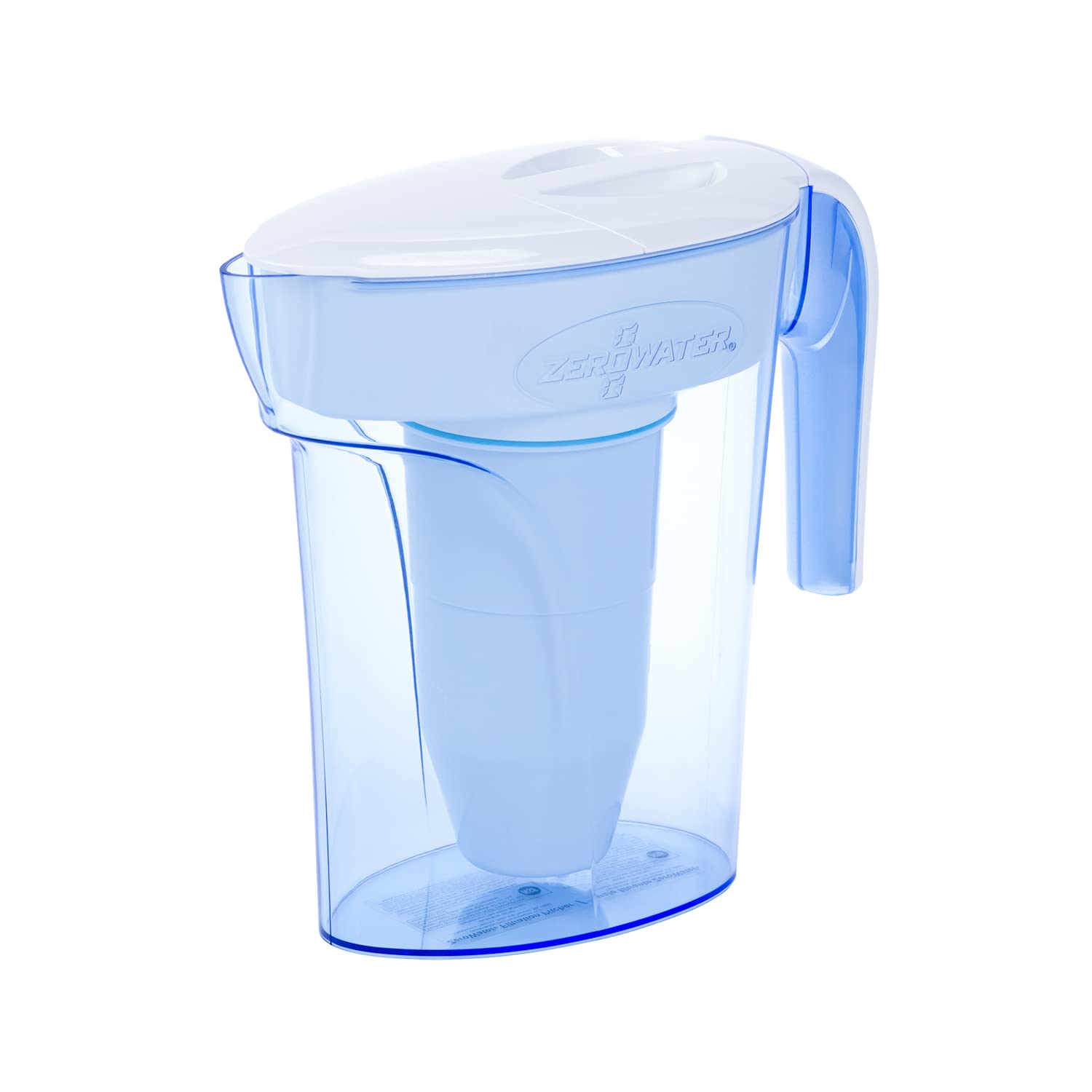
The ZeroWater 7‑cup 5‑stage pitcher offers compact, countertop filtration that targets total dissolved solids and several contaminants. It’s IAPMO certified to reduce lead, chromium, and PFOA/PFOS, making it a convenient choice for small households or renters who want better‑tasting tap water without installation.
Overview
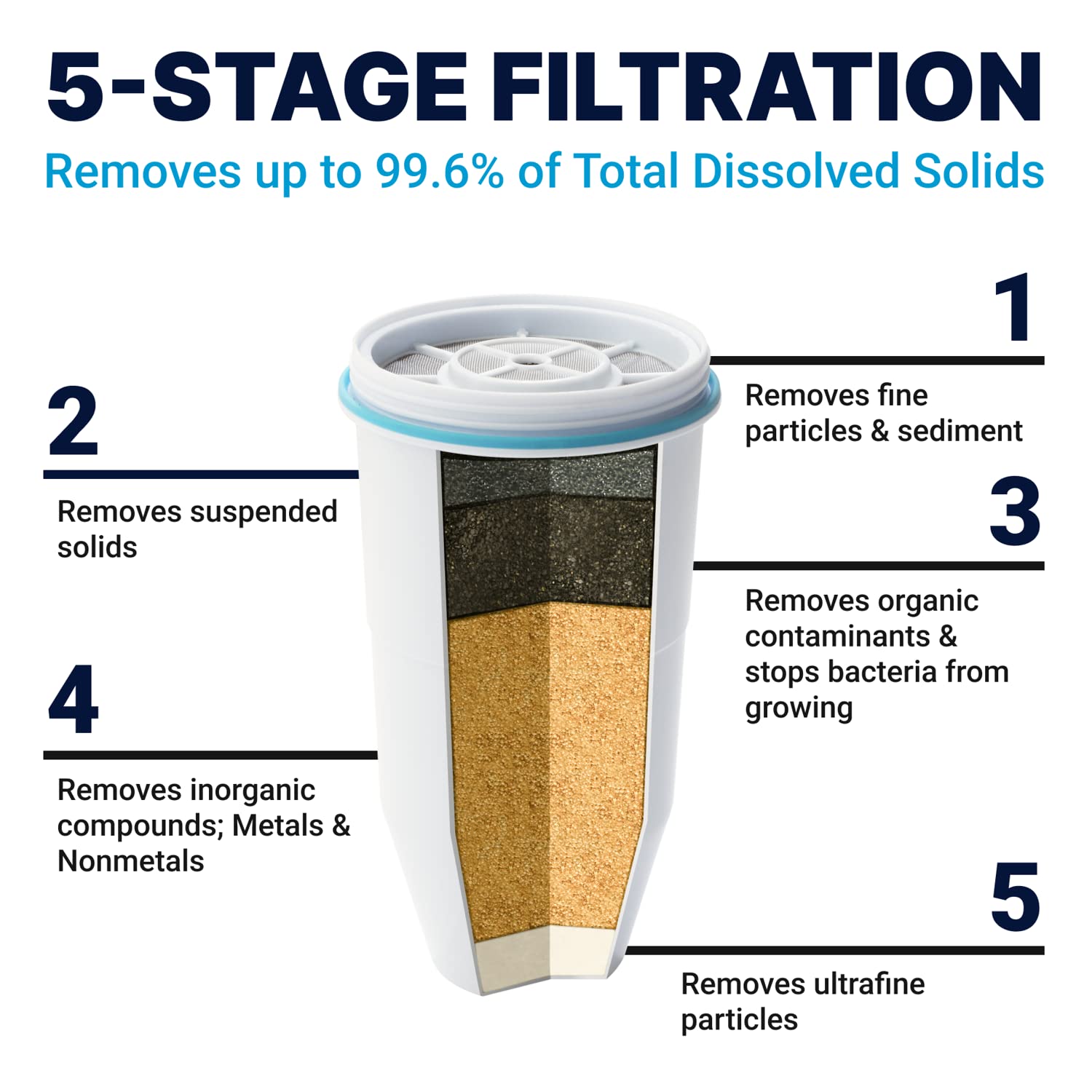
This is a countertop pitcher‑style filtration system that uses a multi‑stage cartridge to reduce dissolved solids and several common contaminants, with the goal of improving tap water taste and odor. It’s designed to be a simple, pour‑and‑store solution rather than a permanent plumbing installation.
The product is aimed at people who want better drinking water without the complexity of under‑sink or whole‑house systems — renters, small households, and anyone concerned about specific contaminants. It carries certification claims to reduce lead, chromium, and PFOA/PFOS.
What it solves is straightforward: it makes tap water more pleasant and reduces exposure to some pollutants, while keeping installation and daily use easy. Capacity, filter life, and indicator features vary by model/version, so ongoing cartridge replacement and how often the pitcher needs refilling are important practical considerations.
Key Features
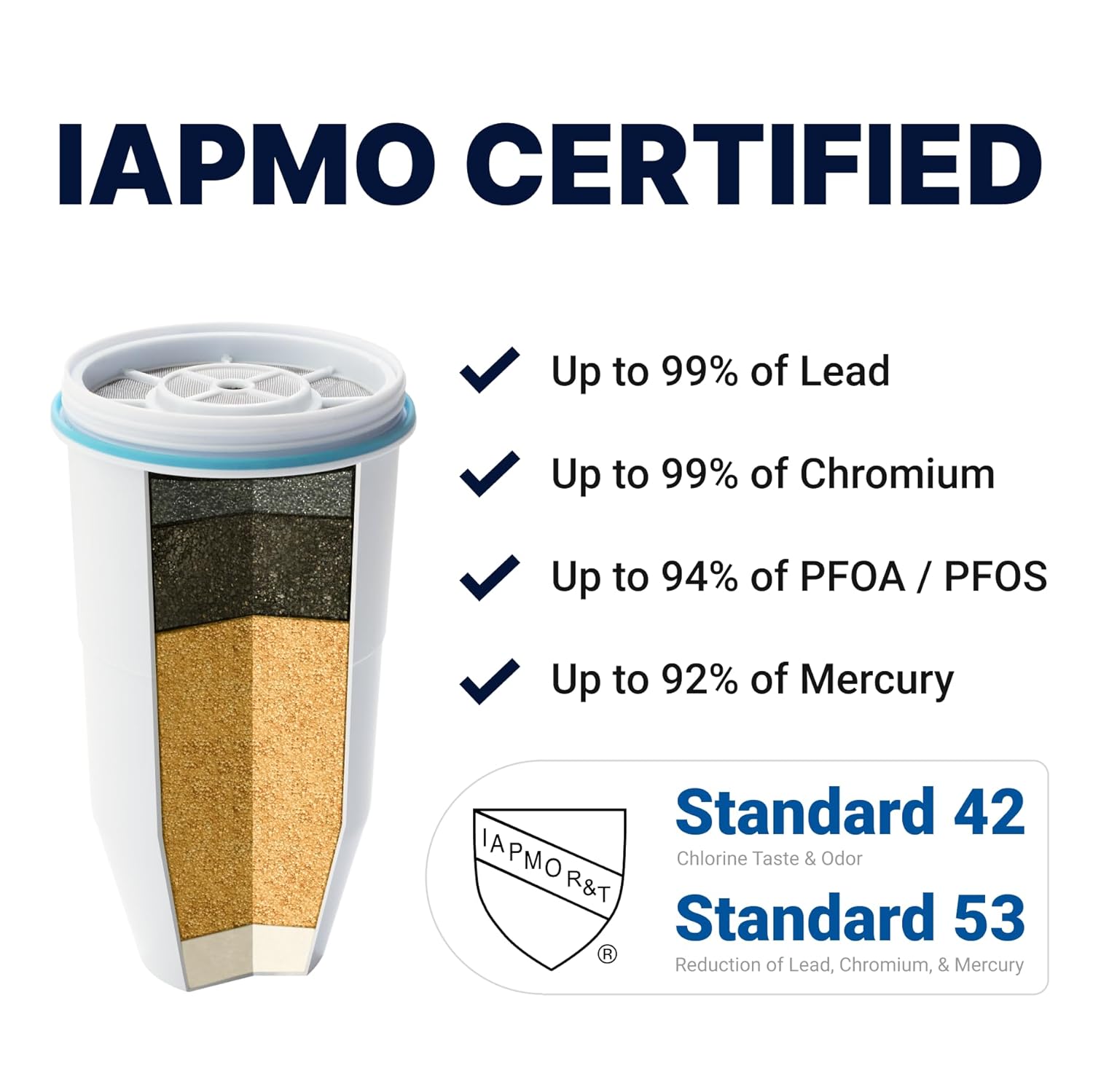
The unit relies on a multi‑stage filtration approach to tackle both taste and certain contaminants, and it carries IAPMO certification for reduction of specific substances such as lead, chromium, and PFOA/PFOS. That independent certification is useful for shoppers who want verification beyond marketing claims.
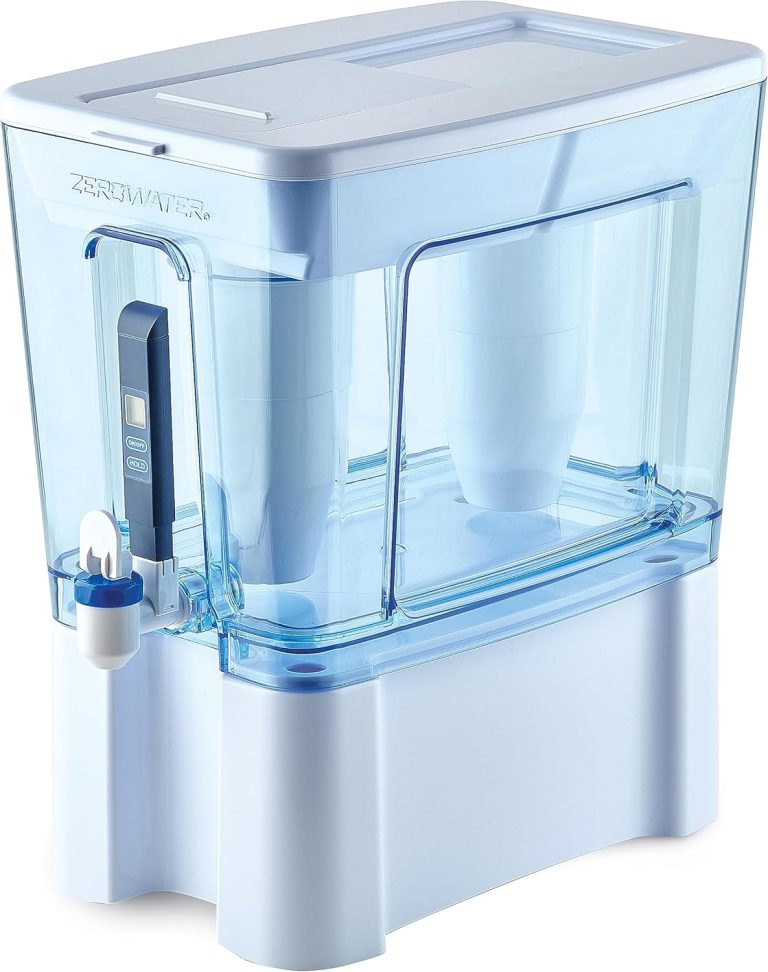
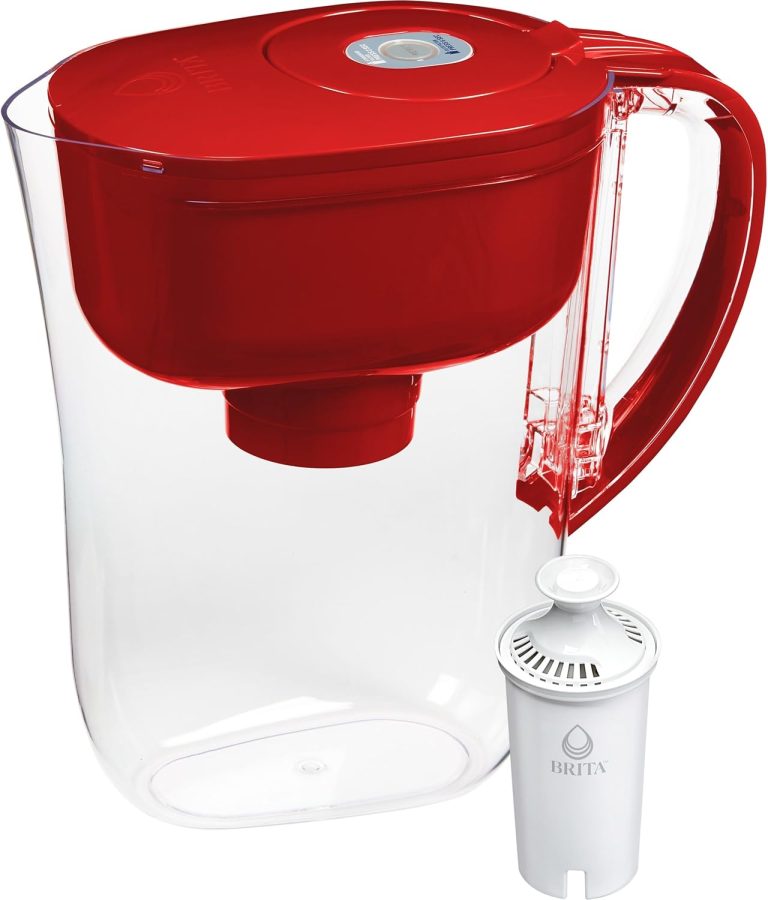
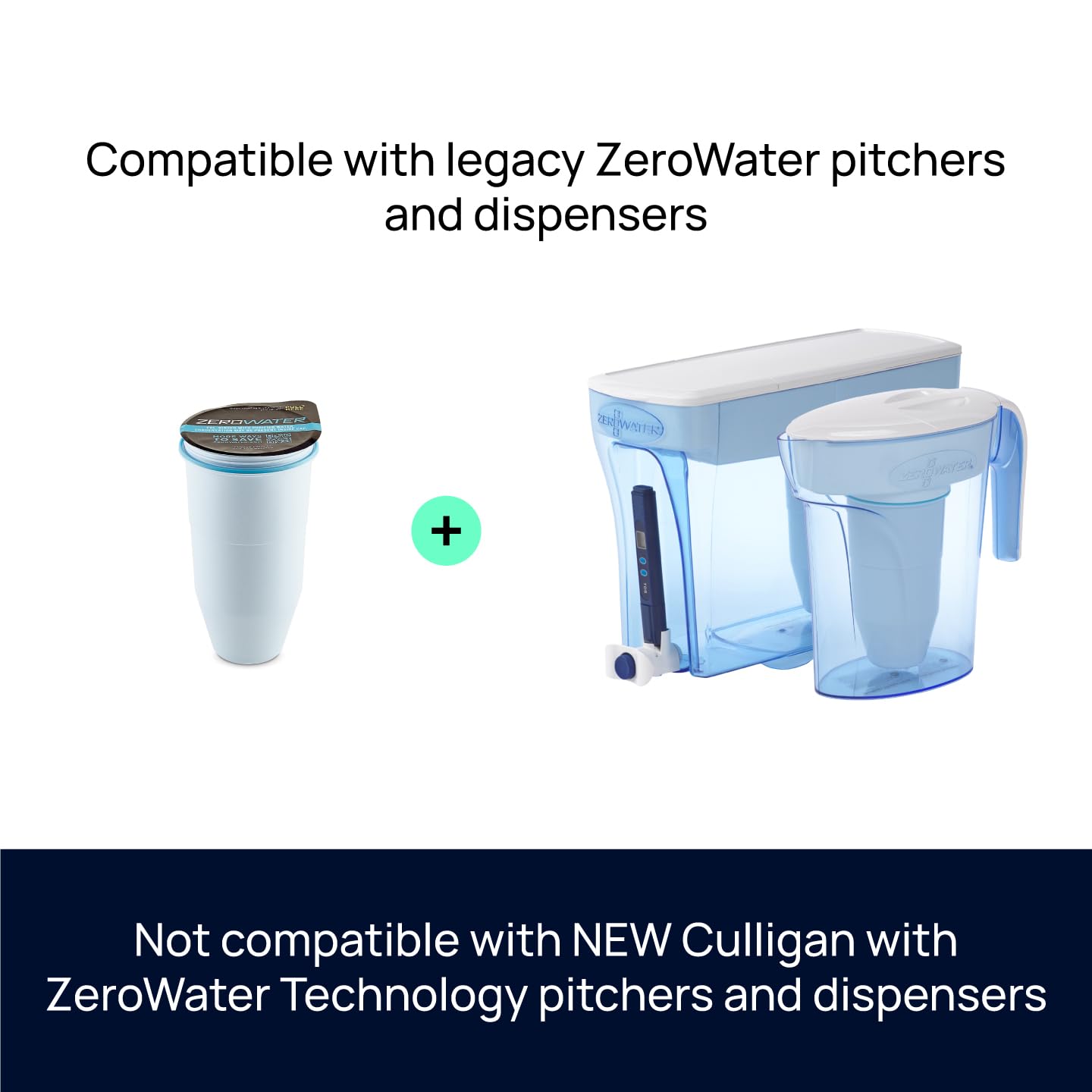
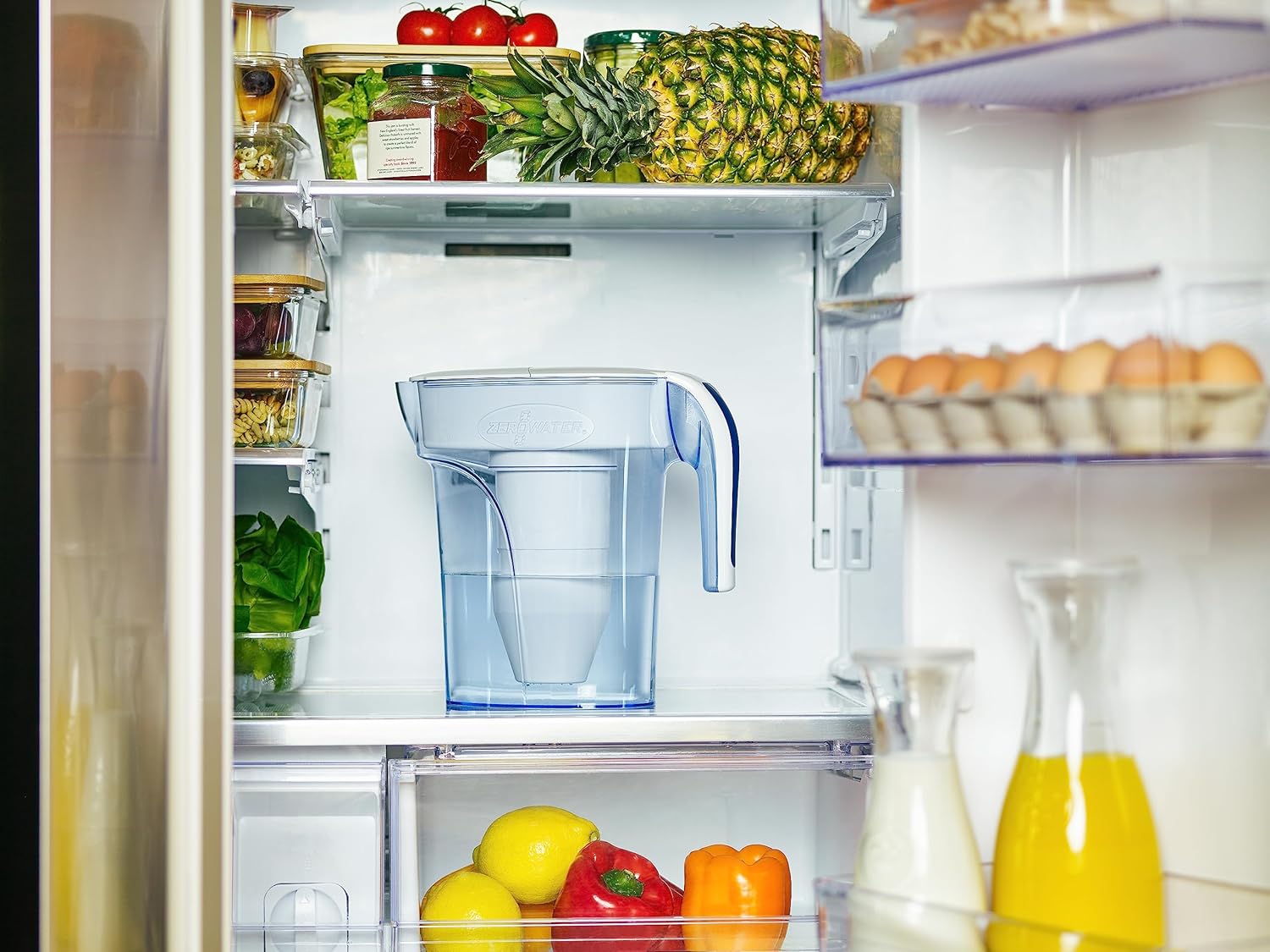
Design‑wise it’s built for everyday countertop use: a refillable reservoir, a user‑friendly pouring profile, and a compact footprint that fits in most refrigerators. Exact shape, lid style, and whether a digital TDS meter or an indicator is included can vary by model/version, so check the package details if those features matter to you.
Ongoing upkeep is straightforward but depends on your water quality and consumption. Filter cartridges need periodic replacement, and performance will decline if cartridges aren’t changed when recommended. Replacement frequency and availability of spare cartridges vary by region and model/version.
Real-World Performance
In everyday use this pitcher noticeably improves taste and reduces visible particulates, so water and brewed drinks often taste cleaner right away. Most users report fewer off‑flavors and a smoother mouthfeel compared with straight tap water.
Filtering speed is adequate for routine use but not instantaneous; expect slower fill‑through as the cartridge approaches the end of its useful life. How long a cartridge lasts depends on your incoming water chemistry and usage patterns, so replacement frequency varies by model/version and local water quality.
The system performs well for common aesthetic and certain chemical concerns and carries certifications that reflect its tested reductions. It isn’t a cure‑all for every contaminant or for homes with highly contaminated supply; if you have specific health risks or high pollutant levels, get your water tested and consider a point‑of‑entry solution.
Ease of Use and Maintenance
Out of the box setup is straightforward: the pitcher and reservoir require minimal assembly and the filter cartridge simply seats into the housing. New cartridges generally need an initial rinse or flush as directed by the manufacturer.
Routine cleaning is simple and low‑effort. Detach removable parts and wash them with mild soap and warm water, then let them air dry; avoid taking the filter cartridge apart or putting it through harsh cleaning methods.
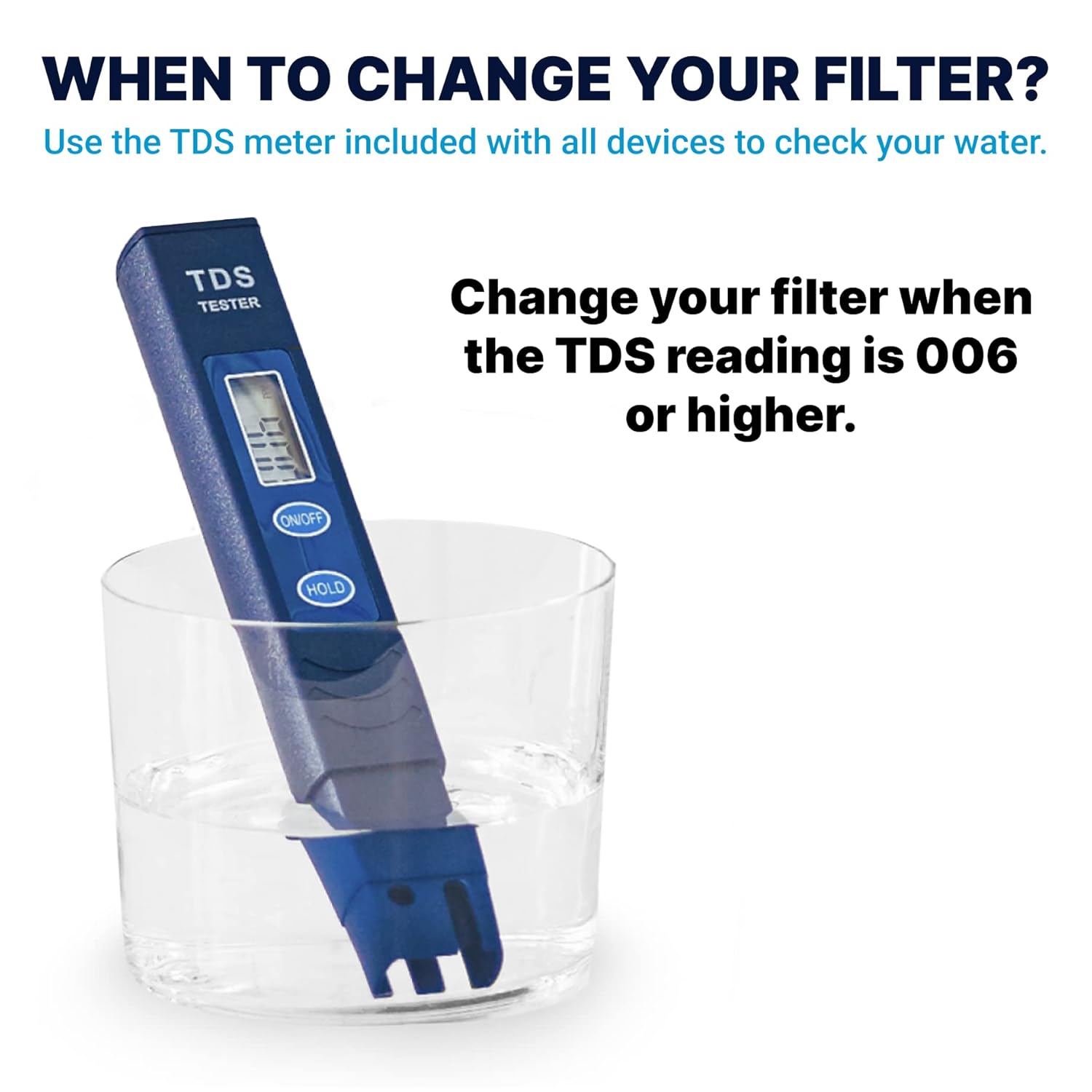
Replacing the filter is a basic maintenance task, but how often depends on your water quality and use. Look for slower flow, noticeable taste changes, or the manufacturer’s suggested replacement cues as signs it’s time for a new cartridge.
For ongoing upkeep, keep the pitcher assembled and stored upright in a cool place, and follow the manufacturer’s storage advice when you aren’t using it. A simple tracking method—writing the install date on a sticker or note—makes it easy to monitor when replacements are needed.
Pros and Trade-Offs
The pitcher delivers noticeably better‑tasting water for many users and is supported by third‑party certification for reducing specific contaminants such as lead, chromium, and PFOA/PFOS. For households concerned about dissolved solids and common tap impurities, it can be an effective countertop option.
On the trade‑off side, ongoing costs and how often you need replacement filters depend on your incoming water quality and usage, so maintenance can add up. Filling and filtering take longer than plain tap flow, and the pitcher itself occupies counter or fridge space and becomes heavier when full.
In short, this is a solid choice if you prioritize taste and contaminant reduction and are comfortable with periodic filter changes. If you want a no‑maintenance or instant‑flow solution, consider whether the routine of monitoring and replacing filters fits your household habits.
Who This Product Is For
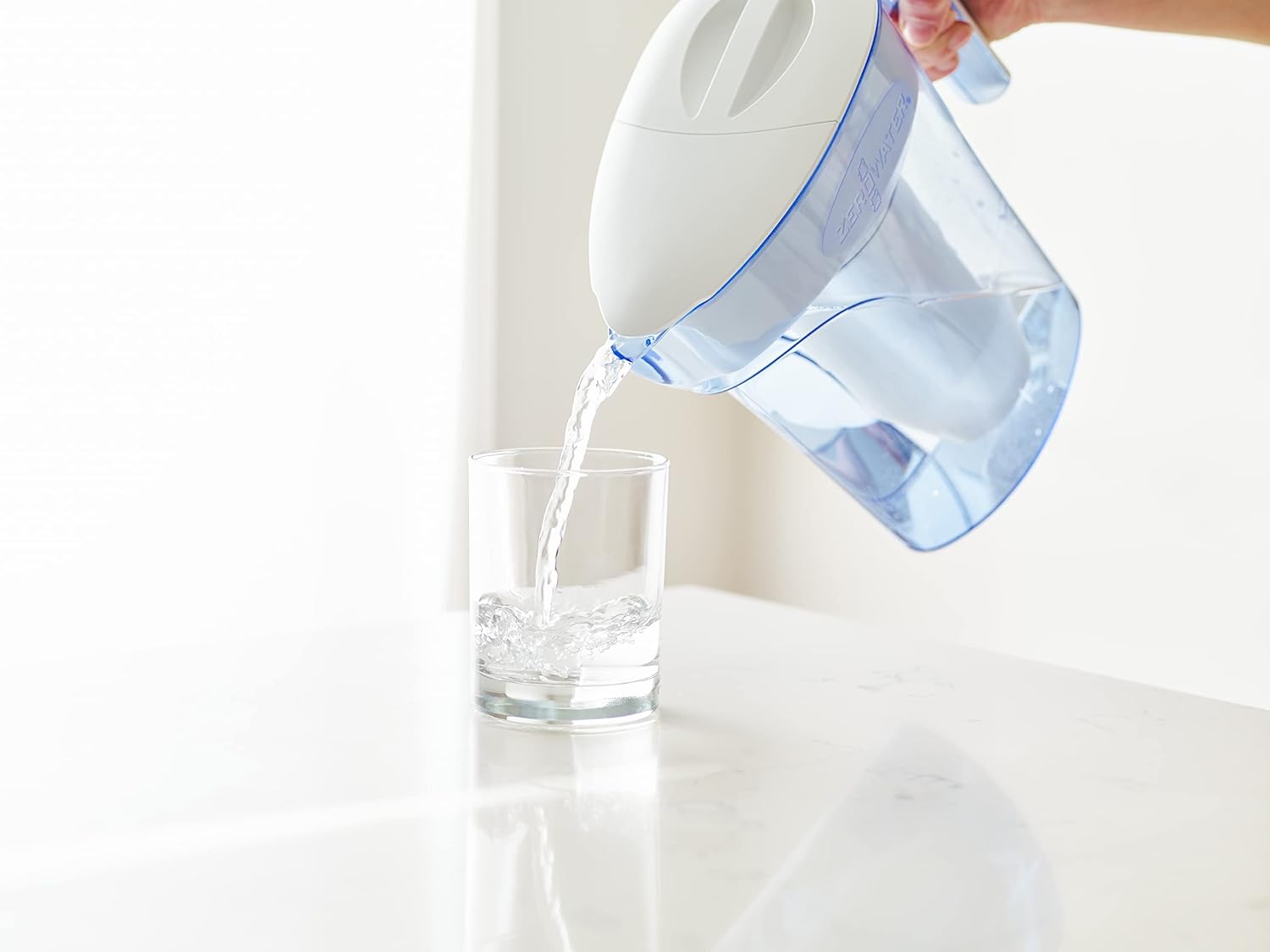
This pitcher is a good fit for people who want noticeably better‑tasting tap water without installing under‑sink equipment. It works well for renters, apartment dwellers, and anyone who prefers a simple countertop solution they can move or store easily.
It also suits households that care about removing specific contaminants and value third‑party certification. Buyers who regularly test their water or who have specific concerns about heavy metals or persistent chemicals will appreciate a filtration choice that is designed to address those issues.
Skip this if you need whole‑house treatment, high daily flow for many people, or solutions for biological contamination from private wells. This style is not a substitute for a dedicated system that treats water at the point of entry, nor does it replace water‑softening equipment.
As an Amazon Associate, I earn commission on qualified purchases.