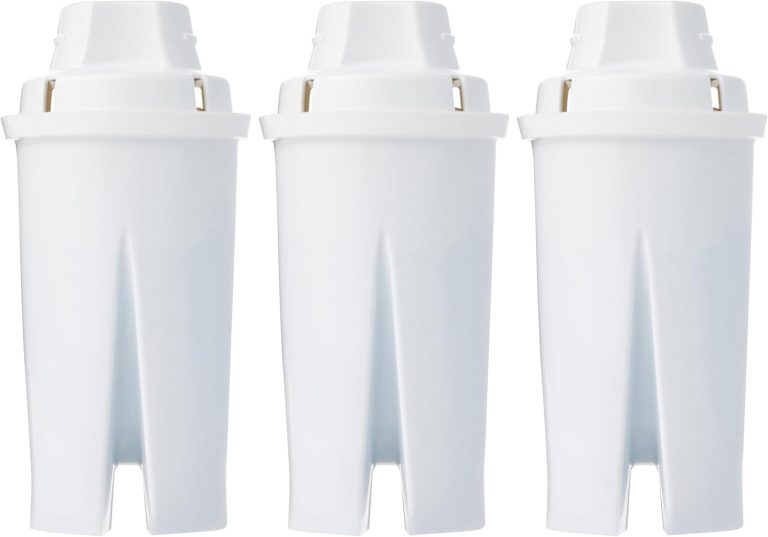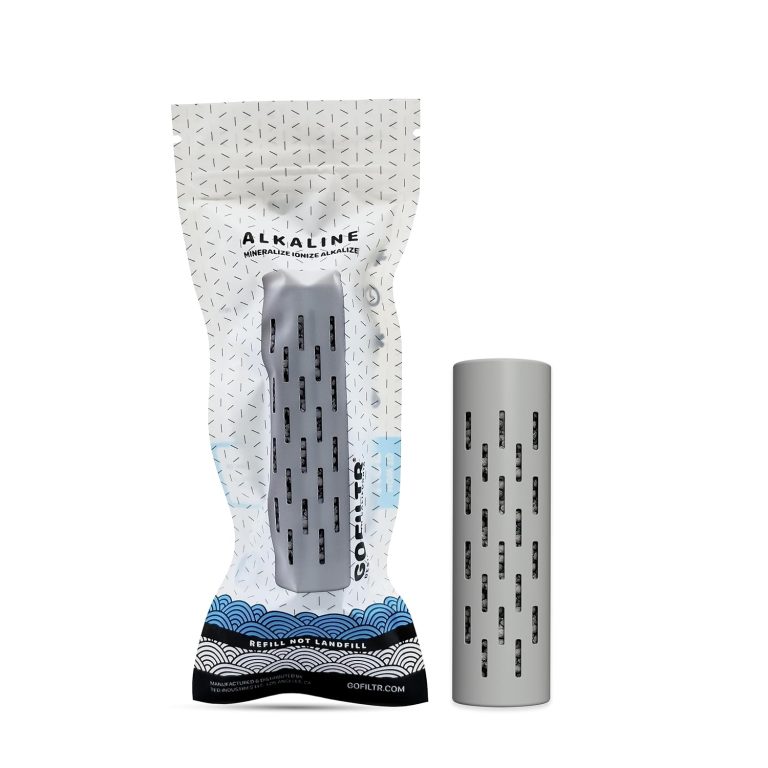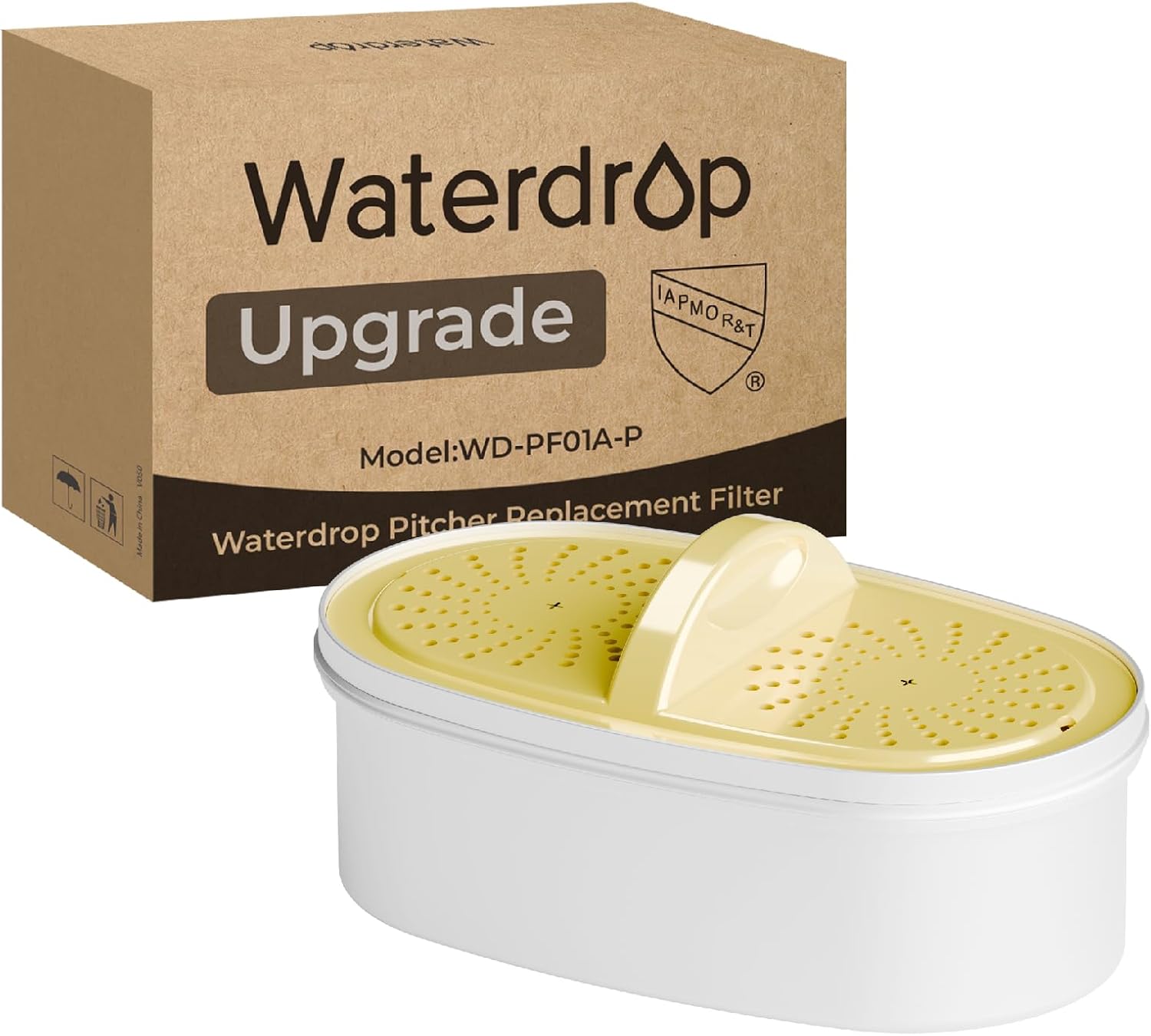
Waterdrop Replacement Filters NSF 53/42/372 Certified
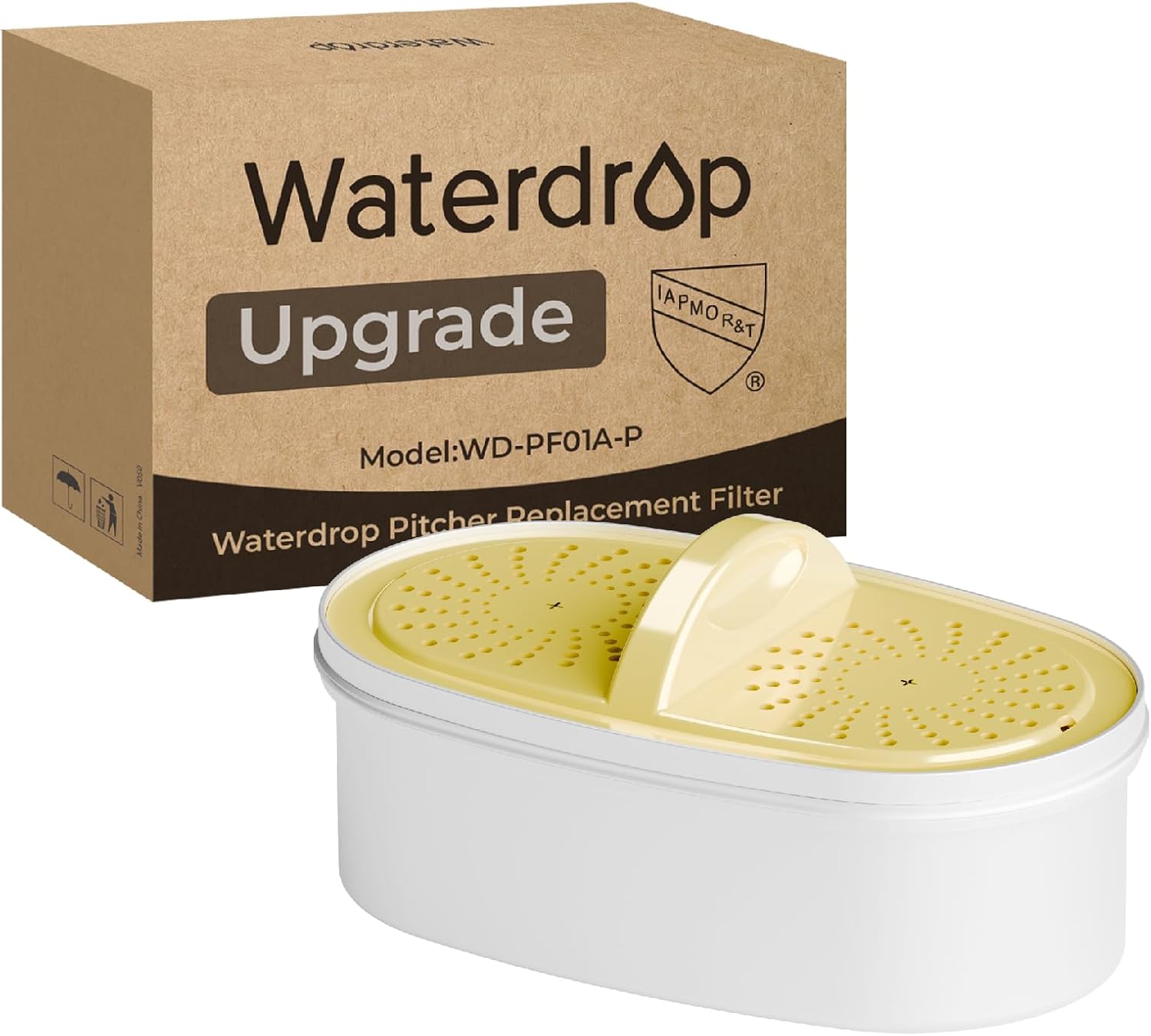
The Waterdrop replacement filter is a single-cartridge, drop-in option for compatible pitchers and dispensers with NSF 53/42/372 certifications. It’s designed to reduce chlorine taste and odor plus contaminants such as lead, PFAS/PFOA/PFOS, cadmium, copper and mercury while offering simple installation and routine maintenance for everyday household use.
Overview
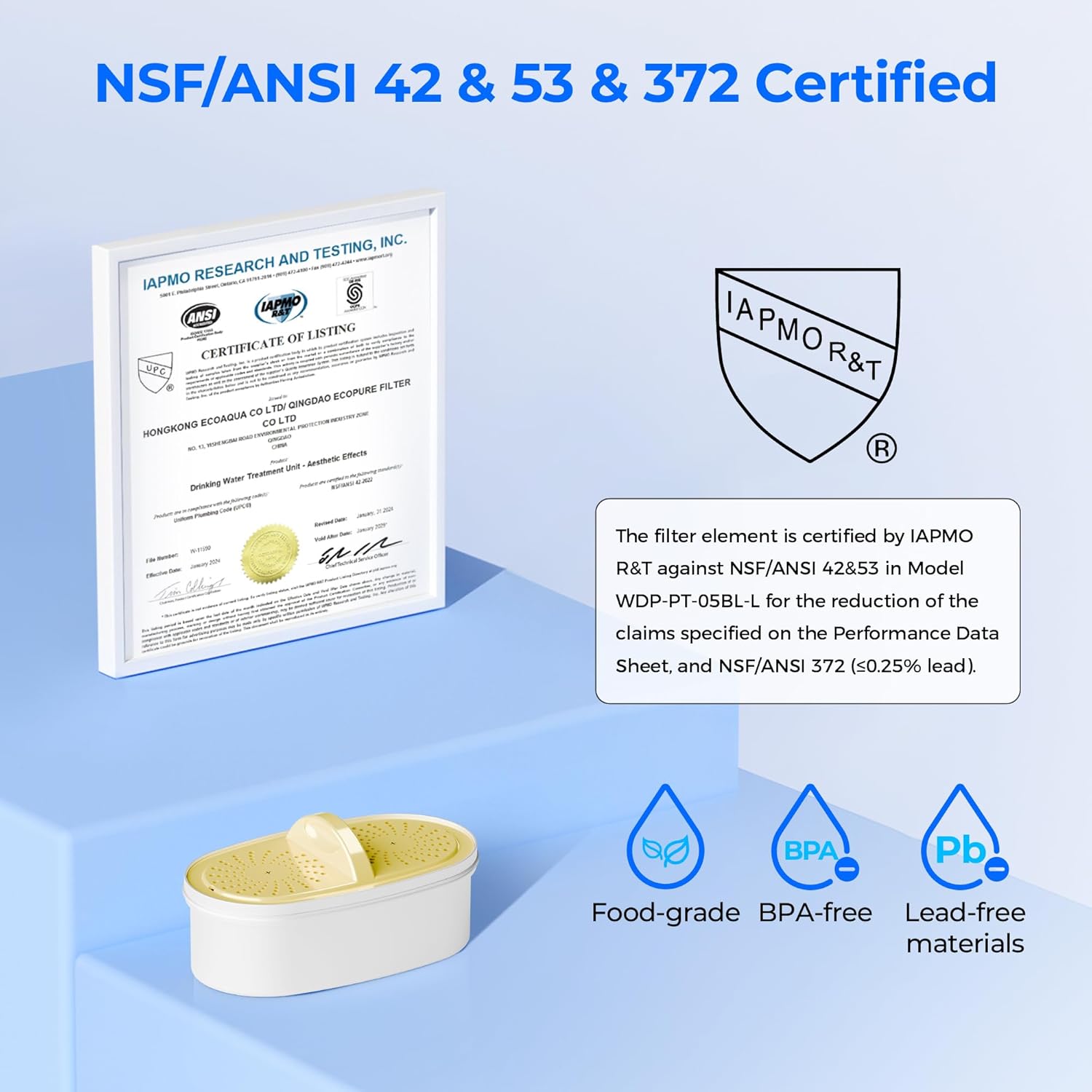
A single replacement cartridge designed for compatible water pitchers and dispensers, this unit is intended to refresh tap water by removing substances that affect taste, odor, and certain contaminants. It functions as an easy swap-in component for systems that use this style of cartridge, making it a straightforward maintenance item for everyday use.
The cartridge is built to address a range of common municipal water concerns, including reducing chlorine taste and odor as well as various metals and newer contaminants that consumers often worry about. It carries recognized third-party certifications intended to validate its contaminant-reduction claims, though exact performance depends on the local water profile and usage.
This option is aimed at households, renters, or anyone who prefers an affordable, low-effort way to improve drinking water quality from a pitcher or dispenser. Compatibility, expected lifespan, and specific removal rates vary by model/version and by the contaminants present in your source water.
Key Features
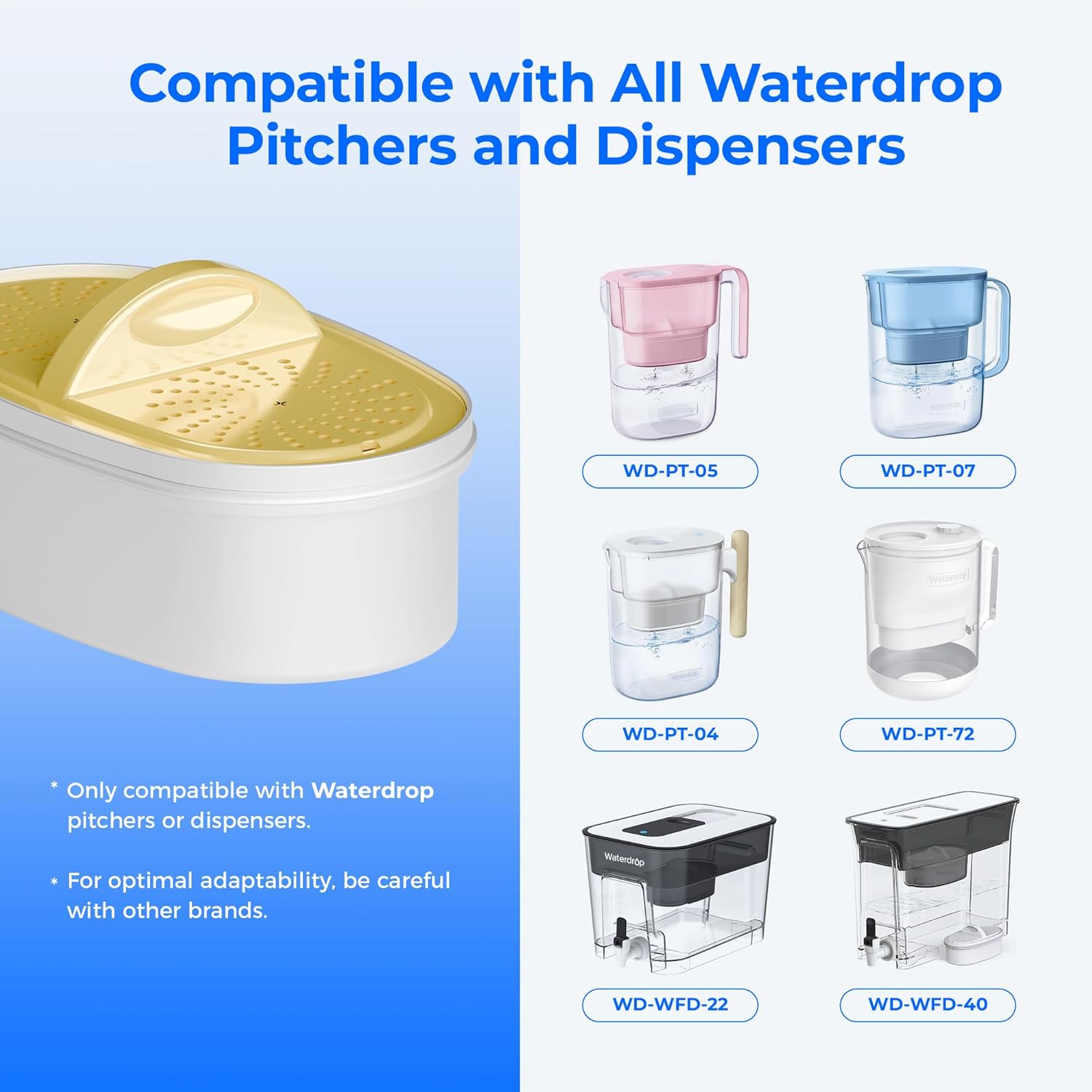
The cartridge is built as a direct replacement for compatible pitcher and dispenser systems, with a compact, drop-in form factor that simplifies swaps. Fit and installation can vary by model/version, so confirm compatibility with your specific unit before purchasing.
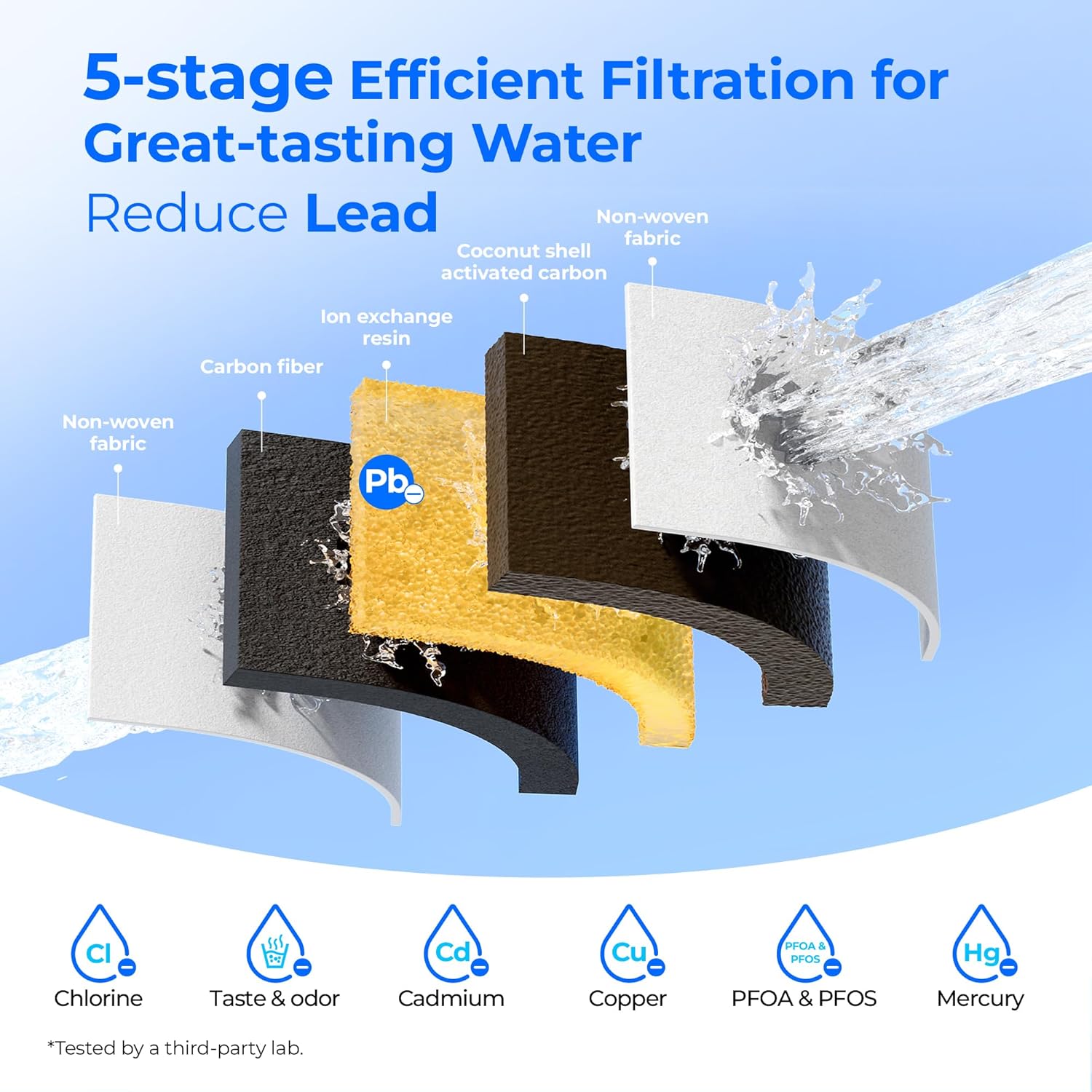
Filtration relies on layered media intended to target common taste-and-odor contributors and several contaminants of concern, helping improve water flavor while addressing certain heavy metals and synthetic compounds. The design balances contaminant reduction with throughput so you still get usable pour speed for everyday use.
Independent third-party certification covers both contaminant reduction and material safety, which matters if you want documented performance rather than just marketing claims. Replacement frequency and actual performance depend on water quality and household use, so expect results to vary and follow the manufacturer’s guidance for upkeep.
Real-World Performance
In everyday use these replacement cartridges produce a noticeable improvement in taste and a reduction in chlorine odor compared with untreated tap water. The filtration is effective for common chemical and metal contaminants covered by the manufacturer’s certifications, but actual performance depends on incoming water quality and household usage patterns.
Flow rates are generally similar to stock filters, though throughput can slow as the filter accumulates sediment. Filter longevity and contaminant removal will vary by model/version and by factors like water hardness and particulate load. This type of cartridge is not designed to address microbiological contamination or replace whole-home treatment systems.
Installation is straightforward and they function as direct replacements in compatible pitchers and dispensers, delivering consistent results for drinking and cooking. For homes with unusual or high-level contamination concerns, getting a water test or combining treatments is the safest approach.
Ease of Use and Maintenance
Out-of-the-box setup is generally simple: follow the included guide to seat the cartridge and perform the initial flush before first use. The filter is intended for compatible pitchers and dispensers, but the exact installation steps and orientation can vary by model/version, so double-check the instructions that come with your unit.
Replacing cartridges is designed to be quick and straightforward on most systems, often without tools, though the removal method depends on the specific unit. Replace the cartridge when you detect reduced flow or a change in taste or odor, or according to the schedule in the documentation; replacement frequency varies by model/version and by water usage and quality.
Everyday upkeep is low: rinse and wipe the pitcher or dispenser regularly, remove the cartridge when cleaning the reservoir, and avoid abrasive cleaners that could damage seals. Store spare cartridges in a cool, dry place and follow the manufacturer’s guidance for disposal or recycling. Routine attention keeps performance consistent and helps avoid surprises.
Pros and Trade-Offs
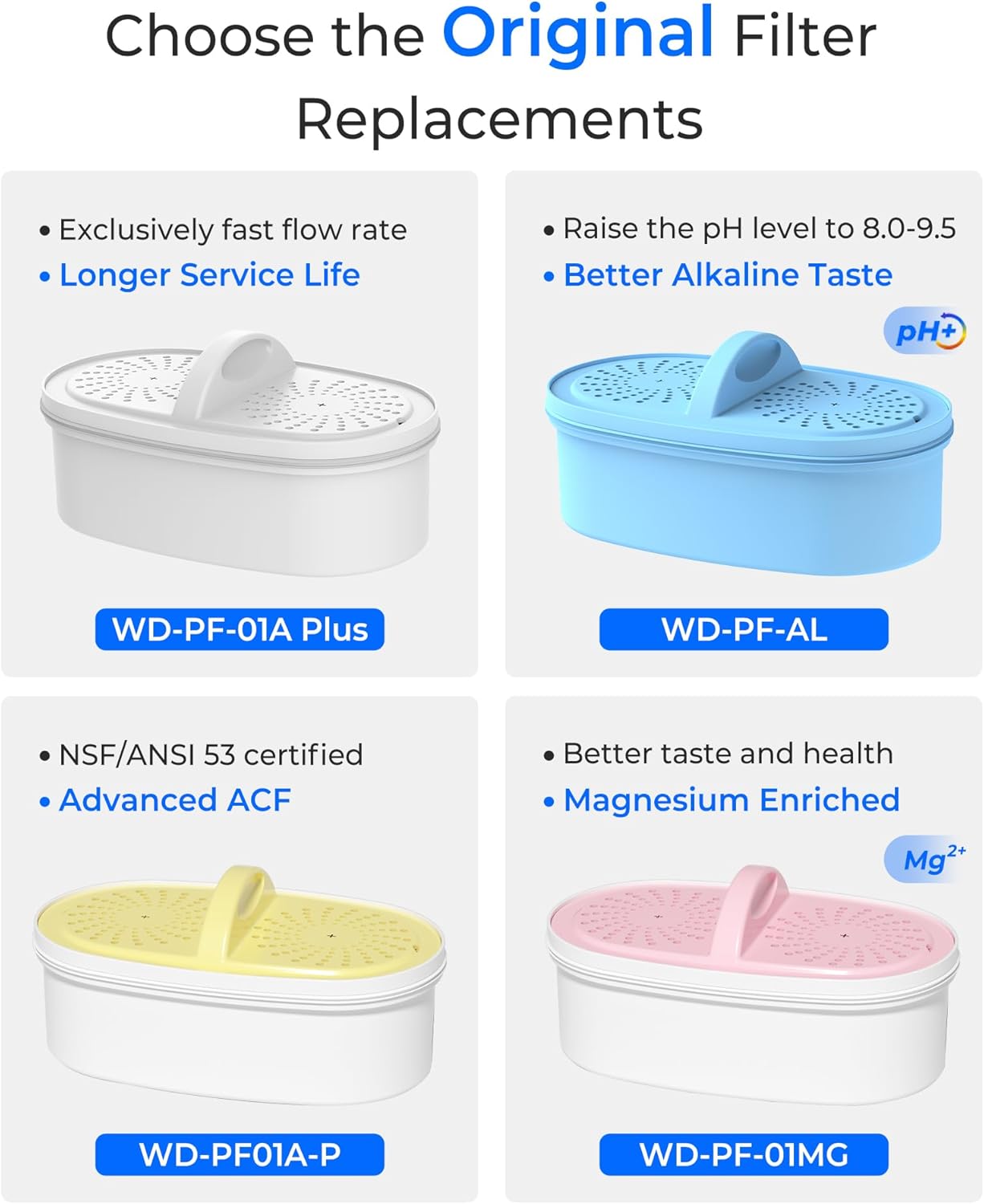
These replacement cartridges offer clear benefits for households focused on contaminant reduction: they carry recognized NSF certifications and target a range of common pollutants including lead, PFAS/PFOA/PFOS, chlorine, cadmium, copper and mercury, which can improve taste and reduce exposure to those substances. Certified performance provides reassurance compared with untested alternatives.
Installation and everyday use tend to be straightforward when paired with the manufacturer’s pitchers and dispensers, and swapping a single cartridge is an uncomplicated maintenance task. Filter life and real-world performance vary by usage and local water quality, so replacement frequency will depend on how much water you run through them.
On the trade-off side, buying single cartridges can be less economical over time than purchasing multi-packs, and these cartridges do not eliminate every possible water issue—some dissolved minerals or specialized contaminants may require different treatment. Confirm compatibility with your specific pitcher or dispenser model and consider household consumption patterns before committing.
Who This Product Is For
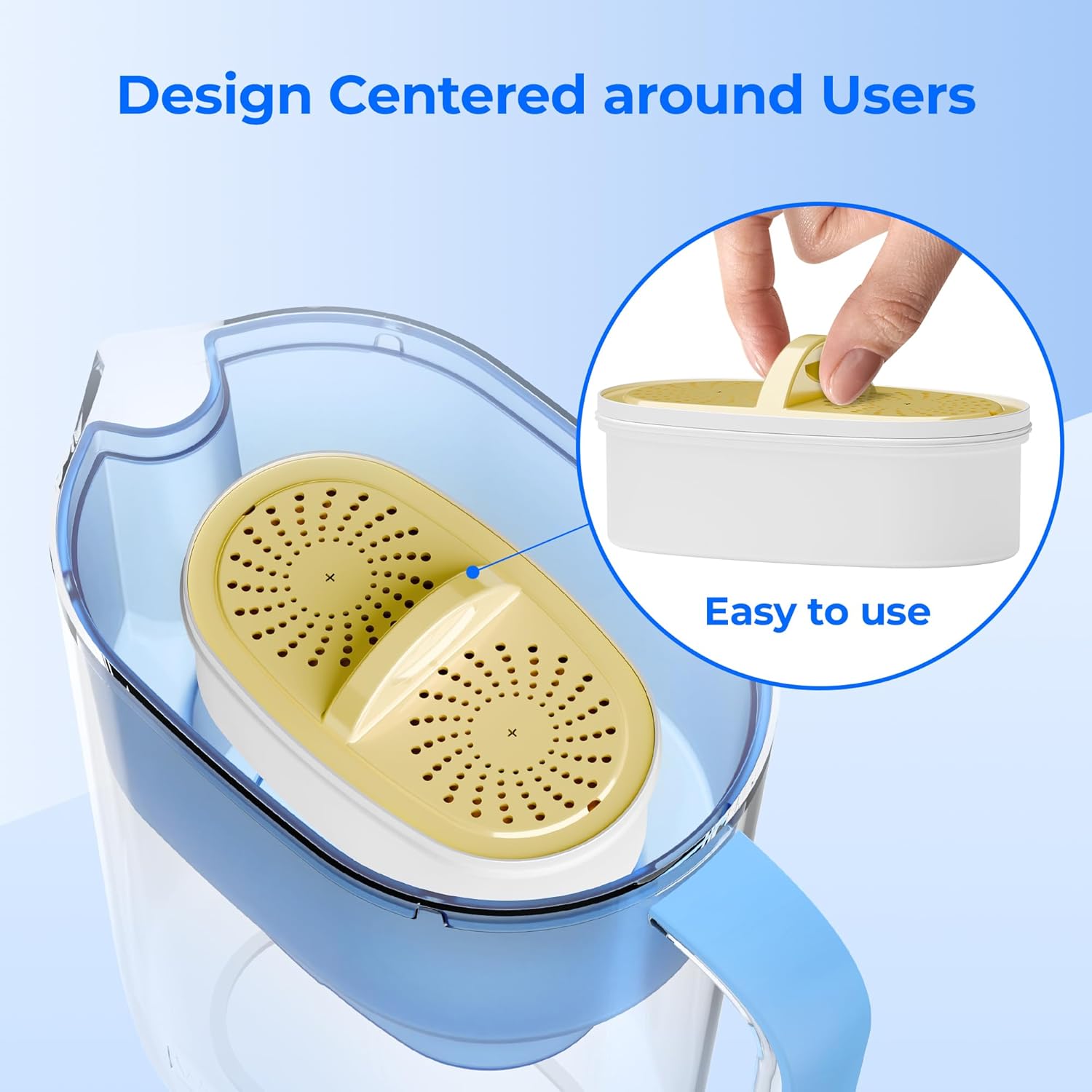
This is a good choice for people who want a straightforward, pitcher- or dispenser-based improvement in tap water quality without installing plumbing. If you prioritize better-tasting water and prefer a drop-in filter that works with the manufacturer’s pitchers and dispensers, this type of replacement is designed for that use case.
It also fits renters, small households, and anyone who values simple, tool-free swaps rather than under-sink or whole-house solutions. Compatibility and certified performance can vary by model/version, so check the packaging or product details for the exact claims and fit for your pitcher or dispenser.
Skip this option if your water comes from an untreated private well or if lab tests show unusual contaminants that need specialized treatment. Likewise, if you want a one-time bulk value solution or a system that treats the entire home, an under-sink or whole-house approach may be more appropriate.
As an Amazon Associate, I earn commission on qualified purchases.