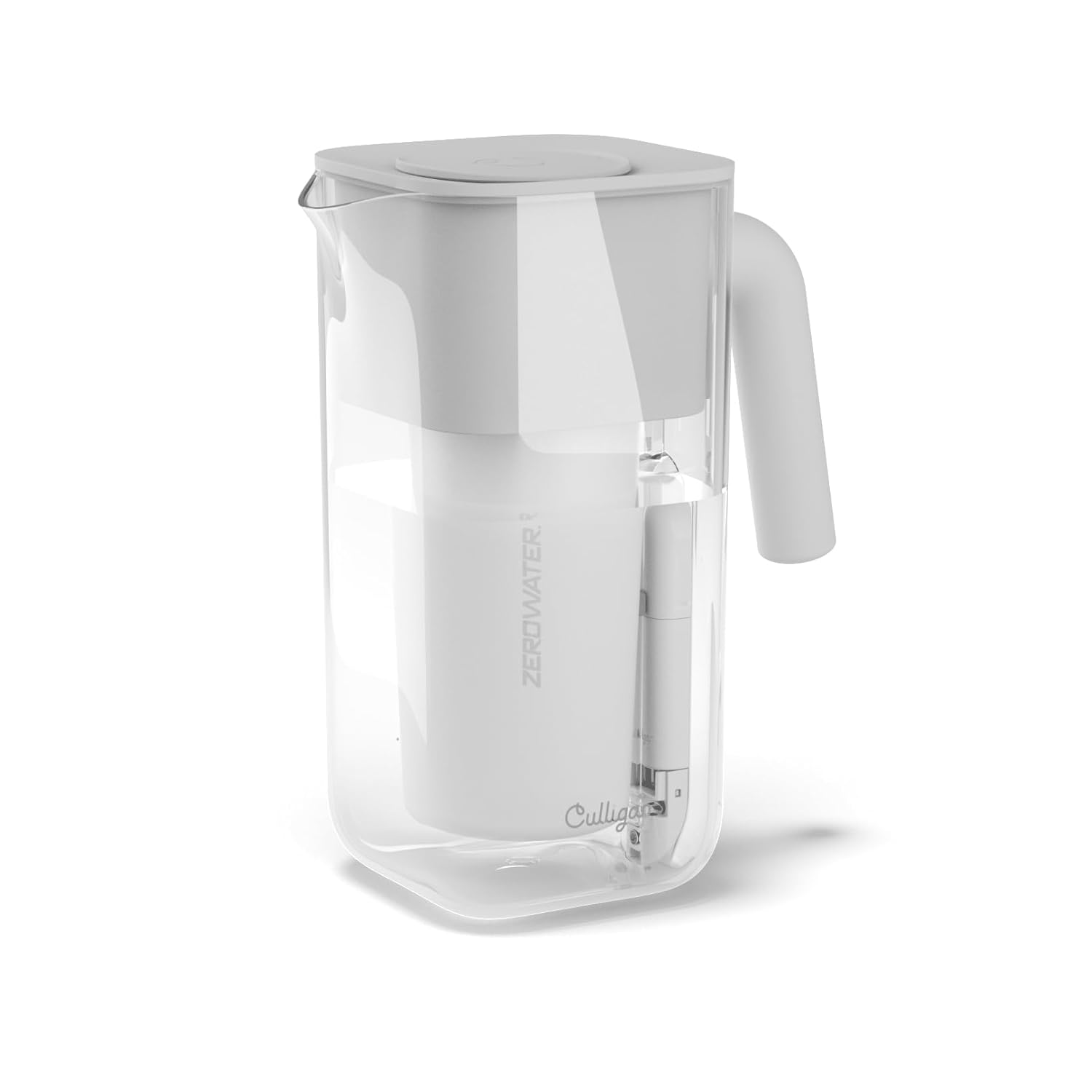
Culligan 7-Cup Water Filter Pitcher – PFAS Lead Safe
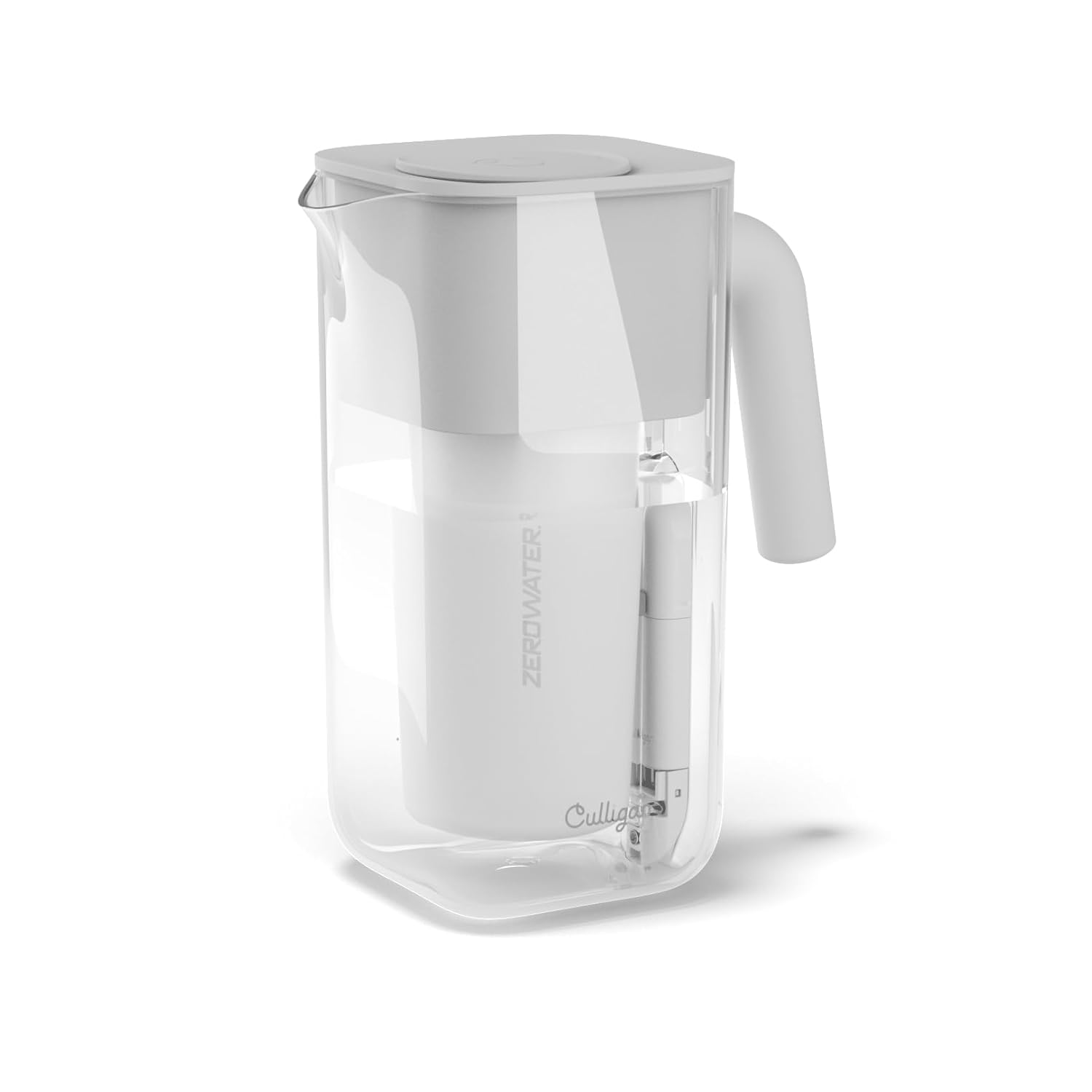
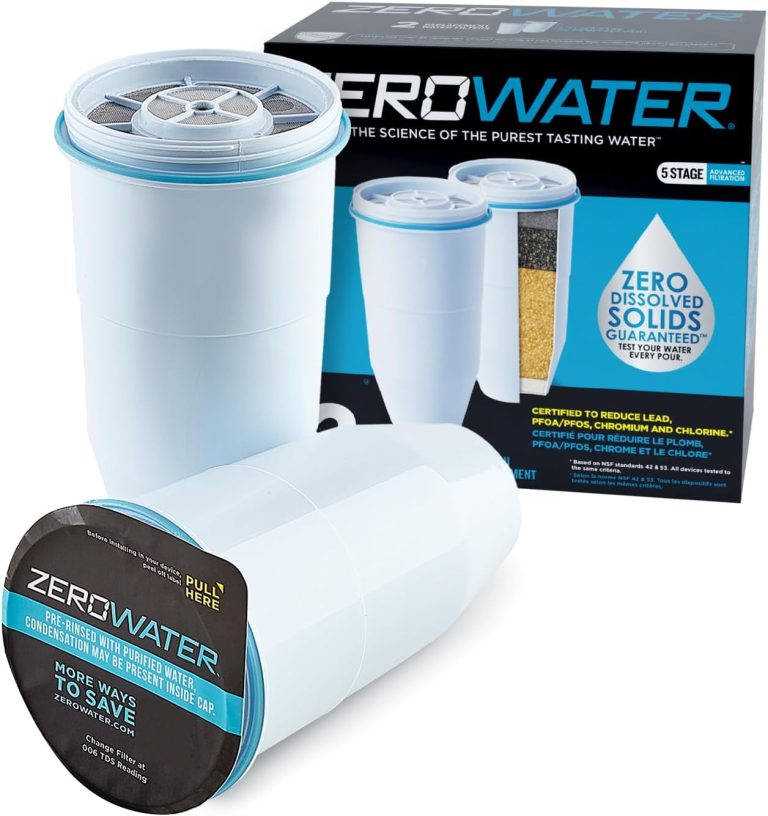
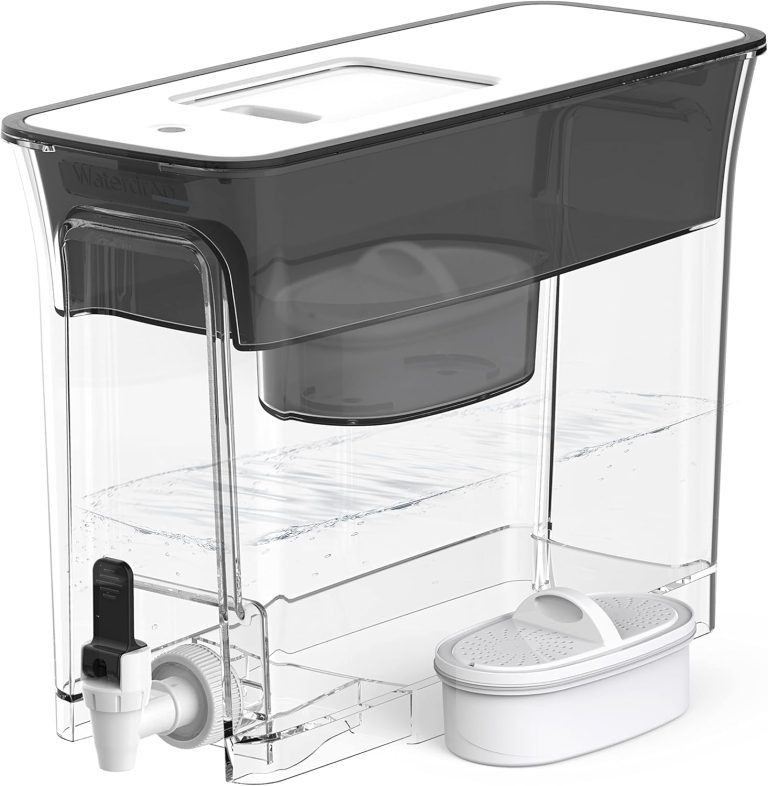
The Culligan 7-Cup Water Filter Pitcher with ZeroWater Technology combines a 5-stage cartridge and a built-in TDS meter to reduce lead, PFAS, fluoride, mercury and chlorine. It’s a simple countertop solution for renters or small households who want verified contaminant reduction without plumbing changes, though ongoing filter replacements are required to maintain performance.
Overview
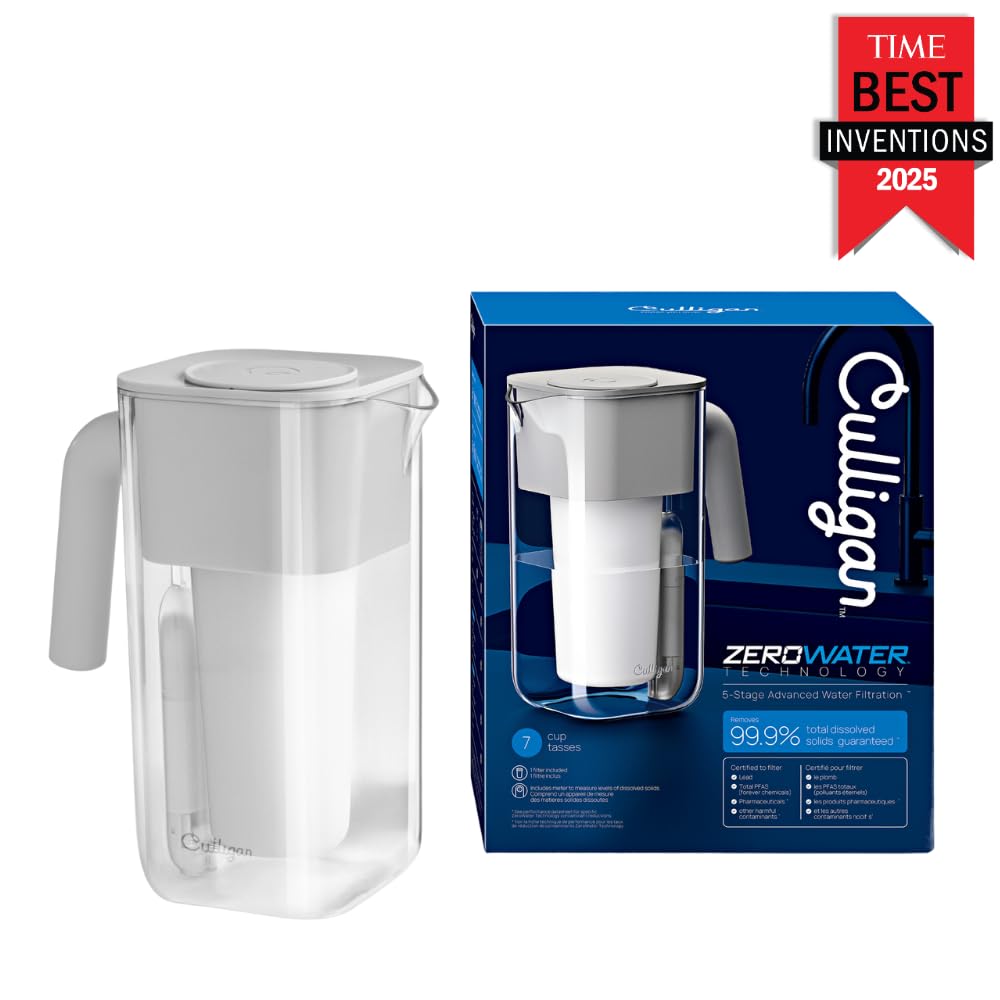
This countertop pitcher uses a multi-stage cartridge with ion-exchange and adsorption media to lower common tap-water contaminants and improve taste. It’s configured as a non-plumbed, fill-and-pour solution intended for drinking and cooking use rather than whole-house treatment.
The unit carries third-party certification from IAPMO for reduction of lead, total PFAS, mercury, fluoride and chlorine, which is useful for buyers focused on verified results. Its portable design makes it a good fit for renters, small households, or anyone who wants filtration without modifying plumbing.
What it solves is straightforward: an easy way to reduce target contaminants and off-flavors from municipal or well water while keeping installation and maintenance minimal. Be sure to factor replacement filters into ownership costs and schedule, since ongoing cartridges determine long-term effectiveness; consider options like the available replacement filter 3-pack for spares.
Key Features
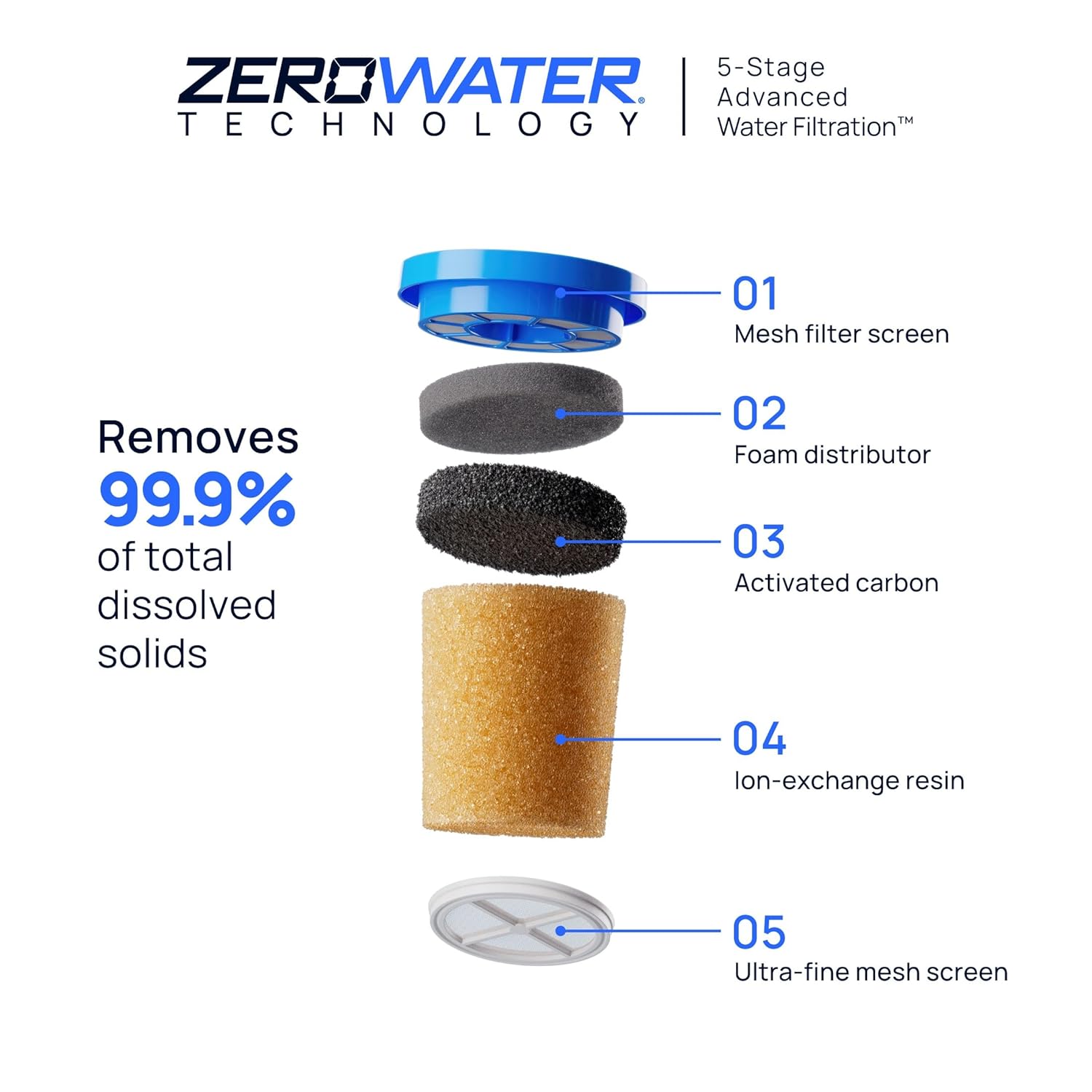
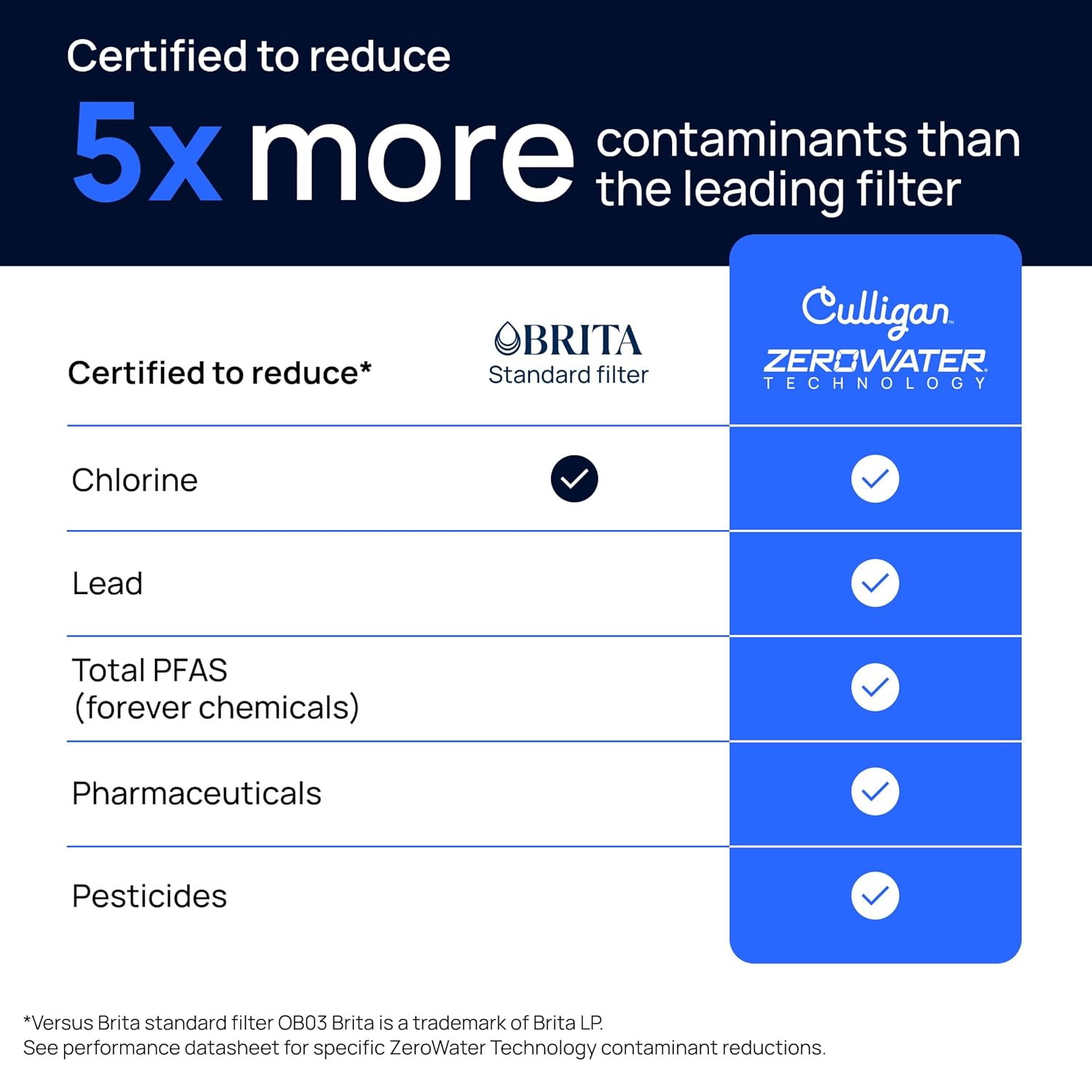
The pitcher’s multi-stage filtration is IAPMO certified to reduce lead, total PFAS, mercury, fluoride and chlorine, addressing both safety concerns and taste/odor issues. That combination typically yields cleaner-tasting water with reduced chlorine scent without additional treatment steps.
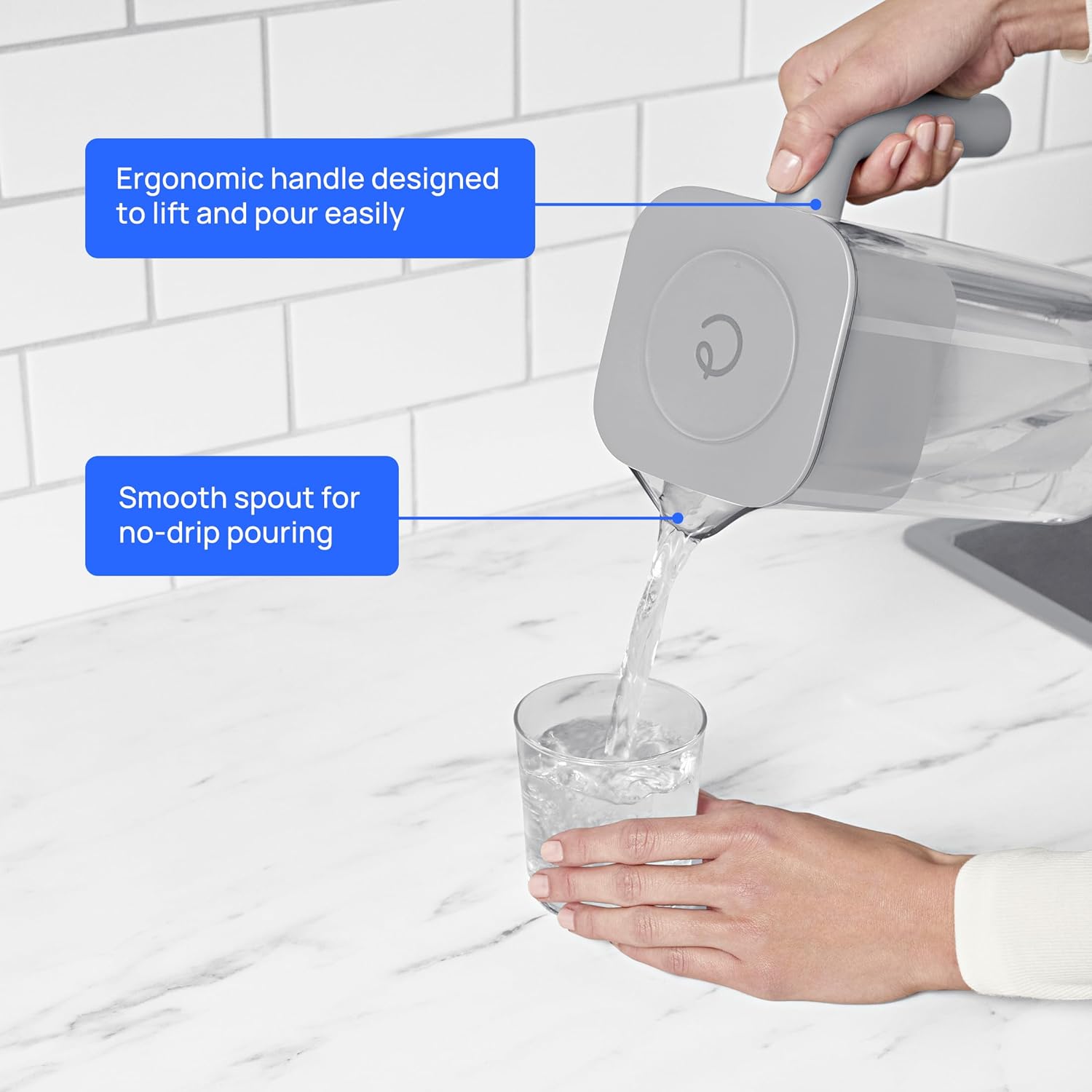
Its pitcher-style format keeps filtered water accessible for everyday use and is designed for straightforward refilling and pouring; actual capacity and flow rate vary by version. If you need a different form factor, Culligan also offers larger dispensers such as the 32-cup dispenser for higher-volume needs.
Replacement cartridges are user-replaceable and are the primary ongoing maintenance item; expected service life depends on household consumption and incoming water quality. Regular cartridge changes are important to keep contaminant reduction and flow performance consistent.
Real-World Performance
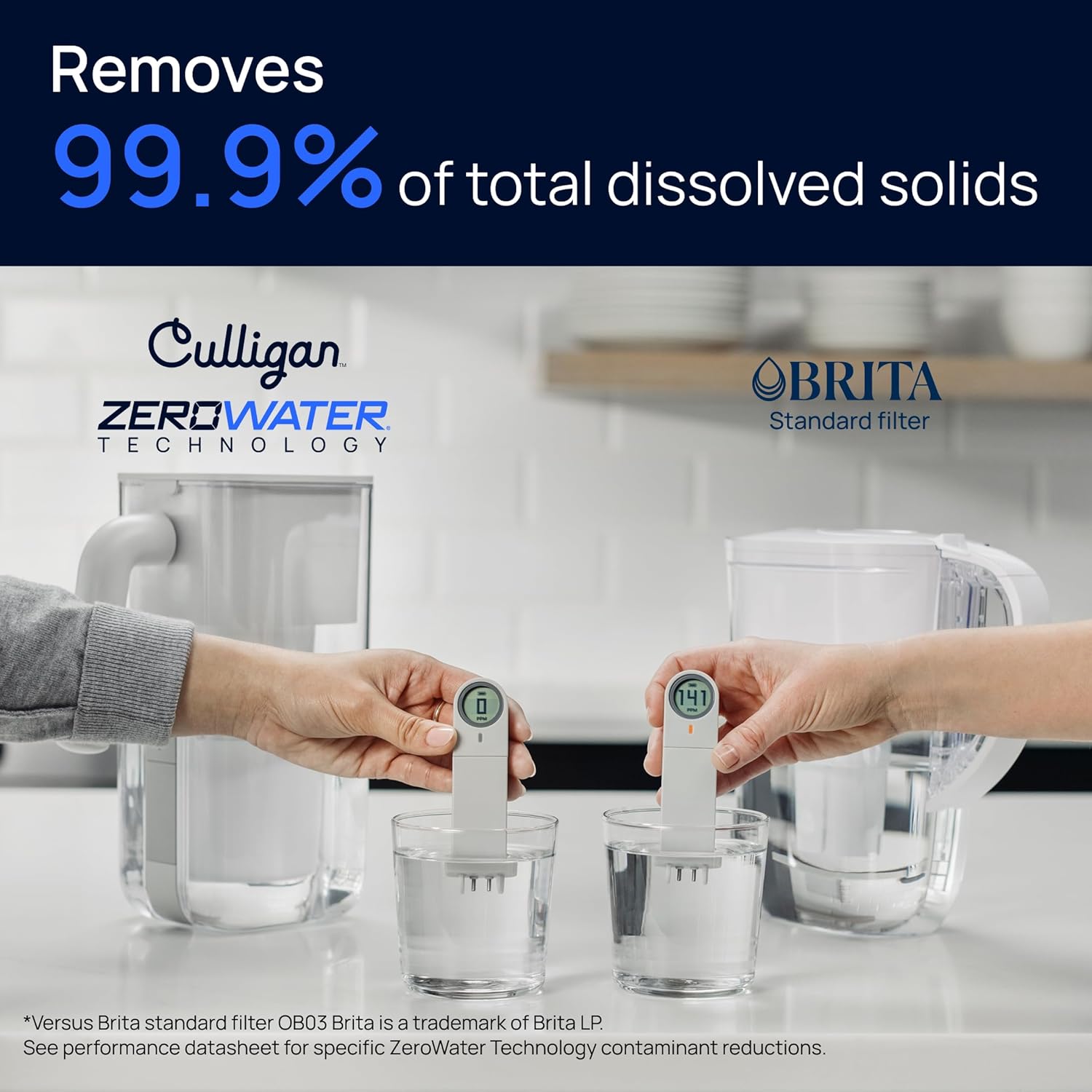
In everyday use the pitcher generally produces noticeably cleaner-tasting water compared with untreated tap water; users report reduced chlorine taste and a crisper flavor. Fill-and-pour convenience makes it easy to keep chilled water on hand, although flow can slow as the filter ages or when the reservoir is low.
Independent certification supports the manufacturer’s contaminant reduction claims for the targeted substances, but actual results depend on incoming water quality and timely filter replacement. Heavily contaminated supplies or microbiological issues may require a different treatment approach beyond a pitcher-style filter.
There are practical limits to what a pitcher can do: it isn’t a microbiological treatment and shouldn’t replace boiling or disinfection where water is biologically unsafe. For typical treated municipal water, however, it performs well as a convenient point-of-use option for improving taste and reducing certain contaminants.
Ease of Use and Maintenance
Out of the box the pitcher is designed for tool-free setup: the cartridge seats into the reservoir and the lid snaps on. Follow the included instructions for initial activation or rinsing steps, which vary by version, and run the first fill-through cycle before regular use.
Everyday cleaning is straightforward: rinse the reservoir and lid regularly and wash parts with warm, soapy water as needed. Avoid harsh cleaners and ensure components are fully rinsed and dry before reassembly to prevent residue or odors.
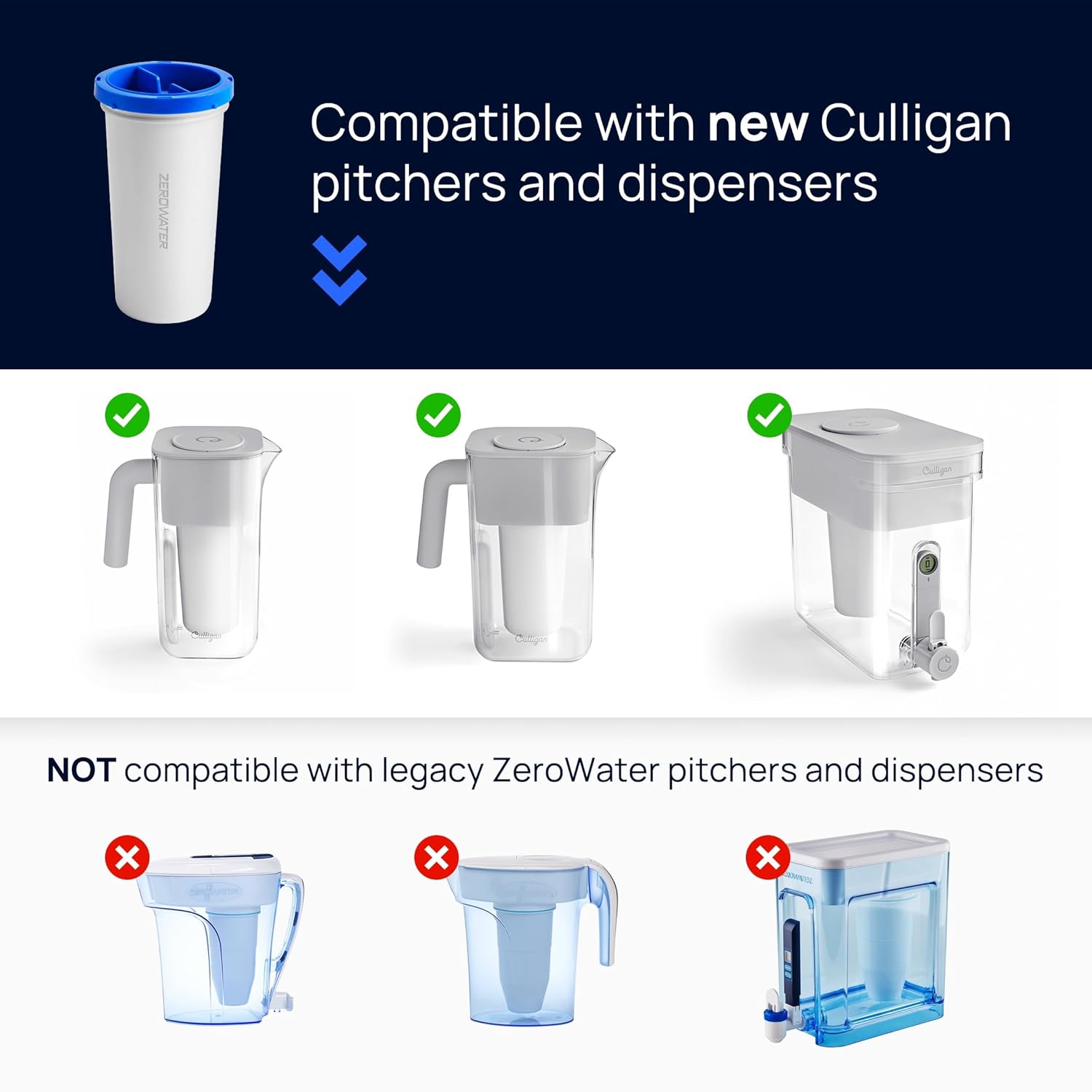
Replacement and upkeep depend on usage and tap-water characteristics. Filter life varies, and some versions include a status indicator while others do not—if there’s no indicator, monitor taste and flow to know when to swap cartridges. Keep a spare replacement cartridge on hand to avoid downtime and check options like the Culligan replacement cartridge for compatibility.
Pros and Trade-Offs
Strengths include a multi-stage cartridge that targets a broad set of chemical contaminants and off-flavors, plus third-party certification for several reductions. Many users note clearer taste and reduced chlorine odor, and the pitcher is convenient for everyday point-of-use treatment.
Trade-offs are mostly about throughput and recurring costs: filtration is slower than tap or under-sink systems, replacement cartridges are an ongoing expense and availability can vary, and the pitcher may not fit every fridge door or kitchen configuration. It’s also not suitable for whole-house issues or microbiological contamination.
Overall, it’s a practical option for households prioritizing chemical contaminant removal and taste improvement without permanent equipment. If you need higher daily volumes or a permanently installed system, consider in-line or point-of-entry alternatives instead.
Who This Product Is For
This pitcher is well suited to apartment dwellers, small families, dorm rooms, or offices where counter or fridge storage is limited and portability matters. It appeals to buyers who want verified contaminant reductions for substances like lead, PFAS, fluoride, mercury and chlorine without installing under‑sink equipment.
It’s a good pick for people who drink a lot of filtered water for cooking and beverages but don’t want plumbing changes, provided they’re comfortable with periodic cartridge swaps. If your needs include whole-house treatment, unusual well contaminants, or very high daily volumes, look to larger dispensers or in-line systems instead.
As an Amazon Associate, I earn commission on qualified purchases.