Filterlogic Water Filter Replacement – NSF/ANSI 42&372
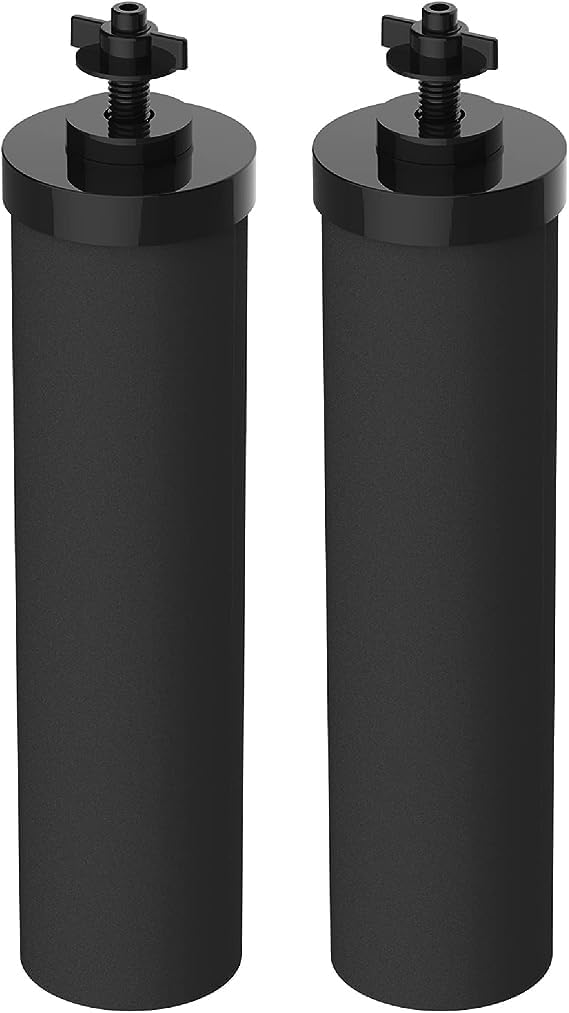
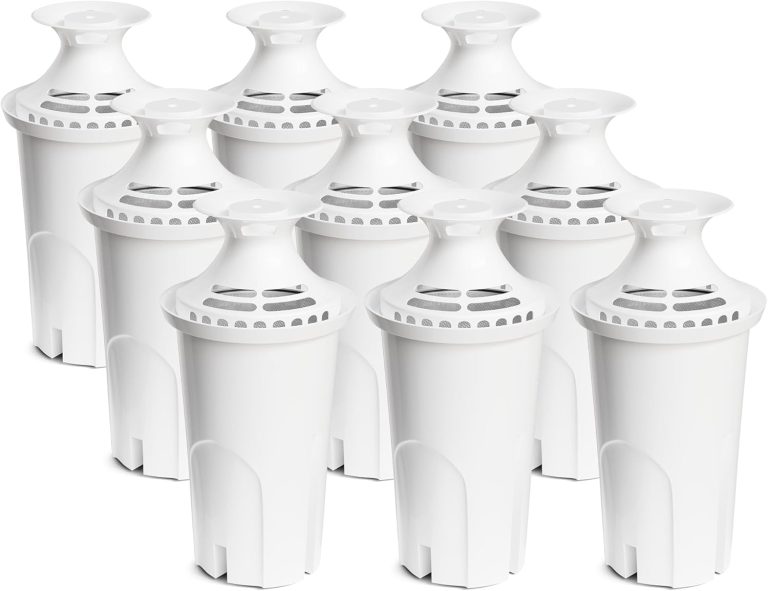
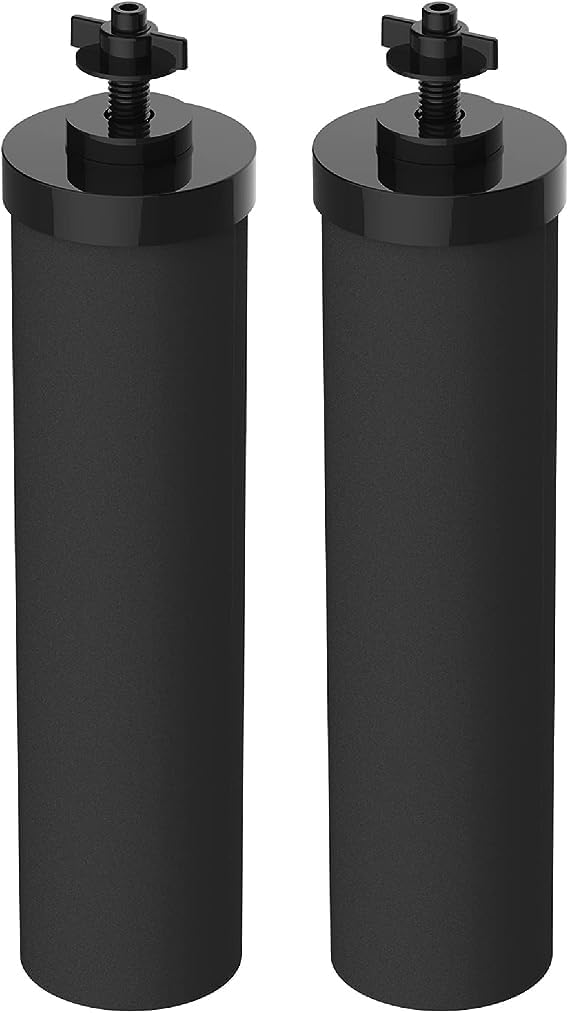
These Filterlogic replacement elements are NSF/ANSI 42 and 372 certified, designed as drop-in black purification elements for gravity-fed systems to improve taste and reduce chlorine and sediment while using lead-free materials. They’re an easy, cost‑conscious way to restore basic polishing performance in a Berkey-style gravity system, but they’re not intended for disinfection or complex contaminant removal.
Overview
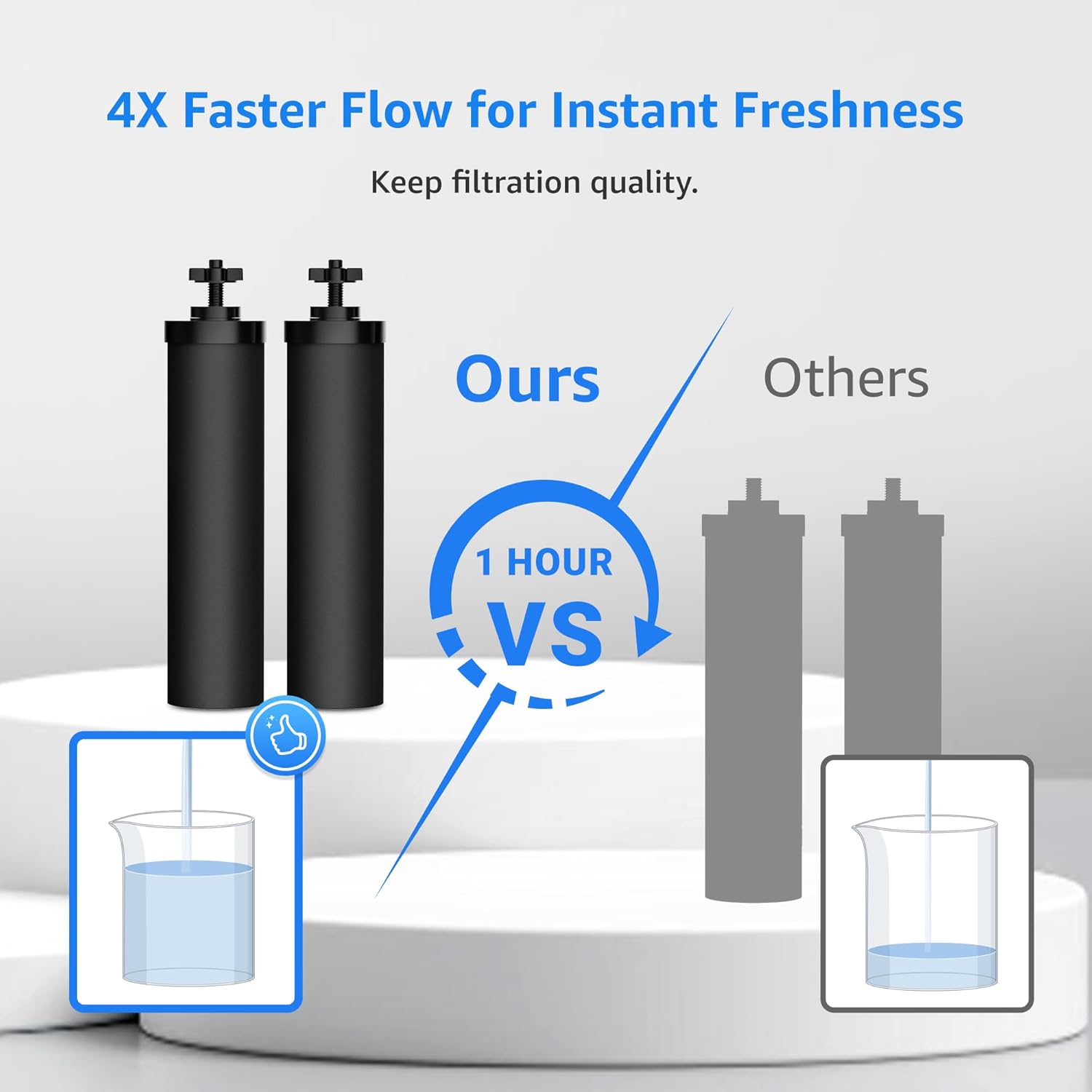
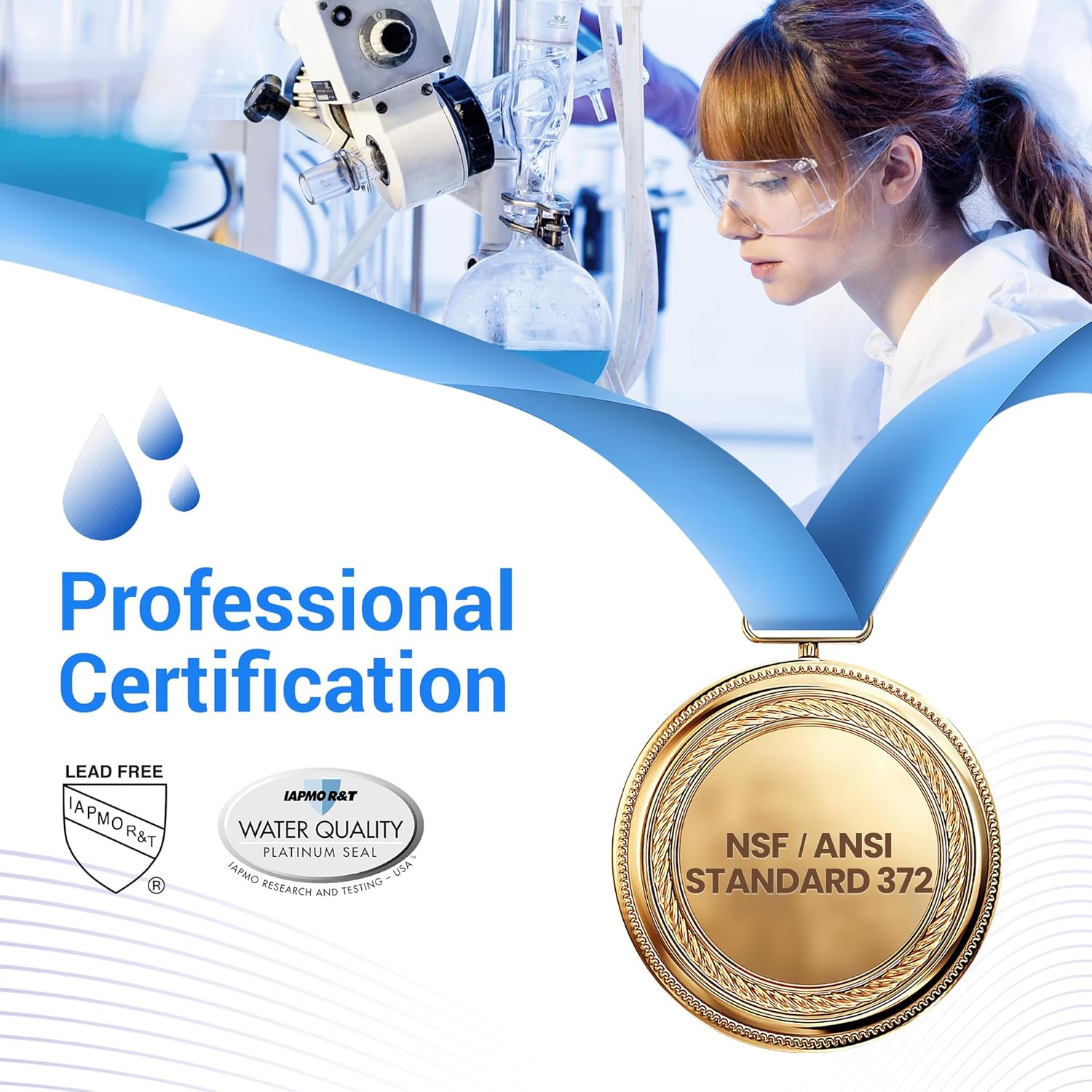
These are replacement cartridge elements that carry NSF/ANSI 42 and NSF/ANSI 372 certifications, indicating they are intended to improve taste and odor and are manufactured with lead-free materials. Designed for use in gravity-fed home filtration setups, they perform the basic job of polishing drinking water and addressing common aesthetic contaminants rather than advanced chemical removal.
They suit homeowners and renters who want a certified, drop-in replacement option and who prioritize material safety and basic chlorine/taste reduction. Compatibility can vary by system and model/version, so confirm fitment for your specific housing before purchasing.
The practical problem they solve is simple: restore or maintain the filtering capability of a gravity filtration system without needing a full system replacement. For users seeking certified, easy-to-install replacement elements that keep water tasting better and meet lead-free standards, these provide a straightforward option.
Key Features
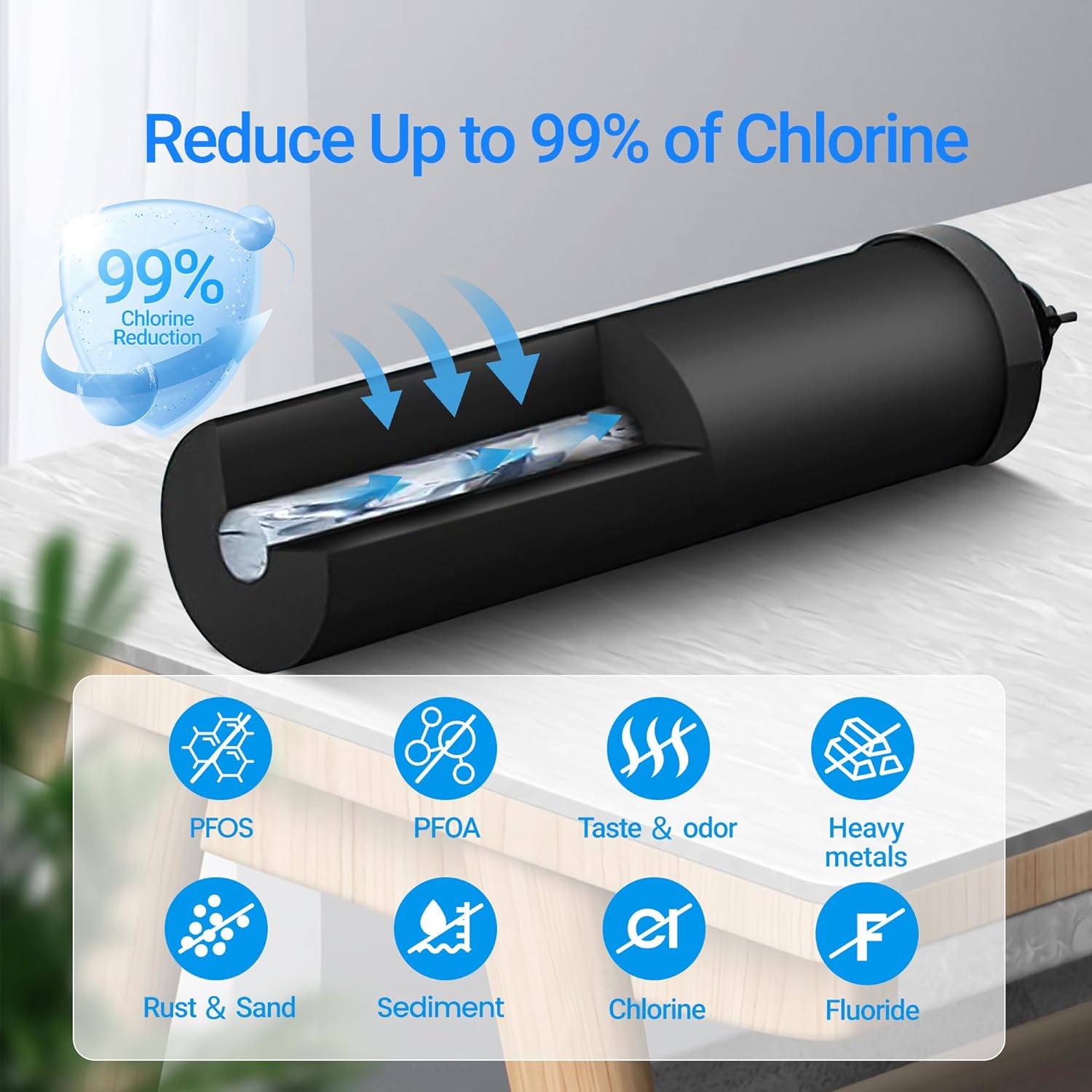
These replacement elements use a compressed carbon filtration core inside a durable outer housing suited for gravity-style systems, which increases contact time with the media and helps improve taste and clarity. The physical design focuses on steady flow and consistent filtration performance under typical countertop conditions.
They are certified to NSF/ANSI 42 and 372, meaning the media is tested for aesthetic contaminant reduction such as chlorine-related taste and odor and the component materials meet lead-free standards. Those certifications address both functional performance and the safety of parts that contact drinking water.
Installation is straightforward for gravity canisters: insert into the upper chamber and perform the recommended initial rinse. Routine maintenance is simple—monitor flow rate and water taste, and replace elements when performance declines; exact replacement intervals vary by model/version and by your water quality and usage.
Available in multi-packs to make timely swaps easier, the combination of certified media and sturdy construction makes these filters a practical choice for households seeking better-tasting water and reduced exposure to lead from filter materials.
Real-World Performance
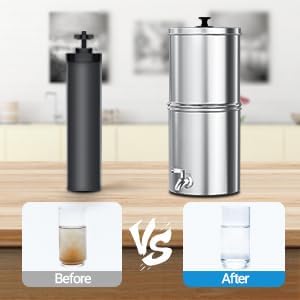
In everyday household use these replacement elements deliver a noticeable improvement in taste, odor, and clarity compared with untreated tap water. On gravity-fed systems the flow is steady but deliberately measured, so expect a slower fill compared with pressurized tap filters; that trade-off is common with countertop or pitcher setups.
There are practical limits to what they can do. They are intended to polish and improve treated or municipal water; they are not a substitute for disinfection of microbiologically unsafe sources or for removing major industrial contaminants. Performance can be affected by very high sediment loads or unusually poor source water, which can cause faster clogging and reduced output.
Actual longevity and how often you replace cartridges varies by model/version and by local water quality and household usage. A simple way to judge remaining performance is to monitor flow rate and taste—when water slows significantly or the flavor returns toward the unfiltered baseline, it’s time to change them. Installation and cartridge changes are straightforward on most gravity units, but follow your system’s instructions for proper seating and priming to get the best real-world results.
Ease of Use and Maintenance
Getting the filter elements set up is generally straightforward for gravity-style systems: they slot into the housing, and most users will perform a brief initial rinse or priming step before use. The initial setup is mostly mechanical rather than technical, so basic hand tools and the included instructions are usually all that’s needed to get running.
Routine upkeep is low-effort. Wipe and rinse the chambers periodically, check seals and gaskets for a snug fit, and avoid harsh cleaners that could damage housings or filter media. The elements themselves can be flushed under running water if flow slows or there’s visible debris, and occasional sanitizing of the vessel keeps things sanitary without complicated procedures.
When to replace an element varies by model/version and by how hard or contaminated your source water is. Common signals that a swap is due are a noticeable drop in flow rate or a return of taste or odor. Keep a spare on hand and follow the manufacturer’s care instructions to maximize service life and minimize downtime.
Pros and Trade-Offs
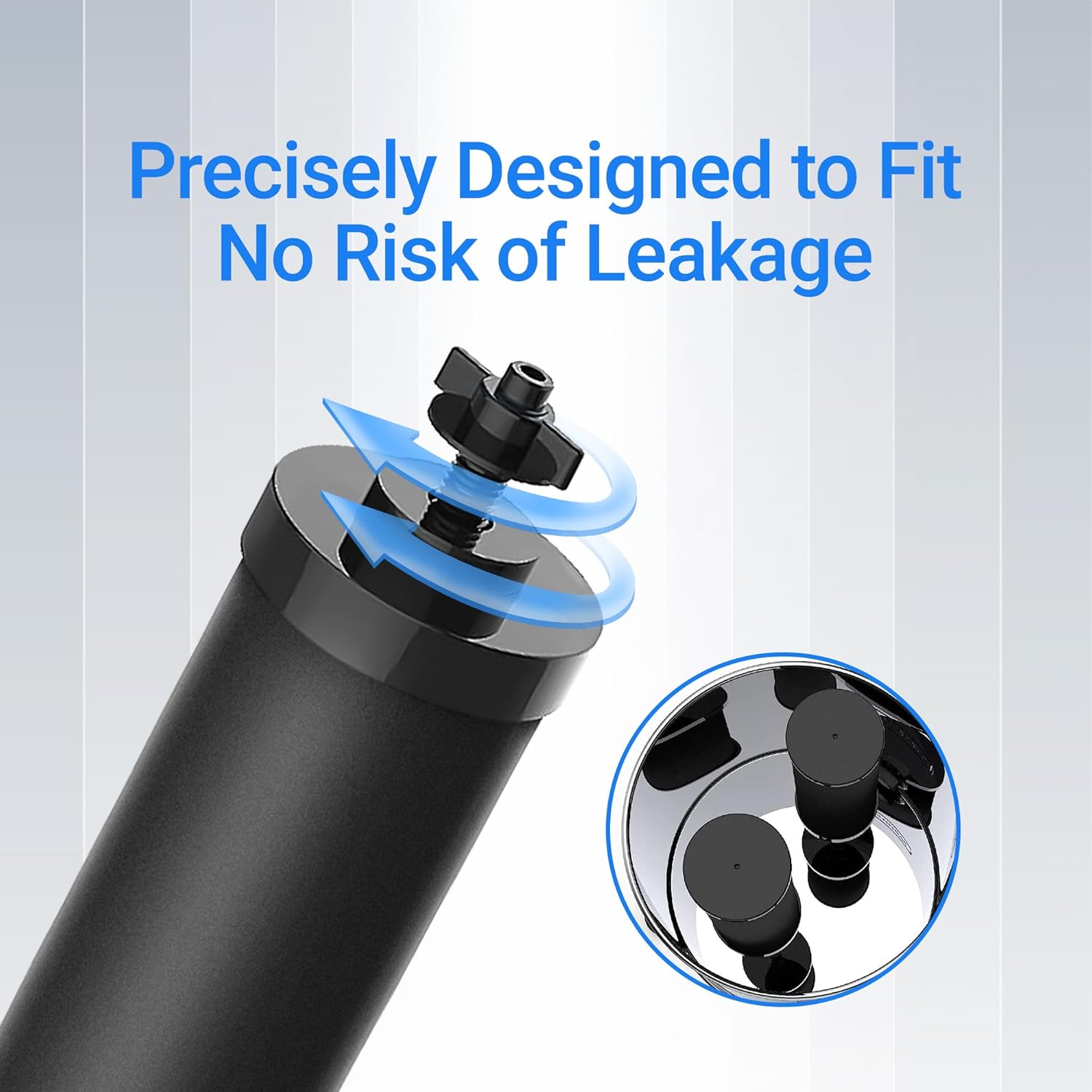
These replacement elements are notable for carrying recognized certifications related to aesthetic contaminant reduction and material safety, which often results in clearer taste and reduced chlorine odor for tap water. Build quality and the use of lead‑free materials are commonly cited strengths, giving peace of mind around long‑term contact with drinking water.
Installation and day‑to‑day use tend to be straightforward in compatible gravity filter housings, and many users report a simple priming process at first use. That said, compatibility and exact fit can vary by model/version, so it’s important to confirm they match your system before purchasing.
Trade‑offs include variability in flow and lifespan depending on source water quality and usage patterns; replacement intervals and performance will differ by model/version. Some users notice slower flow compared with other elements and may need occasional re‑priming or flushing after heavy use. Packaging and quality control can also vary between batches.
In summary, these filters offer a certified, cost-conscious option for improving taste and ensuring material safety, but they’re not a one‑size‑fits‑all solution. Verify fit, expected maintenance, and seller support for your specific setup to avoid surprises once you switch.
Who This Product Is For
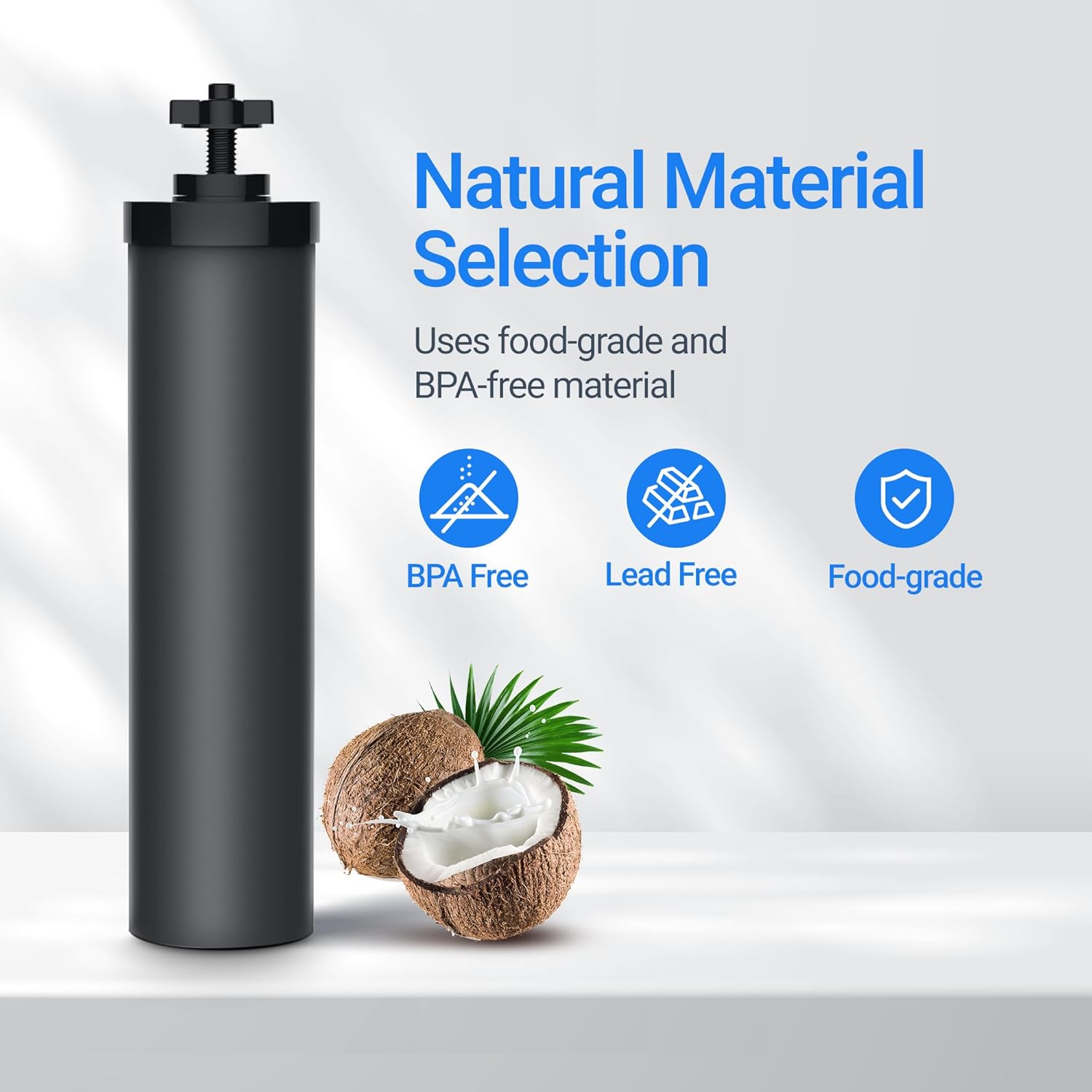
This one suits people who use gravity-fed countertop filtration setups and need a straightforward replacement element without changing their system. It’s aimed at homeowners, renters, or small households who want an easy swap-in part to restore taste and odor performance and to keep a familiar filtration routine.
Buyers who value third-party testing and material safety will also appreciate it, since the certifications address aesthetic reduction and lead-free materials. That makes it a reasonable pick for anyone prioritizing tested components rather than unverified alternatives.
It’s not a great match for those looking for whole-house filtration, high-flow inline solutions, or certified removal of specific chemical or biological contaminants beyond aesthetic standards. Also skip this if your filter housing uses a different element size or connection type, since compatibility varies by model/version.
As an Amazon Associate, I earn commission on qualified purchases.