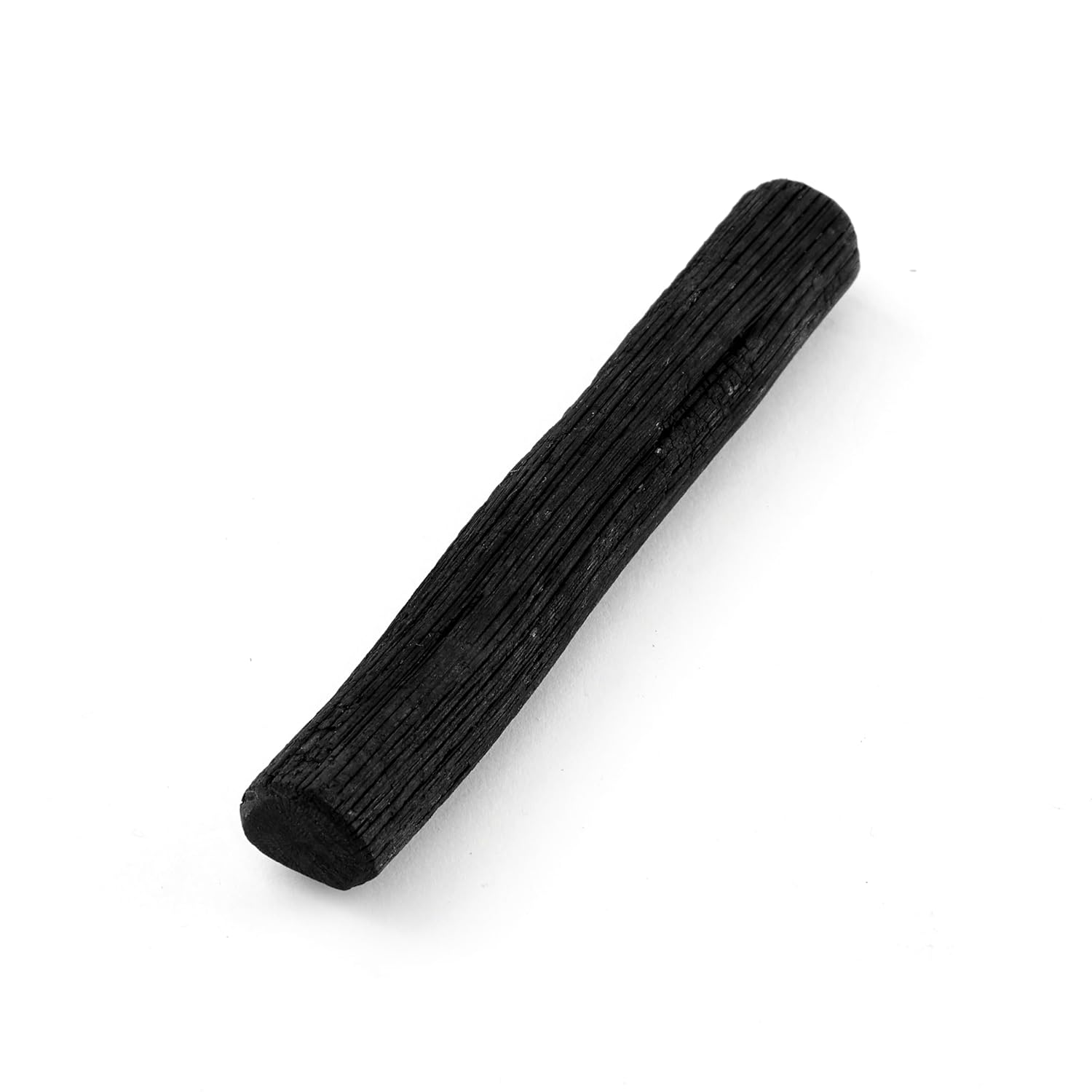
Black + Blum Charcoal Water Filter Sticks – Lasts 6 Months
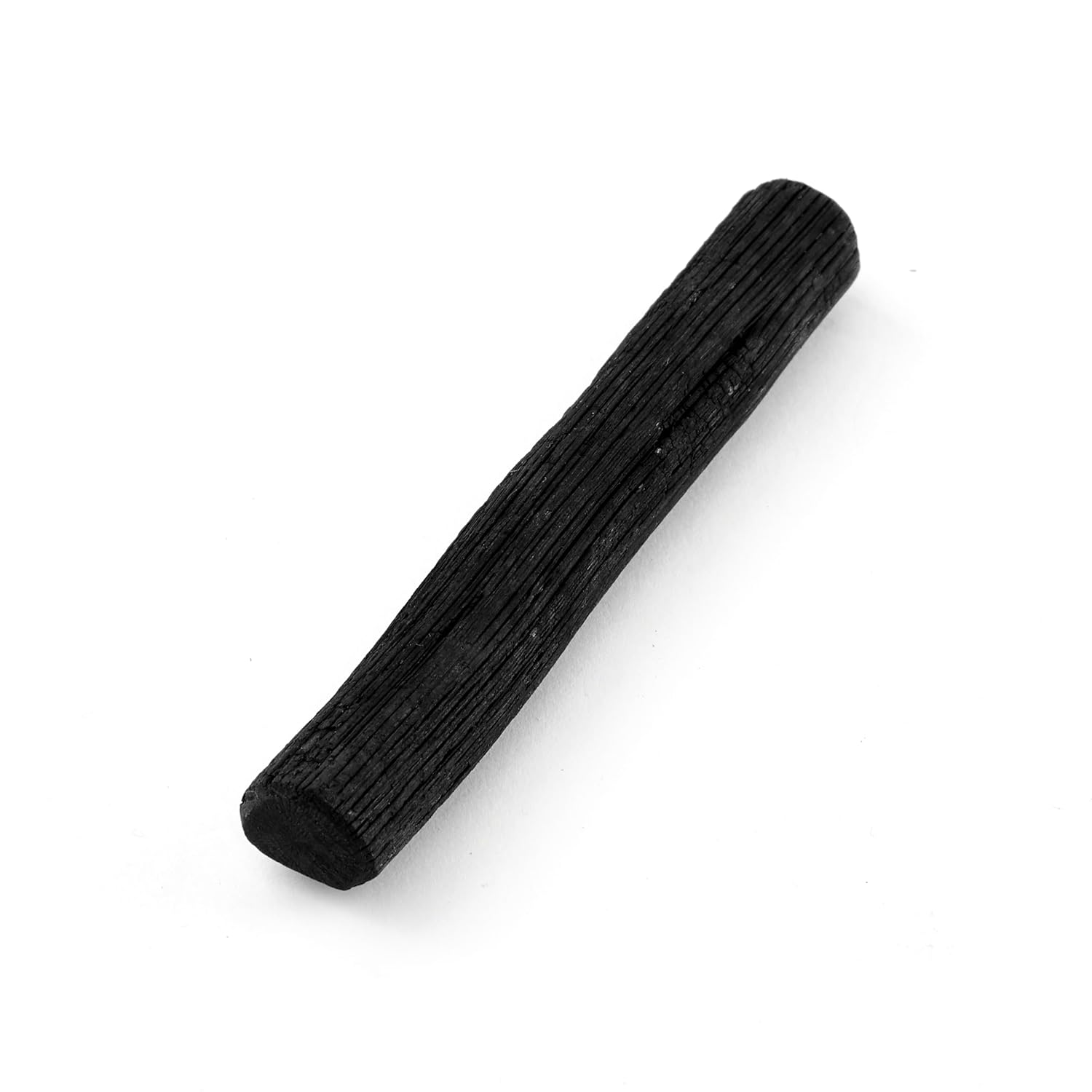
The Black + Blum binchotan charcoal sticks offer a low-tech way to improve the taste and smell of tap water using traditional Japanese activated charcoal. They’re simple to use in bottles, pitchers, or jugs, require minimal upkeep, and are intended for taste and odor improvement rather than certified contaminant removal. Each stick is described as lasting about six months and can be refreshed by boiling.
Overview
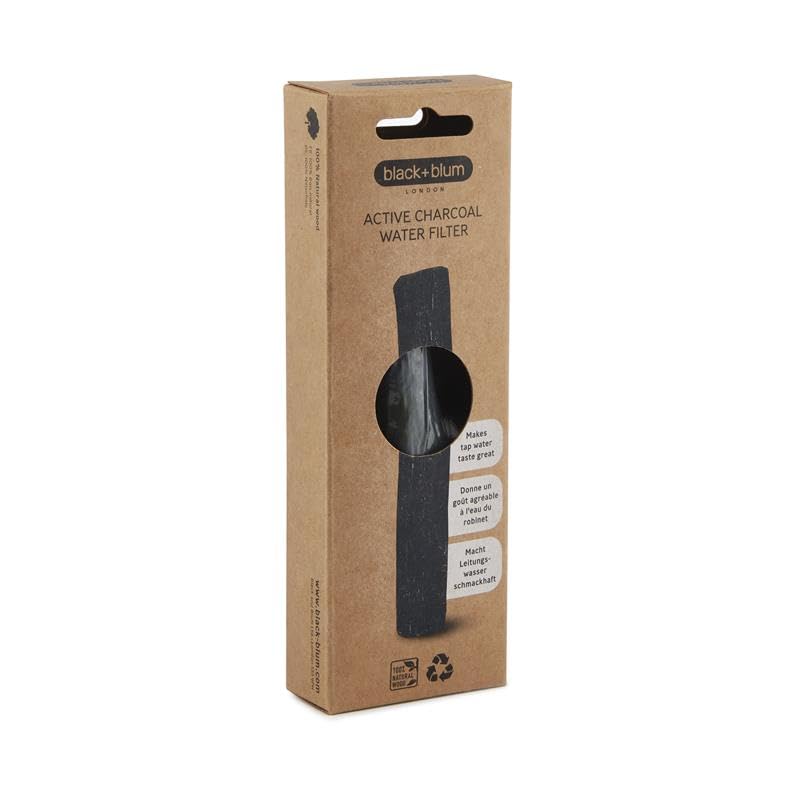
A compact stick of natural charcoal designed to condition drinking water using a long-established Japanese technique. It softens taste and reduces common unpleasant odors in tap water without pumps, chemicals, or electricity, offering a low-tech alternative for everyday hydration.
Designed to sit in a bottle, pitcher, or jug, it gradually imparts the adsorptive benefits of charcoal to improve flavor. How long a single piece lasts varies by water quality and frequency of use, so follow the manufacturer’s guidance or replace when taste changes.
This approach suits anyone who wants a low-waste, easy-to-use way to improve routine drinking water and reduce reliance on disposable cartridges. It’s not a substitute for certified treatment when removal of specific contaminants is required, so consider tested systems for those needs.
Key Features
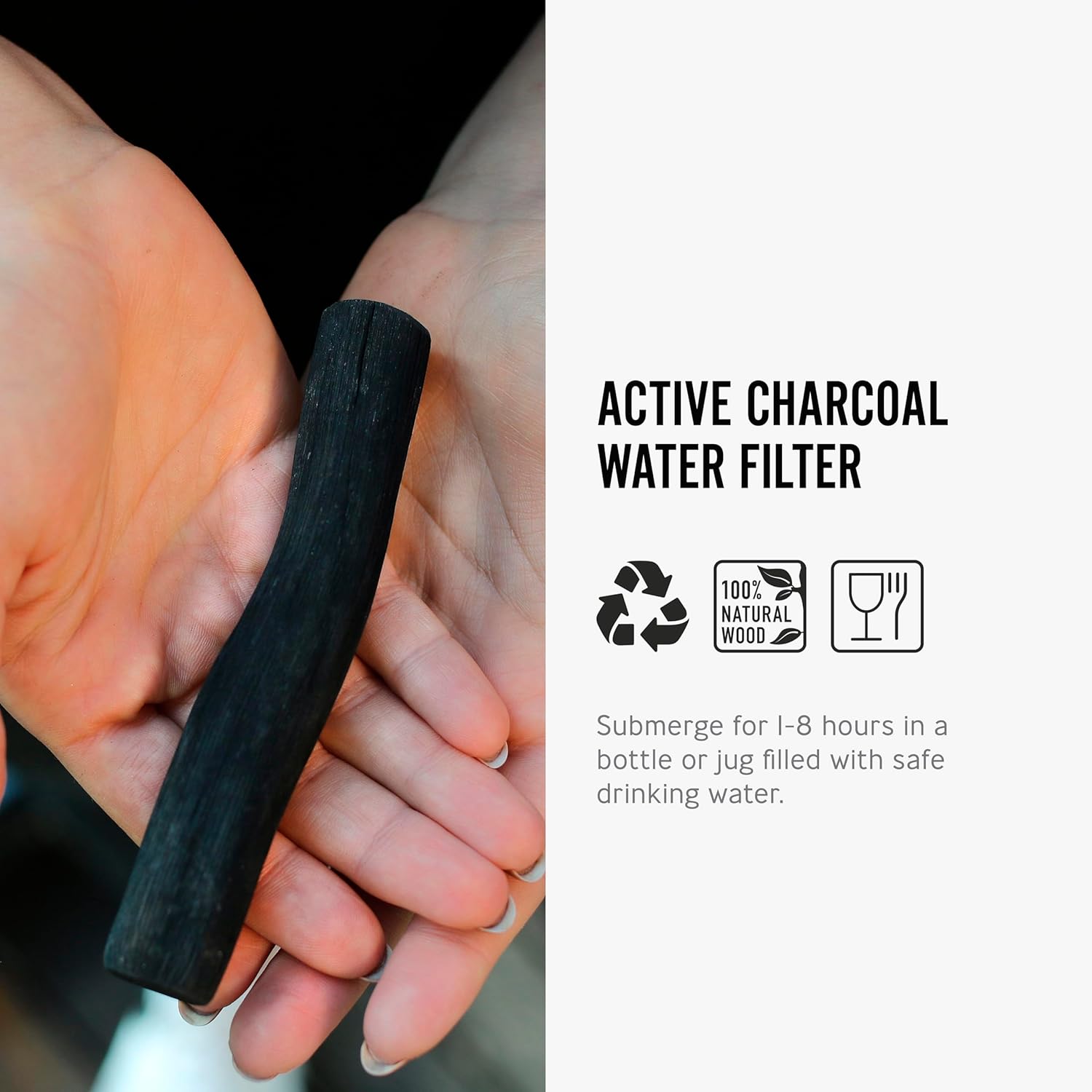
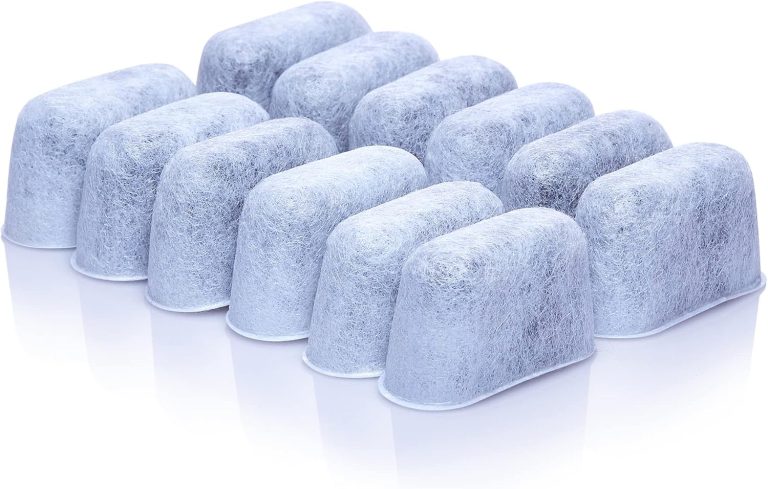
These charcoal sticks use a traditional Japanese method of water conditioning: natural charcoal provides a large surface area that helps adsorb tastes and odors, leaving water with a cleaner mouthfeel. The approach is chemical-free and passive, so there’s no filter housing or cartridges to align—just place the stick in a container and let it work.
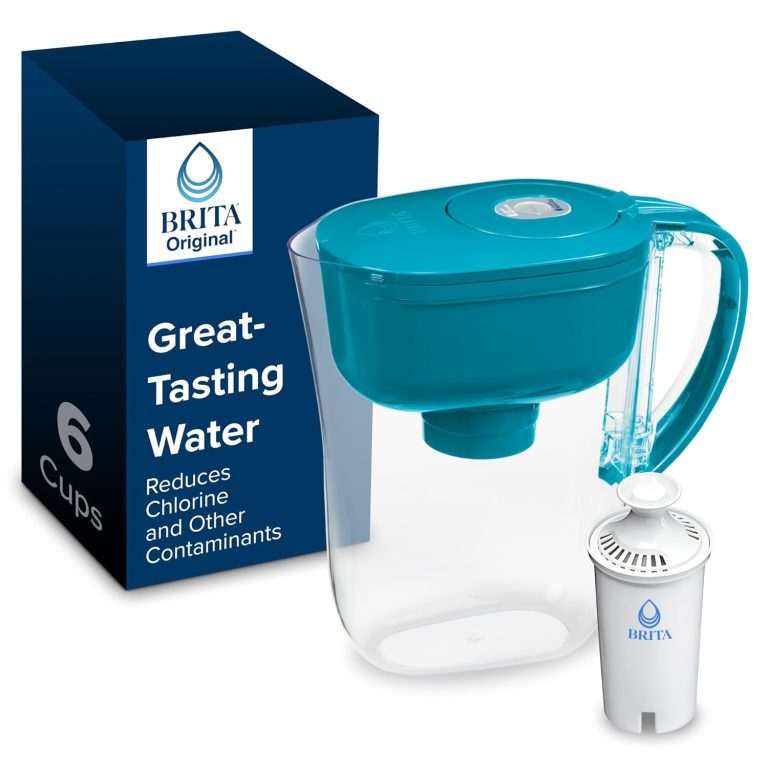
The form factor is simple and compact, making it easy to drop into a pitcher, bottle, or dispenser without taking up much space. Because it doesn’t rely on replacement cartridges or electricity, it’s a low-maintenance way to keep drinking water tasting fresher throughout the day. It pairs well with countertop pitchers such as popular Brita pitchers when you want a no-electronics option for improving taste.
Lifespan is typically measured in months and can vary by water quality and frequency of use; the manufacturer’s guidance should be followed for exact expectations. Refreshing and upkeep are straightforward—usual recommendations include periodic rinsing and following the care instructions provided with the product to maintain performance.
Real-World Performance
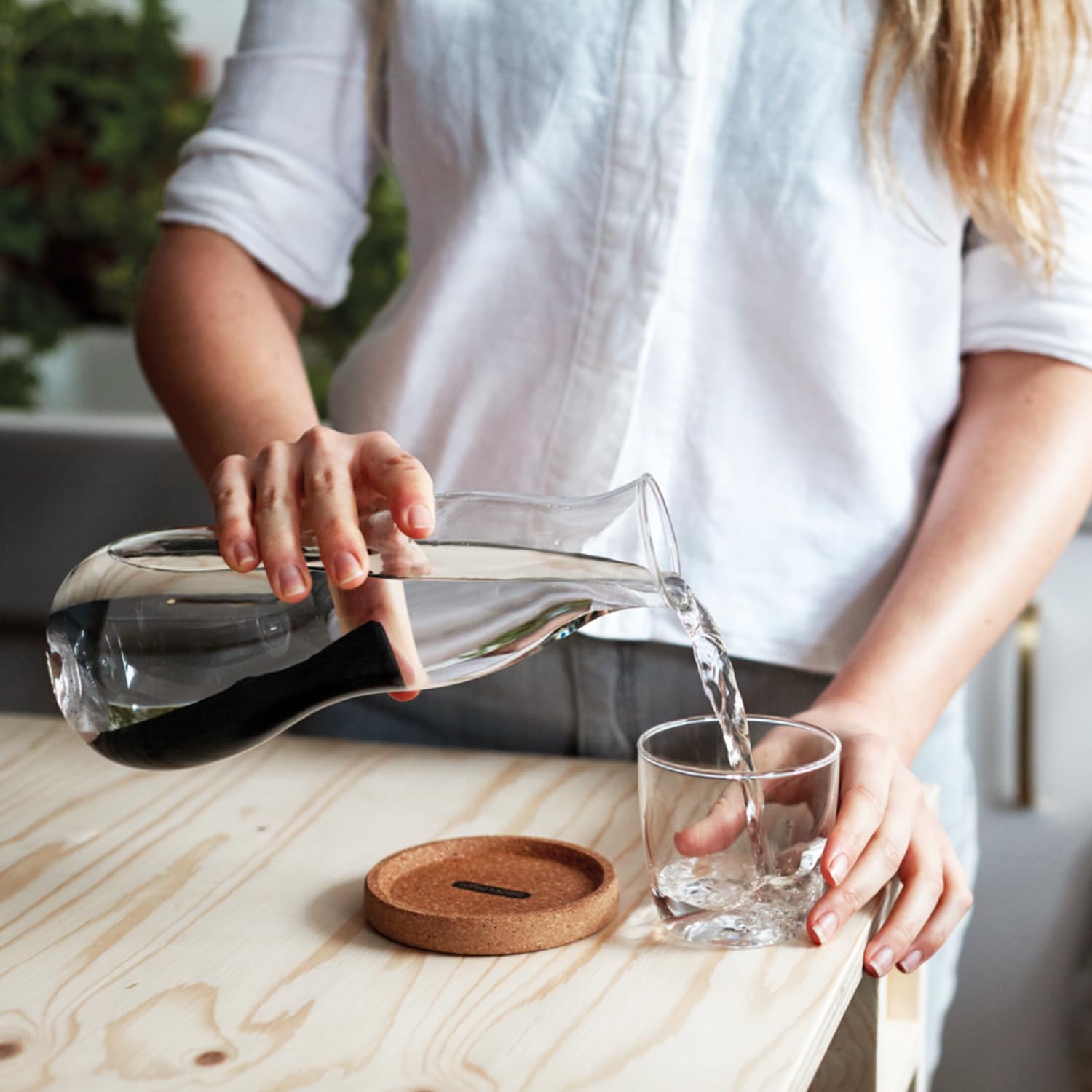
In everyday use these charcoal sticks act as a simple, passive way to improve drinking water from the tap. Users typically notice reduced chlorine-like smells and a cleaner, smoother taste when the sticks are used in pitchers, bottles, or dispensers. They work quietly without power or moving parts, making them convenient for countertop or portable use.
Performance declines gradually rather than abruptly. How long a stick remains effective depends on water quality and how often the container is refilled; follow the manufacturer’s guidance and replace when taste or odor returns. The sticks are low-maintenance, but their ability to freshen water is finite and diminishes with heavy use or highly contaminated source water.
They are not a catch-all purifier. These sticks are meant for taste and odor improvement and are not a substitute for certified filtration or disinfection when microbiological contamination, heavy metals, or other specific pollutants are a concern. For routine everyday tap water improvement they perform well, but for high-risk water sources a more robust treatment system is necessary.
Ease of Use and Maintenance
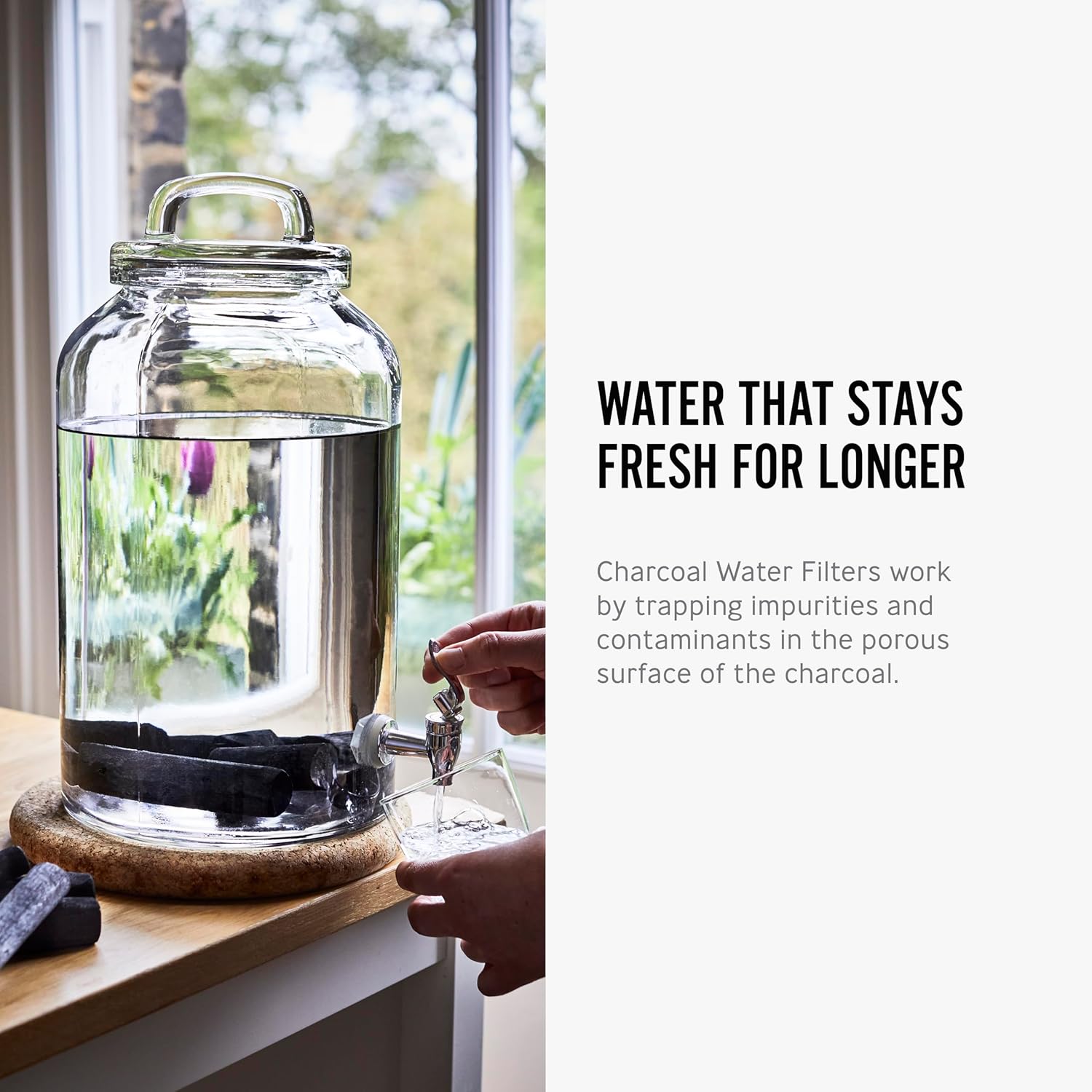
Setup is simple: remove any packaging, give the stick a quick rinse, and place it into your pitcher, bottle, or jug. No special tools or fittings are required, though it’s a good idea to confirm the stick sits comfortably in your chosen container before regular use.
Ongoing upkeep is minimal. Rinse the stick occasionally to clear surface sediment and allow it to dry between extended periods of non-use. Avoid abrasive cleaners or strong detergents; gentle rinsing preserves the material and performance.
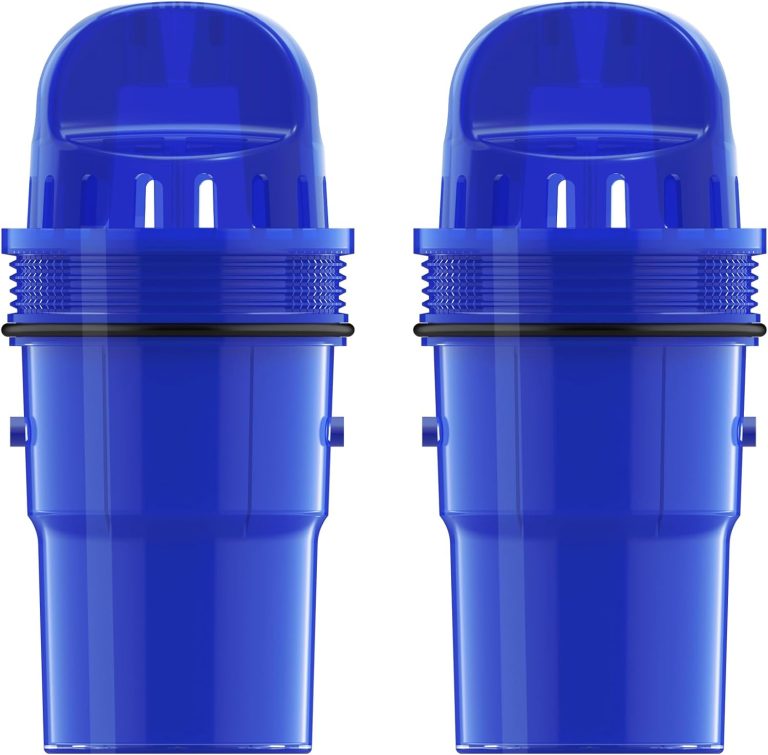
Replacement needs depend on water quality and how often you use it, so follow the manufacturer’s guidance for timing. Replace the stick when you notice reduced effectiveness or a change in taste or odor, and consider keeping a spare on hand so you can swap without interrupting your routine. For households using multi-stage systems, compare refresh cycles with options like the Purewell PF-3 three-stage composite elements to set expectations.
Pros and Trade-Offs
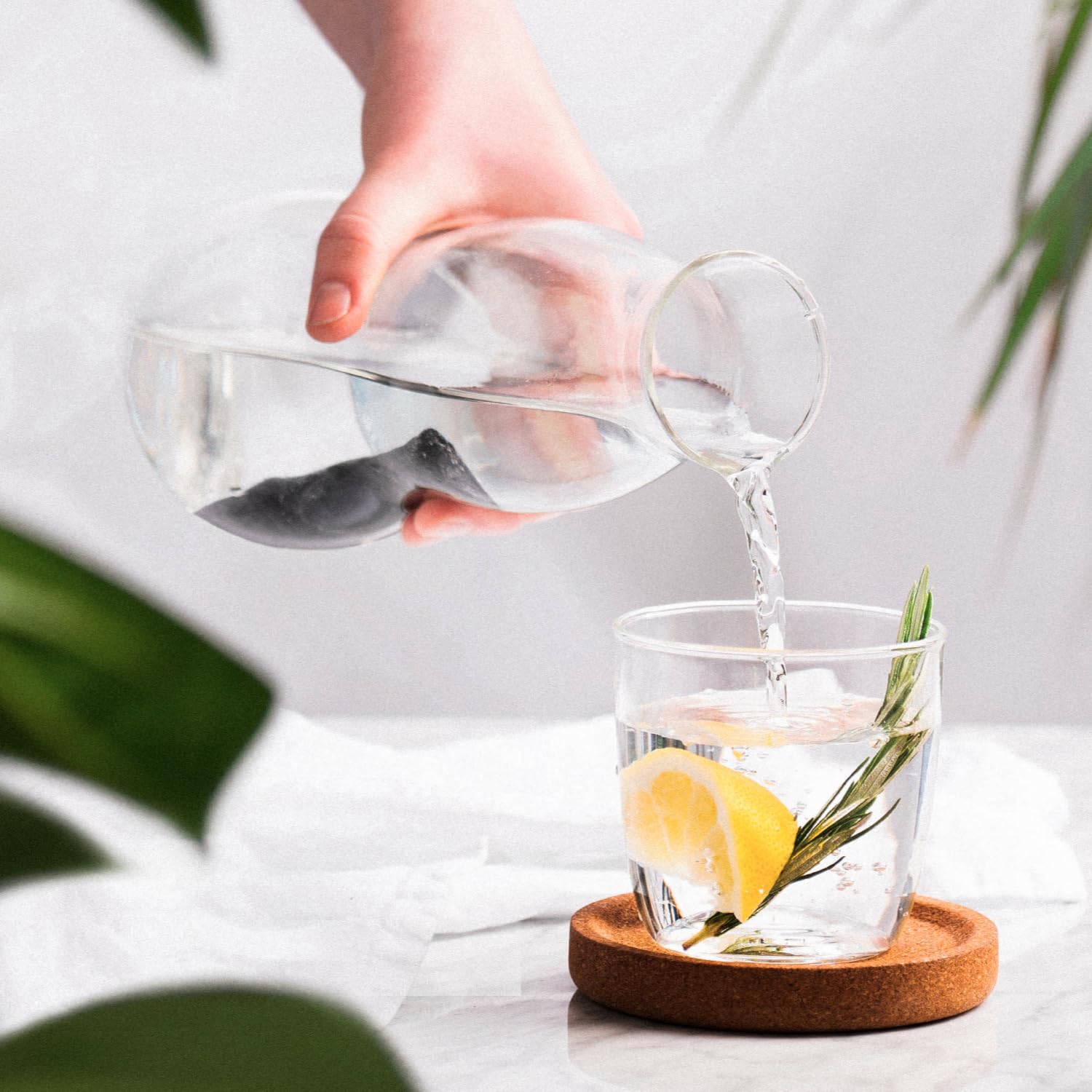
This option shines for people who want a simple, low-maintenance way to make everyday tap water taste cleaner and reduce off-flavors. It’s easy to use in bottles or pitchers, requires no electricity or chemicals, and keeps ongoing upkeep minimal for routine hydration.
On the positive side, the approach is low-waste and visually unobtrusive, and many users find it convenient compared with frequent cartridge changes. The manufacturer states a single stick will last for months before needing replacement, so periodic swaps rather than constant attention are typical.
There are trade-offs to consider: the device is designed mainly to improve taste and odor and is not a certified treatment for bacteria, viruses, or dissolved minerals. Results depend on the source water, some initial charcoal particles or light discoloration can appear until rinsed, and fit/compatibility with bottles or containers varies.
For basic taste improvement and a sustainable, no-fuss solution it performs well, but if you need guaranteed removal of specific contaminants or microbial protection, pair it with a tested filtration system or choose a certified purifier.
Who This Product Is For
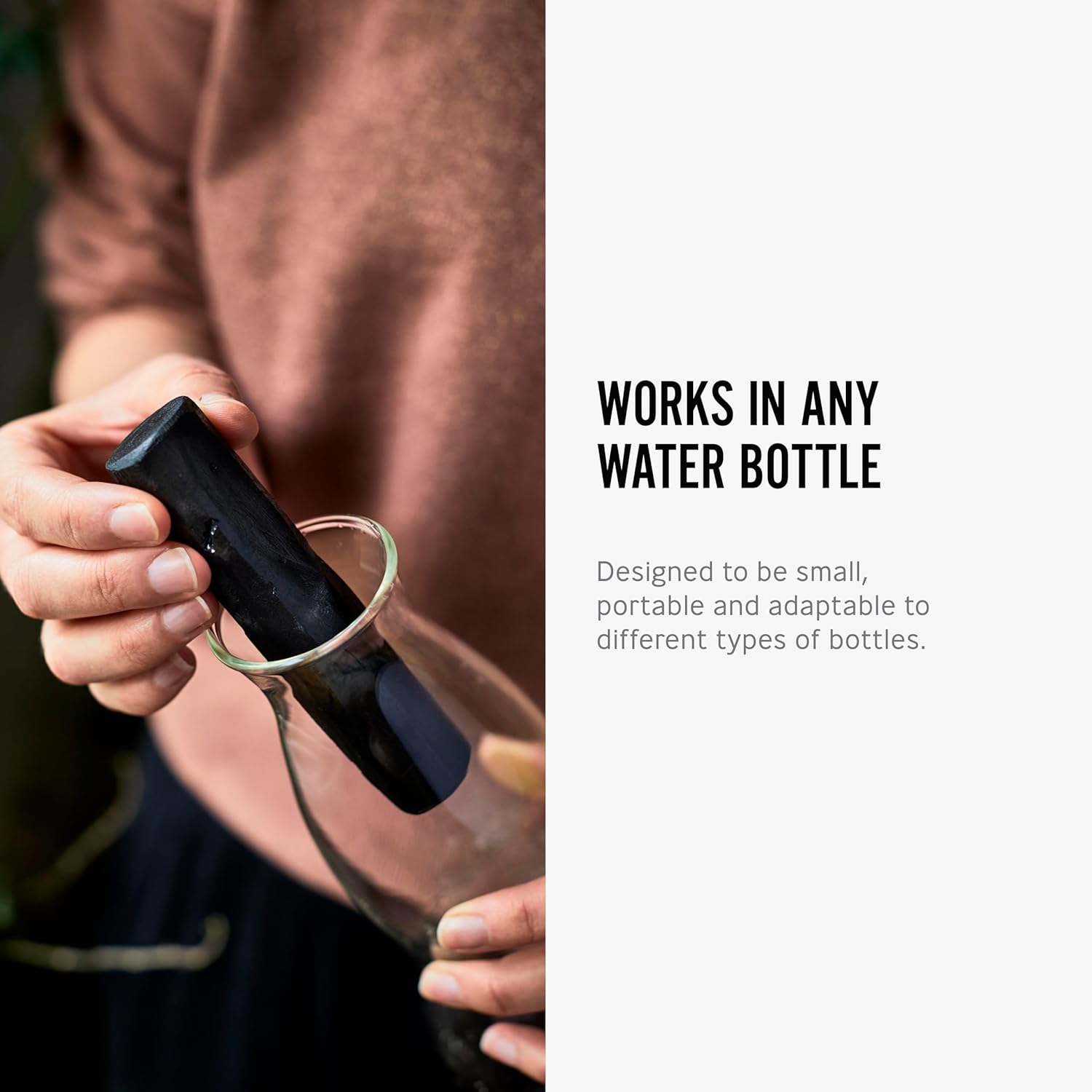
This charcoal-based conditioning stick suits buyers who want a simple, low-tech way to improve the flavor and mouthfeel of already-safe tap water while cutting down on single-use bottles. It’s a good fit for people who prefer natural materials and a reusable approach rather than full mechanical filtration systems.
It also works well for households that use pitchers, jugs, or reusable bottles and value low daily maintenance. Check compatibility with the container you plan to use, as sizing and fit can vary by version, and follow the manufacturer’s guidance for replacement timing. If you prefer dispenser-style solutions, consider how this compares with a Brita Ultramax dispenser for capacity and certified reduction needs.
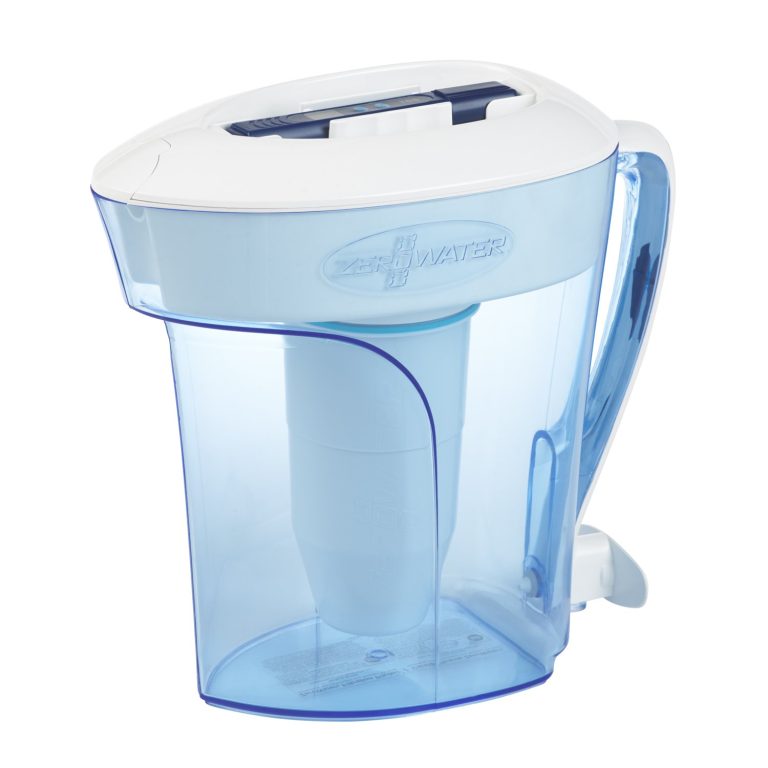
Skip this option if you need certified removal of biological contaminants or specific chemical pollutants, or if you rely on filtration for water from unknown or unsafe sources. Those who require fast flow rates, multi-stage purification, or lab-verified contaminant reduction should consider other technologies such as cartridge-based pitchers or larger-capacity dispensers.
As an Amazon Associate, I earn commission on qualified purchases.