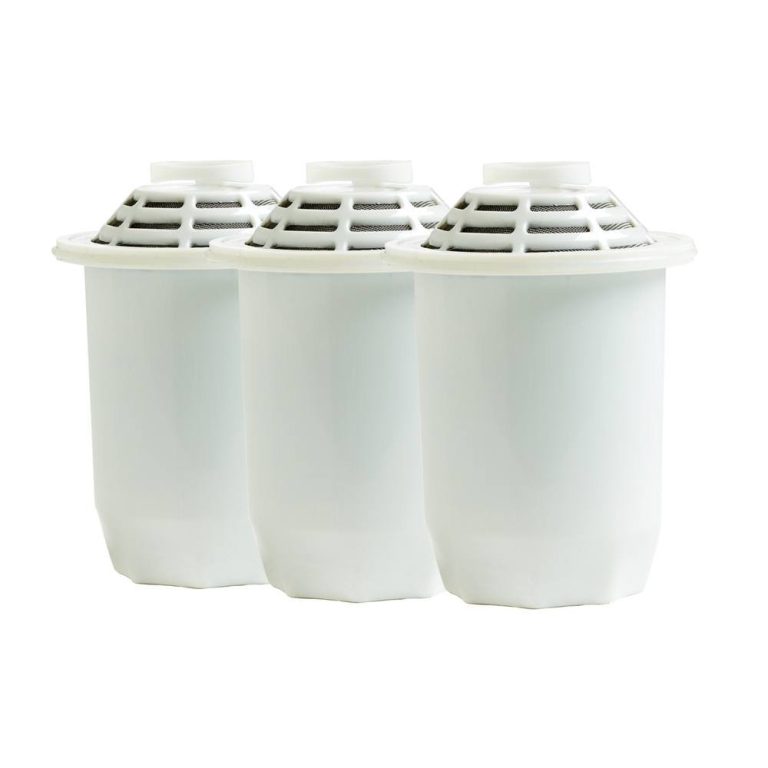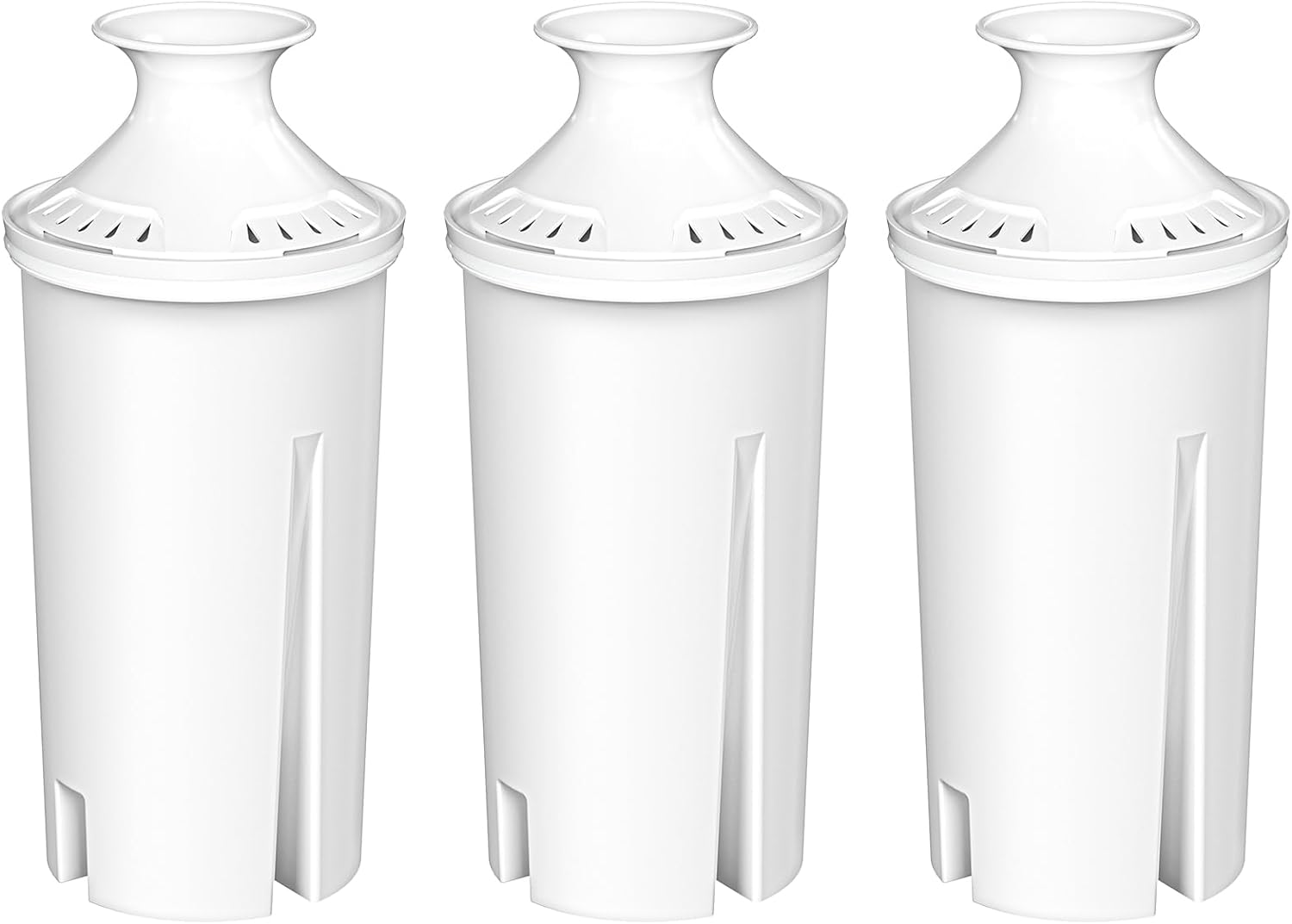
Fil-Fresh Water Filter Replacements 3-Pack for Brita
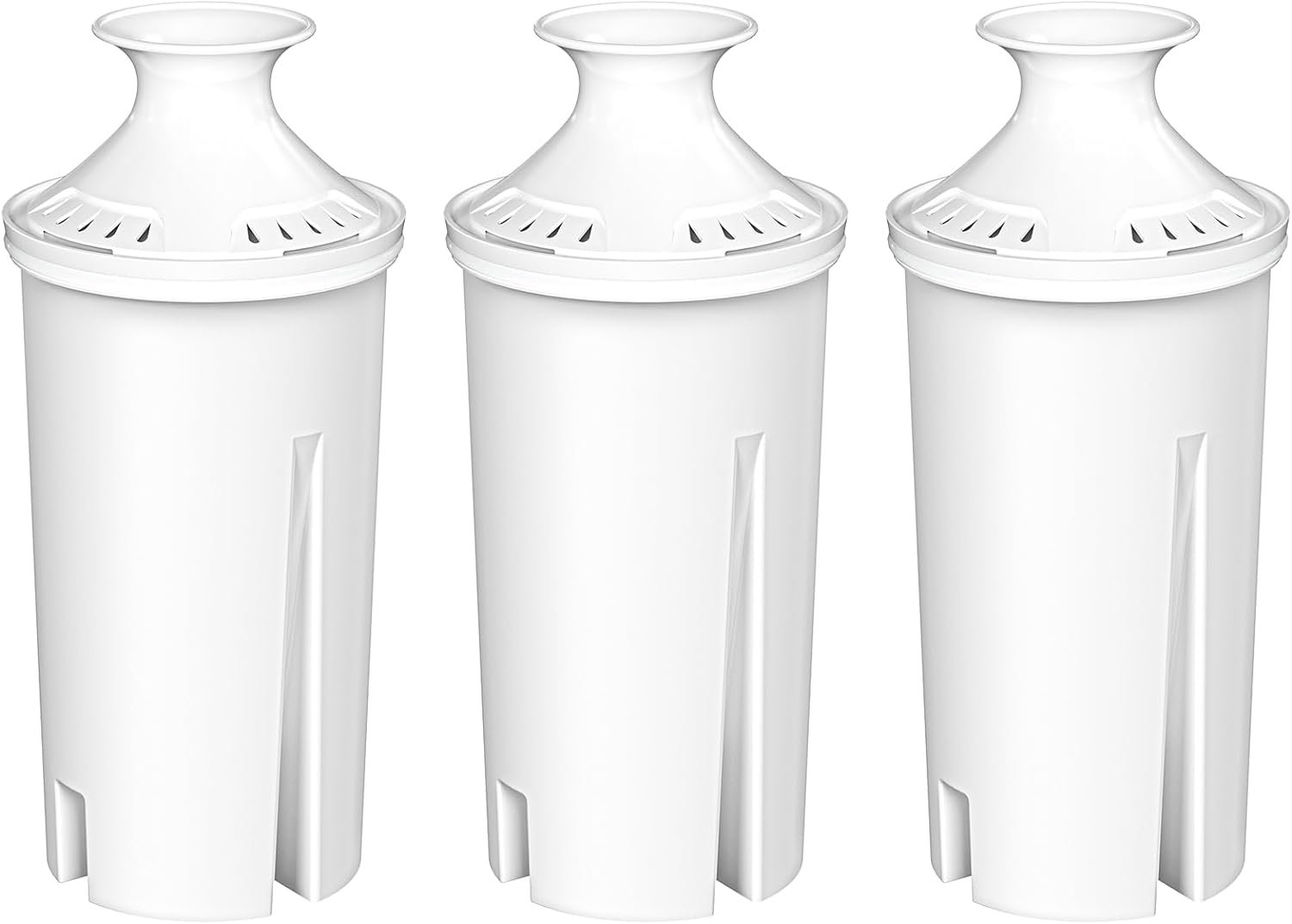
Fil‑Fresh’s 3‑pack replacement cartridges are a drop‑in option for many Brita‑style pitchers and dispensers, claiming NSF/ANSI 53 and 42 certification and BPA‑free construction. They’re intended to improve taste and reduce select heavy metals and chlorine odors, with each cartridge rated for about 2 months or 40 gallons under typical use.
Overview
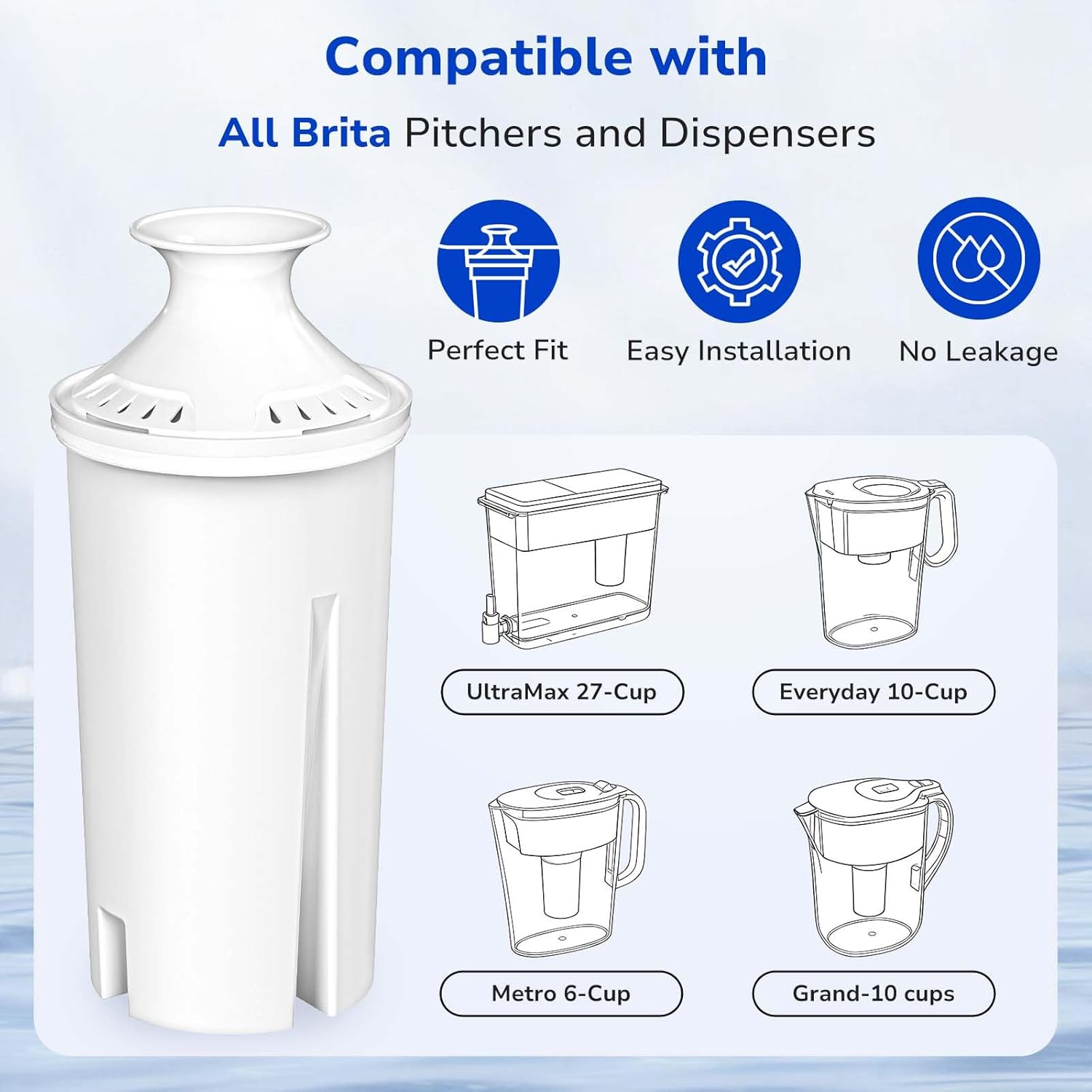
These replacement cartridges are designed for common pitcher and dispenser systems to restore filtration performance and improve water taste. The build uses BPA‑free materials and the filters are claimed to meet NSF standards for reducing certain contaminants.
They’re aimed at households, small offices, or anyone who prefers pitcher‑style filtration and wants a straightforward swap to refresh cartridges. If you’re comparing options, see our Fil‑Fresh 4‑pack replacement review for another format from the same maker.
Key Features
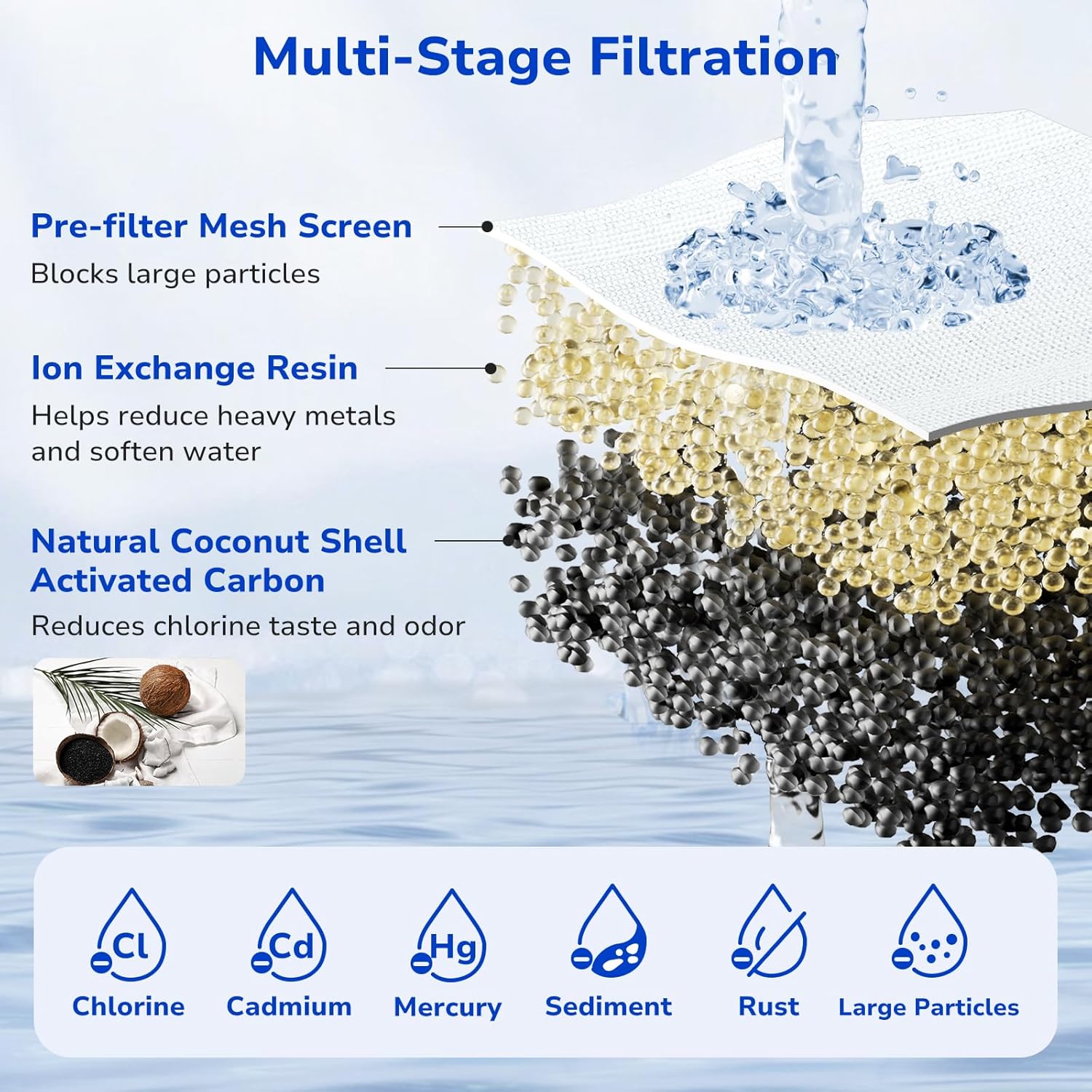
The cartridges are certified to NSF/ANSI 53 and 42, which correspond with reductions in certain heavy metals (cadmium, mercury, copper, zinc) and improvements in chlorine‑related taste and odor. That makes them practical for everyday drinking water where those are the primary concerns.
Construction is BPA‑free to reduce worries about material safety during storage, and the form factor is intended for pitcher and dispenser setups. Compatibility can vary by model and version, so confirm the cartridge fits your housing before purchasing.
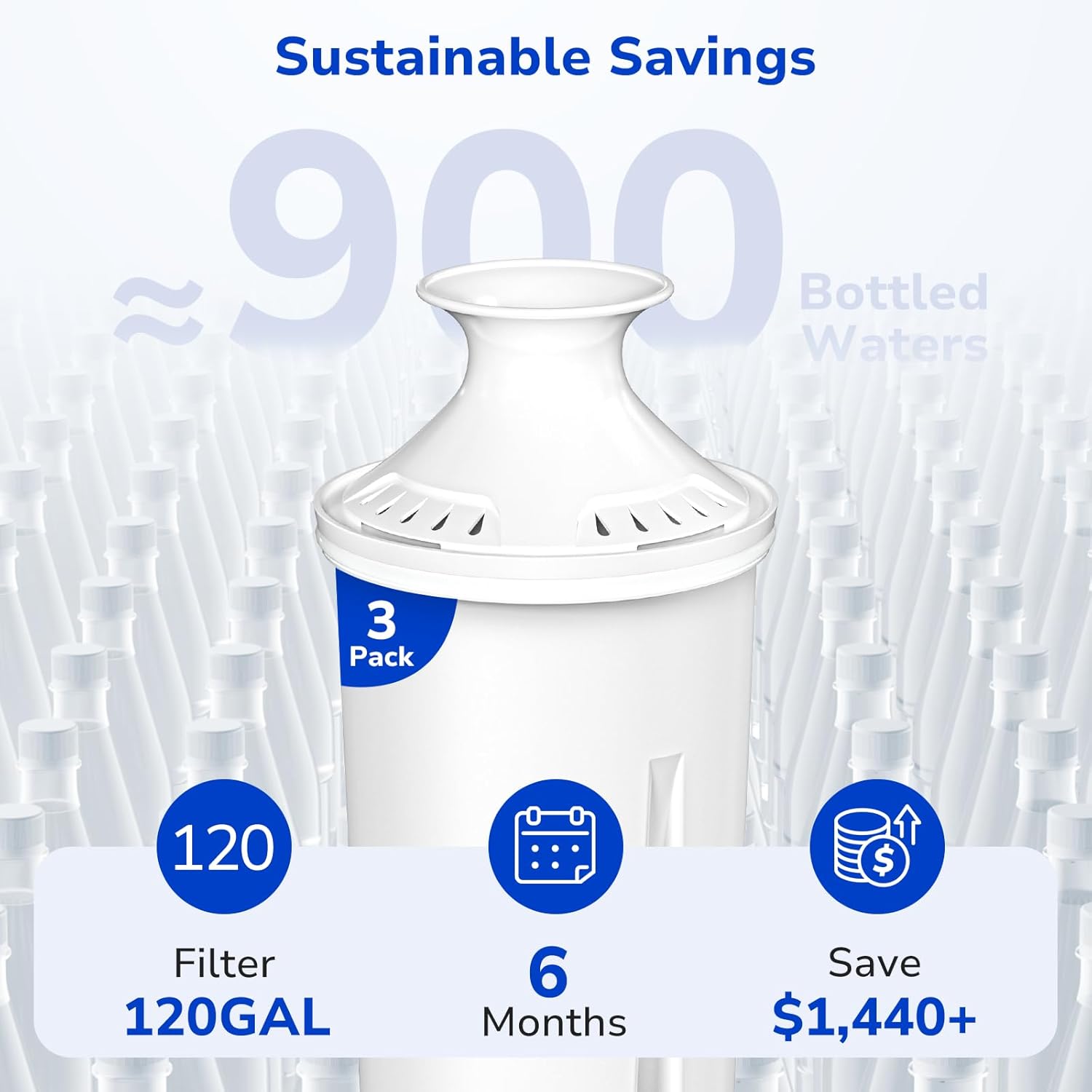
Each cartridge is rated for roughly 2 months or 40 gallons; actual life depends on your local water quality and usage habits, so plan replacements accordingly to keep flow and performance steady.
Real-World Performance
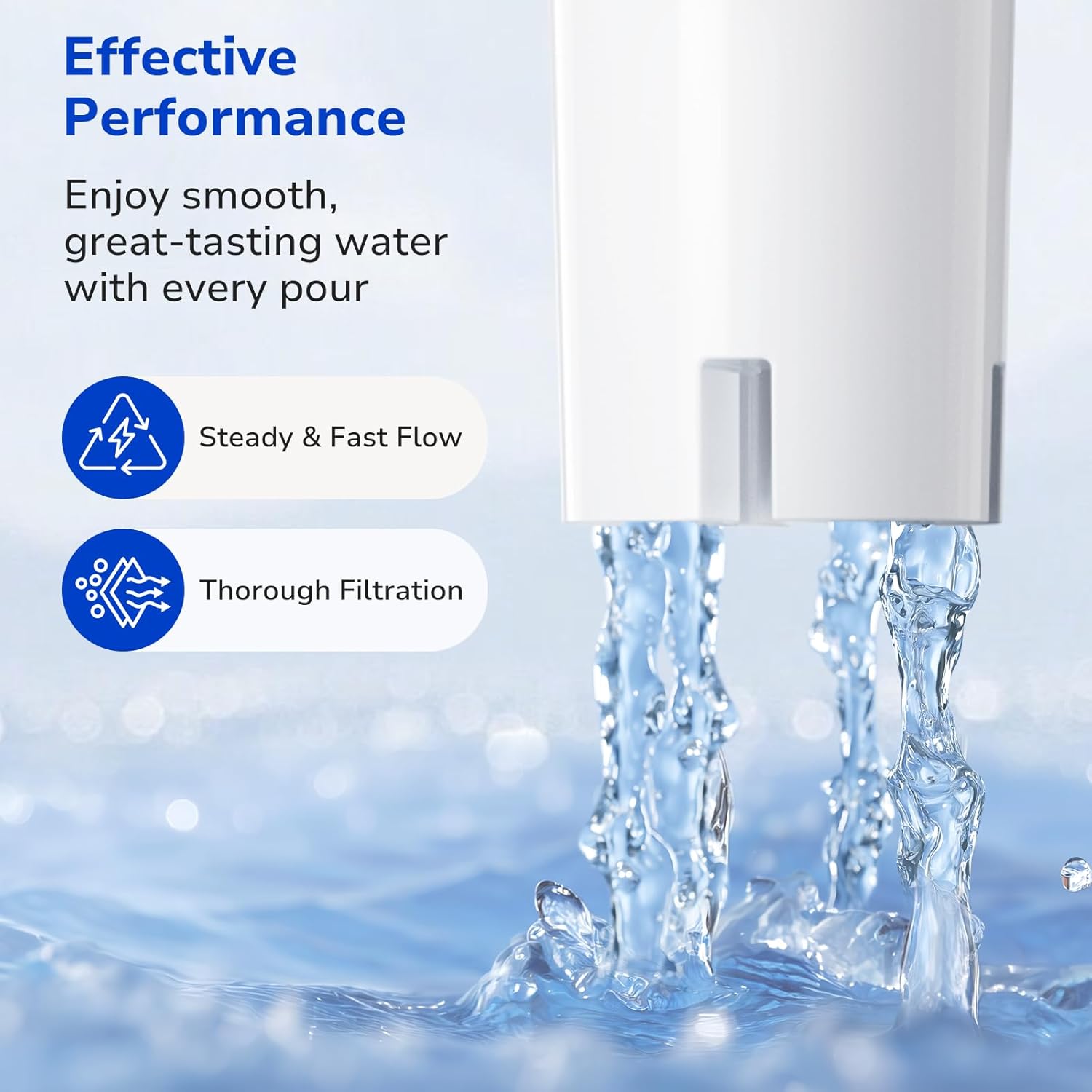
In everyday use these cartridges generally make tap water taste cleaner and reduce metallic or chemical off‑flavors; users report clearer water and acceptable flow rates for filling pitchers and dispensers. Output may slow as a cartridge reaches the end of its rated life.
Installation and initial conditioning are straightforward for most pitcher systems — a rinse and proper seating usually prevent leaks or airlocks. Remember these are point‑of‑use improvements rather than replacements for whole‑house treatment or microbiological disinfection.
Ease of Use and Maintenance
Installation is a simple drop‑in for compatible pitchers and dispensers; the cartridge seats into the reservoir without tools and priming a new unit is quick. A proper fit should feel secure and avoid unusual movement or leaks.
Maintain the pitcher by rinsing and cleaning lids and reservoirs with mild soap as needed, and never wash or disassemble the filter element itself. Rinse new cartridges before first use to clear loose carbon particles and prevent cloudiness.
Common signs it’s time to replace a cartridge include slower flow, visible discoloration, or a shift in taste; because longevity varies by water quality and usage, keep spares on hand and store unopened cartridges in a cool, dry place.
Pros and Trade-Offs
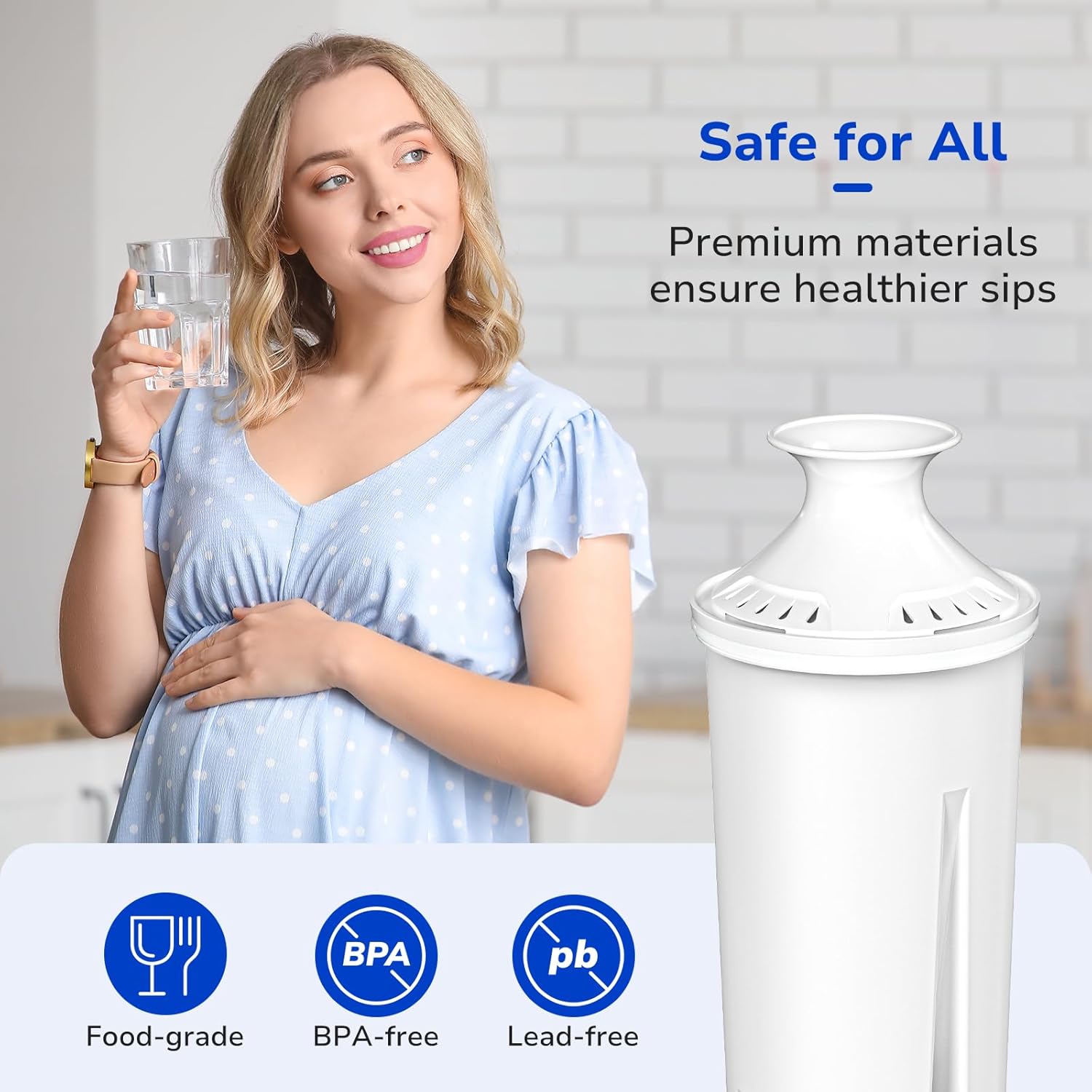
Pros include NSF certifications targeting both health‑related and aesthetic contaminants, BPA‑free materials, and the convenience of a multi‑pack to keep replacements on hand. Many users find installation and swapping to be straightforward with expected taste improvements.
Trade‑offs are the non‑universal compatibility with all pitcher housings, the fact that these cartridges do not address microbiological contamination, and the recurring cost of periodic replacements. If you need a different fit or broader treatment, compare alternatives and other Fil‑Fresh formats to find the best match for your needs.
Who This Product Is For

This pack is a fit for people who use pitcher‑style or countertop dispenser filtration and want an easy way to maintain drinking water quality without complex installation. Typical buyers are apartment dwellers, small families, or anyone who prefers a simple drop‑in replacement over under‑sink or whole‑house systems.
Avoid this pack if you require whole‑house treatment, specific contaminant removal not addressed by pitcher cartridges, or if your water demands were identified via testing as needing specialized filtration. In those cases a dedicated water analysis and a different class of filtration would be more appropriate.
As an Amazon Associate, I earn commission on qualified purchases.