Hydrogen Water Filter Pitcher | BPA Free SPE/PEM Jug
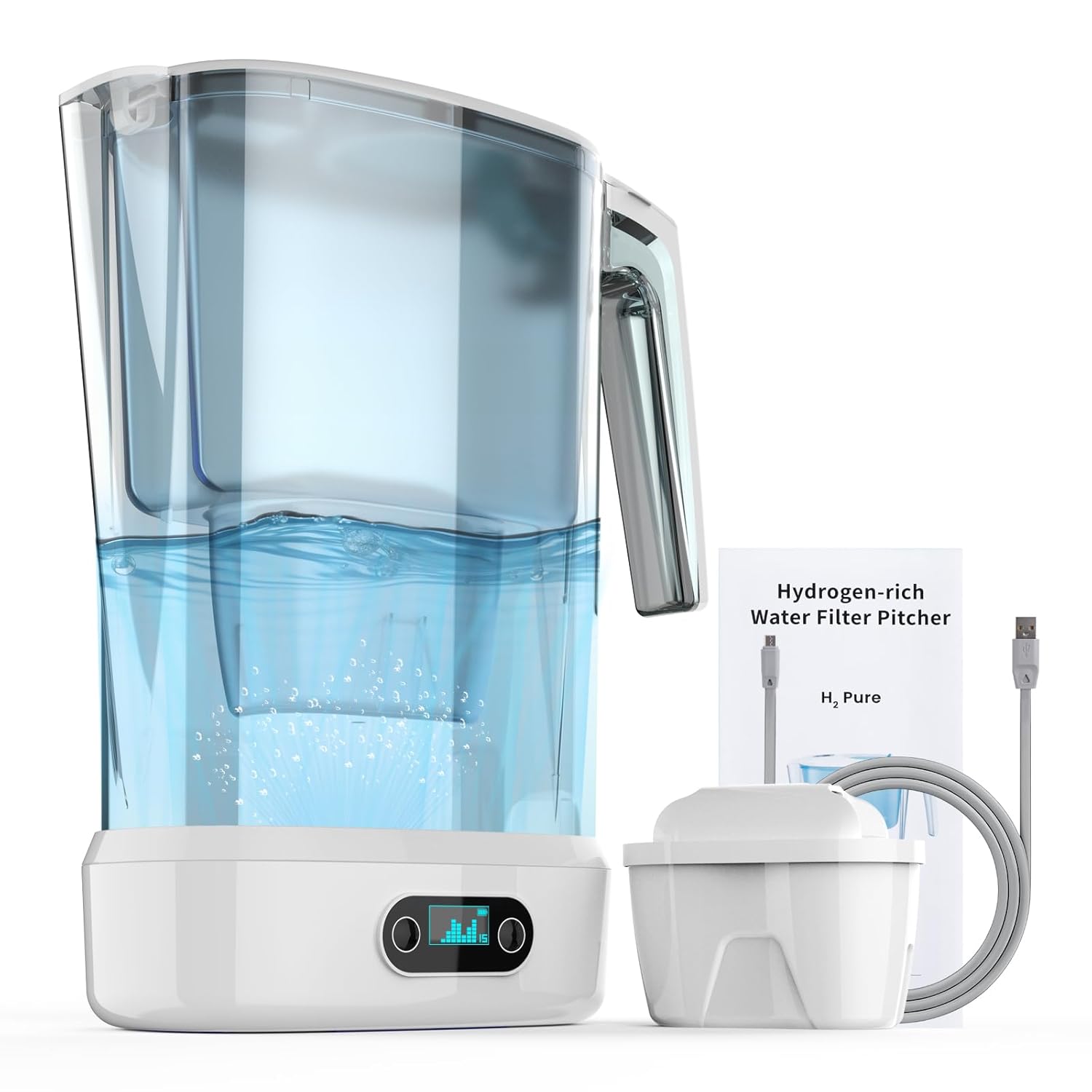
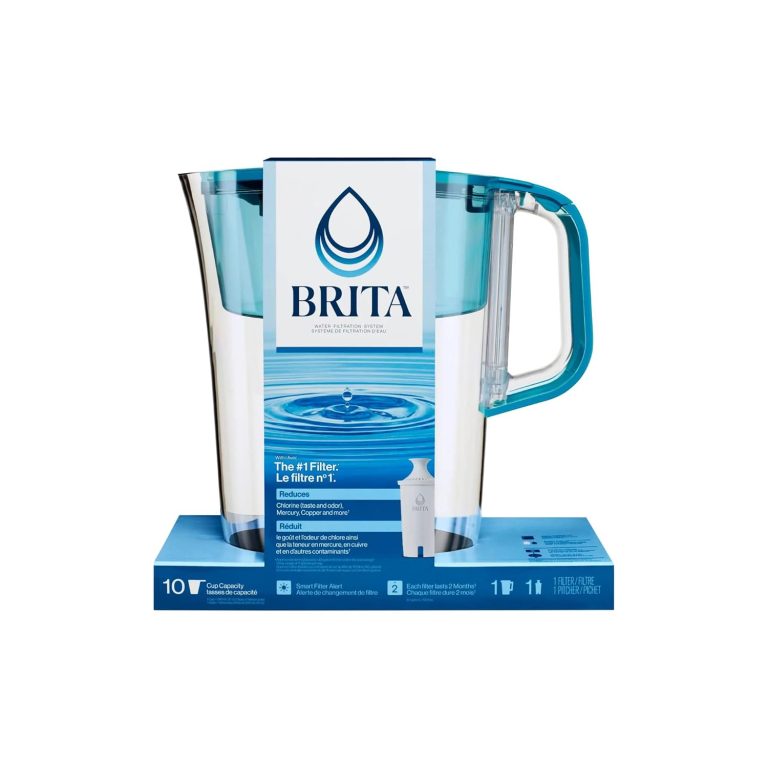
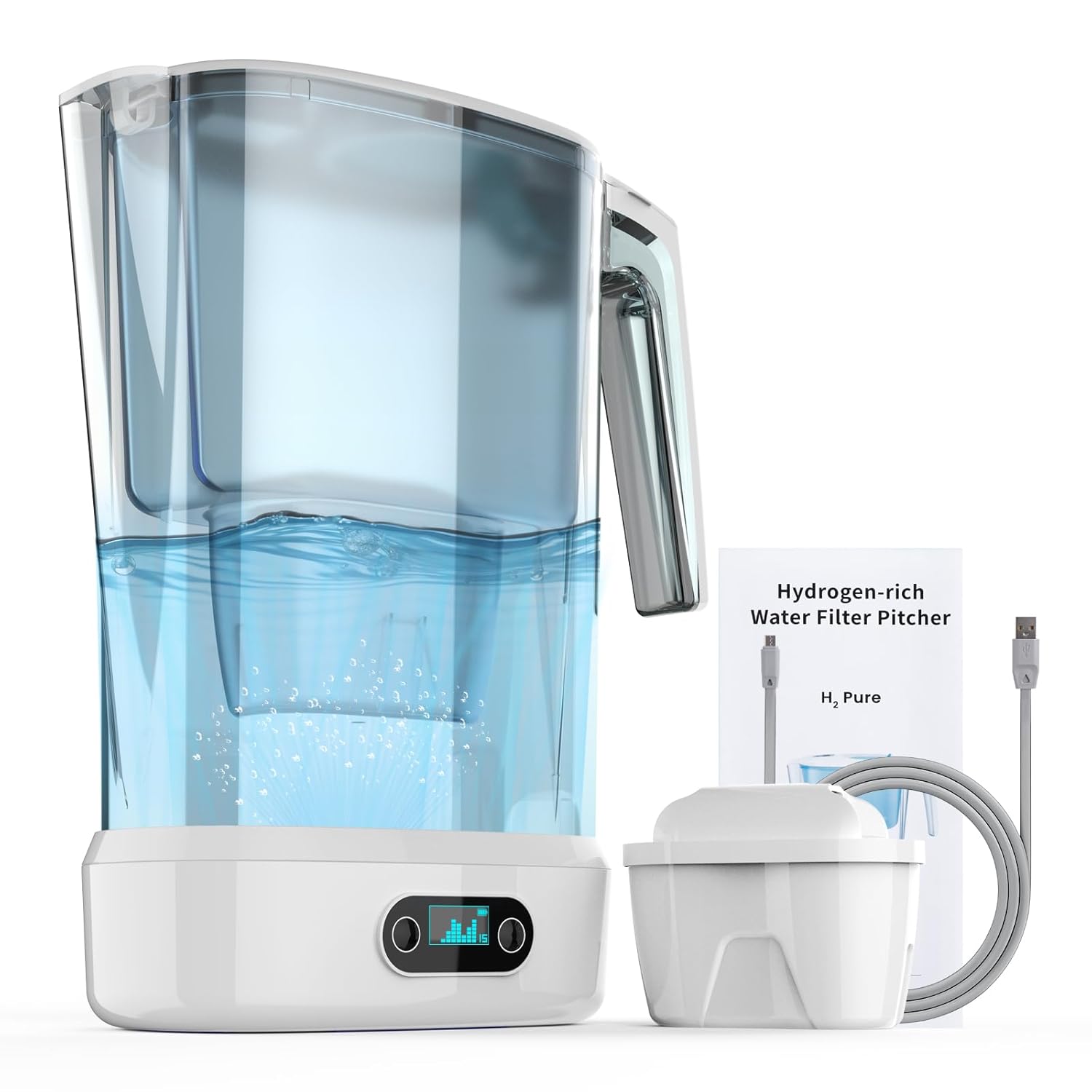
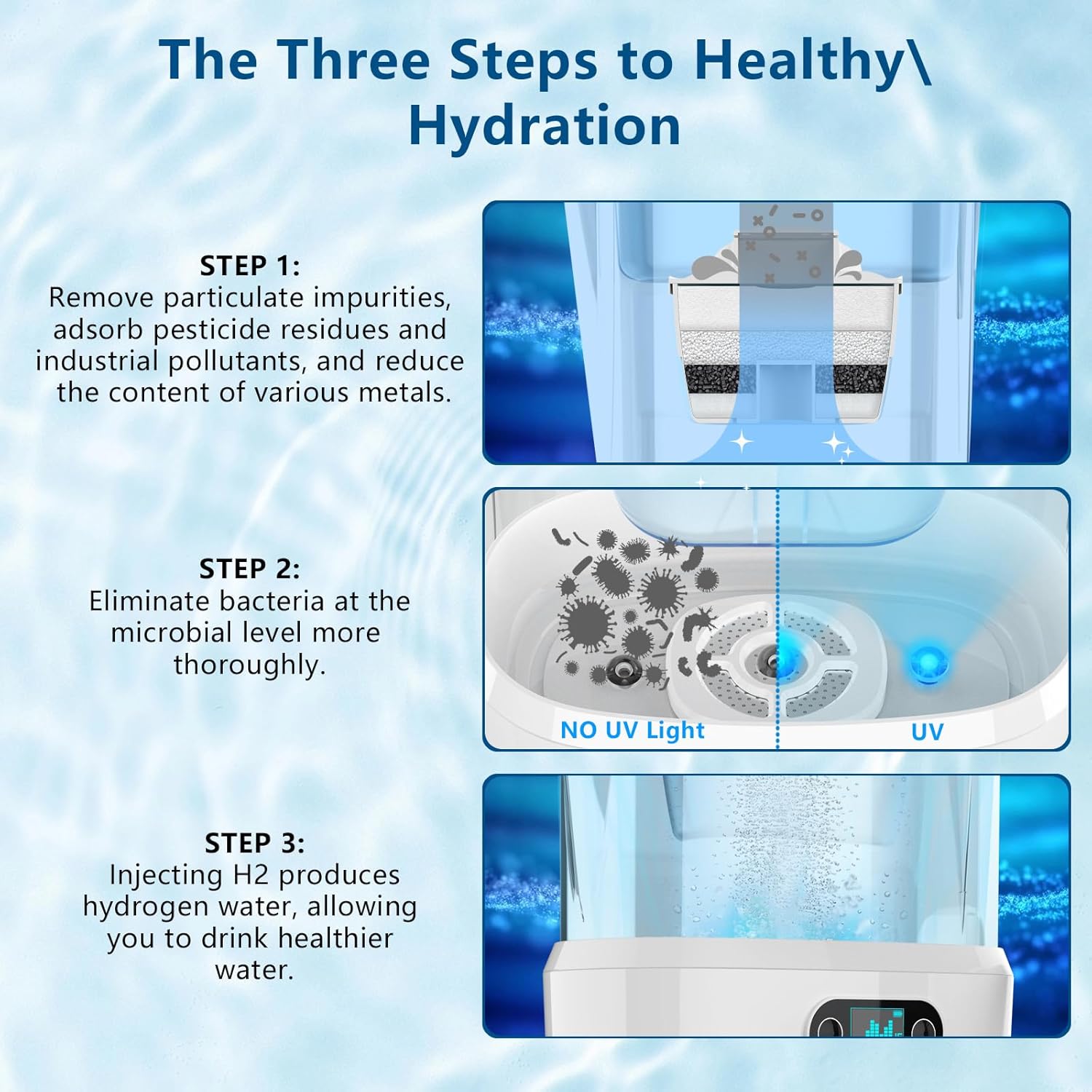
This BPA-free hydrogen water filter pitcher pairs advanced ultrafiltration with an onboard SPE/PEM electrolysis cell to reduce common tap-water contaminants while producing dissolved molecular hydrogen. It’s a portable countertop unit designed for households that want better-tasting, cleaner water plus the option of hydrogen enrichment without plumbing changes. Consider maintenance needs and cartridge life when deciding if the combined filtering and hydrogenation approach fits your routine.
Overview
This is a BPA-free countertop filtration jug that pairs an electrolysis chamber with advanced ultrafiltration to produce hydrogen-enriched drinking water while targeting common tap-water contaminants. It’s designed as a single, portable unit that doesn’t require installation and aims to improve everyday glass-poured water.
The system reduces substances that affect taste and clarity, such as chlorine and fine particulates, and is intended to lower levels of heavy metals and persistent chemicals like PFAS. At the same time it creates hydrogen-enriched water for users interested in that category of bottled or treated water, with specific performance varying by model/version.
Ideal buyers are households seeking an easy, non-plumbed way to upgrade kitchen water, people concerned about specific contaminants in municipal or well supplies, and anyone curious about hydrogen-enriched drinking water without buying multiple devices. If you’re exploring other portable options you can also compare features with a 14-oz portable hydrogen water bottle generator to see how countertop and bottle-style devices differ.
Key Features
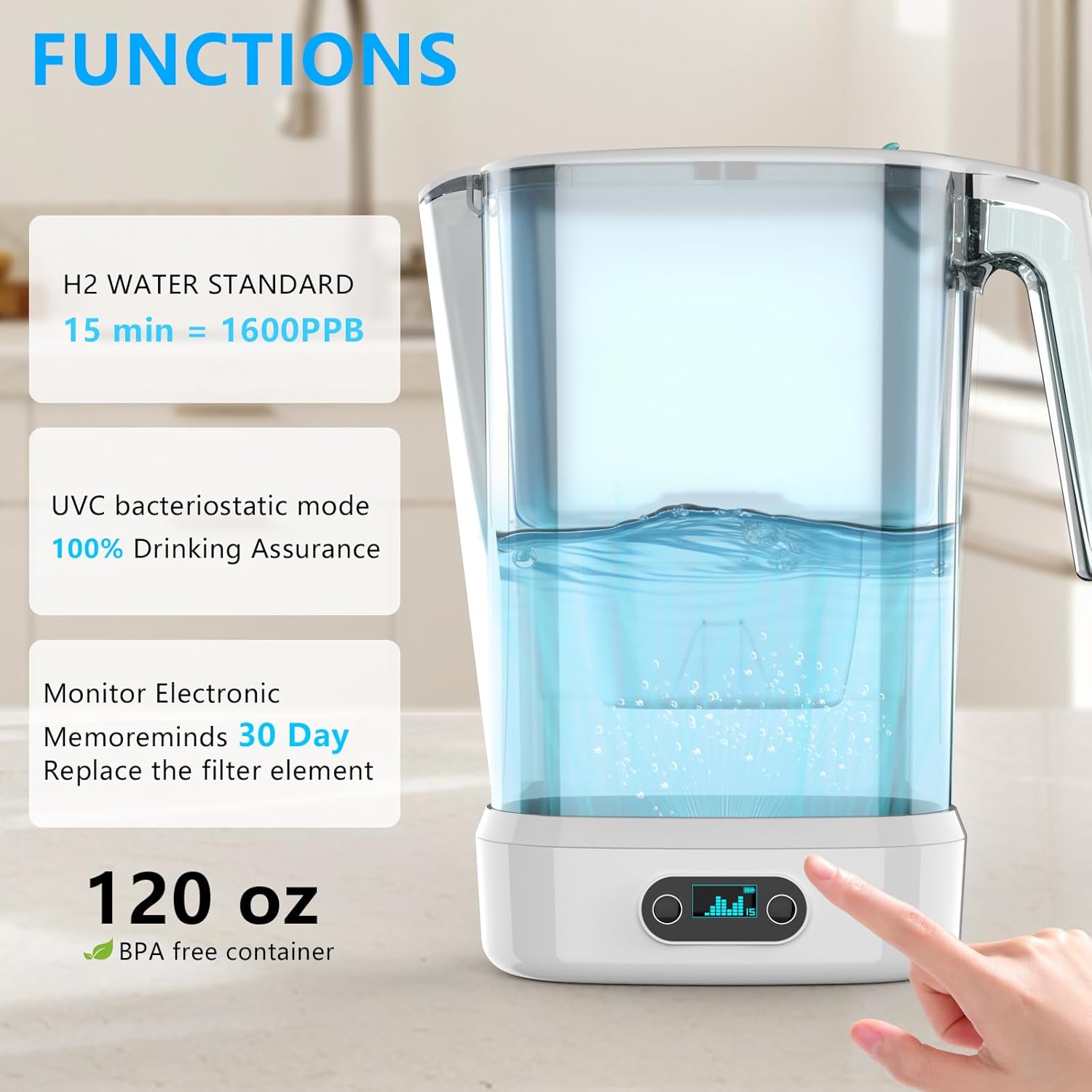
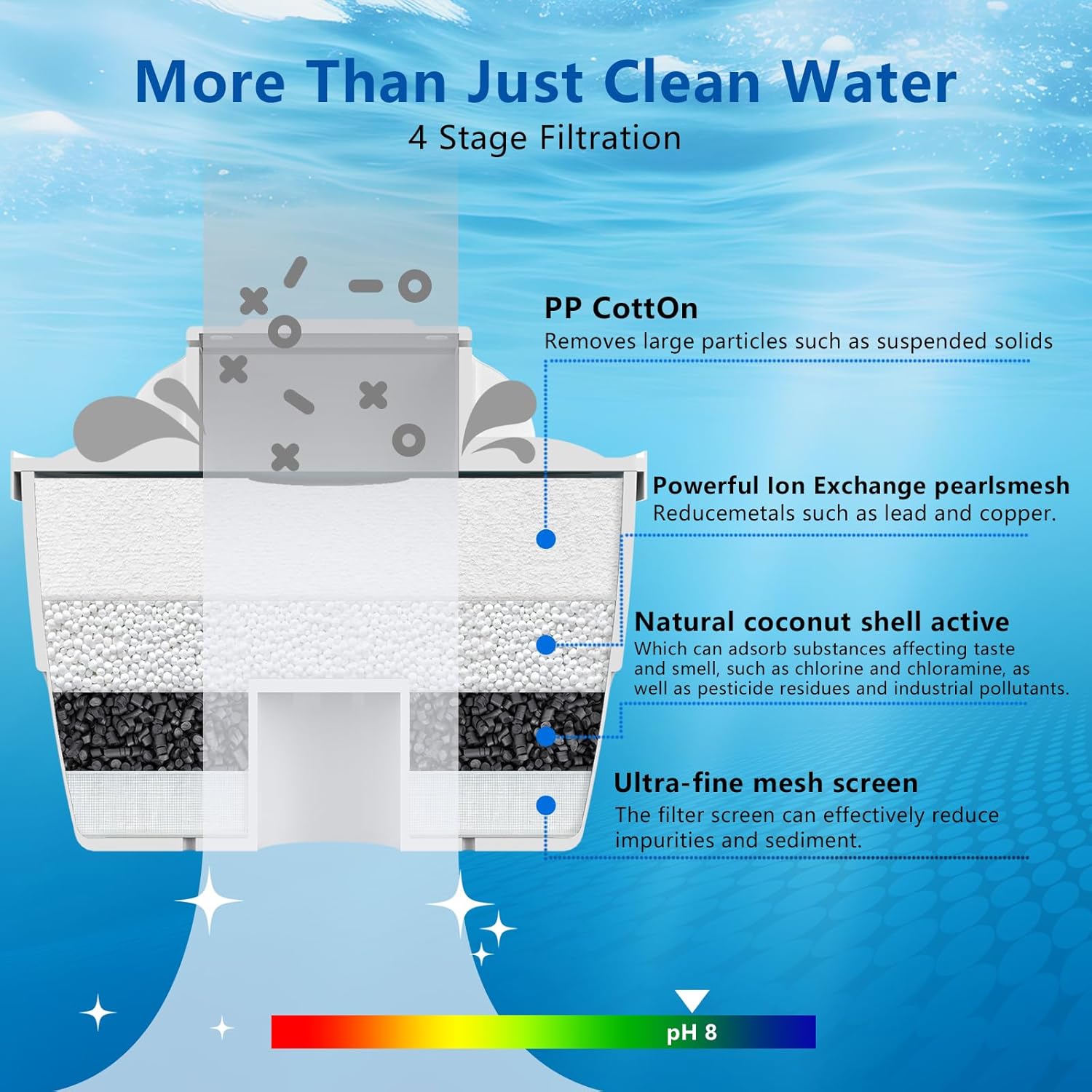
This pitcher combines a mechanical ultrafiltration stage with an onboard electrolysis cell to produce hydrogen-enriched drinking water while also addressing common tap-water contaminants. The filtration stage is described as advanced ultrafiltration, which helps improve clarity and taste by trapping fine particles before water reaches the electrolysis chamber.
Contaminant reduction focuses on substances that affect safety and flavor, including lead, microplastics, PFAS, and chlorine. Removing or reducing these compounds improves overall water quality and reduces the off-tastes and odors that many household sources can introduce.
The electrolysis unit uses a membrane-style approach (SPE/PEM) to generate dissolved hydrogen; this design is compact and built into the jug so no plumbing or external power modifications are necessary. The housing is BPA-free, which addresses consumer concerns about plastic contact with drinking water. If you’re comparing compact hydrogen generation approaches, you may find useful comparisons with portable PEM/SPE bottles that focus on single-serve convenience.
Real-World Performance
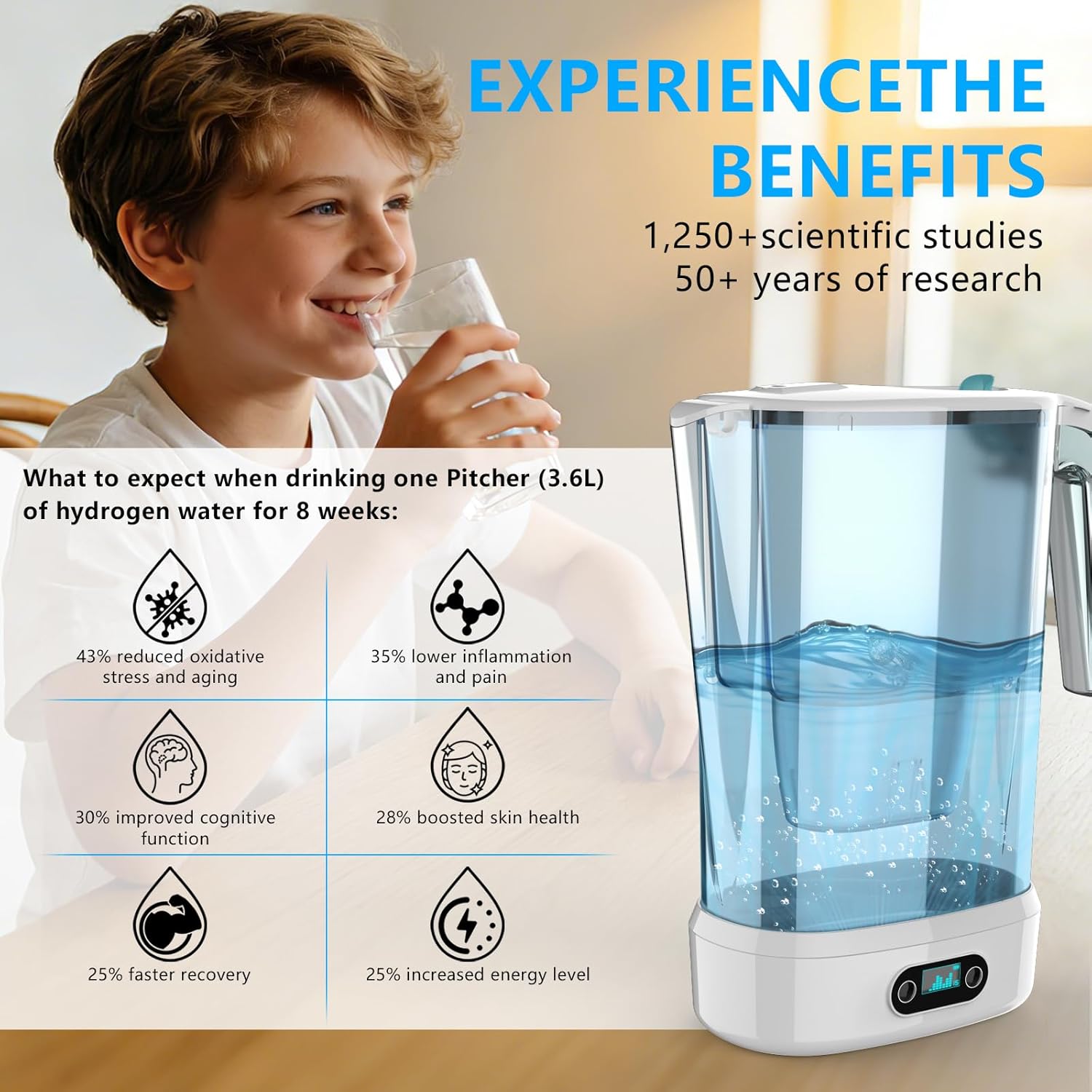
In everyday use the pitcher tends to deliver water with reduced chlorine taste and a cleaner mouthfeel for many households. The electrolysis step that enriches the water with dissolved hydrogen can produce a subtle sensory difference, but how noticeable that is will depend on the original tap quality and personal sensitivity.
The filtration stages help lower particulate load and common chemical tastes, yet actual contaminant removal in practice depends on source water characteristics, how often cartridges are changed, and which version of the unit you have. For certain persistent or high-level contaminants, whole-house treatment or lab testing may still be required to confirm safety.
Practical limitations include slower refill-and-run cycles compared with unfiltered pitchers and the ongoing need for replacement cartridges and power for the electrolysis function. As a countertop option it performs well for improving drinking water quality and taste for most users, but it shouldn’t replace municipal testing or dedicated remediation when there are known contamination issues.
Ease of Use and Maintenance
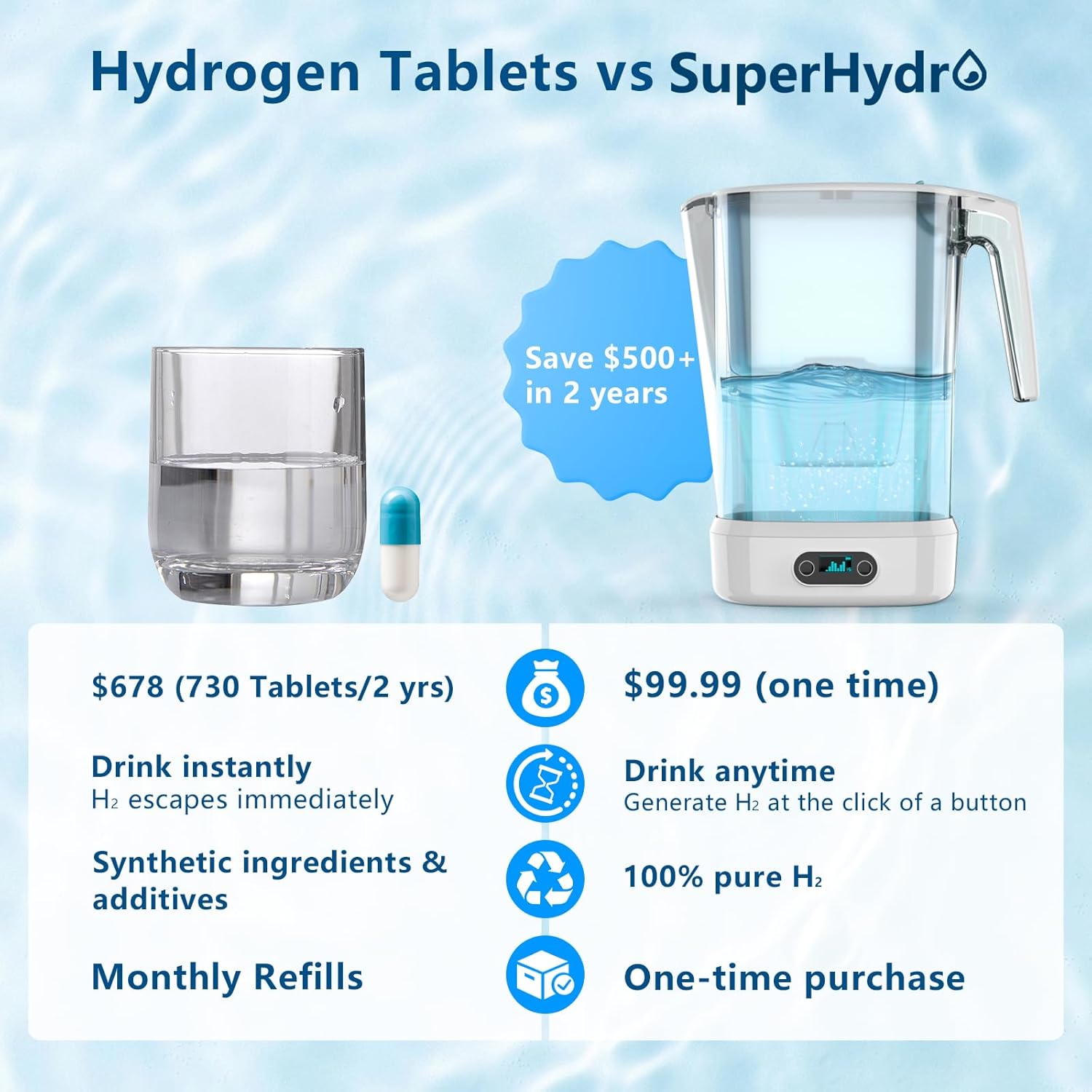
Out of the box the pitcher is straightforward to set up: remove packing, rinse the reservoir components, insert the cartridge, and follow the included priming instructions before first use. If the model includes an activation step or a power/charging requirement for the electrolysis function, those details vary by model/version and are explained in the manual.
Everyday operation is simple—refill from the top, pour from the spout, and keep the lid and filling area free of debris. Some versions include visual indicators to show when the hydrogen generation or filter status needs attention, while others rely on changes in taste or flow rate as cues to service the unit.
Cleaning is mainly hand-washing the reservoir and lid with mild soap and a soft cloth; avoid abrasive cleaners or scouring pads. The electrolysis module or any electronic components should not be submerged—wipe those parts gently and follow the manufacturer’s safety guidance. Whether parts are dishwasher-safe varies by model/version.
Filter replacements and routine upkeep depend on usage and water quality; replace cartridges according to the manufacturer’s recommendations or when you notice reduced flow or altered taste. Keep spare cartridges on hand if you rely on the unit daily, perform occasional deeper cleans as suggested in the manual, and store the pitcher dry when not in use to prolong seals and internal components.
Pros and Trade-Offs
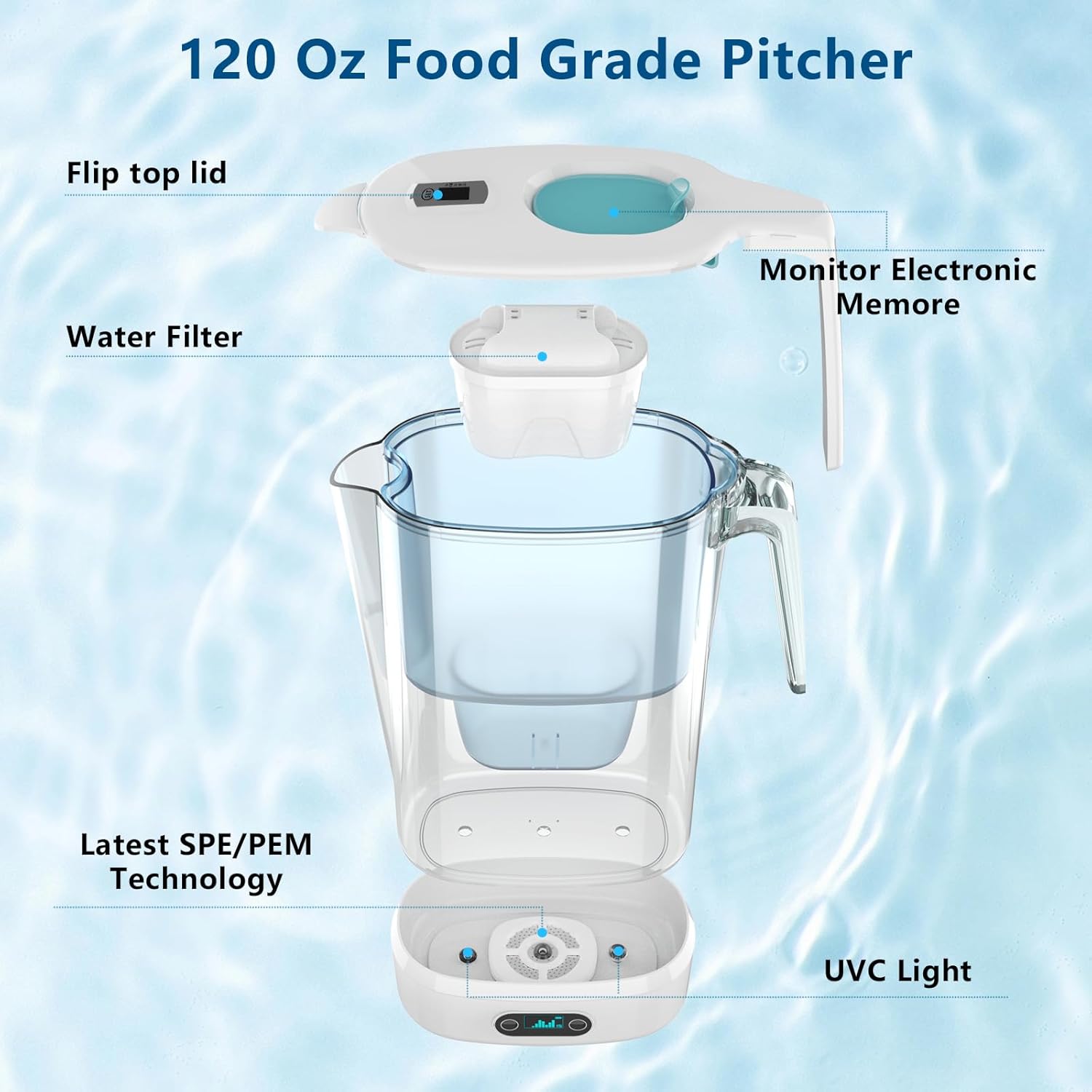
This unit pairs mechanical ultra-filtration with an electrolysis stage, so it both reduces common contaminants such as lead, microplastics, PFAS and chlorine and produces hydrogen-enriched water. The use of BPA-free construction and a SPE/PEM electrolysis approach are practical pluses for those who want fewer plastics in contact with drinking water and a controlled hydrogen generation method. In everyday use most users will notice improved taste and fewer odors compared with untreated tap water.
There are trade-offs to consider. The electrolysis function requires power, and the pace of producing hydrogen-rich water can be slower than pouring from a standard gravity filter; performance and throughput vary by model/version. Filters and electrolysis components need periodic replacement and occasional cleaning, which creates ongoing costs and upkeep that are higher than for simple carbon-only pitchers.
Overall, this option makes sense for someone who values contaminant reduction plus the added feature of hydrogenation, provided they accept the added maintenance and potential upfront cost. If low maintenance, high volume dispensing, or the lowest possible purchase price are priorities, a simpler filtration solution may be a better fit.
Who This Product Is For
This pitcher is a good fit for health-conscious individuals and small households who want cleaner-tasting tap water and the option of hydrogen-enriched drinking water. It appeals to people concerned about contaminants commonly found in municipal or older-home plumbing—such as lead, microplastics, PFAS and chlorine—and who prefer a compact, countertop filtration solution rather than under-sink or whole-house installations.
It’s less suitable for shoppers who need very large daily volumes, require whole-home treatment, or who demand lab-certified remediation for a specific industrial contaminant; those situations usually call for point-of-entry systems or professionally specified equipment. Likewise, buyers seeking a truly maintenance-free, disposable product should look elsewhere, because filter replacement and basic upkeep are part of ownership and vary by model/version.
Overall, this is aimed at users who want a convenient, all-in-one pitcher that combines fine filtration with electrolysis-based hydrogen enrichment, provided they’re willing to follow recommended maintenance and monitor replacement filter availability. If you’d like to compare single-serve hydrogen options for travel or individual use, check out the portable hydrogen water bottle generator for differences in capacity and portability.
As an Amazon Associate, I earn commission on qualified purchases.