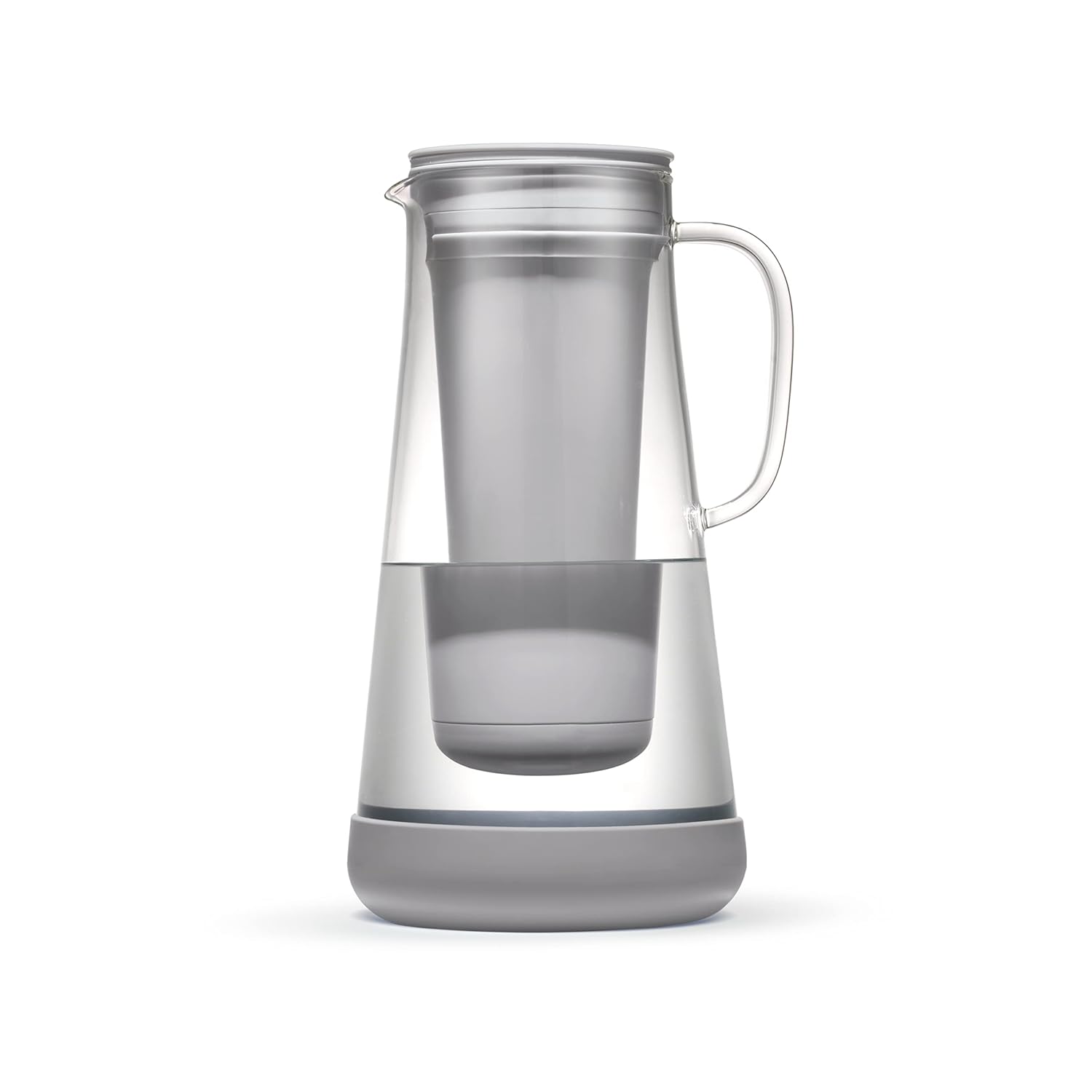
LifeStraw Home Water Filter Pitcher, 7-Cup Glass Pebble
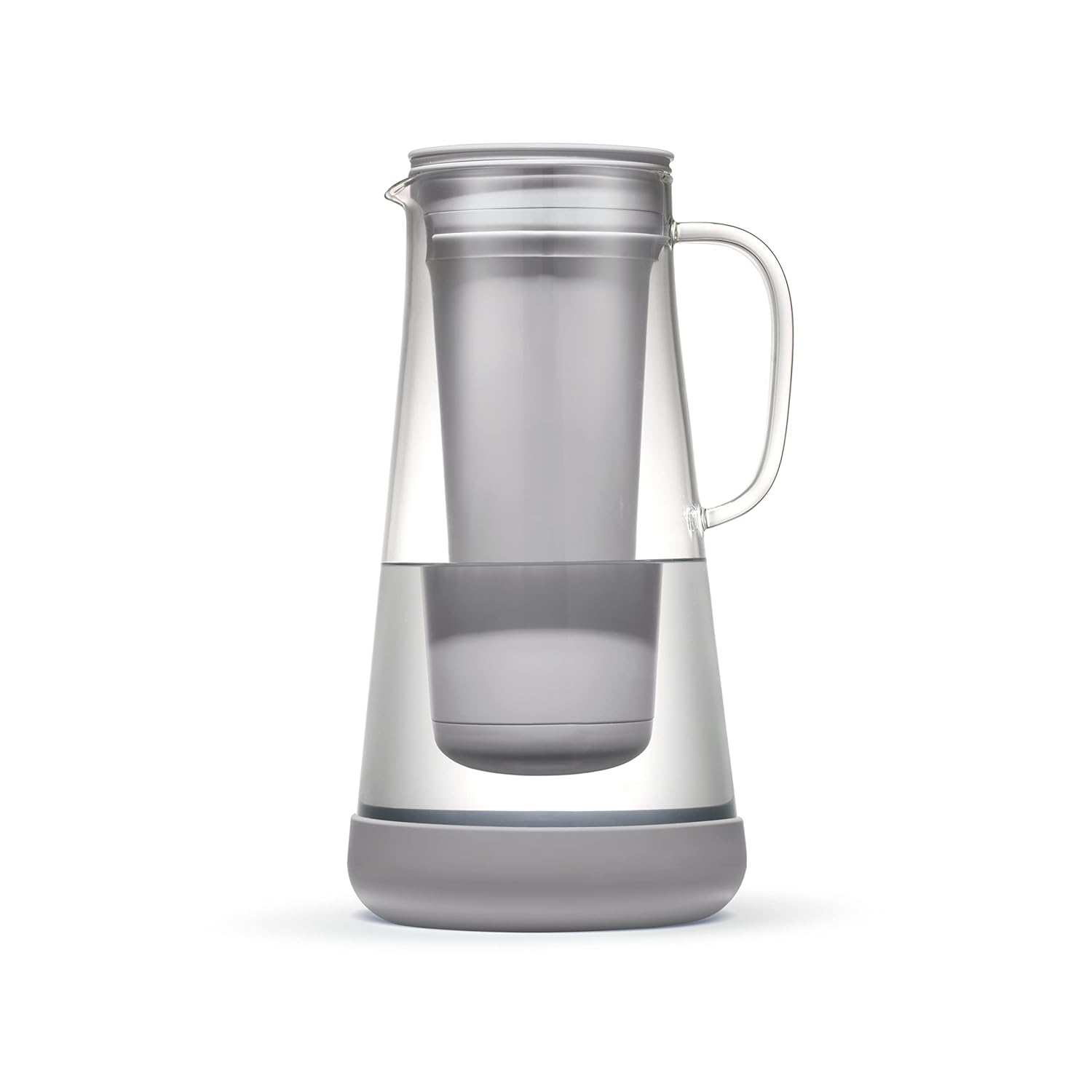
LifeStraw’s 7-cup glass pitcher pairs a replaceable filter cartridge with a glass reservoir and silicone base to give households an attractive, no-plumbing option for improving tap water. It’s designed to reduce a wide set of everyday contaminants and aims to deliver better-tasting water with straightforward upkeep and periodic cartridge changes.
Overview
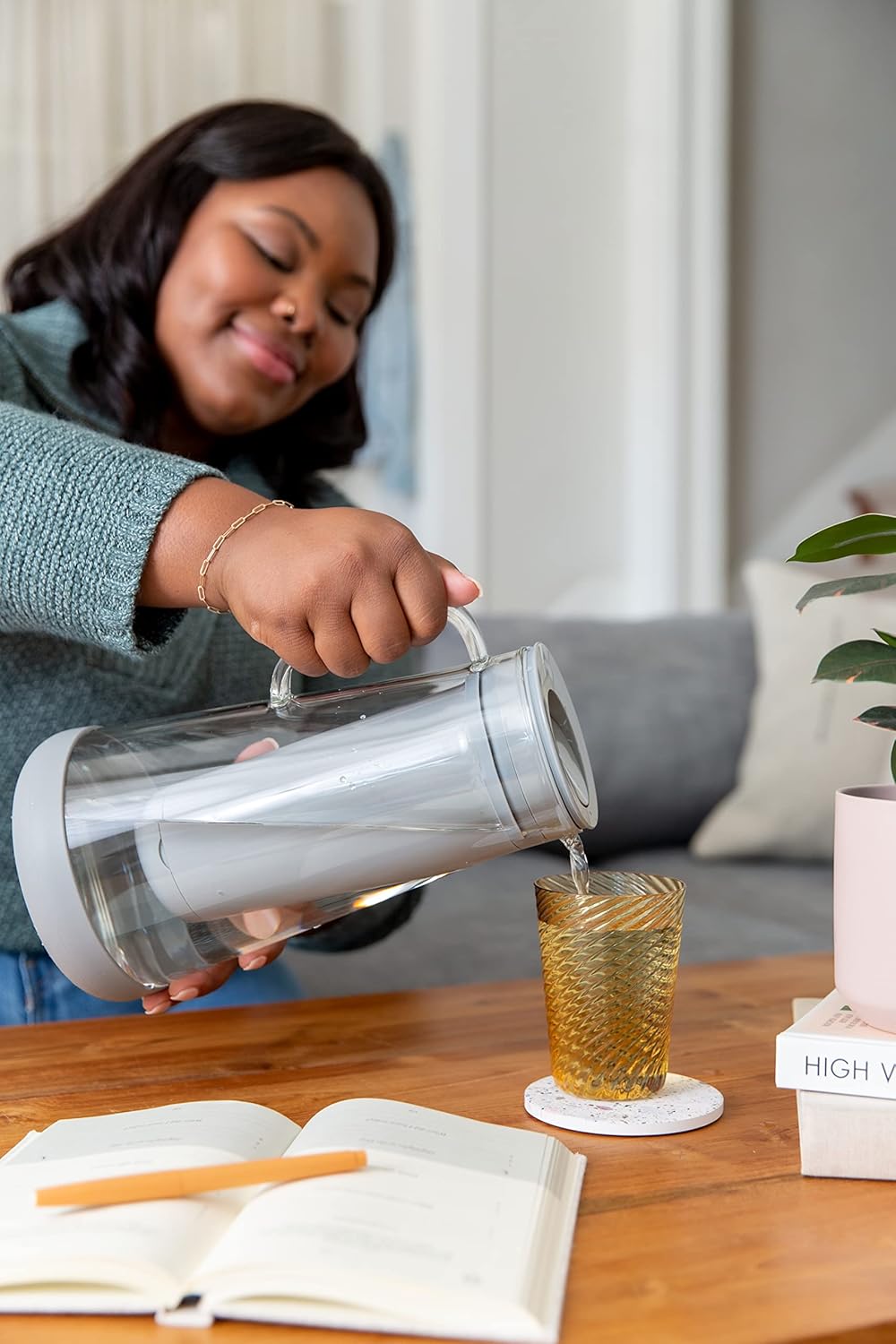
This counter-top pitcher combines a glass reservoir with a soft silicone base so it sits stably on a counter or in a fridge while keeping water tasting neutral. It’s intended as an easy point-of-use option for people who want to remove or reduce a broad range of concerns — from microbes and microplastics to certain heavy metals and PFAS — without installing permanent plumbing fixtures.
Replacement cartridges are required for ongoing performance, so buyers should factor cartridge availability and cost into ownership. The unit is best thought of as everyday protection and taste improvement rather than a substitute for professional-grade treatment of seriously contaminated sources.
Key Features
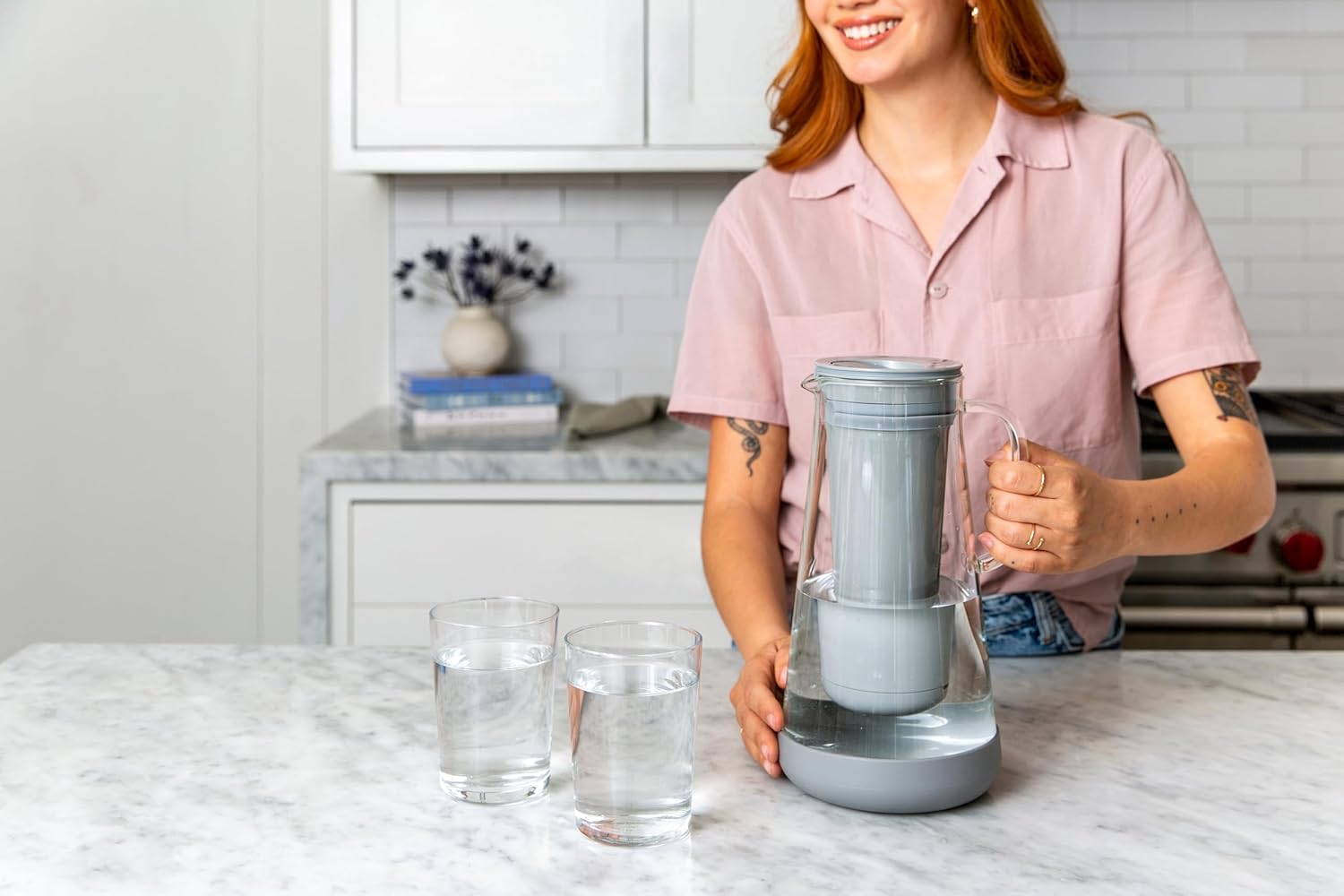
The glass body resists staining and helps prevent plastic aftertaste, while the silicone base protects surfaces and reduces slipping. Filtration is positioned to address a wide set of contaminants including biological hazards, microplastics, heavy metals and persistent chemicals, though exact reductions depend on the cartridge version and incoming water quality.
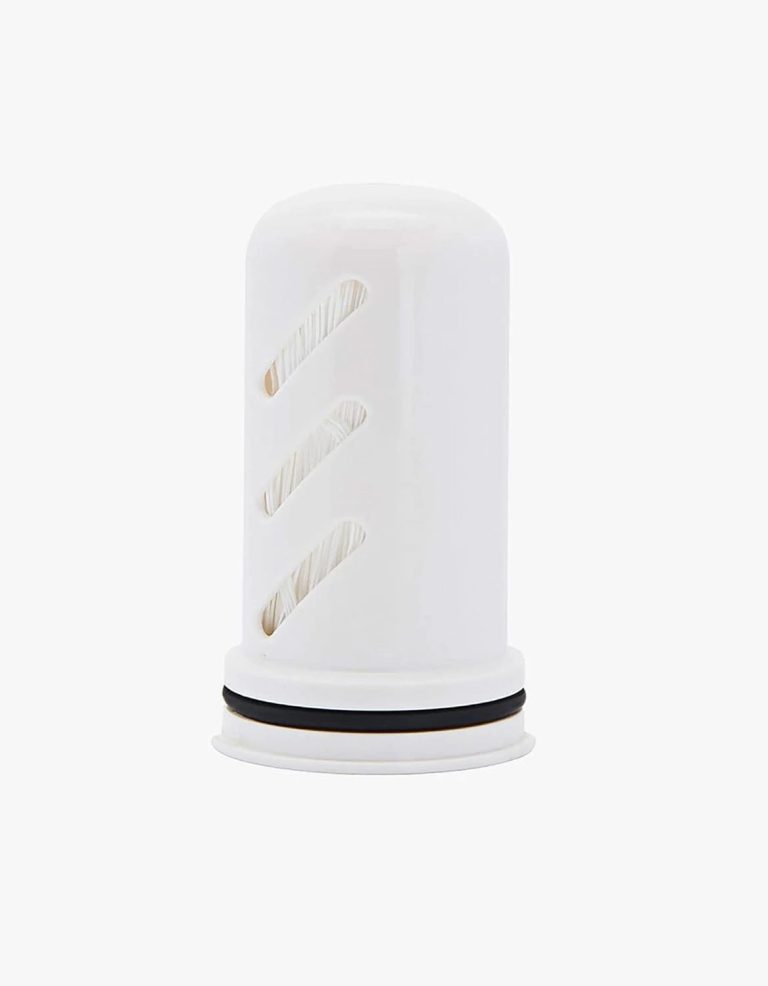
The pitcher uses a replaceable cartridge that typically combines particulate filtration with carbon-based treatment; see the manufacturer’s data and independent testing for specifics. If you want to dive deeper into the filter media, LifeStraw’s activated carbon + ion exchange filter description is a useful reference for how chemical and metal reduction is achieved.
Real-World Performance
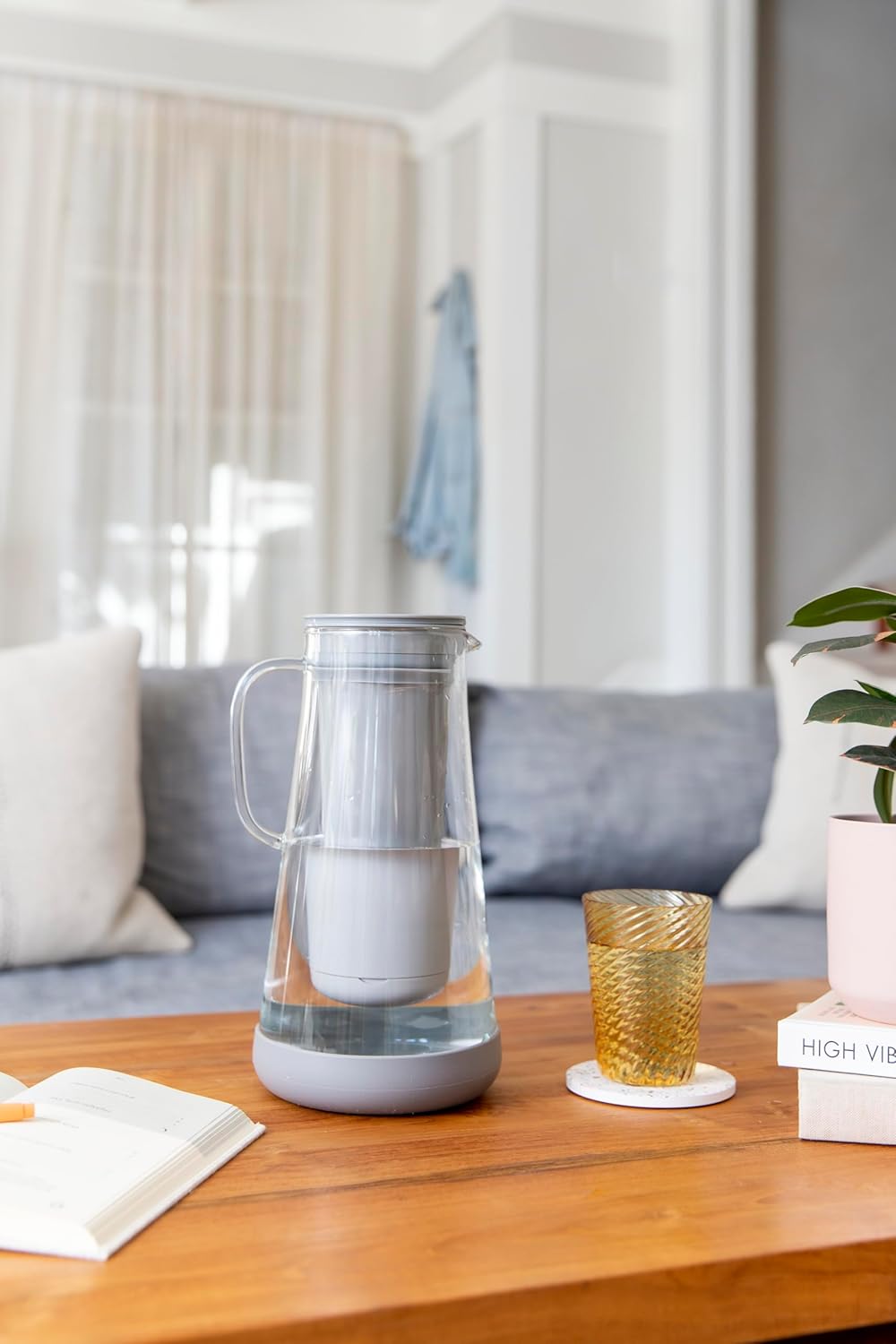
In routine kitchen use the pitcher generally delivers noticeably better-tasting water and fewer visible particulates compared with unfiltered tap water. Users commonly report reduced chlorine odor and a cleaner mouthfeel after a few fills, and the glass reservoir helps avoid plastic notes that sometimes occur with plastic-bodied pitchers.
Flow rate is suitable for everyday refilling but can slow with high sediment or when the cartridge approaches end-of-life. Remember that pitcher systems are for point-of-use taste and contaminant reduction, not for desalination or treating biologically unsafe source water — check the specific cartridge certification and third-party test data if you require verified performance for certain contaminants.
Ease of Use and Maintenance
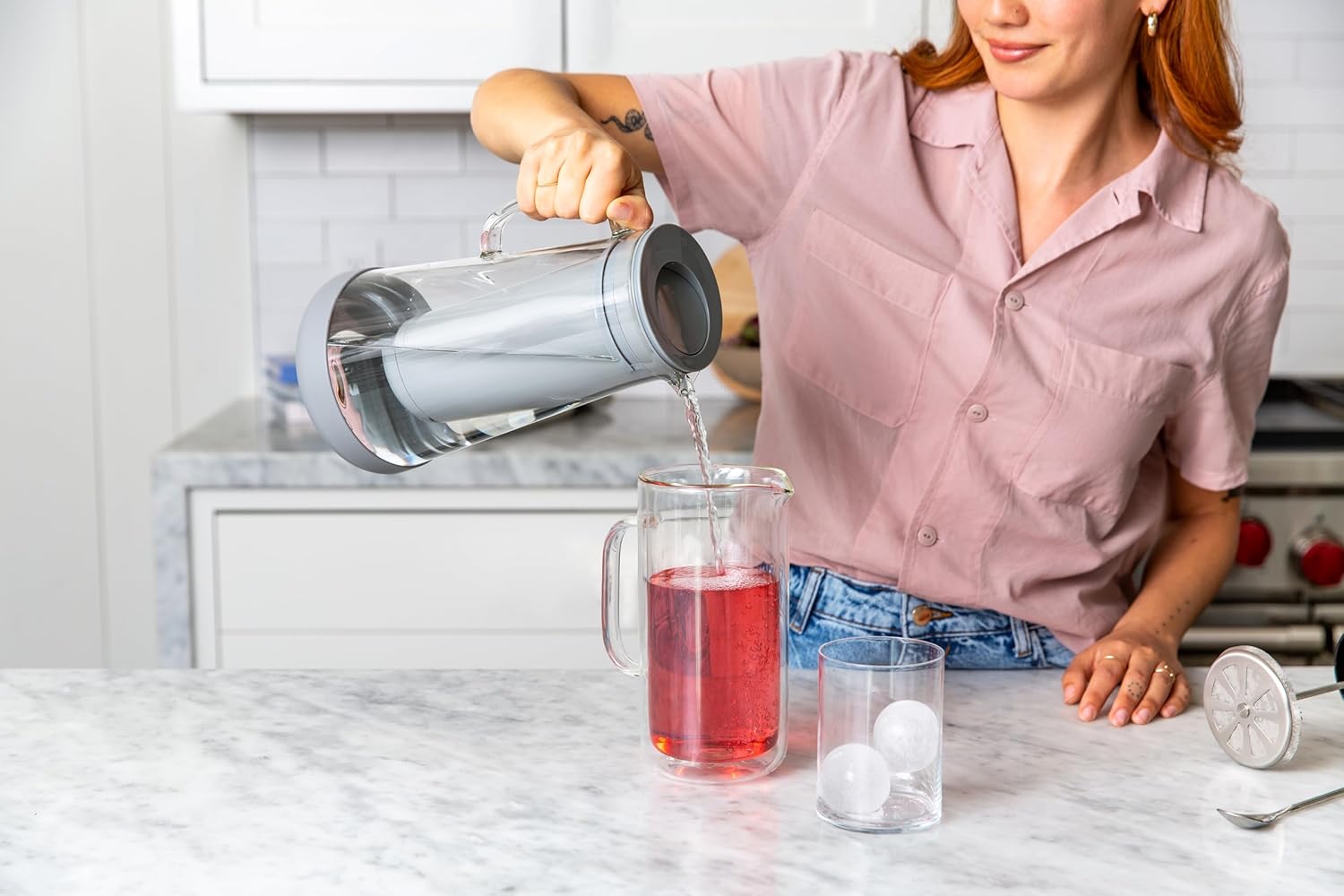
Setup out of the box is simple: follow the included priming/flushing steps and you’re ready to go. The transparent glass body makes it easy to see fill levels, and the lid and reservoir are designed for straightforward daily refills and pouring without a learning curve.
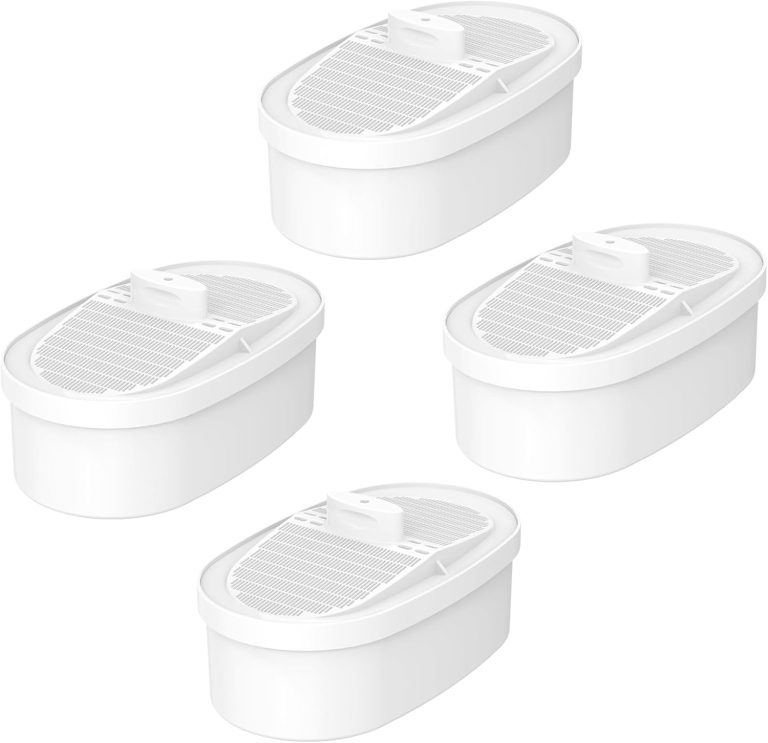
Cleaning is easy when done regularly — the glass carafe wipes or washes by hand and removable components can be cleaned with mild soap and water. Replacement cadence depends on usage and source water; for guidance on cartridge options and multi-month supplies, see the one-year replacement pack review to estimate ongoing costs and logistics.
Pros and Trade-Offs
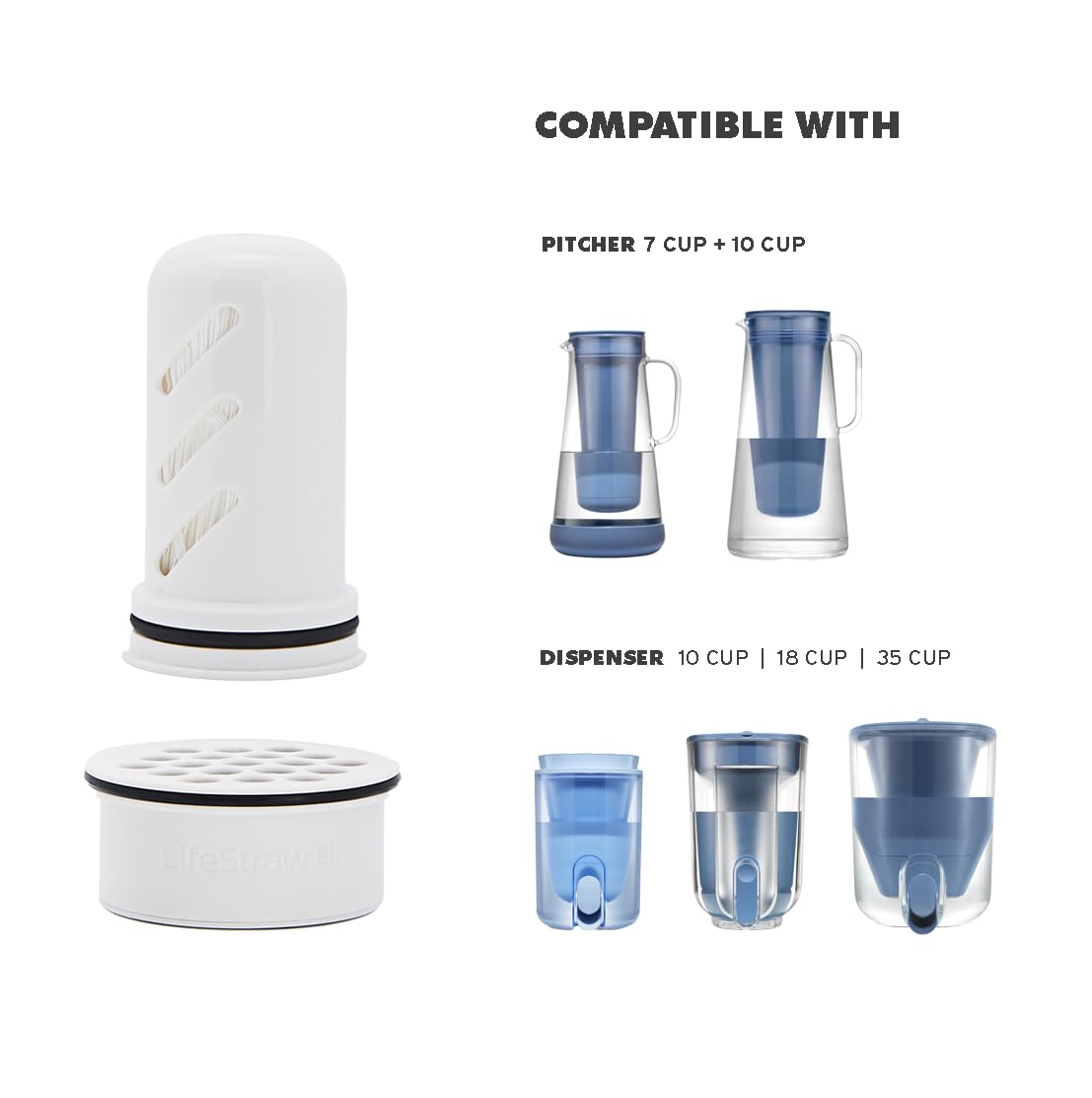
The glass construction and silicone base give a cleaner, more upscale look than many plastic pitchers, and the filtration element is intended to address a broad set of everyday contaminants. In daily use it’s simple to operate: fill the top reservoir and let the cartridge treat the water.
Trade-offs include the added weight and breakability of glass, slower flow compared with unfiltered tap water, and the need to budget for replacement cartridges. It’s a point-of-use solution rather than a whole-house or emergency decontamination system, so consider alternatives if you need higher volume, rugged portability, or continuous whole-home treatment.
Who This Product Is For

This pitcher suits small households, renters, and anyone who prefers a visible glass reservoir and countertop-friendly aesthetics — the glass-and-silicone model is especially appealing if you want to avoid plastic contact with your stored water. It’s a practical choice for families and individuals looking for a balance of taste improvement and contaminant reduction without permanent installation.
It’s not ideal for those who need very high flow, whole-house treatment, or medical-grade purification. If you prioritize portability, minimal upkeep, or continuous point-of-entry treatment, consider systems designed for those specific needs.
As an Amazon Associate, I earn commission on qualified purchases.