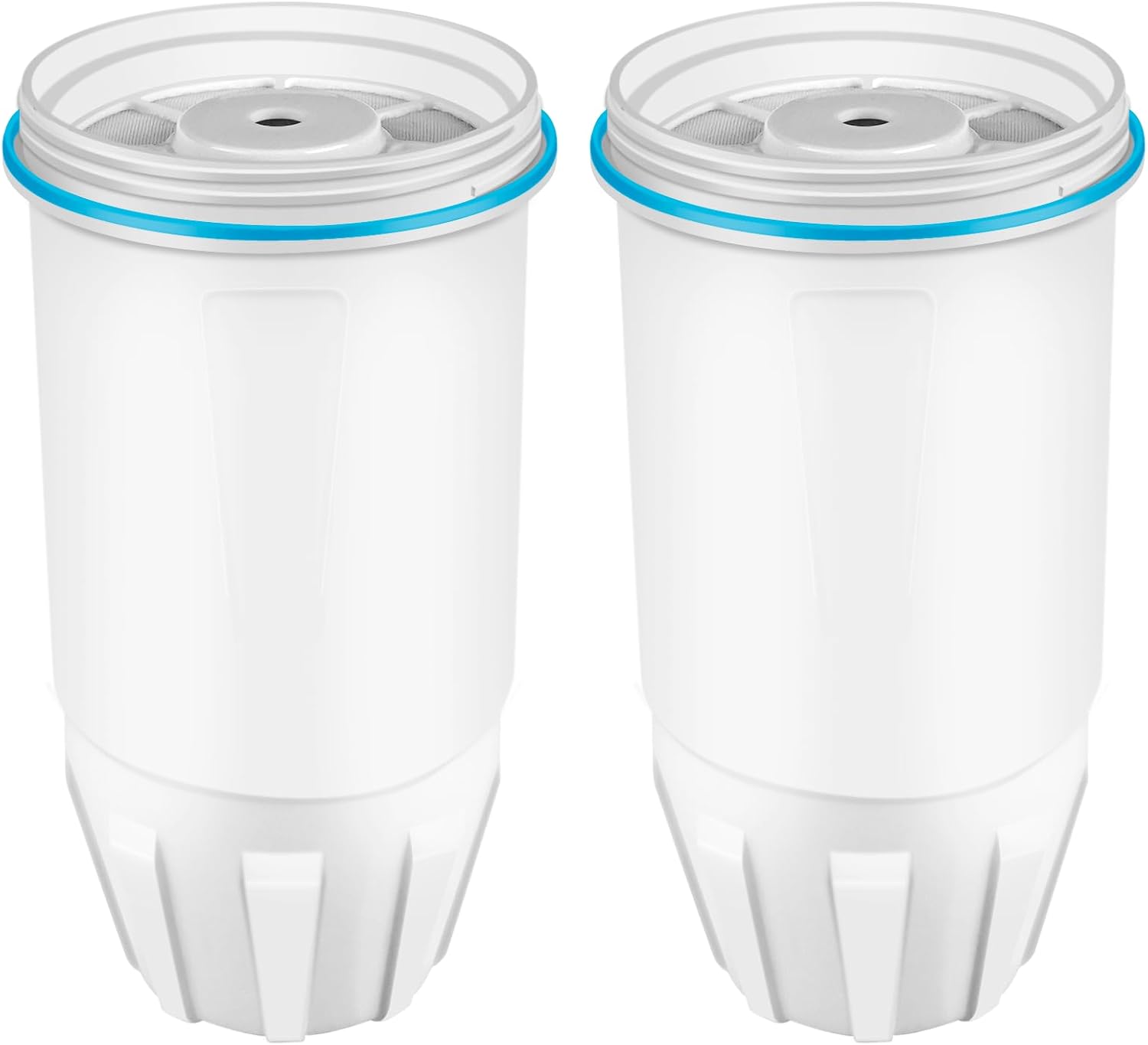
APPLIANCEMENTS Water Filter Replacement, 2-Pack Filters
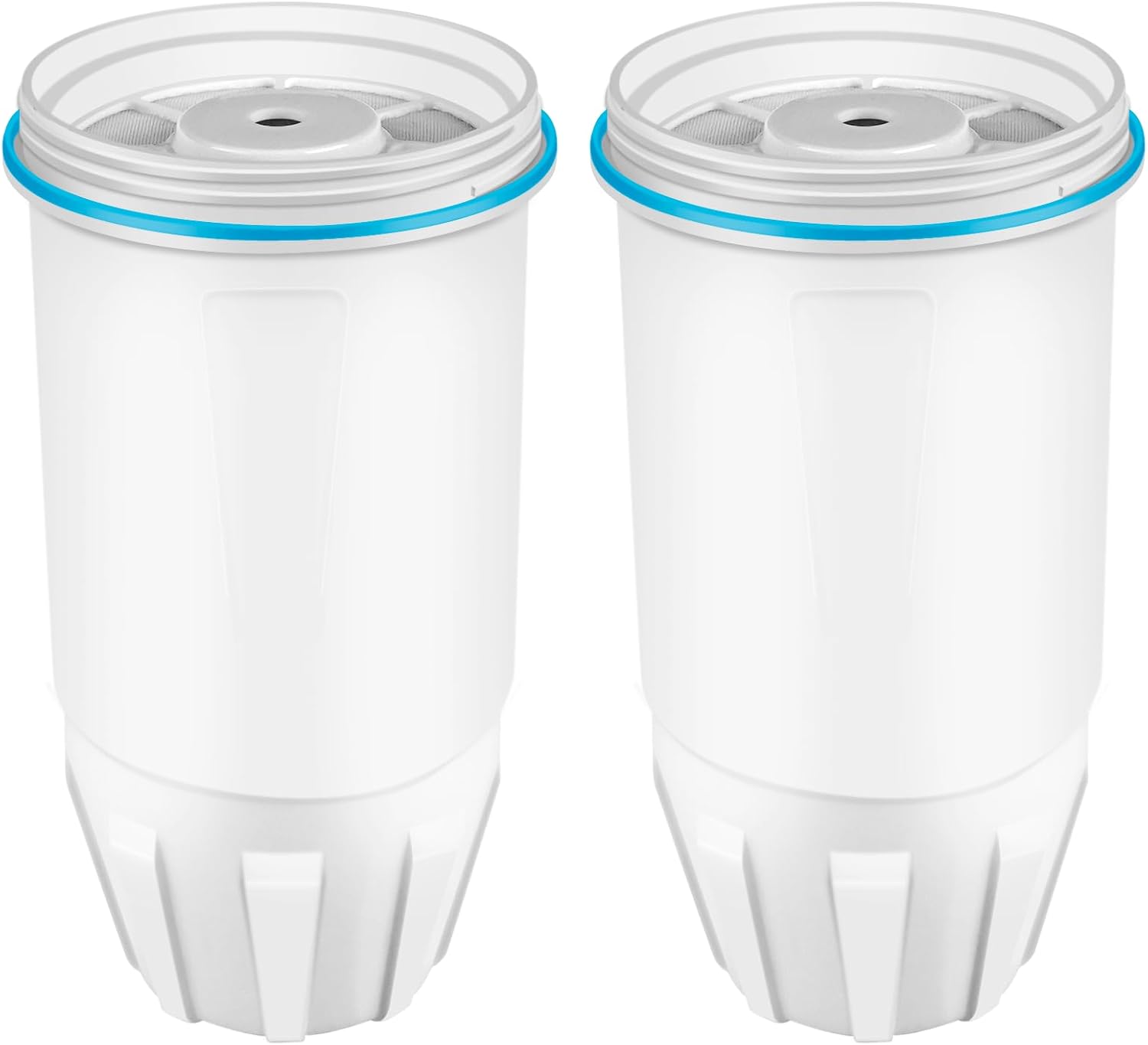
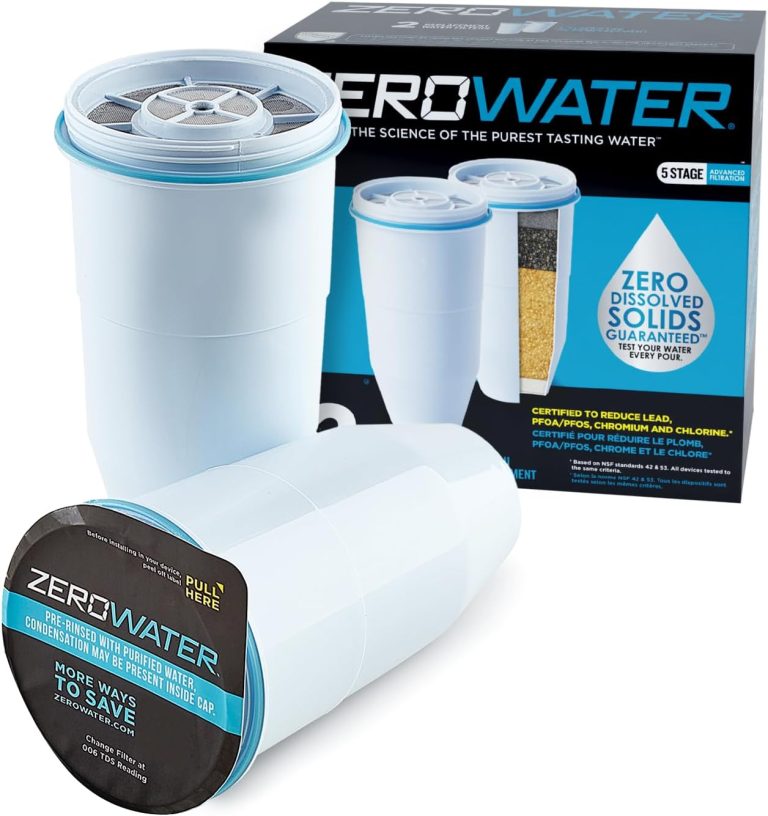
These aftermarket replacement cartridges are sold as a 2‑pack for compatible ZERO-style pitchers and dispensers and use a multi-stage media intended to reduce tastes, odors and common contaminants such as lead, chromium and certain PFAS. They’re a straightforward way to restore performance in point-of-use units, but fit, flushing and local water chemistry affect real-world results. Verify compatibility with your exact pitcher/dispenser model before buying.
Overview
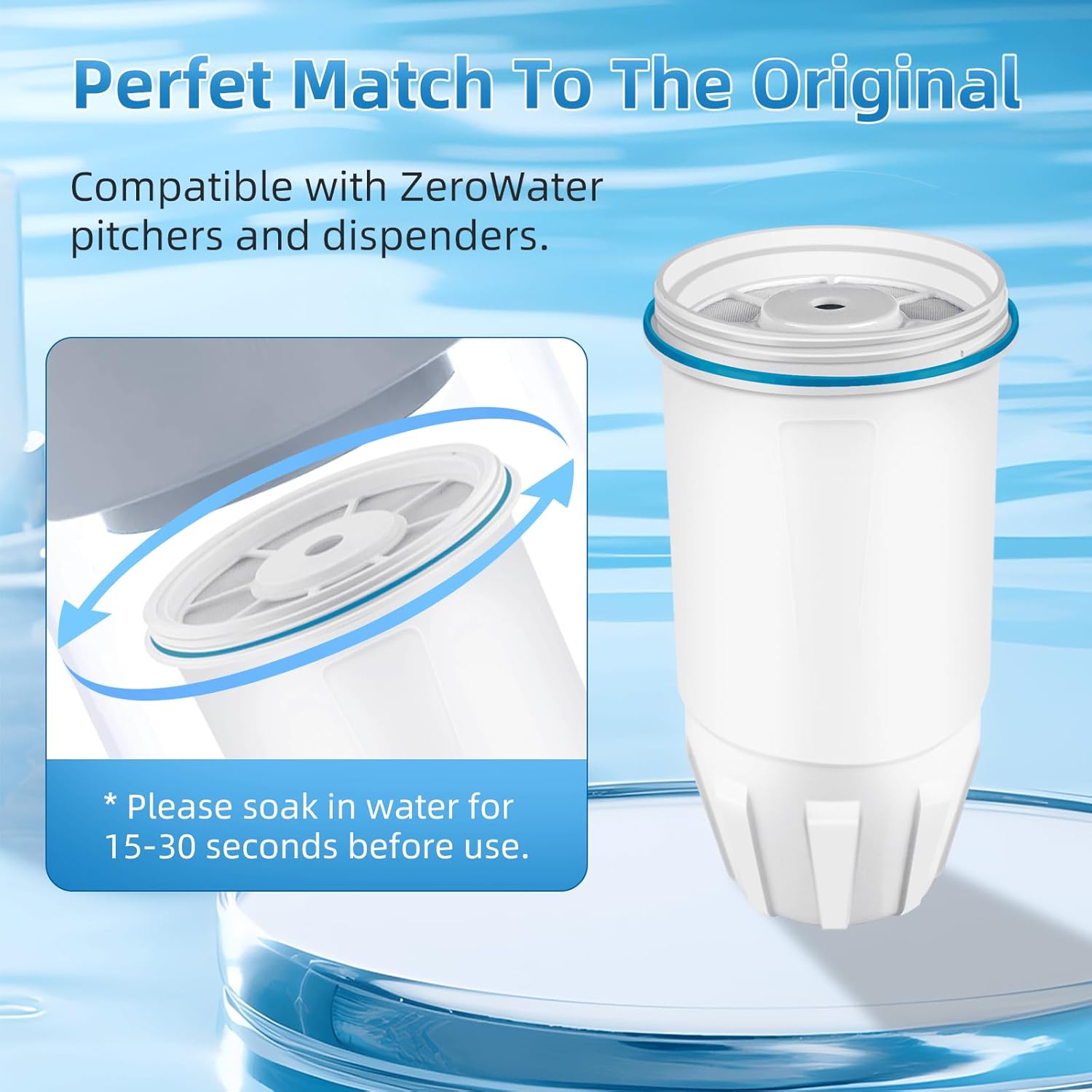
These cartridges are aftermarket replacements sold as a pair and intended for use in compatible pitchers and countertop dispensers. They combine multiple filtration stages to address common tap-water concerns and are offered as direct replacements for worn or expired cartridges in matching systems.
The media aim to reduce contaminants that affect taste and safety — including certain heavy metals, some PFOA/PFOS, and total dissolved solids — while improving clarity and odor. Actual removal rates depend on the filter version and local water chemistry.
This option is primarily for households that already own a compatible pitcher or dispenser and want a simple way to restore filtering performance without replacing the entire unit. If you use a 10‑cup style pitcher, consider keeping a spare set on hand for faster swaps to maintain steady quality.
Key Features
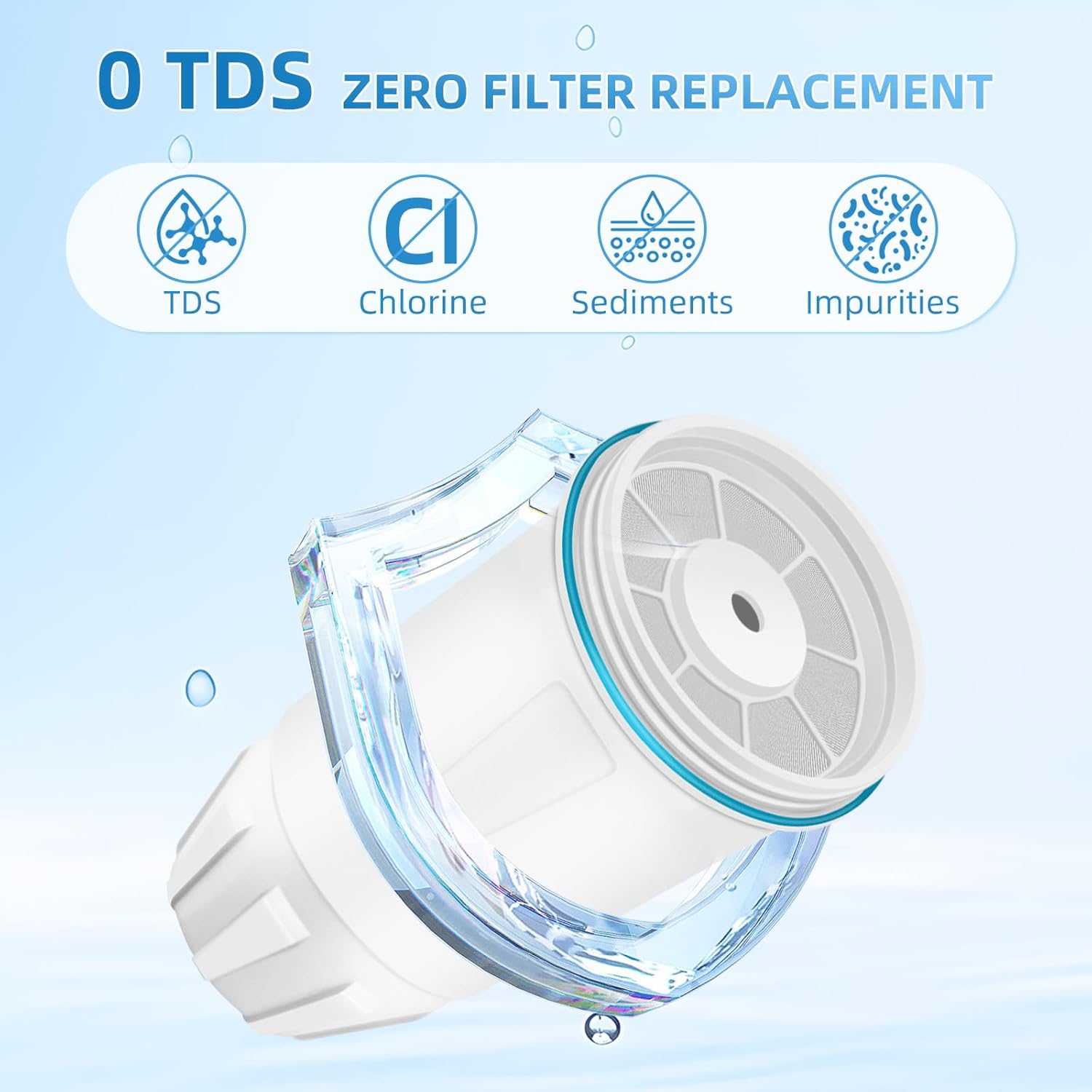
The cartridges use a multi‑stage approach blending physical trapping and adsorptive media to tackle particulates, tastes and odors while addressing contaminants like heavy metals and certain persistent chemicals. This layered design improves drinking water without plumbing changes.
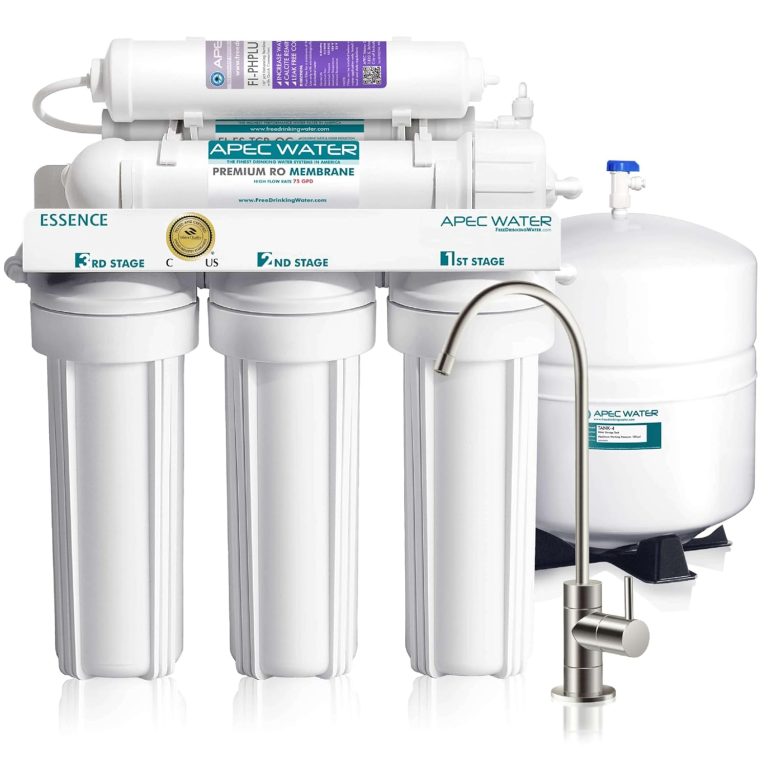
Installation is typically a simple push‑and‑click swap into the housing, but exact fit depends on device model/version. If you’re comparing point‑of‑use options to under‑sink installations, see an example of an advanced direct‑connect under‑sink filter for a different use case.
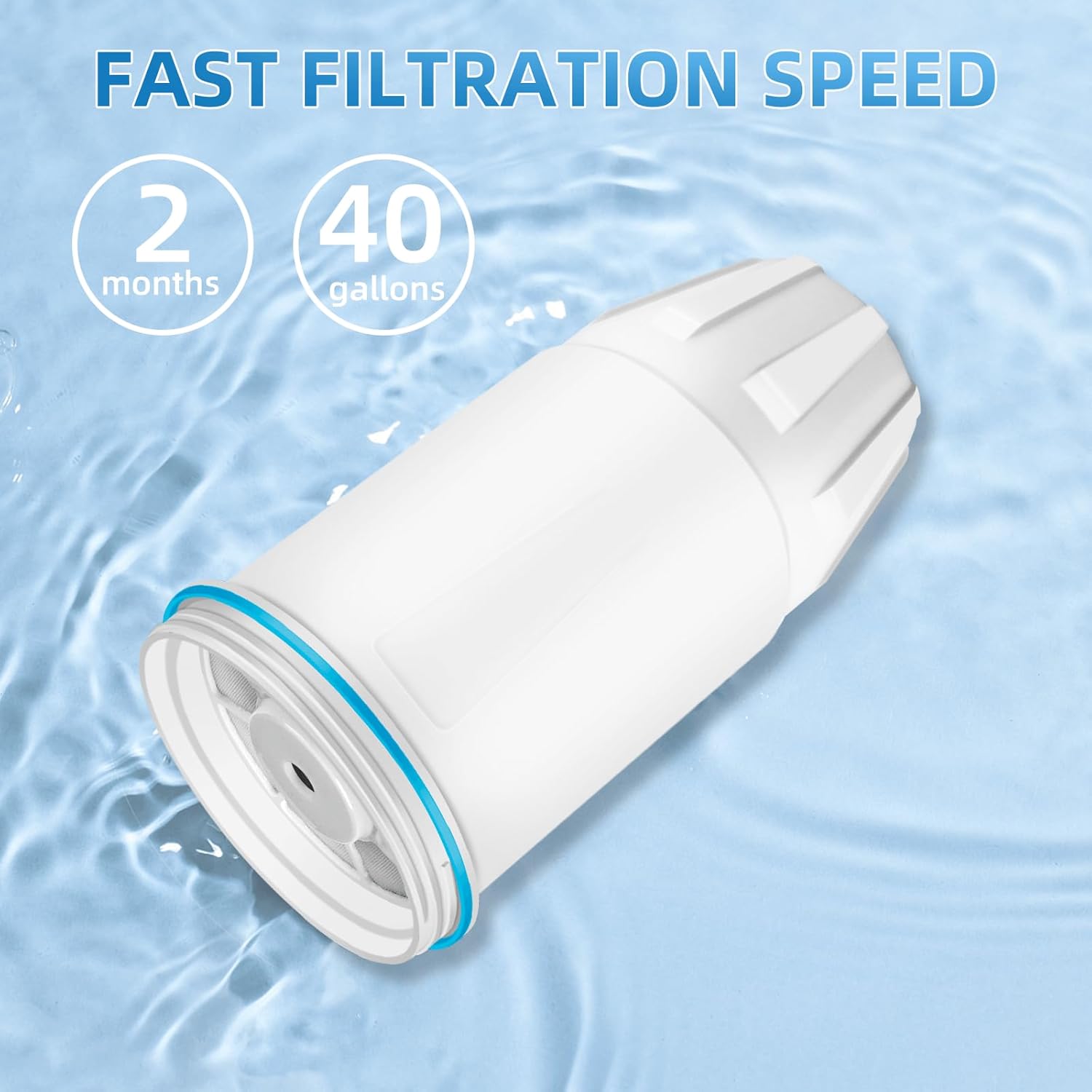
Buying replacement cartridges in sets reduces how often you need to reorder and helps maintain steady flow and performance. Lifespan varies by household usage and local water quality, so follow the recommended replacement interval for your model/version.
Real-World Performance
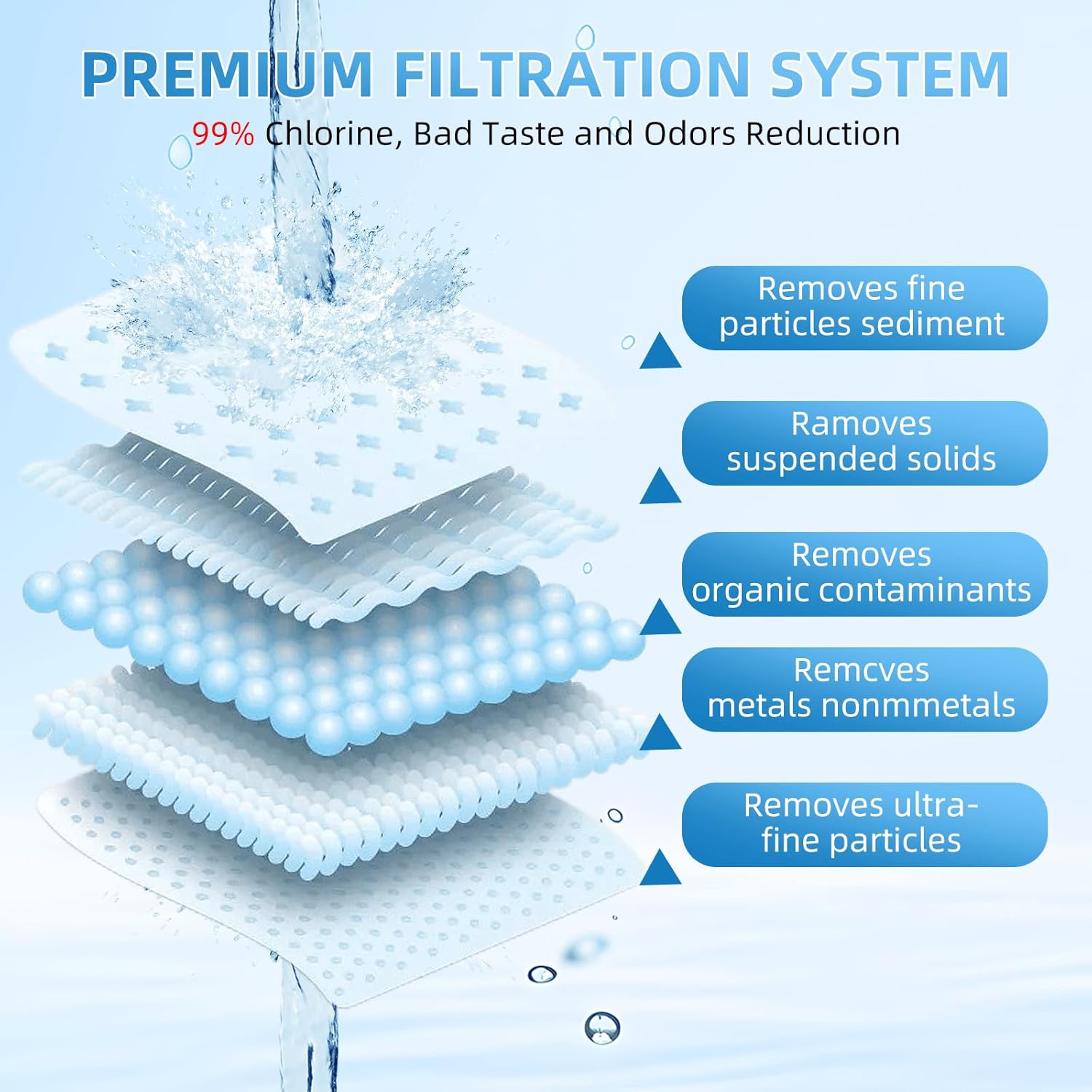
In everyday use these cartridges typically produce noticeable improvements in taste and clarity; many users report reduced chlorine taste and less visible cloudiness. The degree of improvement depends on starting water quality and proper installation.
Flow and dispensing speed are generally consistent with original-style filters but can slow as the element accumulates sediment. Peak performance duration varies by model/version and by how much sediment or dissolved material is in the source water.
Reported reductions for metals and organic contaminants reflect user experience when the unit is installed and flushed correctly, but real‑world effectiveness depends on initial contaminant levels and correct seating of the cartridge.
Ease of Use and Maintenance
Installation is straightforward for most pitchers and dispensers: the cartridge typically snaps or twists into the housing and seats securely without tools. New cartridges should be flushed according to your pitcher/dispenser instructions to remove loose carbon dust and prime the media.
Routine cleaning focuses on the reservoir, lid and housing rather than the filter itself — wipe or wash non‑filter components with mild soap and water and let parts dry before reassembly. If your unit lacks an indicator, monitor flow, taste and clarity as practical cues for replacement.
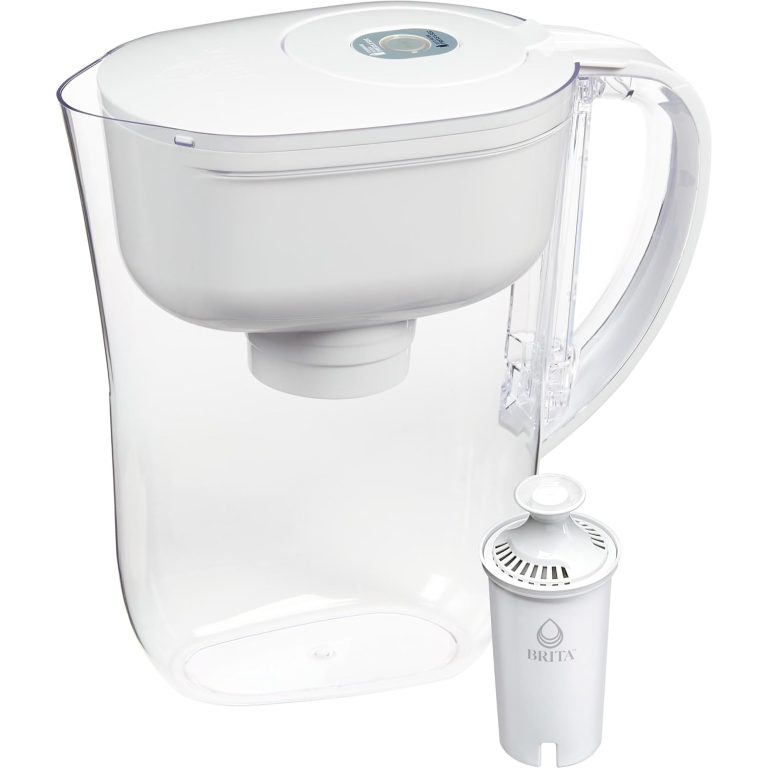
Keeping spare cartridges on hand and storing them in a cool, dry place makes upkeep simpler. For other point‑of‑use pitcher options and accessories, compare product types like pitchers with integrated filters to larger dispenser systems.
Pros and Trade-Offs
The multi‑stage approach targets a range of common contaminants, so many users report clearer water and improved taste. Combining mechanical trapping and adsorption works well for households concerned about metals, certain industrial compounds, and dissolved solids.
Downsides include variable compatibility across pitcher/dispenser versions — confirm your exact model before buying — and ongoing replacement costs that depend on usage and water conditions. Some users notice a slower pour or need to flush the filter several times before the water clears.
If you need heavy sediment protection or pre‑filtration for a water source with visible particulates, consider pairing with a dedicated sediment filter designed for that purpose to prolong cartridge life and maintain flow.
For more specific filtration accessories, see options like the Aquaboon 5‑micron sediment filter to handle heavier particulate loads before a cartridge stage.
Who This Product Is For
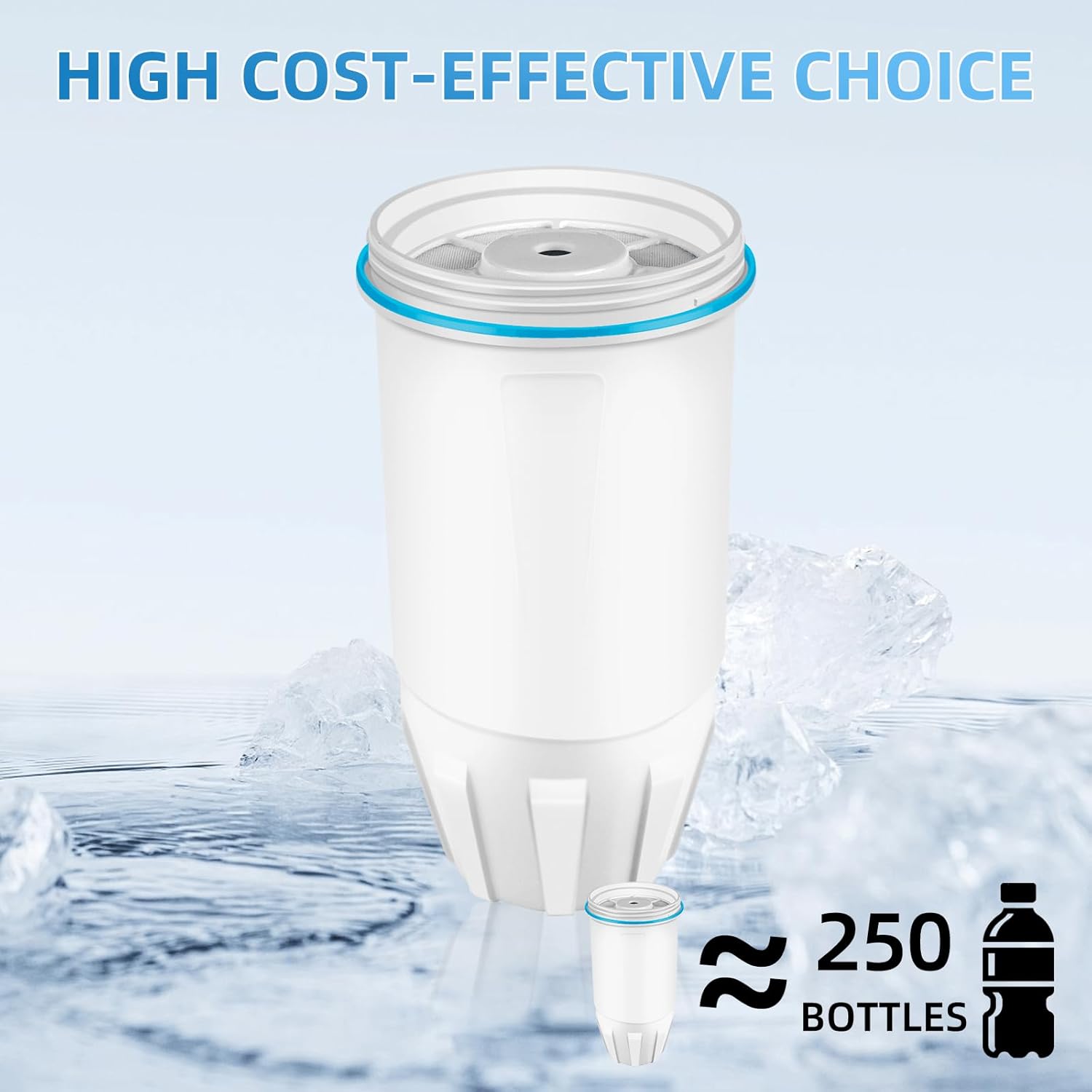
This cartridge set suits households and individuals who use compatible pitchers or dispenser-style systems and want cleaner-tasting water with reduced common contaminants like lead, chromium and certain PFAS. It’s practical for renters, small families, or anyone preferring point-of-use filtration rather than a whole‑house setup.
It’s also a good fit for buyers who replace cartridges themselves and like to keep extras on hand. Because packaging and compatibility vary by design, confirm your model fit before purchasing — for comparable pitcher options see the HomeWater 10‑cup pitcher filter and similar products.
Skip this option if you rely on untreated well water without pre‑treatment, need whole‑home filtration, or require verified third‑party certification for specific contaminant removal without checking documentation first.
As an Amazon Associate, I earn commission on qualified purchases.