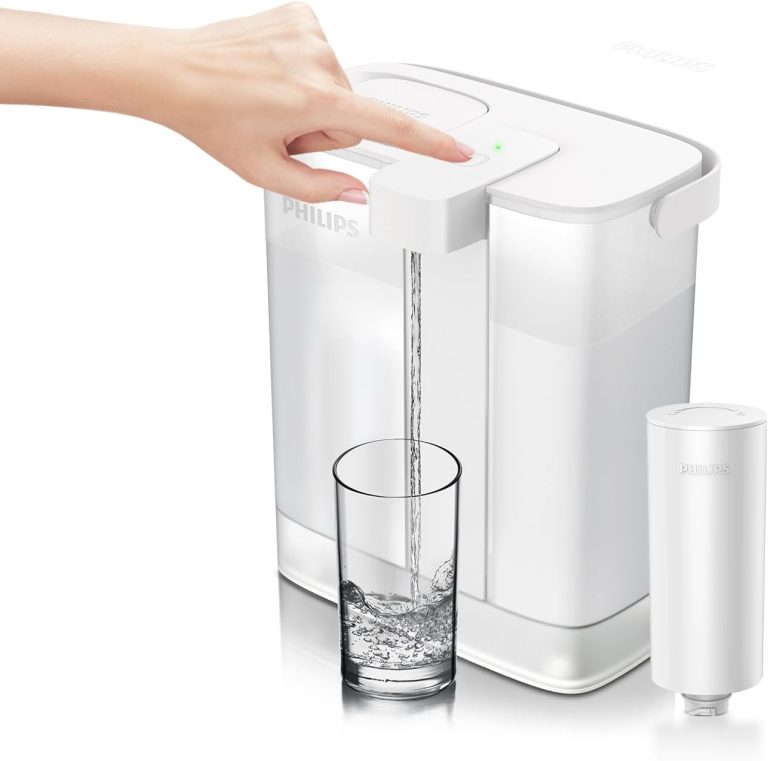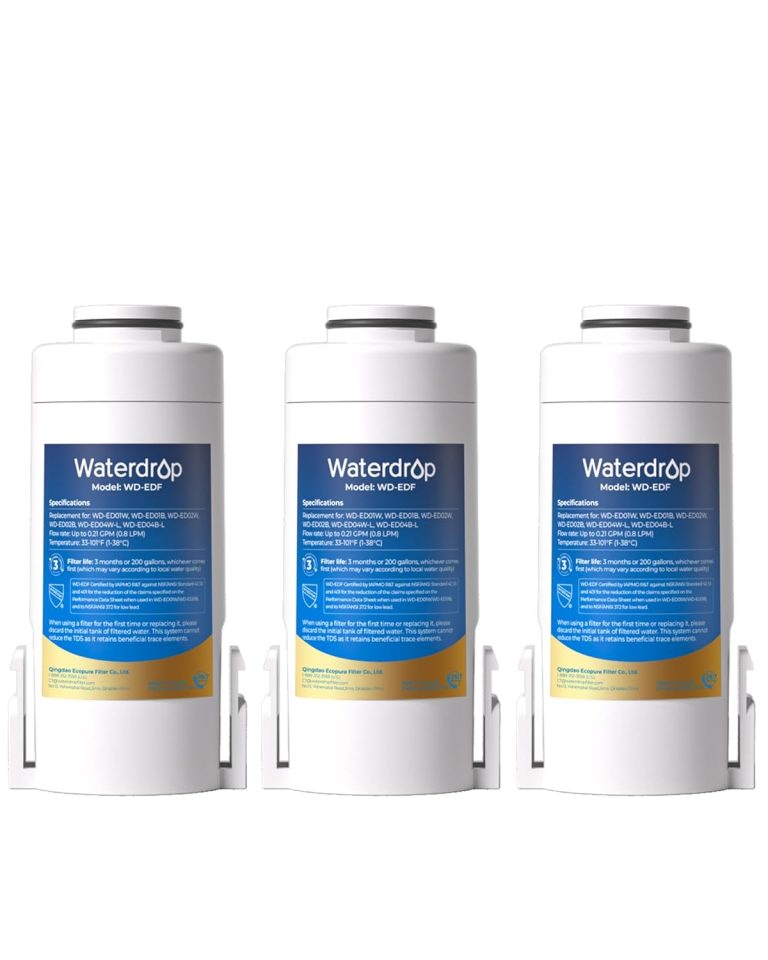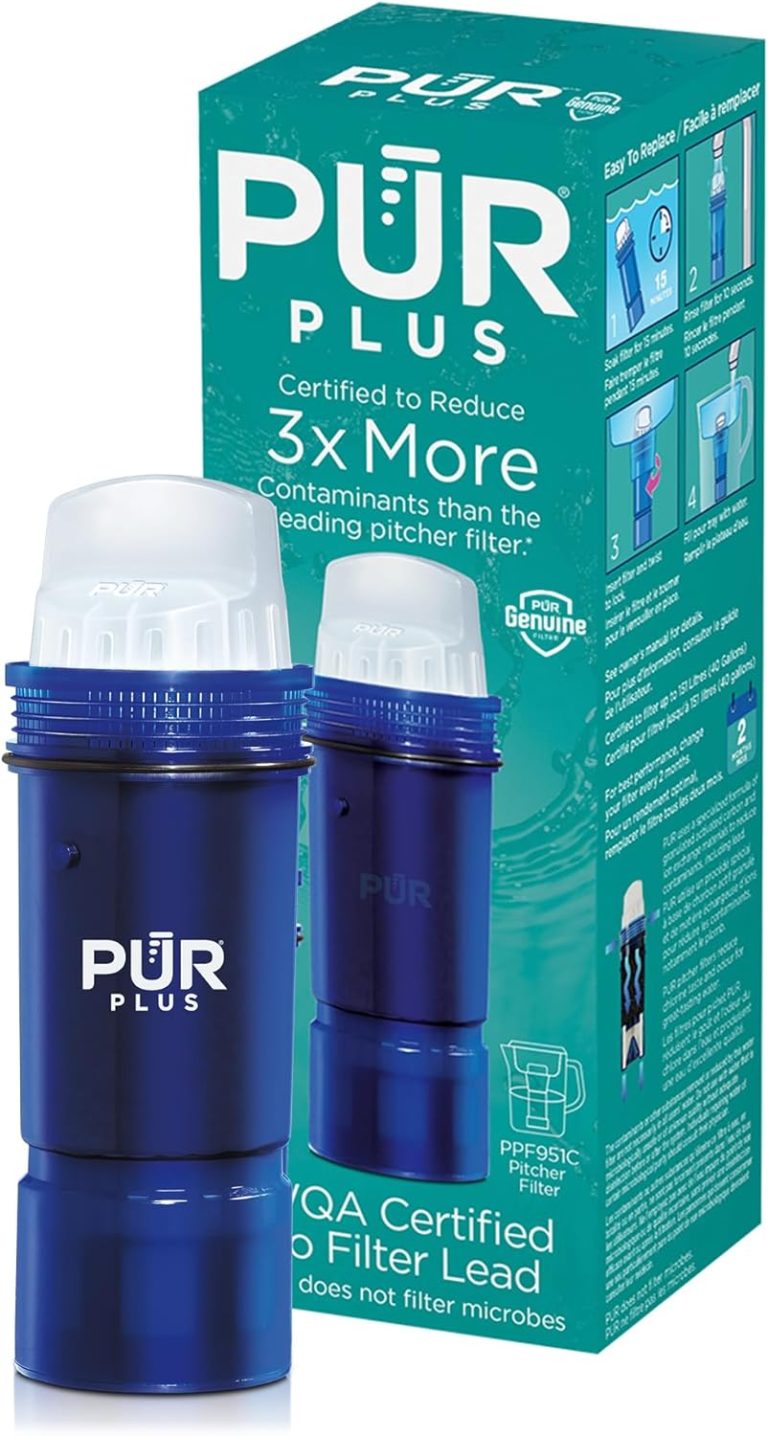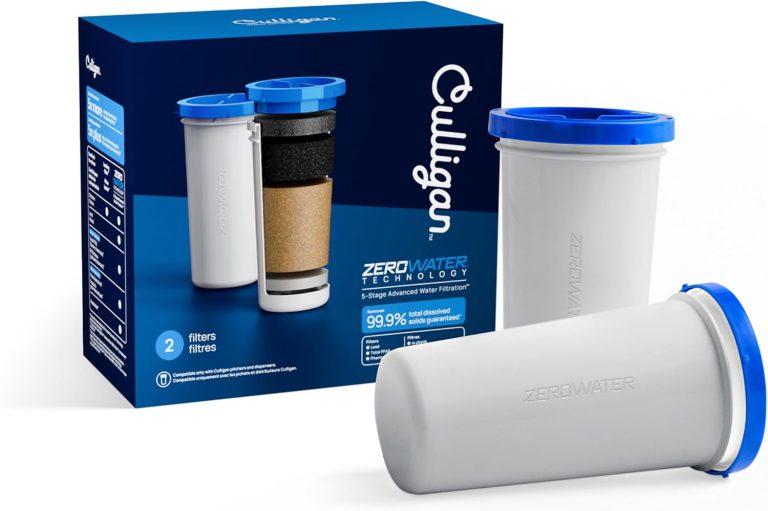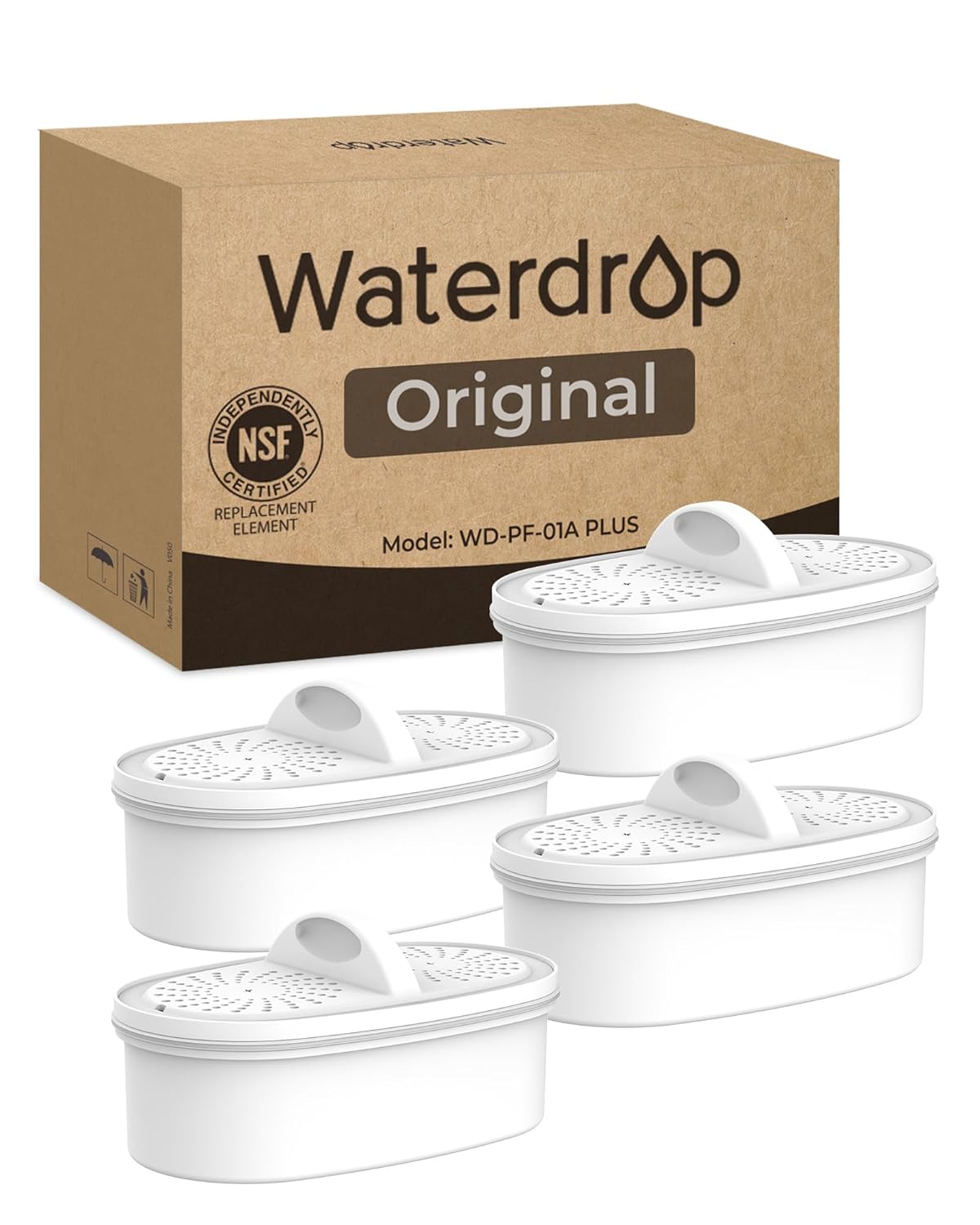
Waterdrop WD-PF-01A Plus Replacement Filters – 4 Pack
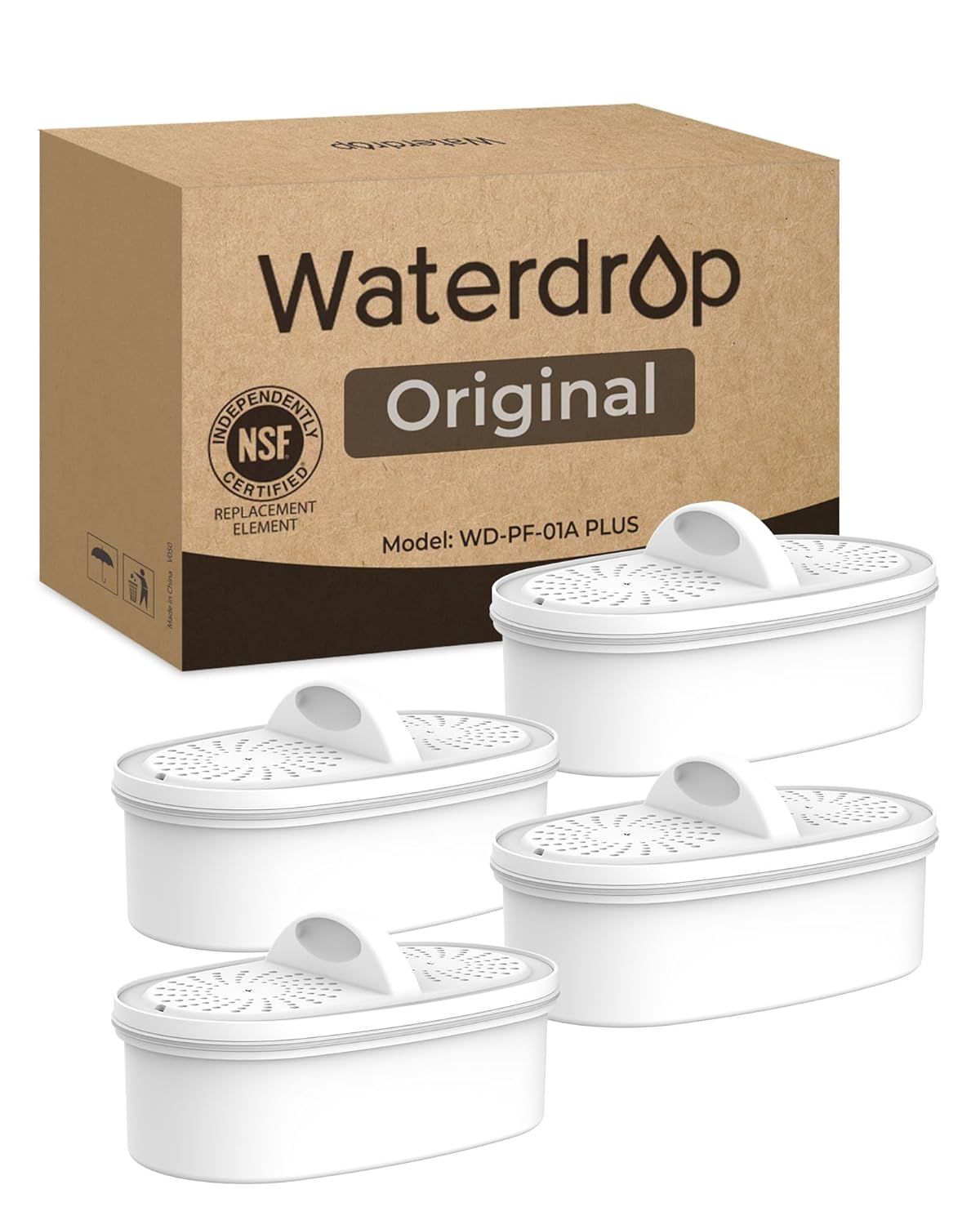
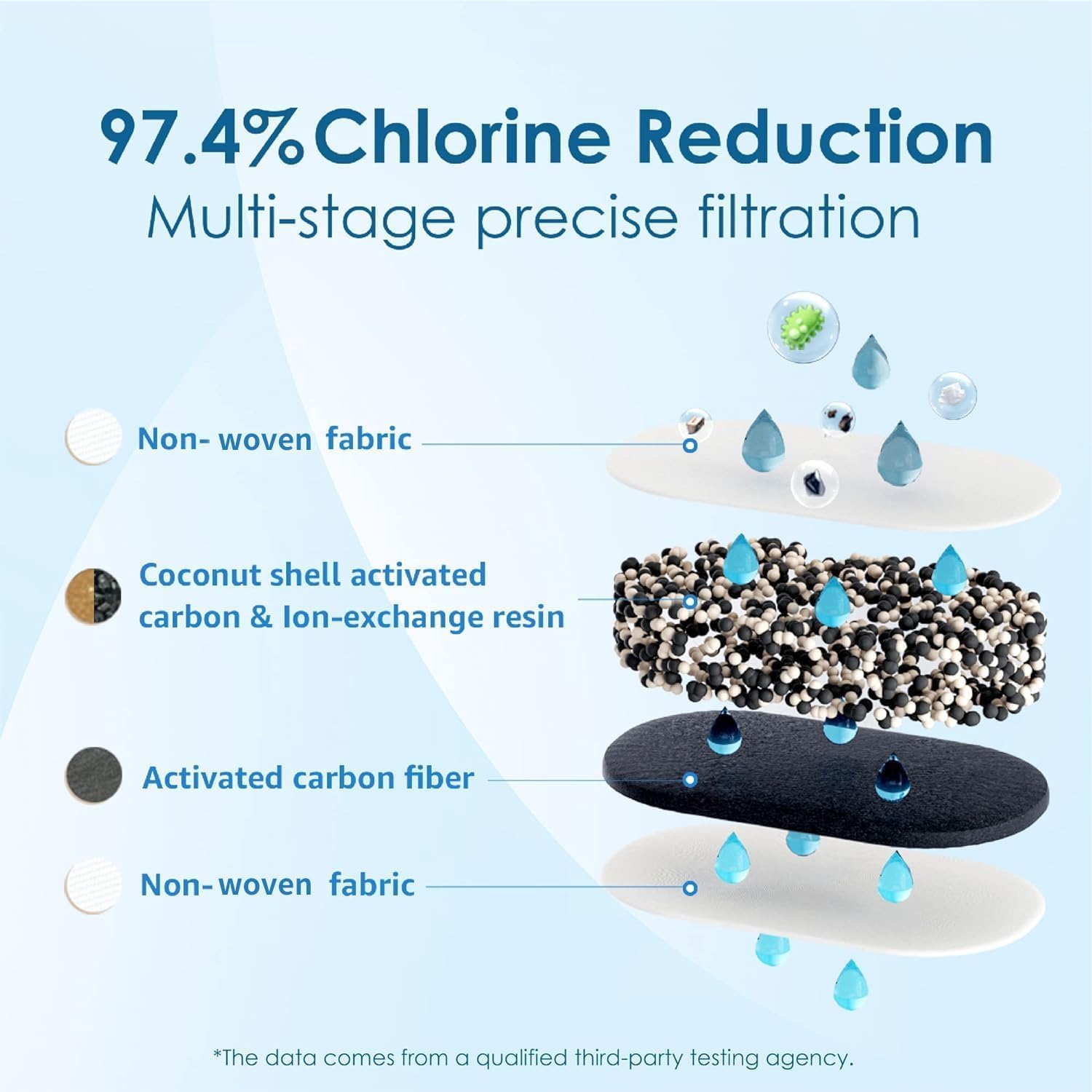
The Waterdrop WD-PF-01A Plus replacement cartridges are drop-in pitcher filters that use multi-stage activated carbon fiber to reduce chlorine, PFAS (including PFOA/PFOS), and common taste-and-odor issues. Packaged as a 4-pack and rated for up to 3 months or 200 gallons each, they’re aimed at households that want an easy, portable way to improve tap water without plumbing changes.
Overview
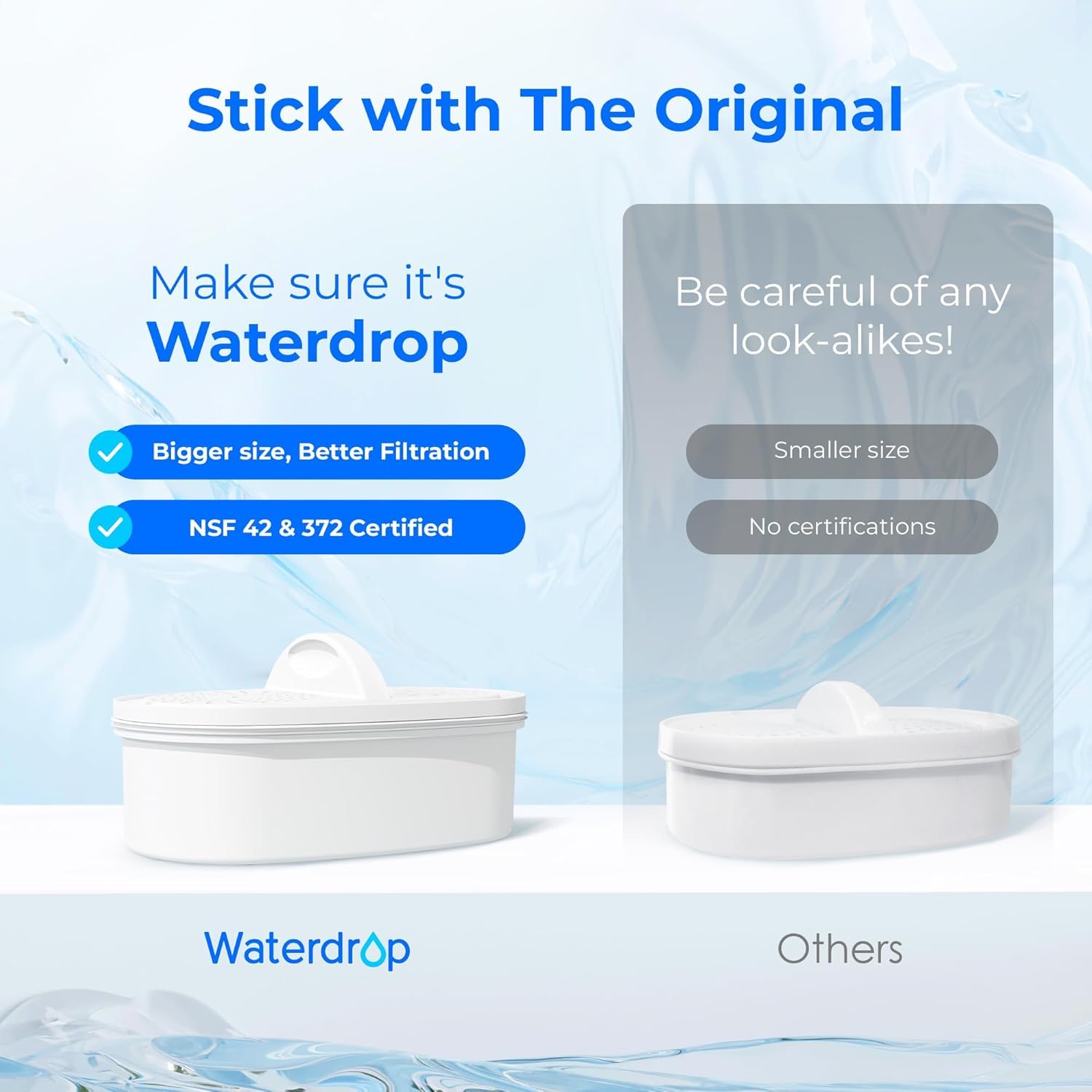
These are replacement cartridges intended for use with a countertop pitcher filtration setup, offering a simple way to maintain filtered drinking water without changing plumbing. They serve as drop-in swaps for compatible Waterdrop pitcher models and are aimed at users who already rely on pitcher-style filtration for daily water.
The cartridges are formulated to help reduce contaminants commonly found in tap water, including certain industrial compounds and chlorine, while also improving taste and odor. Actual performance will depend on local water quality and household usage, so results can vary.
This option is best for households looking for a convenient, non‑permanent filtration solution and for people who prefer the portability and low maintenance of pitcher systems. Compatibility varies by model/version, so confirm fit with your existing pitcher before purchasing.
Key Features
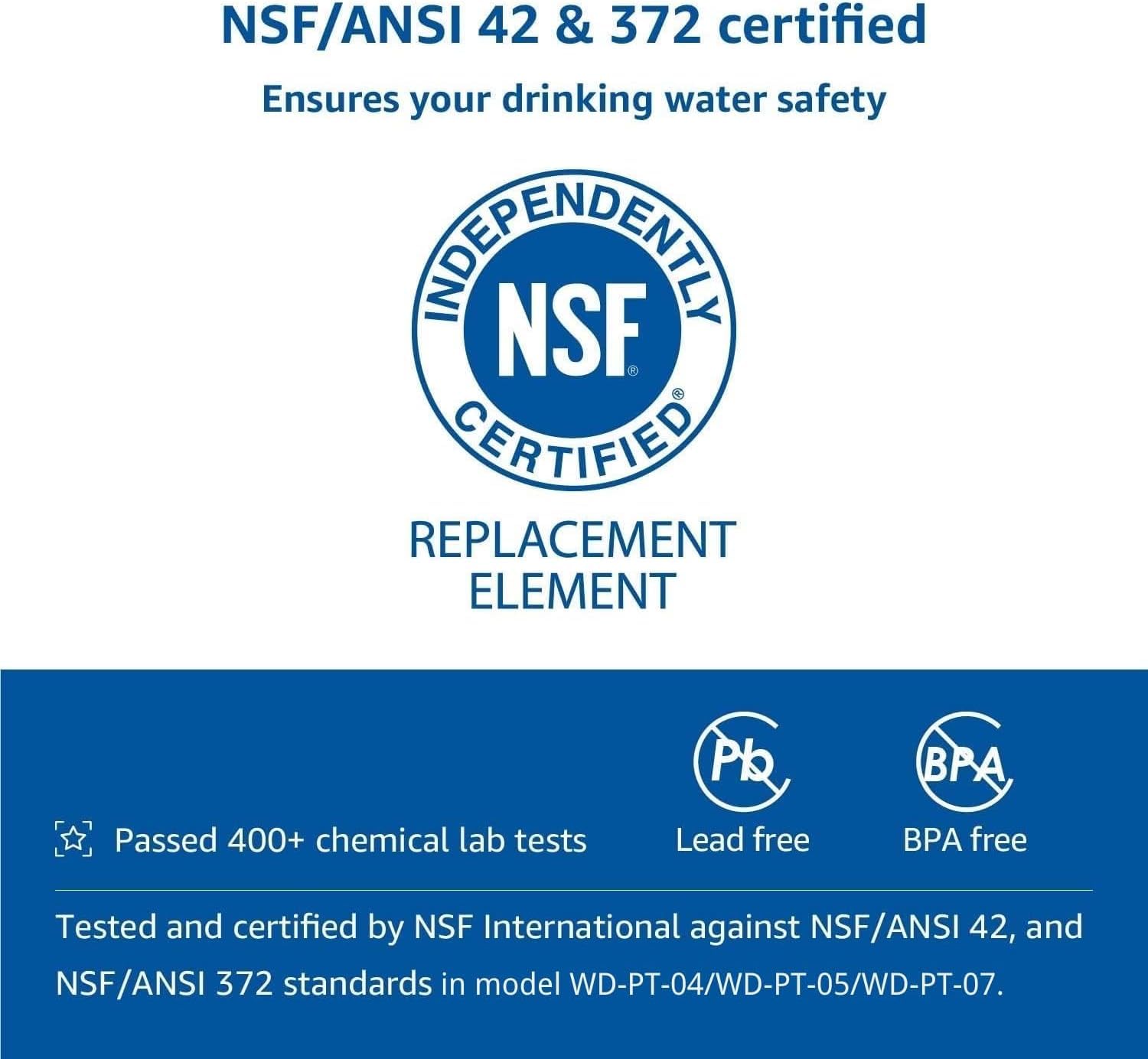
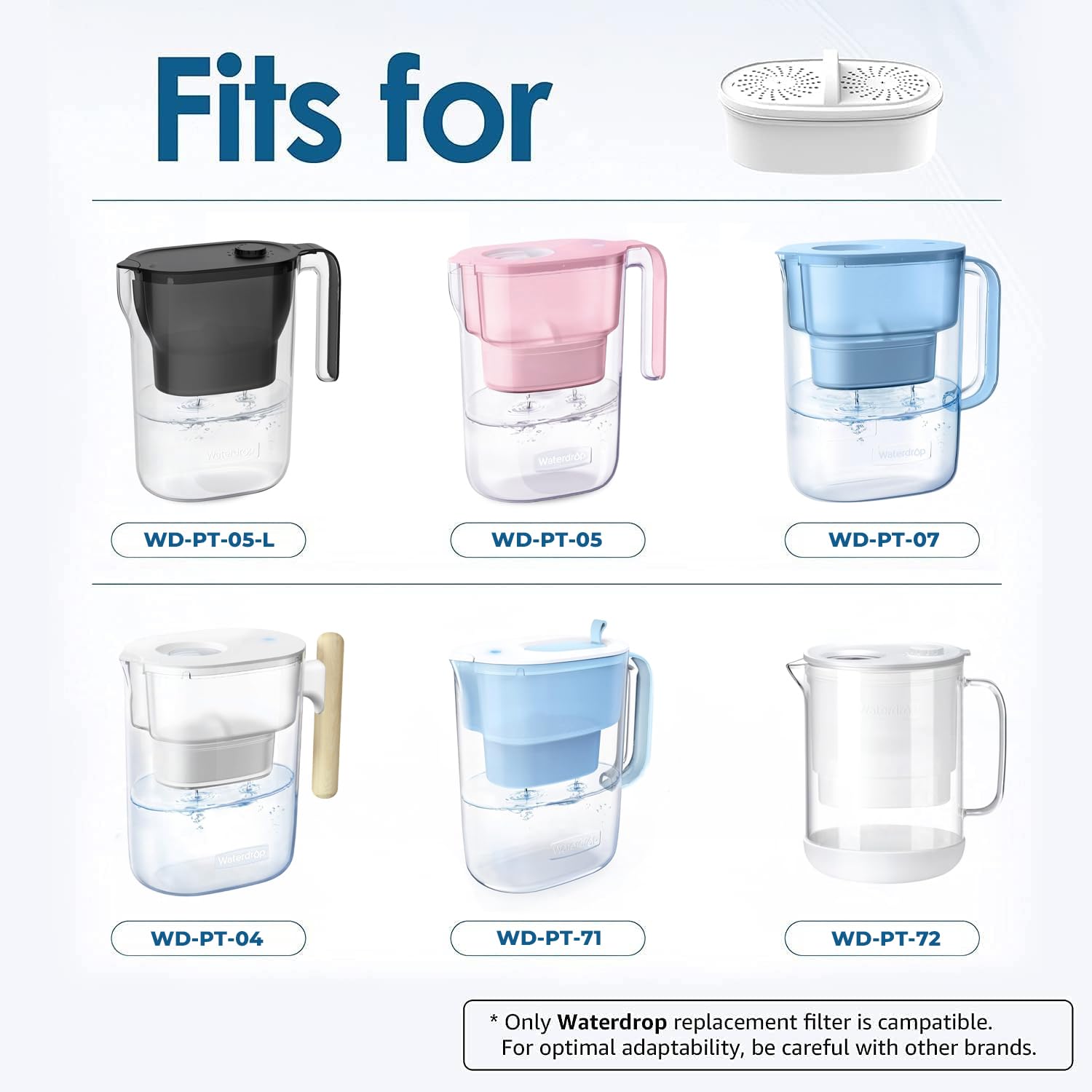
These replacement cartridges are designed for use with compatible pitcher filtration systems and install as direct drop-in parts, so no tools or plumbing changes are required. The form factor and connection points match common pitcher housings for a straightforward swap when it’s time for maintenance.
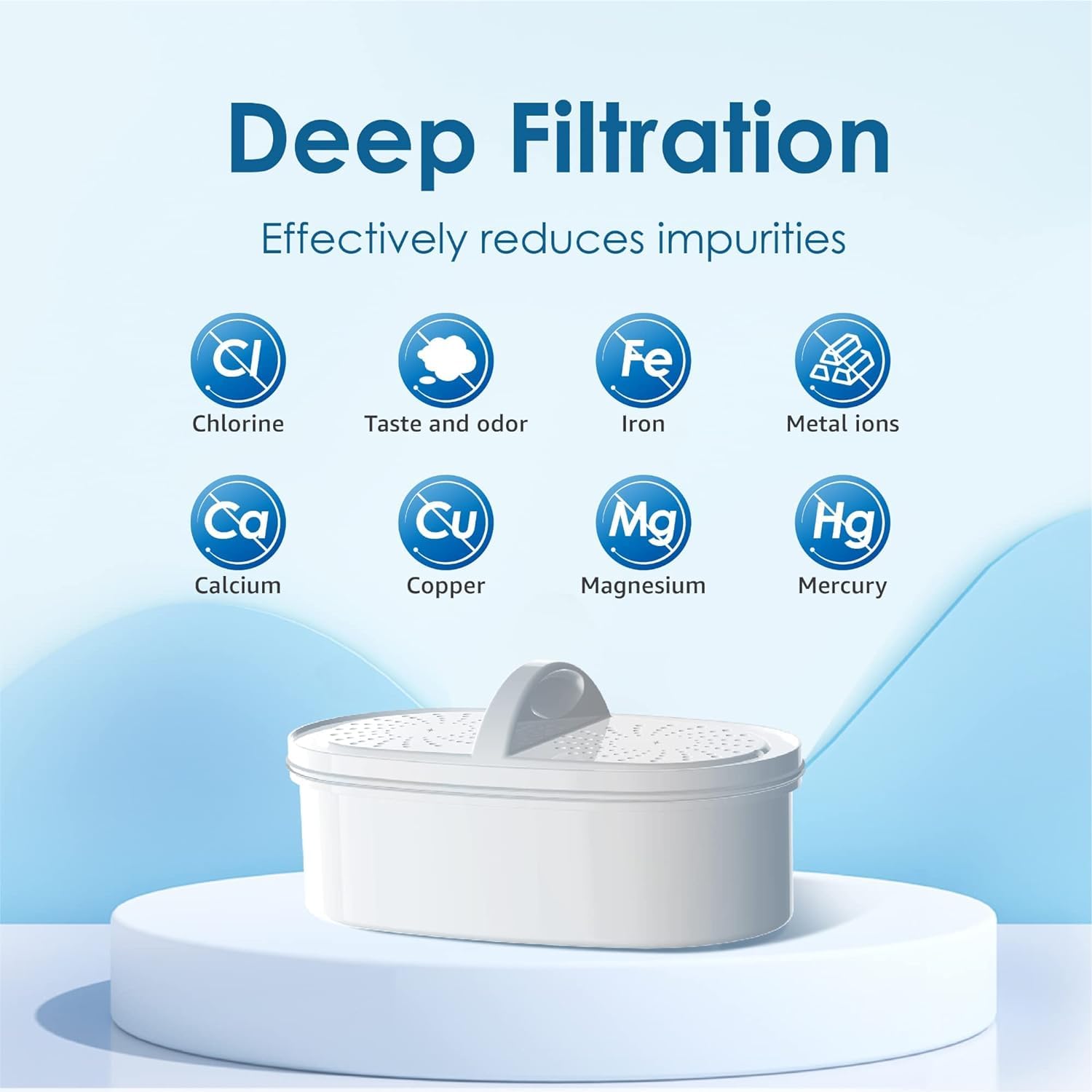
The filtration targets several common contaminants, including PFAS (such as PFOA/PFOS) and chlorine, with the goal of improving taste and clarity. That practical reduction in off-flavors and odors is the primary benefit most households notice quickly after a fresh cartridge is installed.
How long a cartridge lasts depends on local water quality and how much filtered water your household uses; performance and capacity can vary by model/version, so follow the manufacturer’s replacement guidance. Buying replacements in a multi-pack keeps spares on hand and simplifies routine upkeep.
Overall, the emphasis is on easy maintenance and consistent performance: simple installation, contaminant reduction that affects everyday taste, and the convenience of having multiple replacements ready when needed.
Real-World Performance
In everyday use the replacement cartridges tend to deliver noticeable improvements in taste and a reduction in common tap-water odors for many households. Results are most visible on municipal supplies where chlorine and mild off-flavors are the primary issues; how well they work depends on your starting water quality and usage patterns.
Filtration speed is generally suitable for routine pitcher use but will slow as the cartridge collects sediment and dissolved solids. How long a single unit remains effective varies by model/version and local water conditions, so declining flow or a return of flavors are good indicators that a swap is needed.
Installation and sealing are straightforward with compatible pitchers, and a properly seated cartridge should not leak. Flushing before first use and occasional checks for clogging help keep performance consistent over time.
Keep in mind these cartridges are designed to improve taste and reduce certain chemical and aesthetic contaminants, not to replace specialized treatment for microbiological contamination or heavy industrial pollutants. If you rely on well water or have specific contaminant concerns, consider testing the supply and pairing this approach with targeted remediation.
Ease of Use and Maintenance
Installation is generally straightforward: remove the spent cartridge, follow the included instructions for any rinsing or priming steps, and seat the new element until it clicks or sits firmly in place. Because exact steps can differ, refer to the paperwork that came with your pitcher; procedures and priming requirements vary by model/version.
How often you swap filters depends on household demand and local water quality, so tracking by calendar, the pitcher’s indicator (if it has one), or changes in taste and flow helps prevent missed replacements. Swapping out the element usually requires no tools and is quick, but handle replacements with clean hands to avoid introducing contaminants.
Keeping the pitcher itself clean is low-effort: wash reservoirs and lids with mild soap and water, avoid abrasive cleaners or high-heat cycles unless specified, and periodically check seals and valve areas for buildup. Ensuring the cartridge is properly seated after each replacement prevents leaks and maintains effective filtration.
Pros and Trade-Offs
These replacement cartridges are effective at targeting common taste-and-odor culprits and specific contaminants such as PFAS and related compounds, along with chlorine. The result is generally clearer, better-tasting tap water that’s more pleasant for drinking and cooking.
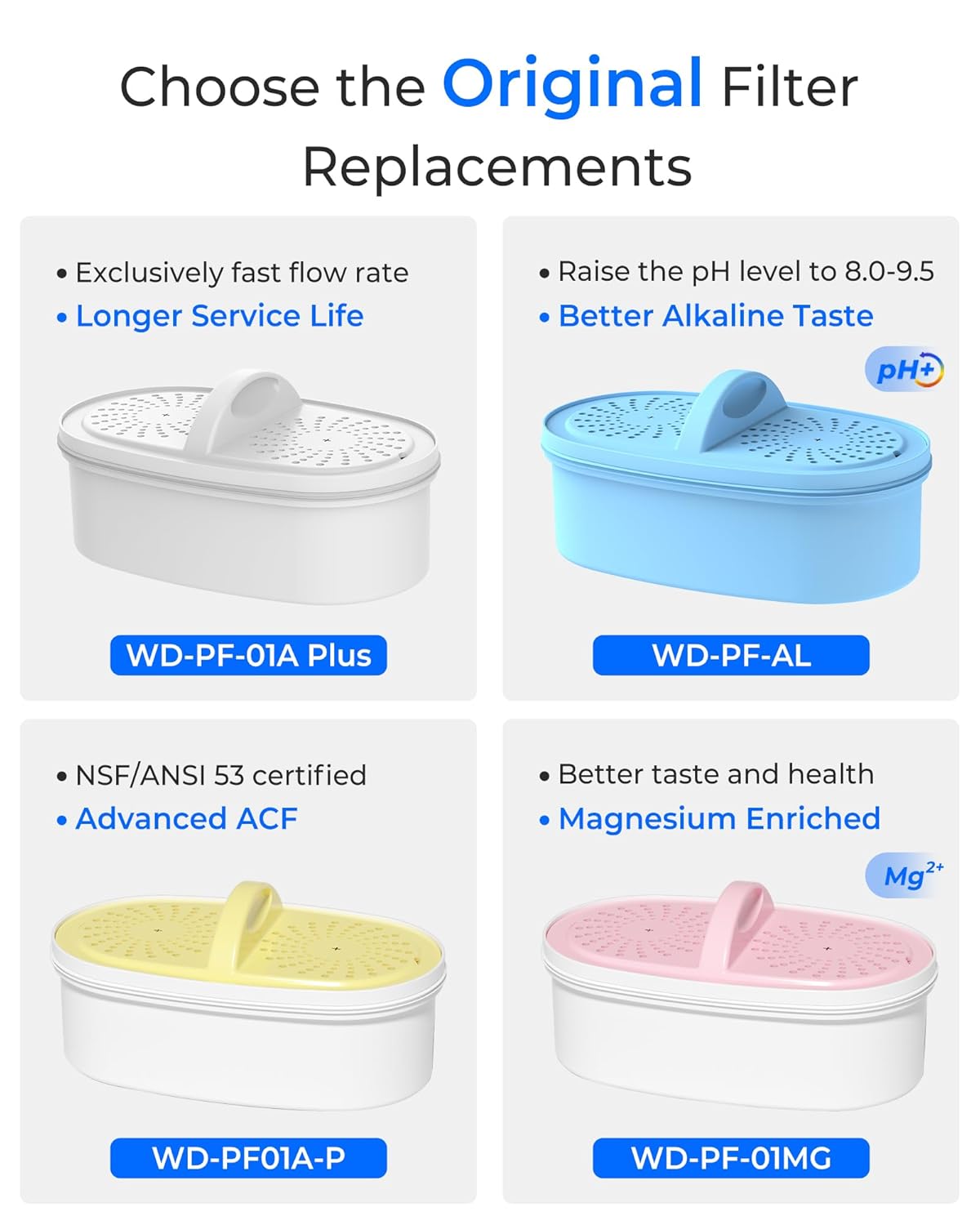
Installation is simple for pitcher-style systems: the cartridges are intended to be swapped in without tools, and they’re typically sold in multi-packs so you can keep spares on hand. That convenience reduces the hassle of frequent trips to buy replacements and makes ongoing maintenance straightforward for most households.
On the trade-off side, actual lifespan depends on water quality and household use, so replacement frequency and ongoing cost will vary. Flow can slow as a cartridge becomes loaded, and pitcher filters aren’t designed to address every possible contaminant or to replace more robust point-of-use or whole-house treatment when broader protection is required.
Who This Product Is For
This replacement is aimed at people who want a simple, countertop way to improve tap water taste and lower common contaminants such as PFAS, PFOA/PFOS and chlorine. It suits users who prefer a pitcher-based approach over permanent plumbing changes and who value straightforward filter swaps without tools or installation work.
Good candidates include small households and apartment dwellers who drink and cook with filtered tap water, plus anyone looking for a compact option for a kitchen that doesn’t accommodate under-sink systems. It also fits those who want targeted contaminant reduction while keeping maintenance uncomplicated.
This option is less appropriate for people who need whole-house treatment, have unusually high sediment or mineral loads, or require specialized filtration methods beyond standard pitcher cartridges. If your water quality concerns are complex, or if you require certification for a specific contaminant not mentioned here, consider professional testing and a tailored solution instead.
As an Amazon Associate, I earn commission on qualified purchases.