LifeStraw Home Replacement Microfilter – 30+ Contaminants
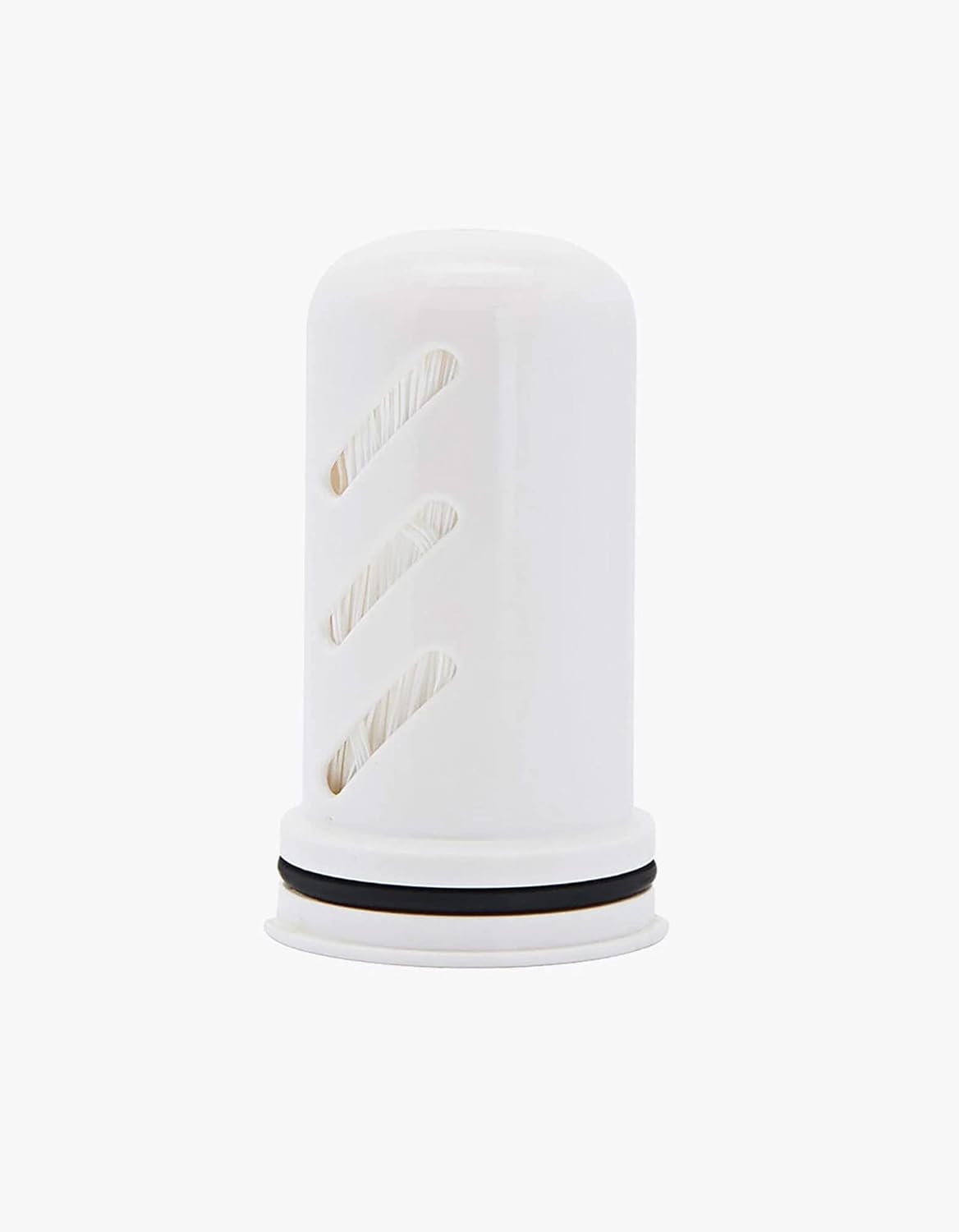
This review covers the LifeStraw Home replacement membrane microfilter, focusing on filtration capability, installation and maintenance, expected lifespan, and real-world performance. It highlights the cartridge’s barrier-based protection against bacteria, parasites, microplastics and PFAS, notes practical trade-offs like flow rate and replacement costs, and points readers to compatibility and certification considerations.
Overview
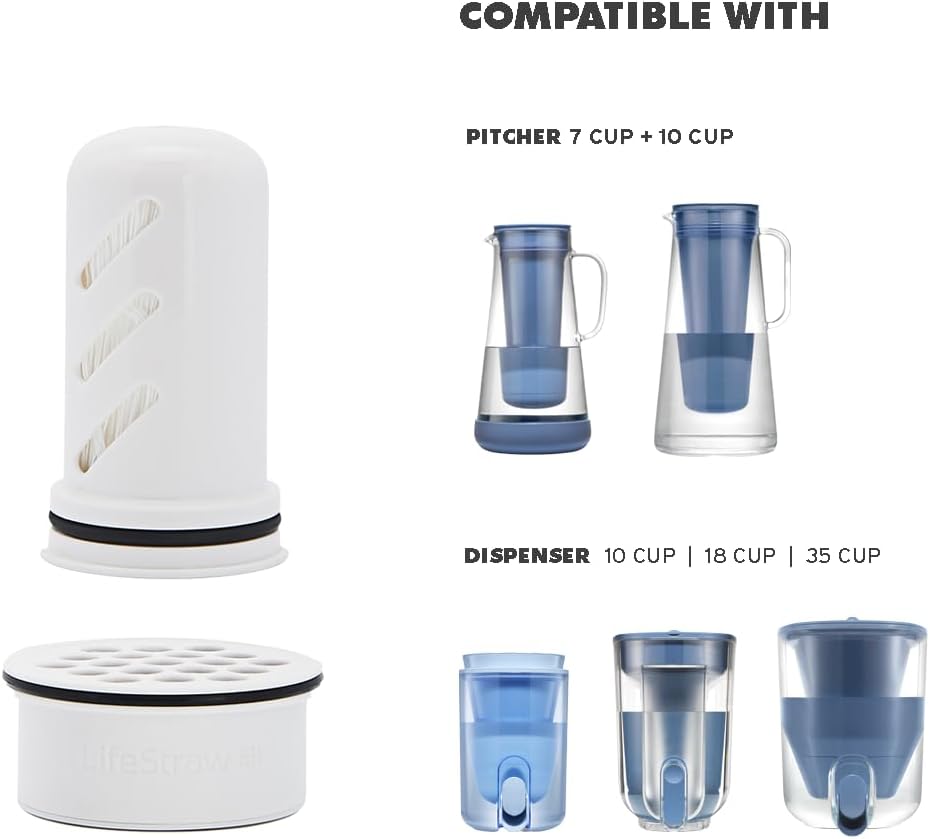
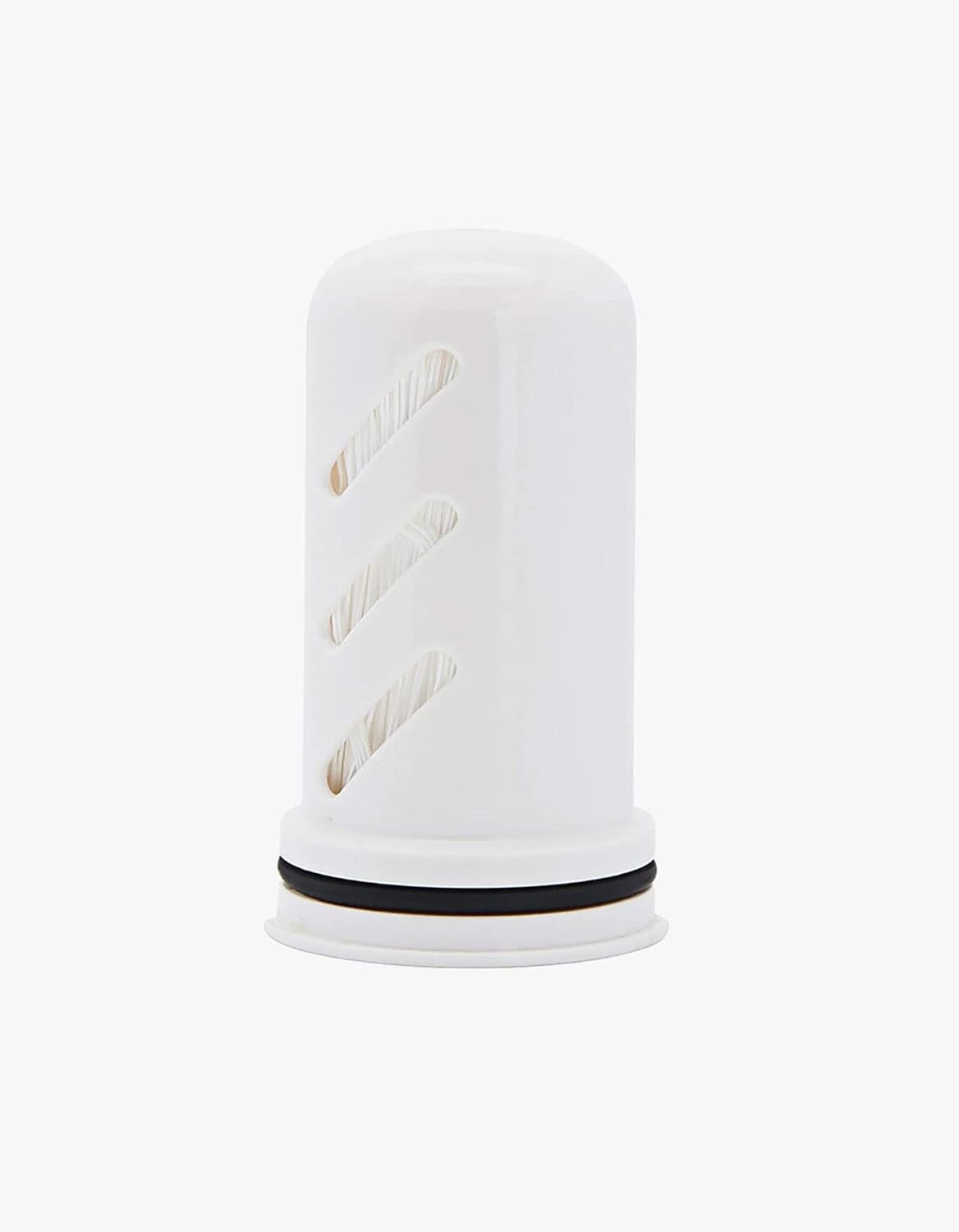
This replacement membrane microfilter is made to fit LifeStraw Home pitchers and dispensers and provides a fine physical barrier to trap microorganisms and particulates while addressing concerns like microplastics and some PFAS. It’s intended as a cartridge swap for existing point-of-use systems rather than a standalone treatment, so check your unit’s compatibility and replacement guidance before purchasing.
The cartridge is aimed at homeowners on well or municipal supplies who want extra protection from bacteria or visible sediment, families after cleaner-tasting tap water, and renters who prefer a non-invasive filtration upgrade. If you want to compare filtration stages or complementary options, see the LifeStraw Home activated carbon and ion-exchange filter and other LifeStraw Home products for different trade-offs.
Key Features
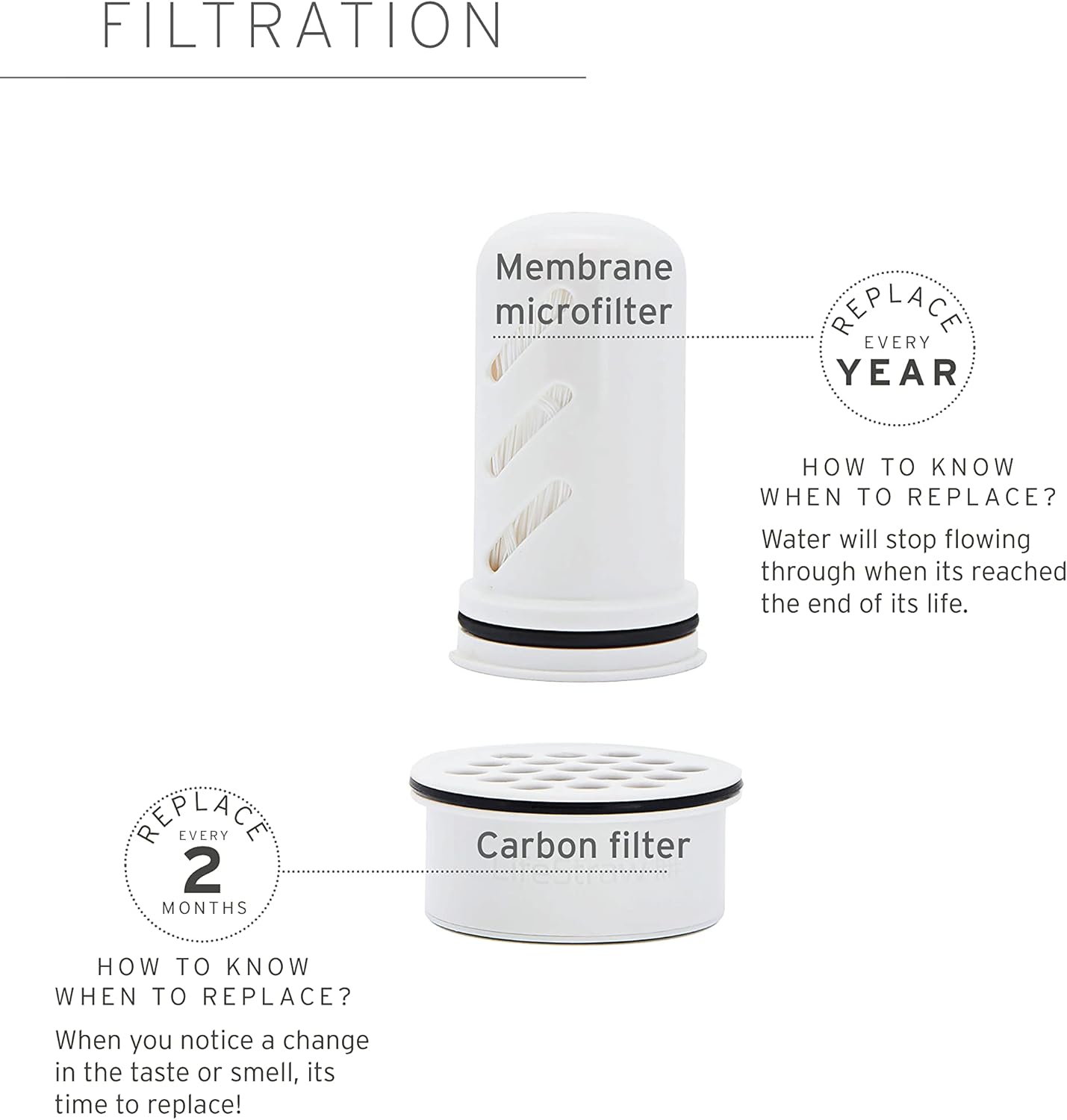
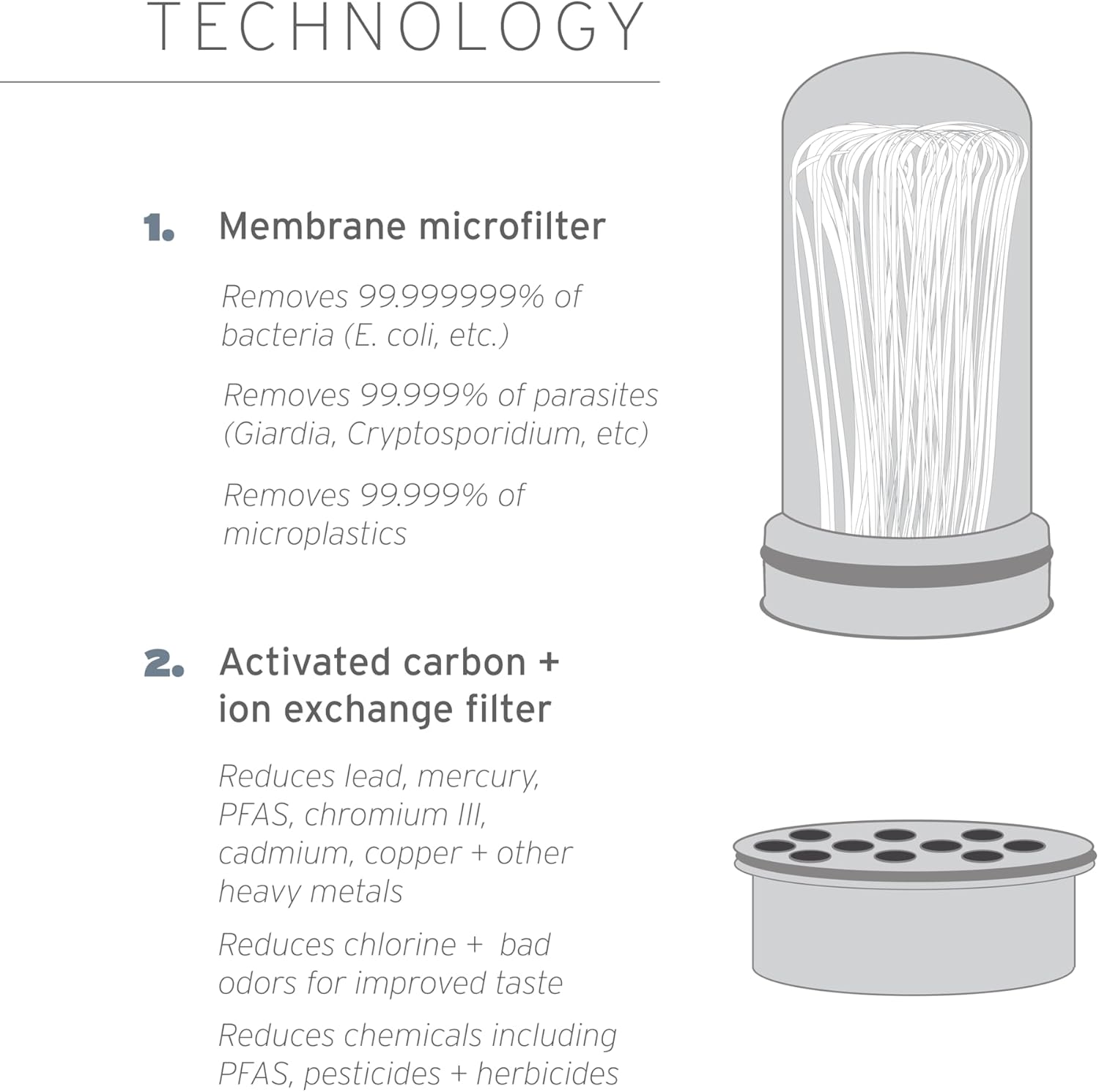
The core is a thin membrane that mechanically captures bacteria, parasites and very fine particulates; the design also targets microplastics and certain chemical contaminants. Membrane filtration improves clarity and reduces gritty or chemical tastes from suspended solids, and it’s often combined with carbon-based stages for better odor and flavor control.
The cartridge format keeps upkeep focused on swapping elements rather than complex cleaning. Exact lifespan and which housings the cartridge fits vary, so confirm the replacement interval and compatibility with your specific LifeStraw Home unit; for related replacement options and multi-pack choices see the LifeStraw Home replacement pack and other pitcher reviews for comparison.
Real-World Performance
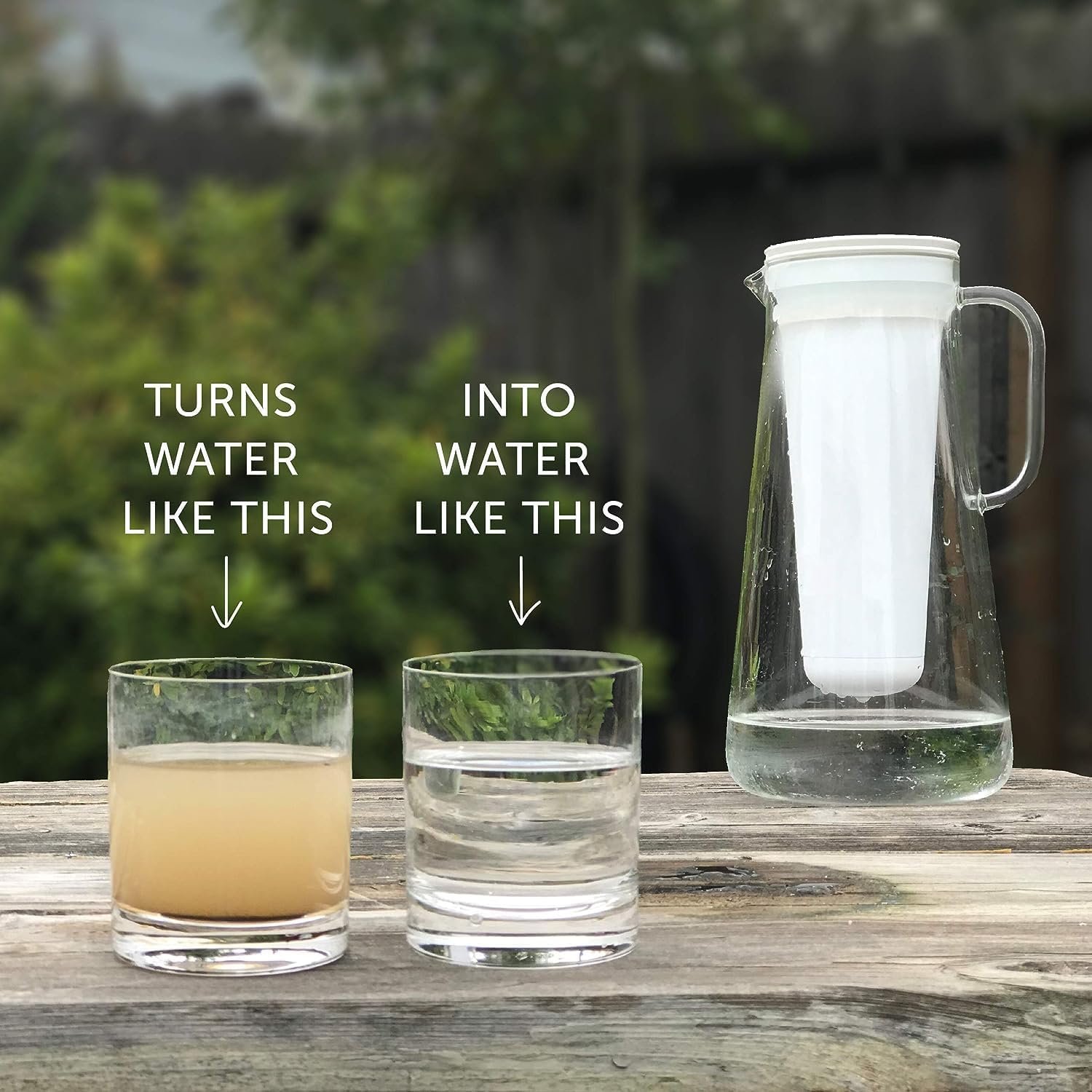
In everyday use the membrane tends to deliver clearer water and reduces visible particulates and microbial risk when installed in the correct housing. Flow is generally adequate for household use but will slow as sediment builds up; actual throughput depends on incoming water quality and your system’s configuration.
Taste and odor improvements are most noticeable when a membrane is paired with a carbon stage; a membrane alone mainly adds clarity and microbial protection rather than dramatic flavor changes. Keep in mind dissolved minerals and some ionic contaminants aren’t removed by membrane filtration alone, and laboratory test data or certifications should be consulted for specific contaminant claims.
Ease of Use and Maintenance
Installation is intended to be simple: most replacements seat into the existing housing without tools, but attachment details and any priming steps vary by model so follow the quick-start guide that comes with your system. New cartridges may need an initial flush as recommended by the manufacturer.
Routine upkeep is minimal—wipe and rinse housing parts during cleaning and avoid abrasive cleaners on the filter surfaces. The membrane should not be scrubbed; monitor flow rate and clarity to know when a replacement is due, and record installation dates or usage to stay on schedule.
Pros and Trade-Offs

The membrane cartridge provides strong protection against biological contaminants and fine particulates, and is intended to reduce microplastics and some chemical pollutants. It’s convenient for households wanting a replaceable element and helps reduce reliance on bottled water.
Trade-offs include slower flow compared with unfiltered water and ongoing expense for replacement cartridges. It’s not a catch-all—some dissolved substances and water chemistry issues need other treatments—and performance depends on the exact model/version and source water conditions.
Who This Product Is For
This replacement membrane microfilter suits households that want added protection at the point of use against bacteria, parasites and very small particles—particularly useful for private wells, older plumbing, renters, and small families. Parents and people with weaker immune systems who prioritize targeted filtration for drinking and cooking will find it practical.
It isn’t the best choice for whole-house high-flow needs or very large families that require continuous high output, and it’s not a no-maintenance pitcher solution. If you’re comparing long-term costs and replacement options, check the LifeStraw Home replacement pack and the various pitcher reviews to find the configuration that fits your routine.
As an Amazon Associate, I earn commission on qualified purchases.