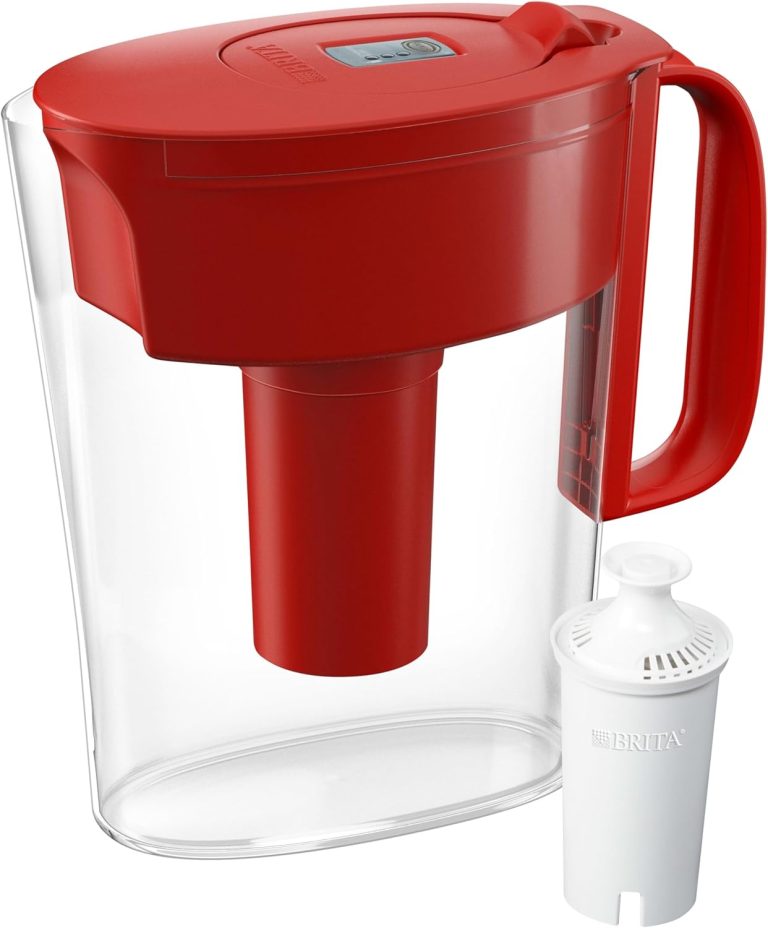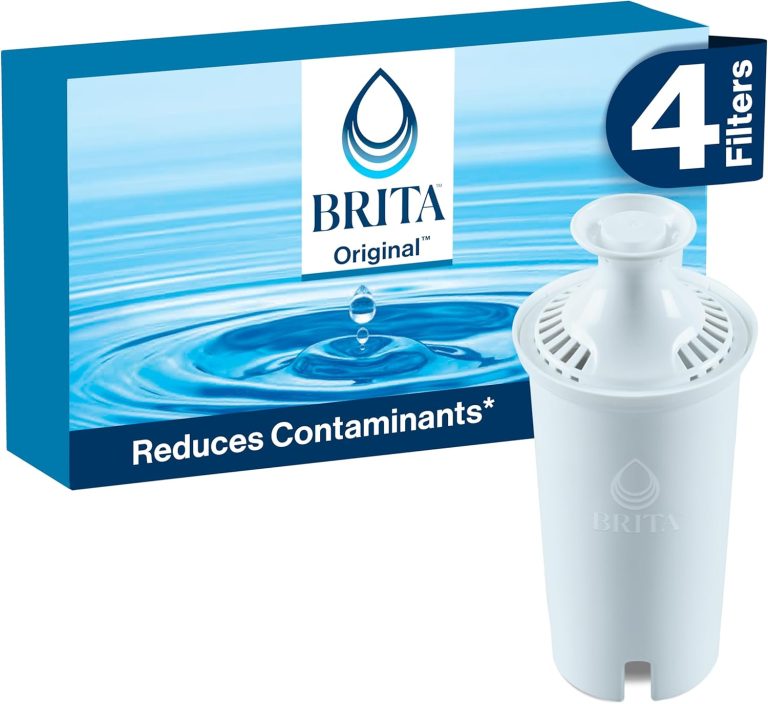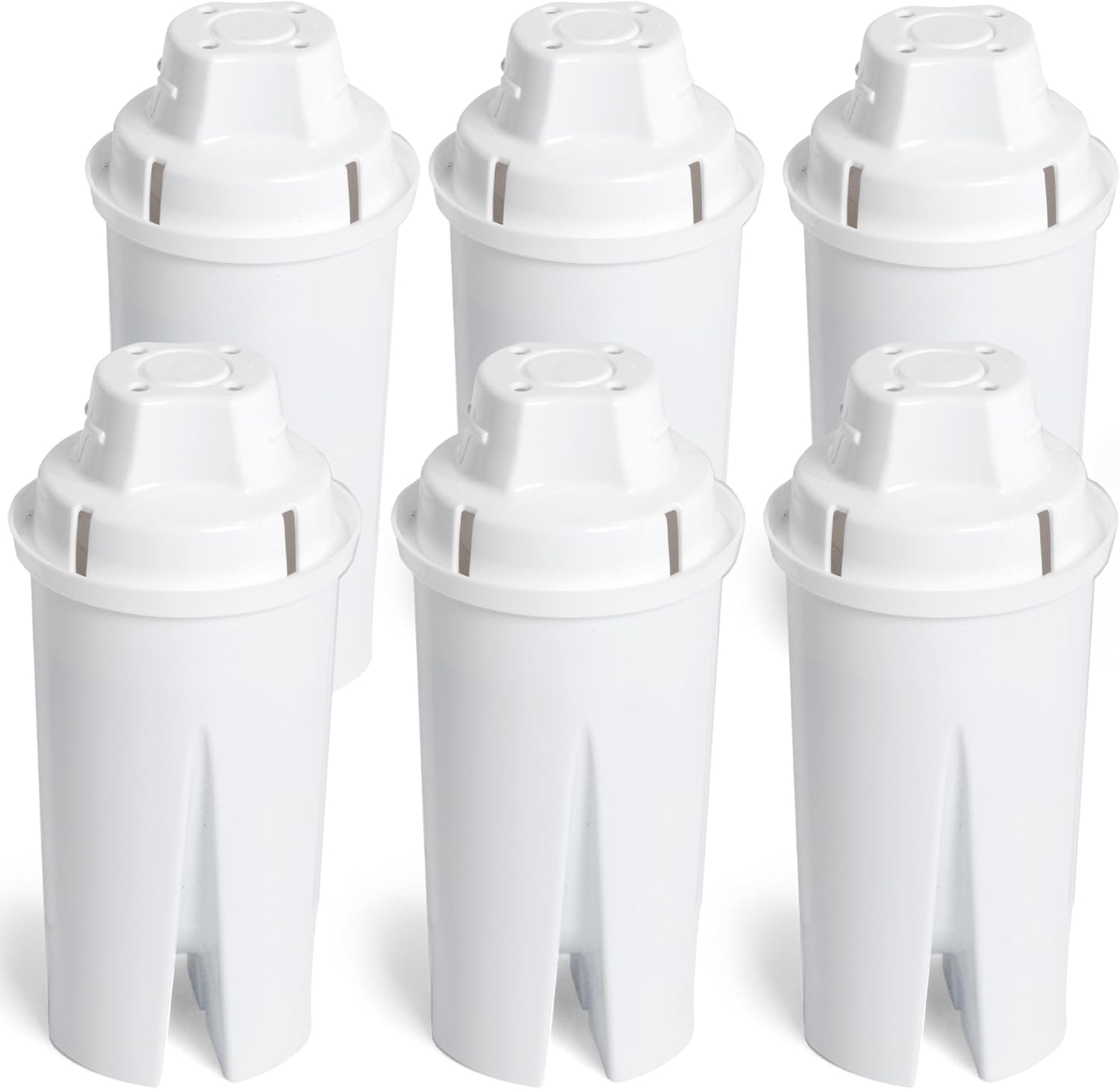
Amazon Basics Replacement Water Filters for Pitchers
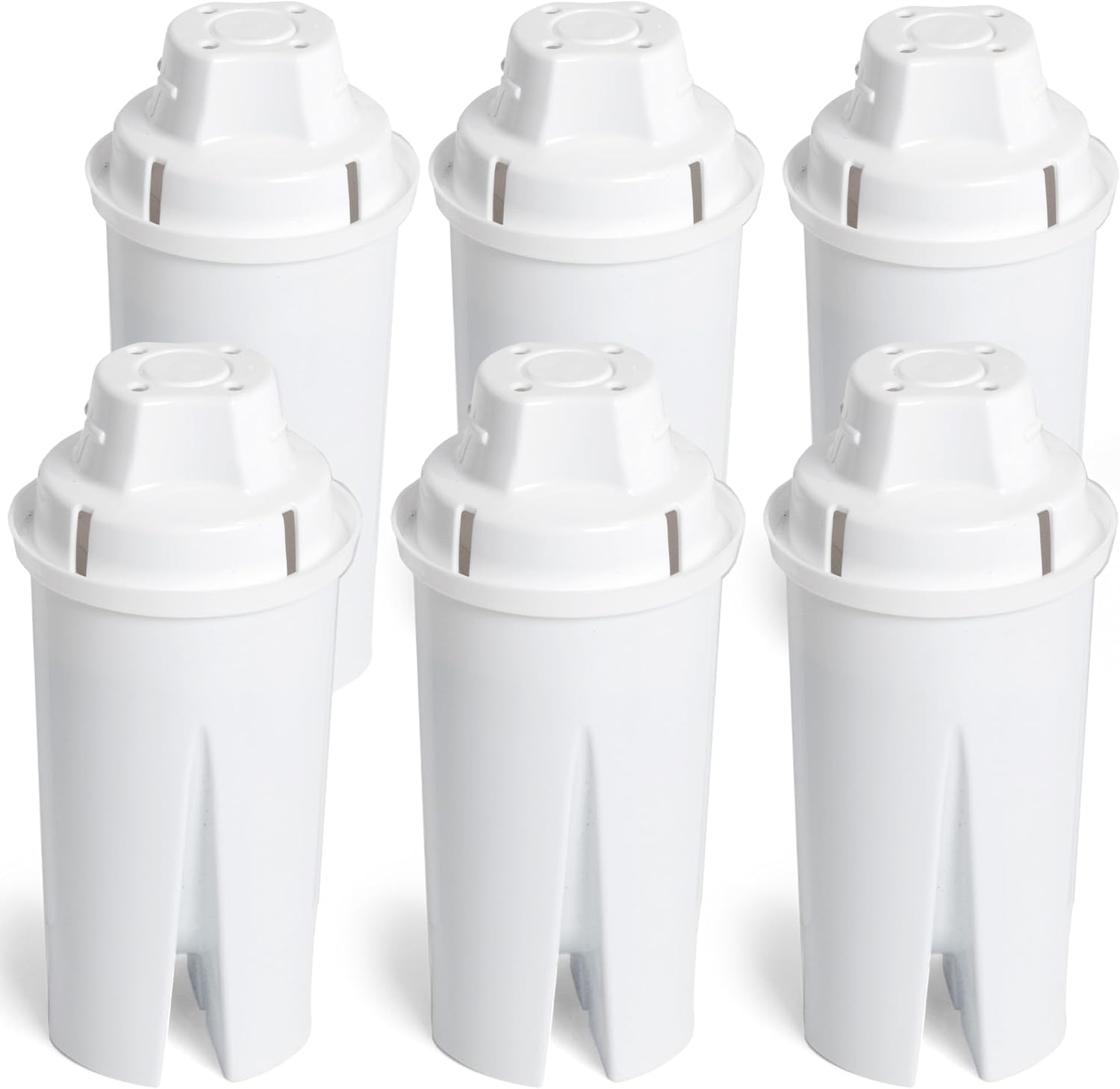
Amazon Basics Enhanced Replacement Water Filters are Brita-compatible, BPA-free cartridges with WQA and NSF certifications intended to improve taste, odor, and clarity from pitcher-style filtration. Sold in multi-packs, they aim to be a simple, low-maintenance option for households that want filtered tap water without plumbing changes.
Overview
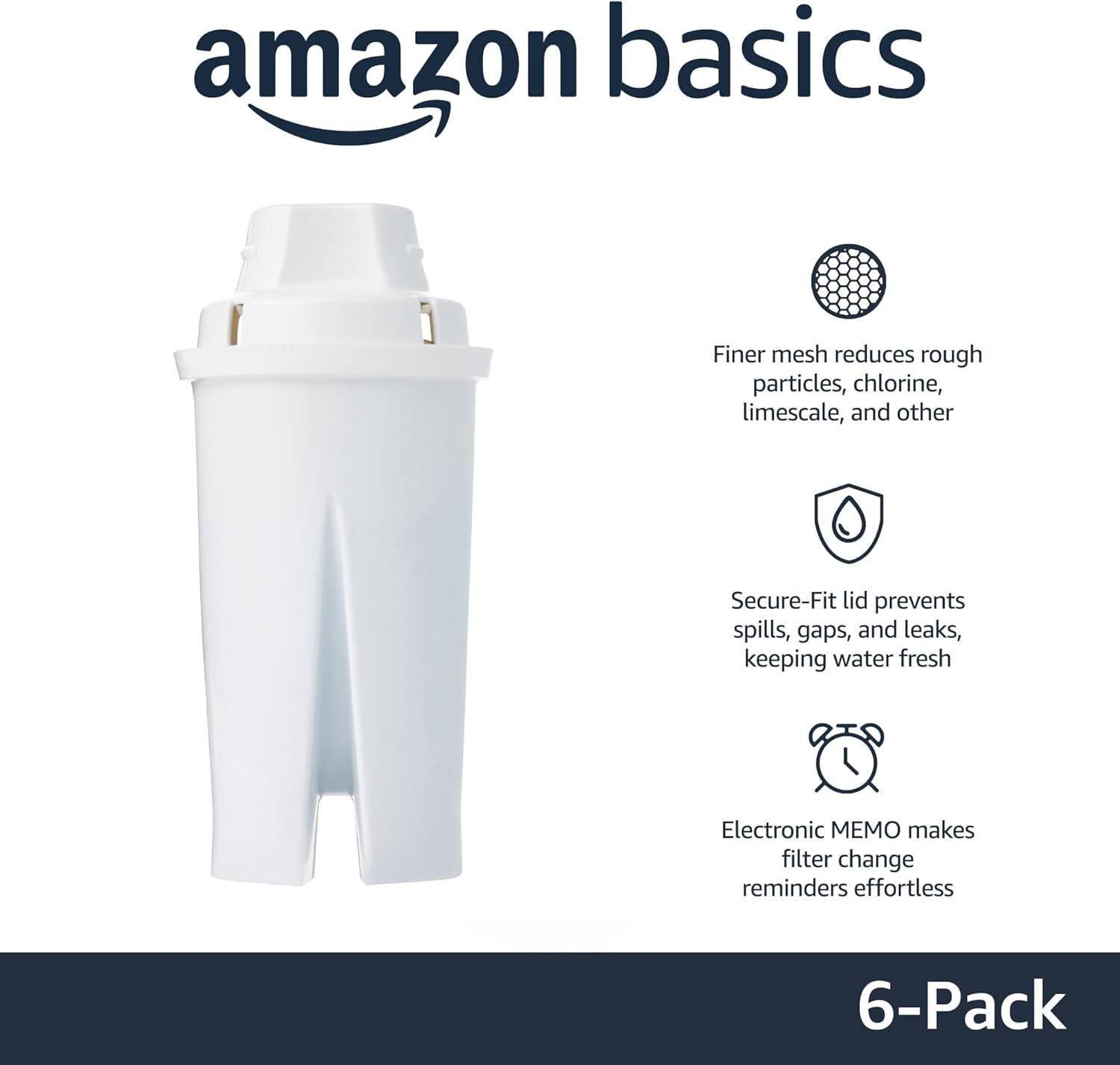
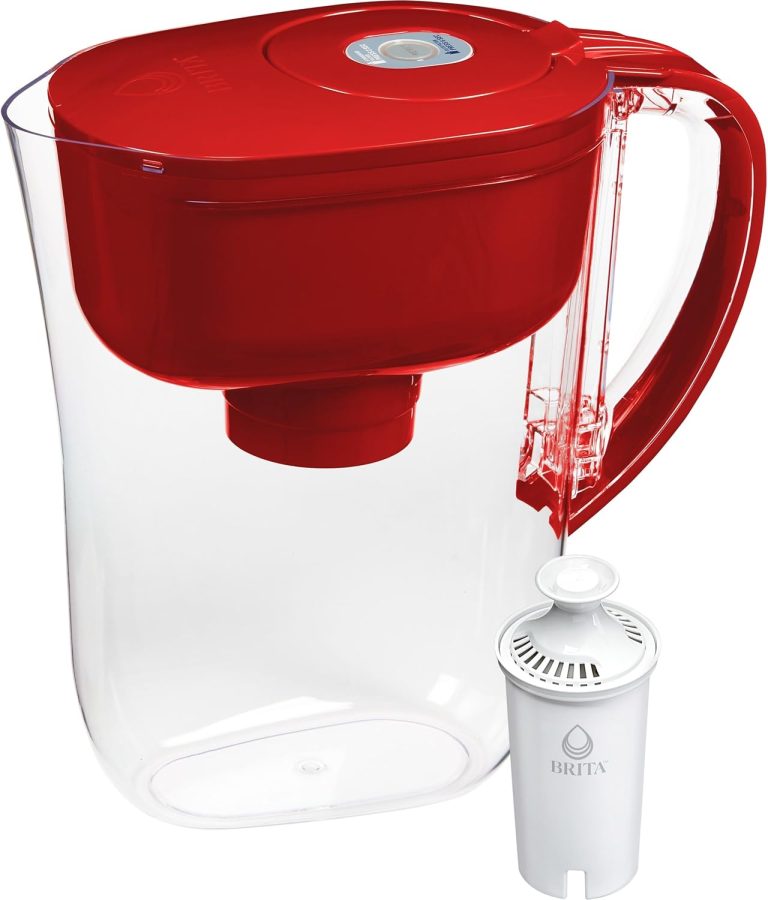
These are replacement filter cartridges made for pitcher-style water filtration. They are intended to reduce common taste and odor issues and remove fine particulates, giving clearer, better-tasting tap water from a countertop pitcher.
They’re aimed at households that rely on pitcher filters and want a straightforward, low-maintenance way to keep fresh filters stocked. If you prefer not to install under-sink equipment and want an economical alternative to single-use bottles, this type of refill option fits that need.
The product solves the simple problem of maintaining consistent home access to filtered drinking water without plumbing changes. It meets established industry performance standards and is offered in multi-pack options so you can keep replacements on hand — see our full review for more details.
Key Features
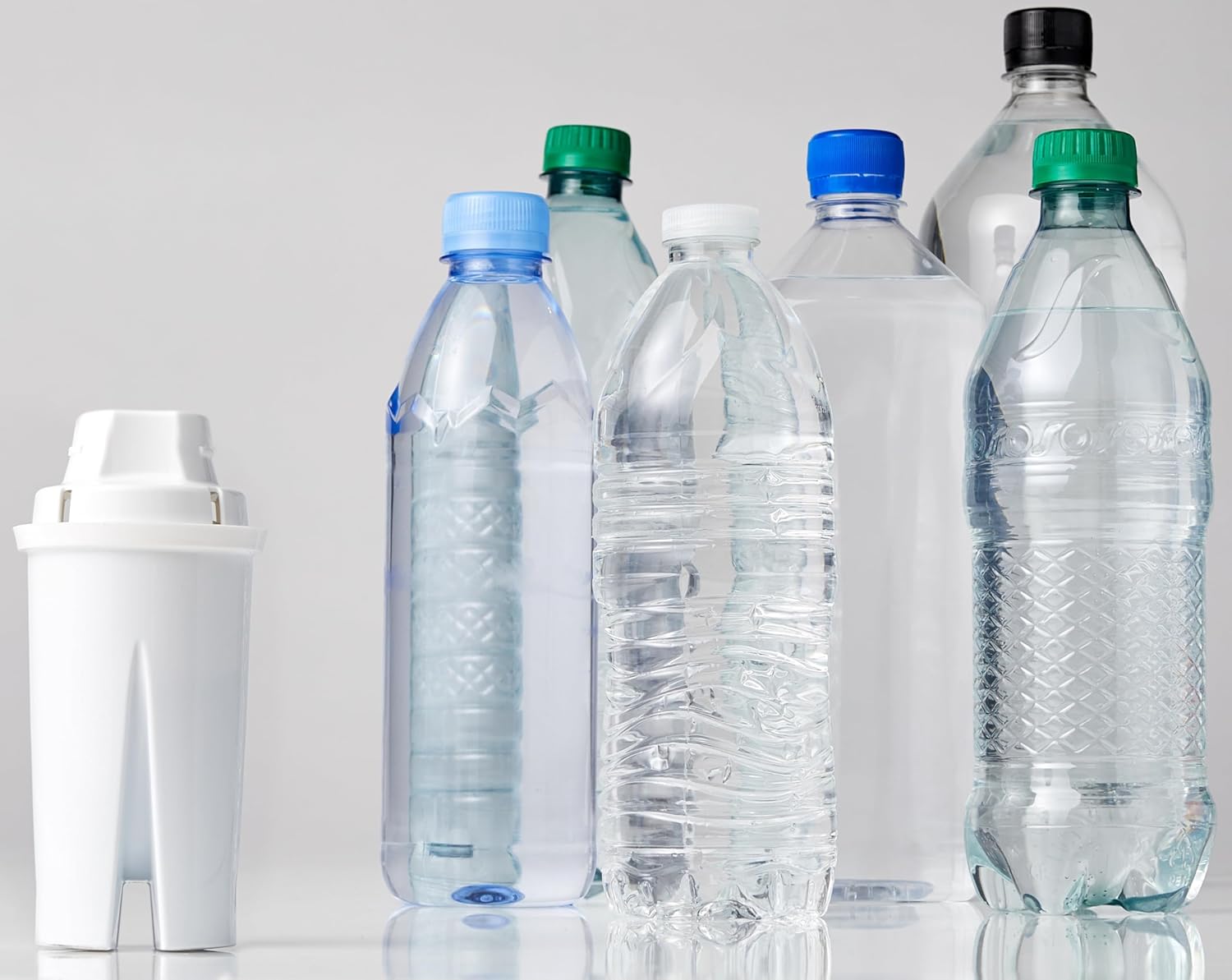
These replacement cartridges are built from BPA-free materials and carry WQA and NSF certifications, a combination that addresses both material safety and independent validation of filtration performance. That third-party testing is useful when comparing claims about what a filter will deliver.
The pack comes as multiple cartridges to keep spare filters on hand, reducing the need to reorder frequently. They’re designed to fit many standard pitcher and drinking-water filter systems, which makes swapping them into a household rotation straightforward — see our replacement water filters review for compatibility notes.
Installation is simple and intended to be a quick drop-in change, while the filter design aims to preserve everyday flow and improve taste, odor and clarity of tap water. Actual results can vary by water source and model/version, so follow local water guidance and the recommended replacement interval for best outcomes.
Real-World Performance
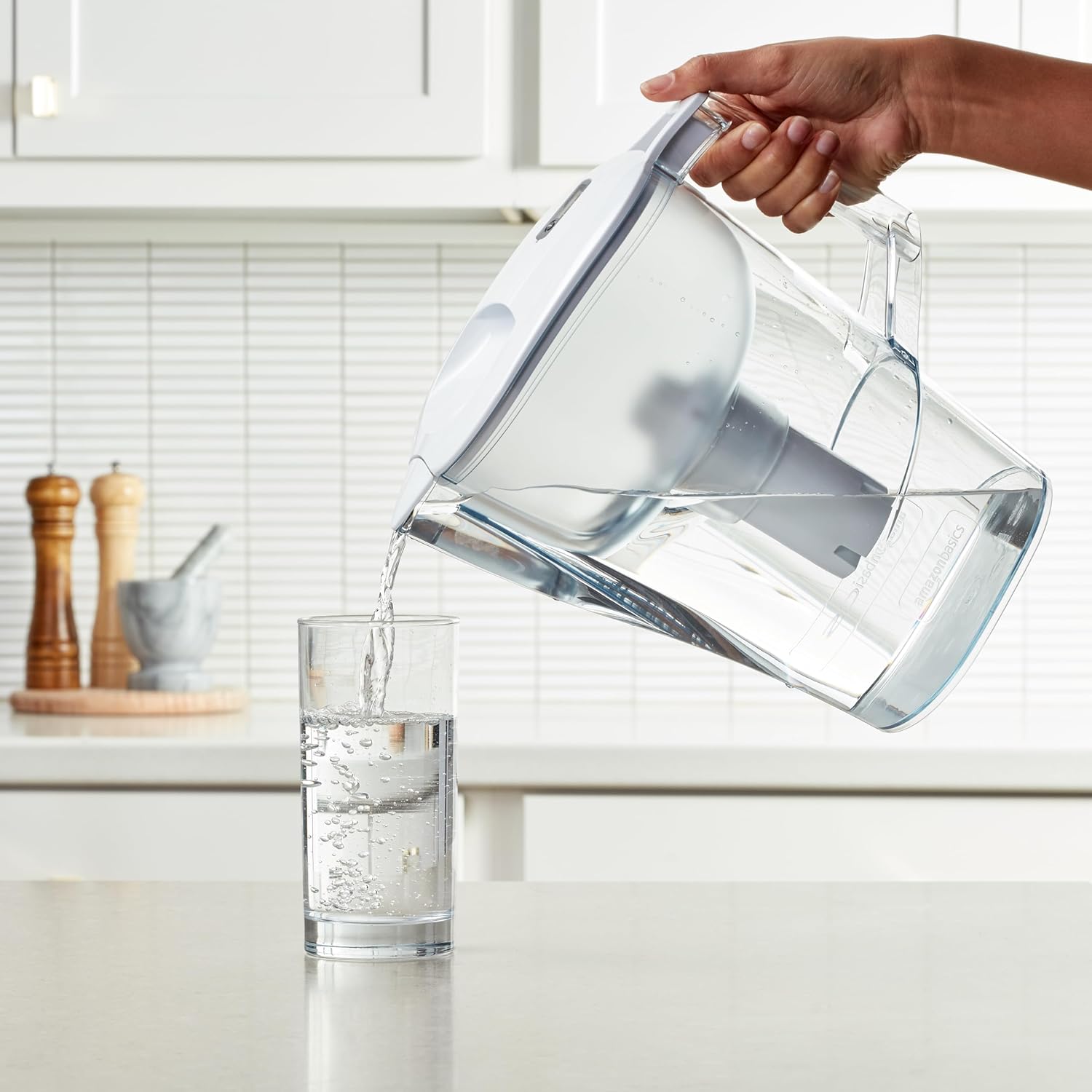
In everyday use these replacement cartridges deliver noticeably clearer tasting water for typical household tap supplies. Users report a reduction in common tastes and odors that affect drinking water, and the filtered water is generally suitable for cooking and hot beverages. Expect performance to reflect the quality of the incoming water—very hard or heavily contaminated sources will limit what any pitcher-style filter can achieve.
Flow rate and fill times are practical for routine pitcher use, though you may see slower filtration as a cartridge approaches the end of its useful life. Compatibility with standard pitcher systems makes swapping straightforward, but final fit and throughput can vary by model/version. Rinsing a new cartridge before first use and seating it properly helps avoid initial cloudiness or air pockets.
Maintenance is simple: regular replacements and occasional pitcher cleaning keep performance steady. How often you swap cartridges depends on your water use and local water conditions, so follow manufacturer guidance rather than a fixed rule. Buying multiple cartridges at once reduces the hassle of frequent reorders for households that use filtered water daily — for other Amazon Basics filtration options, see our inline water filter review.
Limitations are worth noting: these cartridges are intended for pitcher and small point-of-use applications and are not a substitute for whole-house treatment or specialized remediation (for example, heavy metals or municipal-level contaminants that require targeted systems). For the majority of households looking for improved taste and clarity from tap water, they perform as expected; for more complex water issues, a different solution may be necessary.
Ease of Use and Maintenance
Installation is straightforward: unbox the cartridge, remove any packaging, and seat it in the pitcher’s filter chamber following the product instructions. The design aims to make alignment and attachment intuitive so that first-time setup doesn’t require tools or complicated steps.
Keeping the system clean is low-effort. Wash the pitcher and lid regularly with warm, soapy water and a soft cloth to avoid residue; avoid abrasive scrubbers and harsh chemicals. The filter element itself should be handled according to the manufacturer’s guidance—typically rinsed or flushed before first use and not subjected to soaking or dishwashing.
Ongoing upkeep centers on timely replacements and simple habits. How often a filter should be changed varies by model/version and by household water use and quality, so follow the provided replacement guidance or use any built-in indicator if available. Store spare cartridges in a cool, dry place and log replacement dates to maintain consistent performance and taste.
Pros and Trade-Offs
These cartridges offer noticeable improvements in taste and clarity for many users, and the presence of third-party certification suggests they meet recognized industry standards for contaminant reduction. The BPA-free construction is a practical plus for peace of mind, and the design is intended to work with a range of common pitcher-style filtration systems, making them an easy swap-in for many households.
Cost and convenience are definite advantages when buying replacement filters in larger quantities, and bulk options can reduce the frequency of reorders. Installation is straightforward for most pitchers, and routine use doesn’t demand special skills beyond the usual priming and rinsing steps recommended for cartridge filters.
On the downside, compatibility is not universal—some pitcher models may require an adapter or a different filter form factor, so it’s important to confirm fit before purchasing. Filter life and performance depend heavily on local water quality and how often the pitcher is used; in other words, longevity varies by model/version and by household conditions.
In short, these filters are a practical, certified, and BPA-free option for many people seeking improved tap water taste and basic contaminant reduction, but prospective buyers should verify compatibility and plan for replacement intervals that reflect their own water use and quality.
Who This Product Is For
This option is aimed at people who rely on pitcher-style filtration and want an affordable, no-frills replacement that focuses on clearer tasting water and routine contaminant reduction. It’s a sensible choice for households that prefer BPA-free components and value products that undergo third-party certification for standard performance.
It’s not the right fit for anyone dealing with specialized water problems—such as heavy sediment, persistent microbiological issues, or the need for targeted removal of a particular contaminant—where dedicated point-of-use or whole-home systems are more appropriate. Homeowners who require laboratory-grade treatment or who must meet a precise contaminant-removal specification should consider alternative solutions.
Ideal users include renters, students, small families, or anyone who wants an easy-to-install cartridge compatible with common pitcher-style systems and who prefers keeping a supply of replacements on hand to avoid frequent shopping trips.
As an Amazon Associate, I earn commission on qualified purchases.