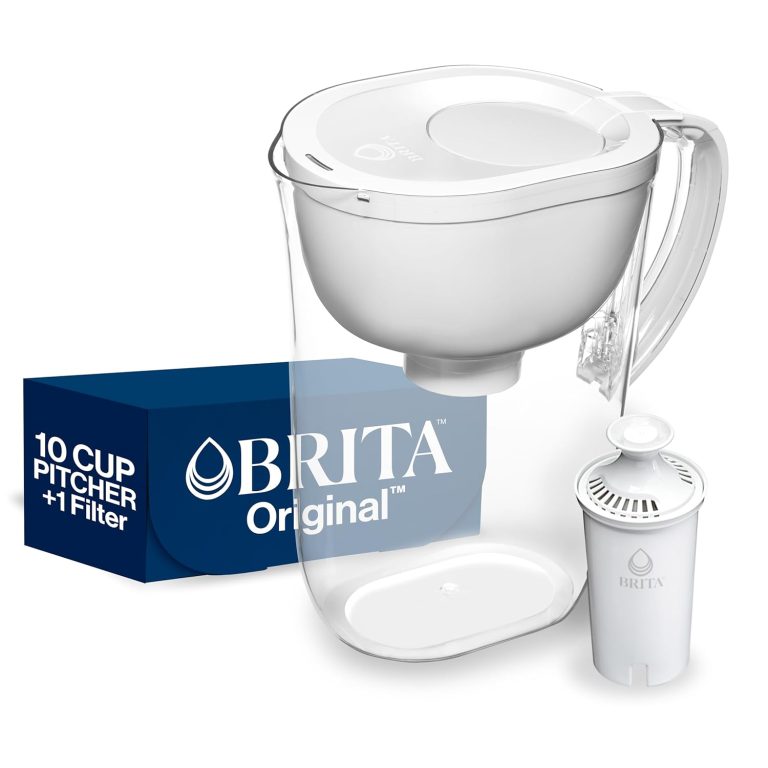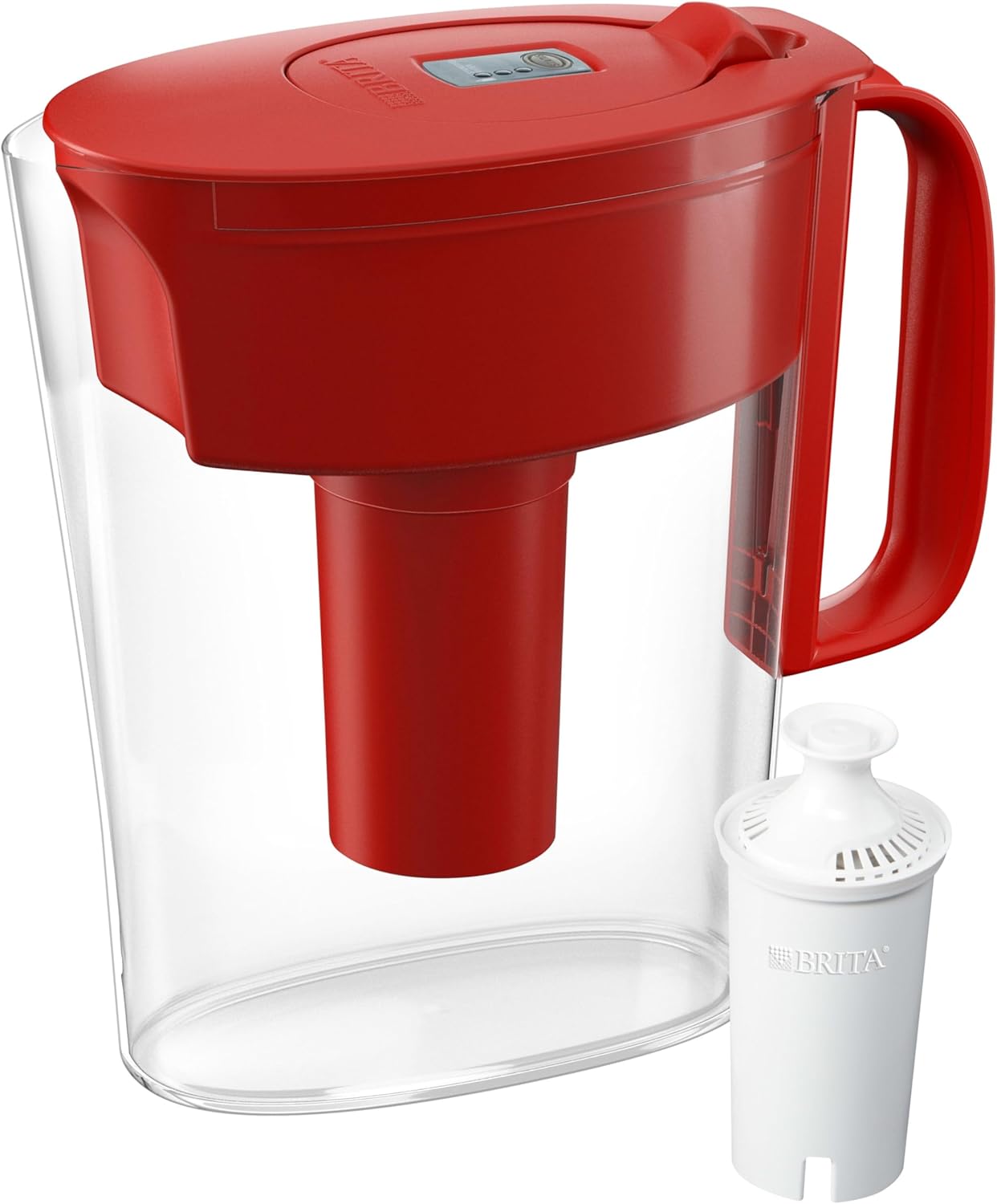
Brita Water Filter Pitcher 6-Cup, 1 Standard Filter Red
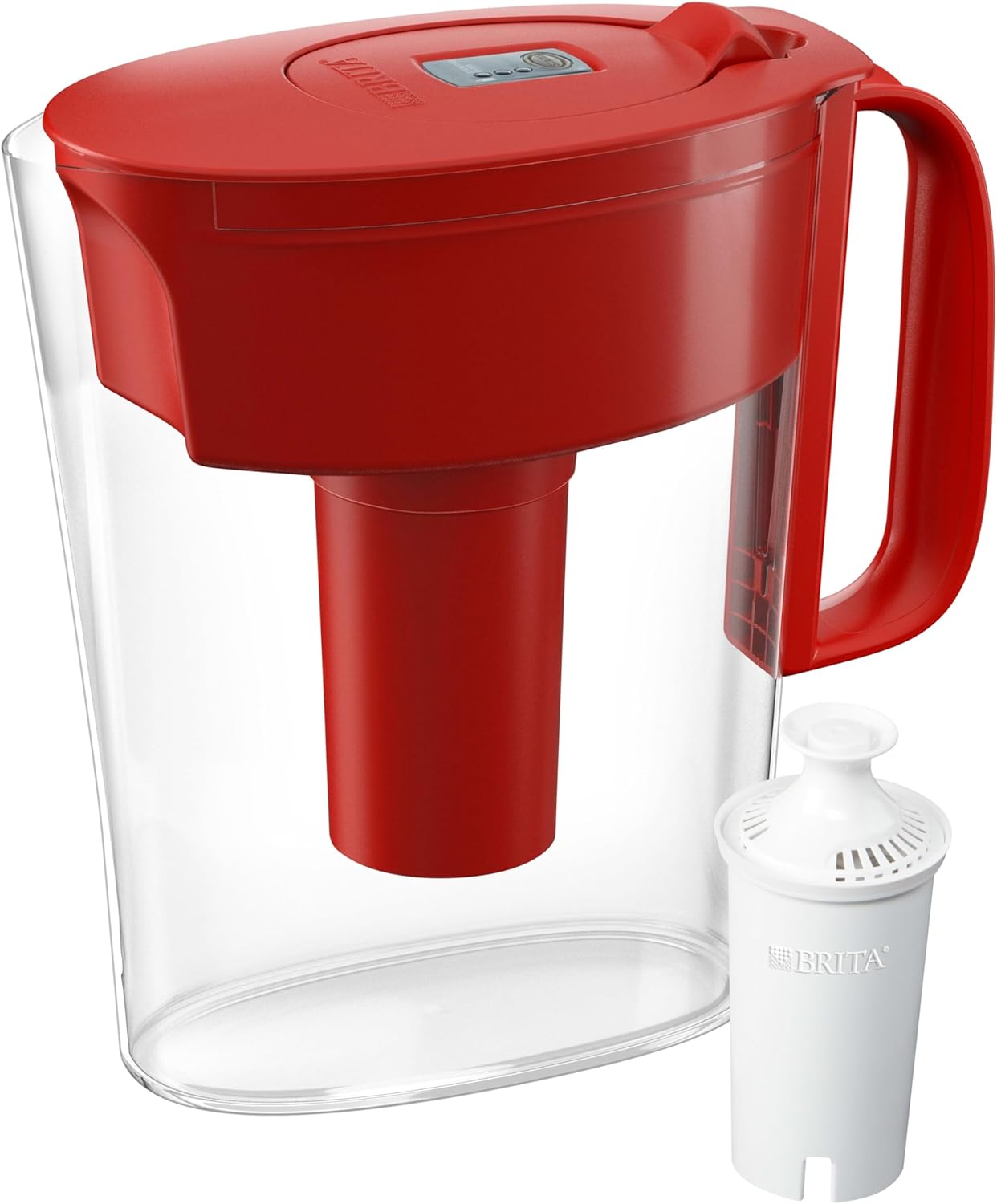
The Brita 6-cup pitcher is a compact, counter- or fridge-friendly filter designed to reduce chlorine taste and certain metals while improving everyday tap water flavor. It’s a low-effort option for one to two people who want better tasting water without installing plumbing fixtures, though it isn’t a replacement for advanced point-of-use systems if you have specific contaminant concerns.
Overview
This is a countertop pitcher with a replaceable filtration cartridge designed to make tap water taste and smell better while reducing common impurities. It provides a simple way to have filtered water on hand for drinking and cooking without modifying existing plumbing.
Ideal for people who rent, have limited kitchen space, or prefer a low-cost alternative to bottled water, the unit is meant to be an easy, everyday solution rather than a whole-house system. Setup is minimal and it stores in the fridge or on the counter for quick access.
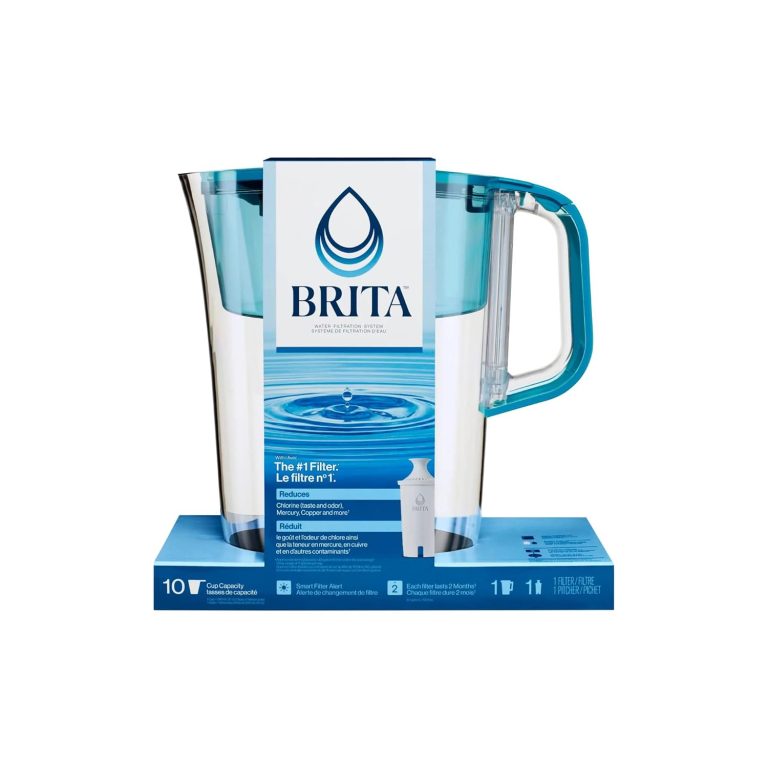
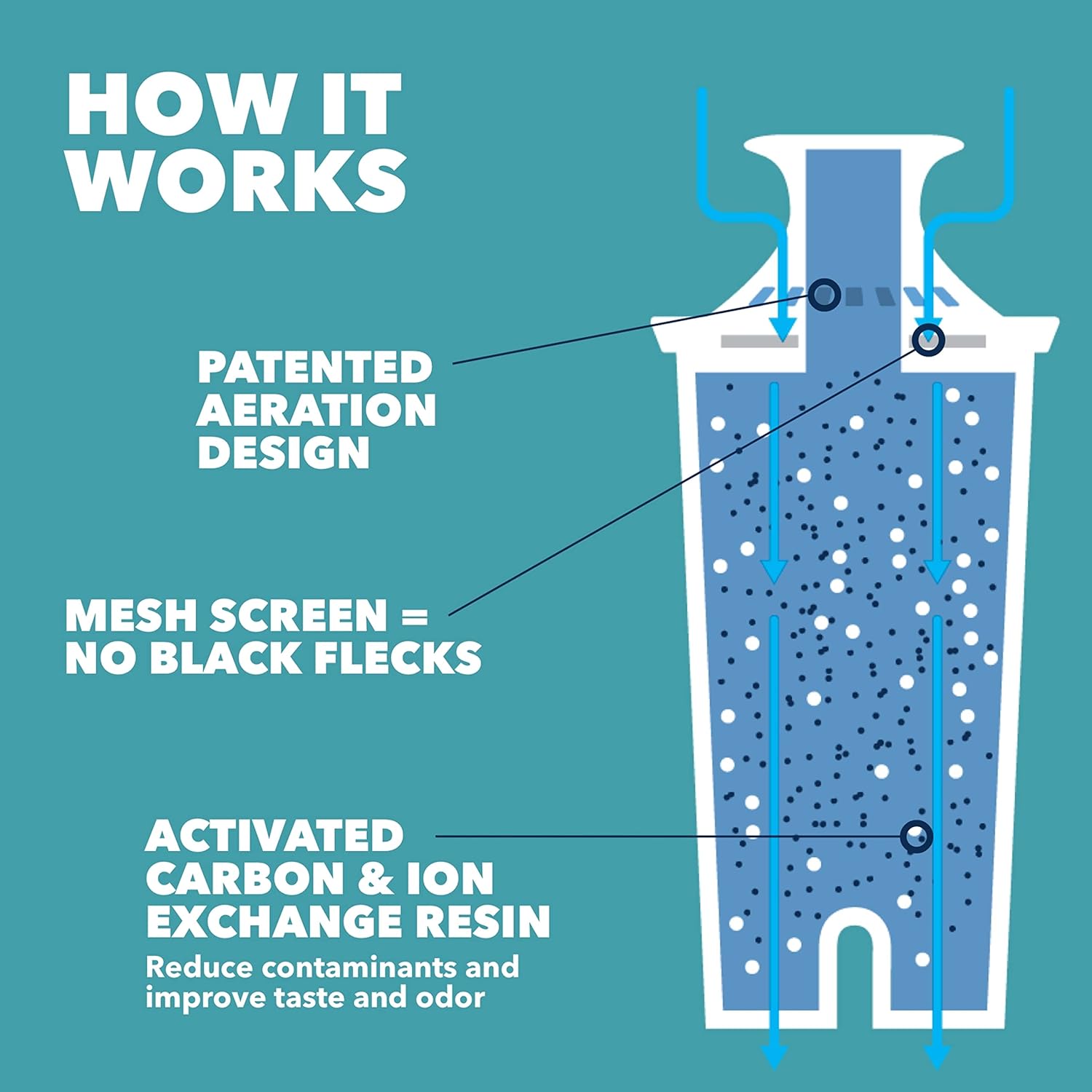
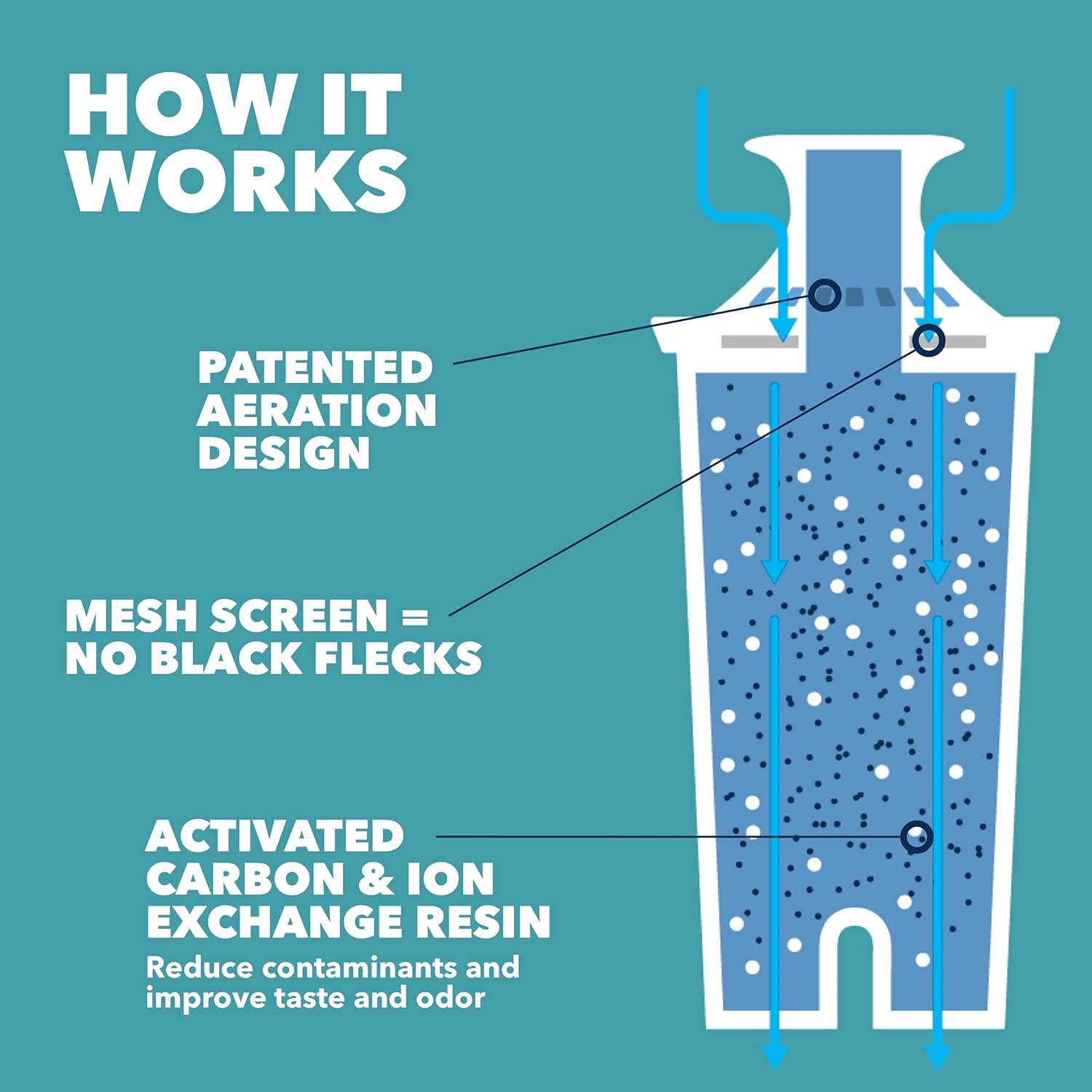
The product addresses common concerns about chlorine taste and minor contaminants by passing tap water through an internal filter before use. Replacement frequency and ongoing performance vary by model/version, so consider those factors when planning maintenance and long-term cost. For households that need more capacity, see options like a larger 10-cup pitcher for fewer refills.
Overall it’s a practical, no-frills way to improve drinking water taste without installation or significant expense.
Key Features
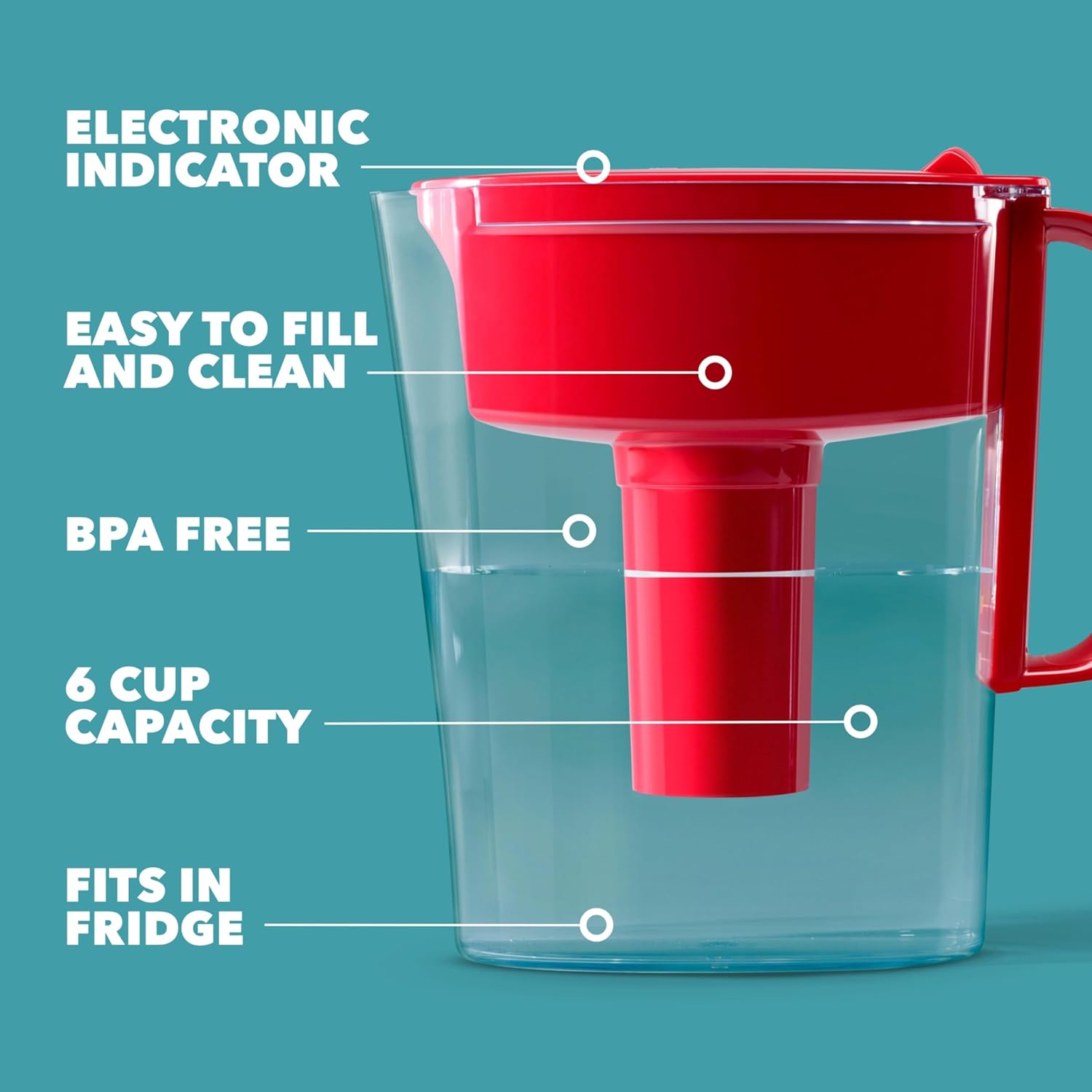
The pitcher uses a single, replaceable cartridge to treat tap water, making everyday drinking and cooking tastes cleaner and less chlorinated. Its compact form is intended for countertop or fridge storage and the stated capacity suits one to two people or a small household needing ready-to-pour filtered water.
Construction is described as BPA-free, which is useful for anyone concerned about plastic contact with drinking water. The design focuses on simple pouring and a comfortable grip so refilling and serving feel familiar compared with glass or more complex filtration systems.
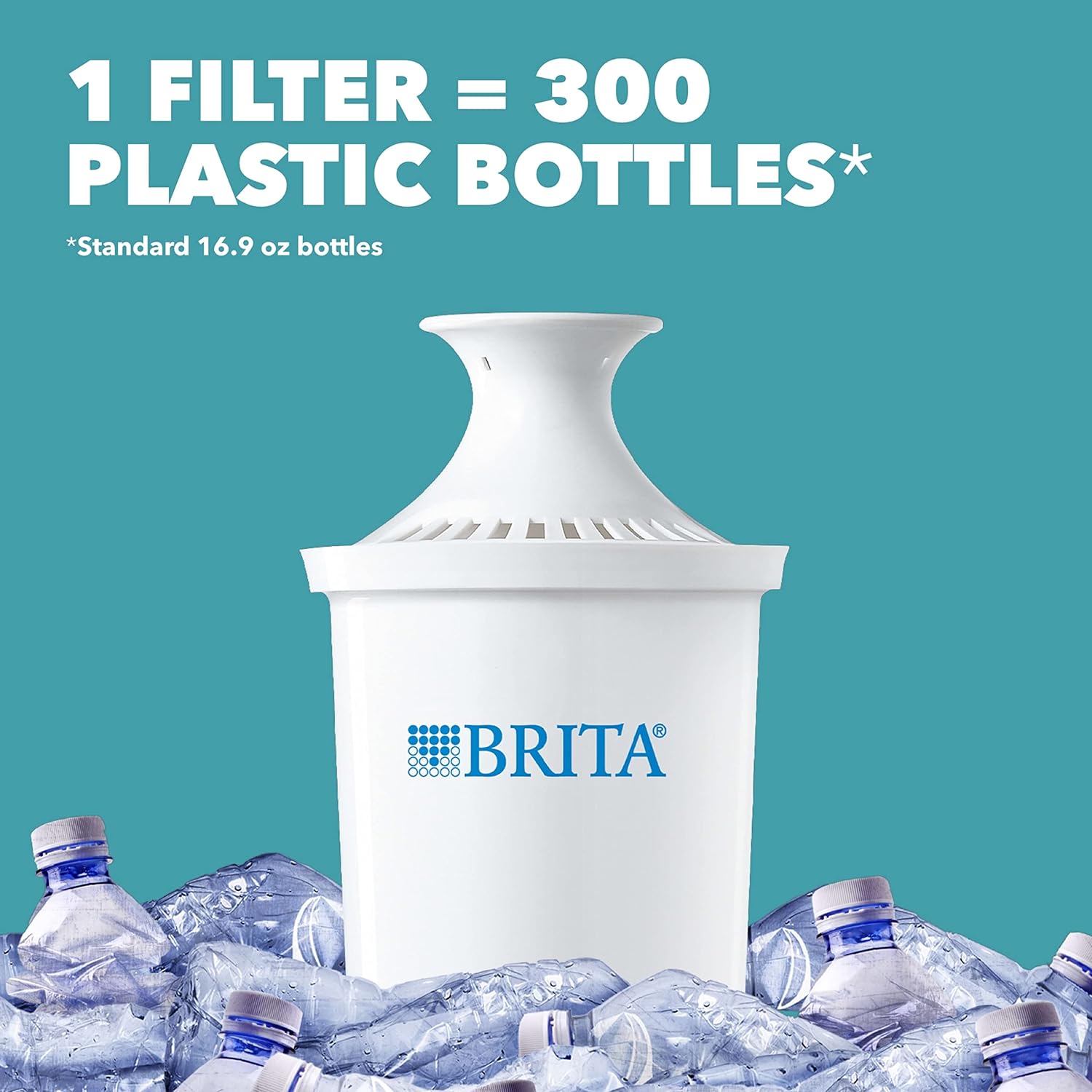
Replacement cartridges are standard size and the manufacturer lists an approximate service life per filter; actual longevity will vary by usage and water quality. Routine upkeep is straightforward: swap in a fresh cartridge when performance drops or after the recommended interval to maintain taste and flow. Replacement filters are widely available if you need spares or higher-density options.
Overall, the practical features center on convenience—an easy-fill top, a compact profile, and widely available replacement filters—making it a sensible choice for those who want better-tasting tap water without installing under-sink equipment.
Real-World Performance
In everyday use the pitcher noticeably improves taste and reduces common off-odors that come from municipal tap water, making plain drinking water and mixed beverages more pleasant. The filtered output is suitable for routine kitchen uses like drinking, ice, and cooking without extra steps or special equipment.
Refilling and pouring are straightforward and the design fits easily on a countertop or in a fridge door. Filtration speed and usable volume vary by model/version and by local water conditions, so how often you refill or change the cartridge will depend on your household’s water quality and consumption patterns.
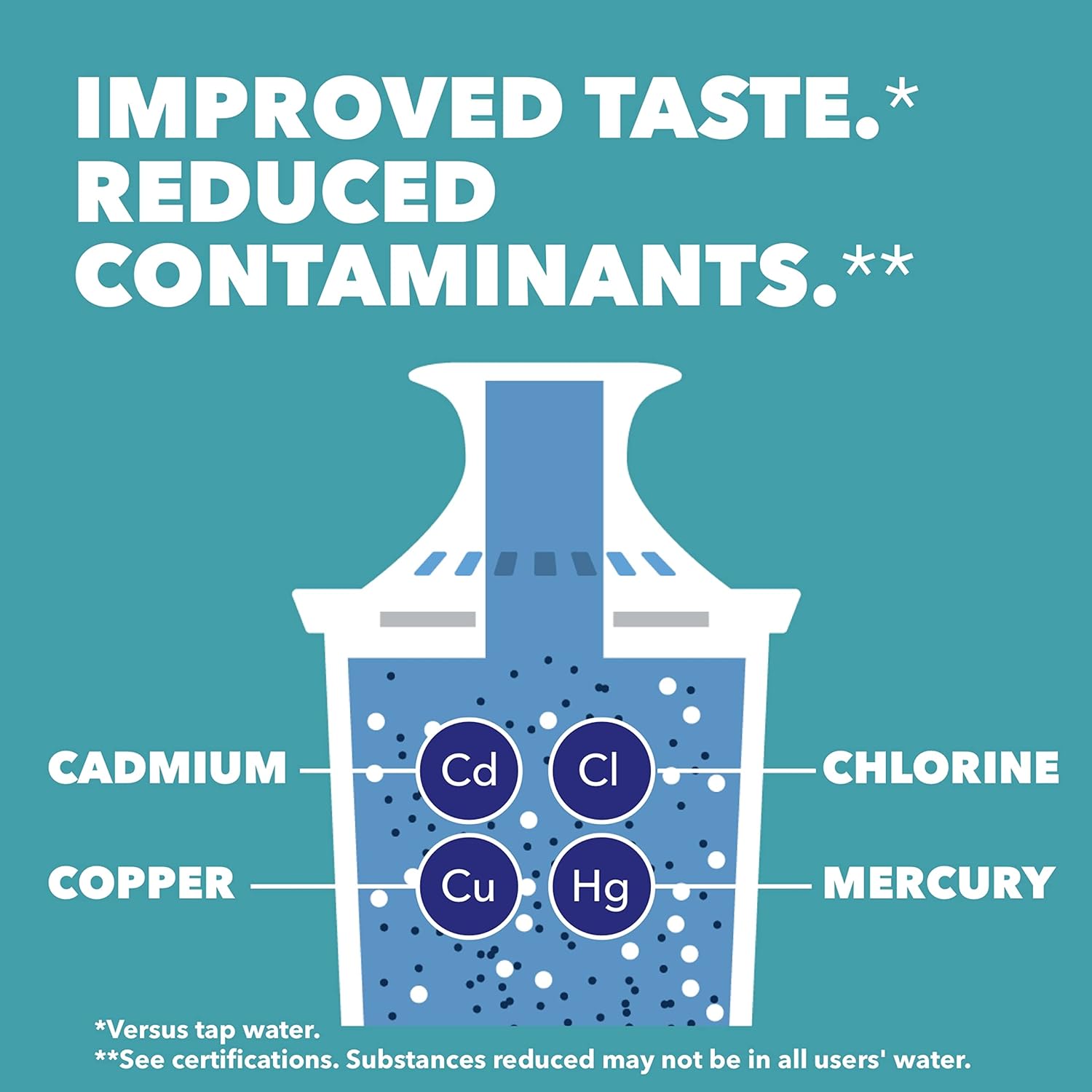
There are limits to what a consumer pitcher removes: it’s aimed at improving taste, odor and reducing certain particulates rather than eliminating every contaminant or providing advanced purification. For those wanting low-effort, everyday improvement of drinking water it performs well, but homes with specific contaminant concerns should consider targeted testing and alternative treatment options.
Ease of Use and Maintenance
Setup is straightforward: follow the included instructions for preparing and seating the filter, then fill the reservoir and let water pass through. If preparation or priming is required, the paperwork in the box will outline the steps you need to take before first use.
Cleaning is simple and can be done with mild dish soap and a soft sponge; remove the cartridge before washing internal parts to avoid wetting the filter. Check the user guide to confirm whether any pieces are dishwasher-safe, as that detail varies by model/version.
Cartridge replacement should follow the manufacturer’s timeframe and will depend on your household’s water usage and quality. Some pitchers include a replacement indicator—if yours does, rely on it; otherwise use a calendar reminder based on your consumption patterns.
For ongoing upkeep, keep the lid and spout free of residue and store the unit out of direct sunlight and extreme temperatures. Empty and dry the reservoir if you won’t use it for an extended period to prevent odors and maintain consistent flow and taste.
Pros and Trade-Offs
This pitcher is easy to use and sits neatly on a countertop or in a fridge door, making it a straightforward choice for anyone who wants better-tasting tap water without plumbing changes. The simple pour-and-store design and lightweight construction make daily use and handling uncomplicated, and materials are designed for food contact.
On the flip side, it requires regular filter replacements and occasional cleaning of the reservoir and lid. Flow is not instantaneous like straight tap water, so it’s not ideal if you need large volumes quickly. The filtration improves taste and odor for many users, but it isn’t a substitute for more advanced whole-house or point-of-use systems for removing all kinds of contaminants.
Ongoing costs and convenience depend on how often the cartridge is swapped and where replacements are purchased, so those factors are worth considering before buying. For people seeking an inexpensive, low-effort way to improve drinking water quality, the trade-offs are modest; for households needing high-volume or specialized contaminant removal, a different solution may be more appropriate.
Who This Product Is For
This is a good match for someone living in a small household who wants a simple way to improve the taste and smell of their tap water without changing plumbing. It suits renters, students, and anyone who prefers a portable, countertop solution they can move between the kitchen and fridge.
It also fits buyers who value low-maintenance convenience: easy refilling, lightweight handling, and minimal ongoing setup make it practical for busy schedules or for people new to at-home filtration. Those who want an affordable, entry-level step toward better drinking water will find it suitable; if you prefer an even smaller, more portable model consider the Brita Small Cup option for tight spaces.
Skip this if you need very high daily water volume, want a hands-off continuous dispenser, or face severe water-quality issues that require specialized or whole-house treatment. In those cases, point-of-use under-sink systems or professional filtration options are likely a better fit.
As an Amazon Associate, I earn commission on qualified purchases.