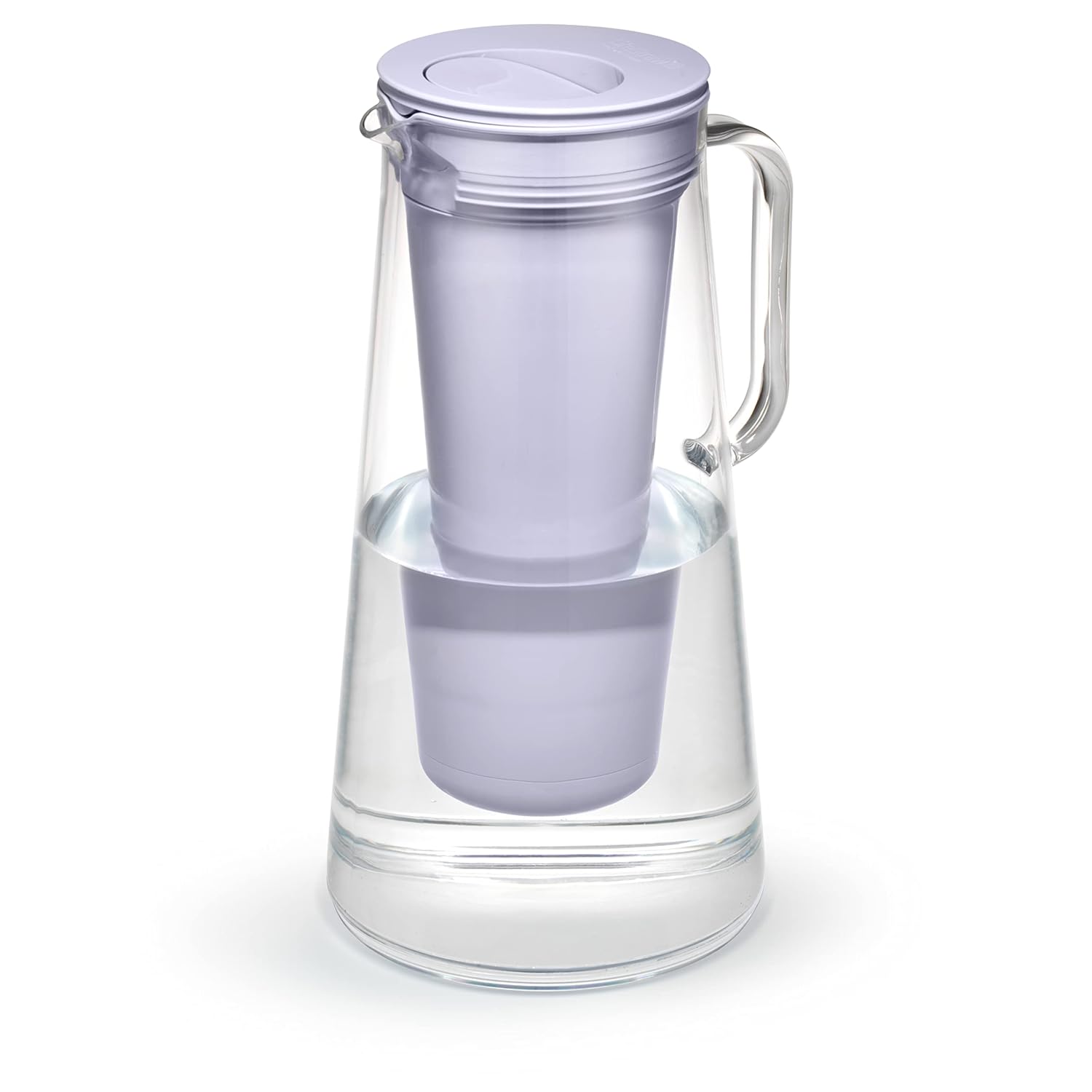
LifeStraw Home Water Filter Pitcher 10-Cup Wisteria BPA-Free
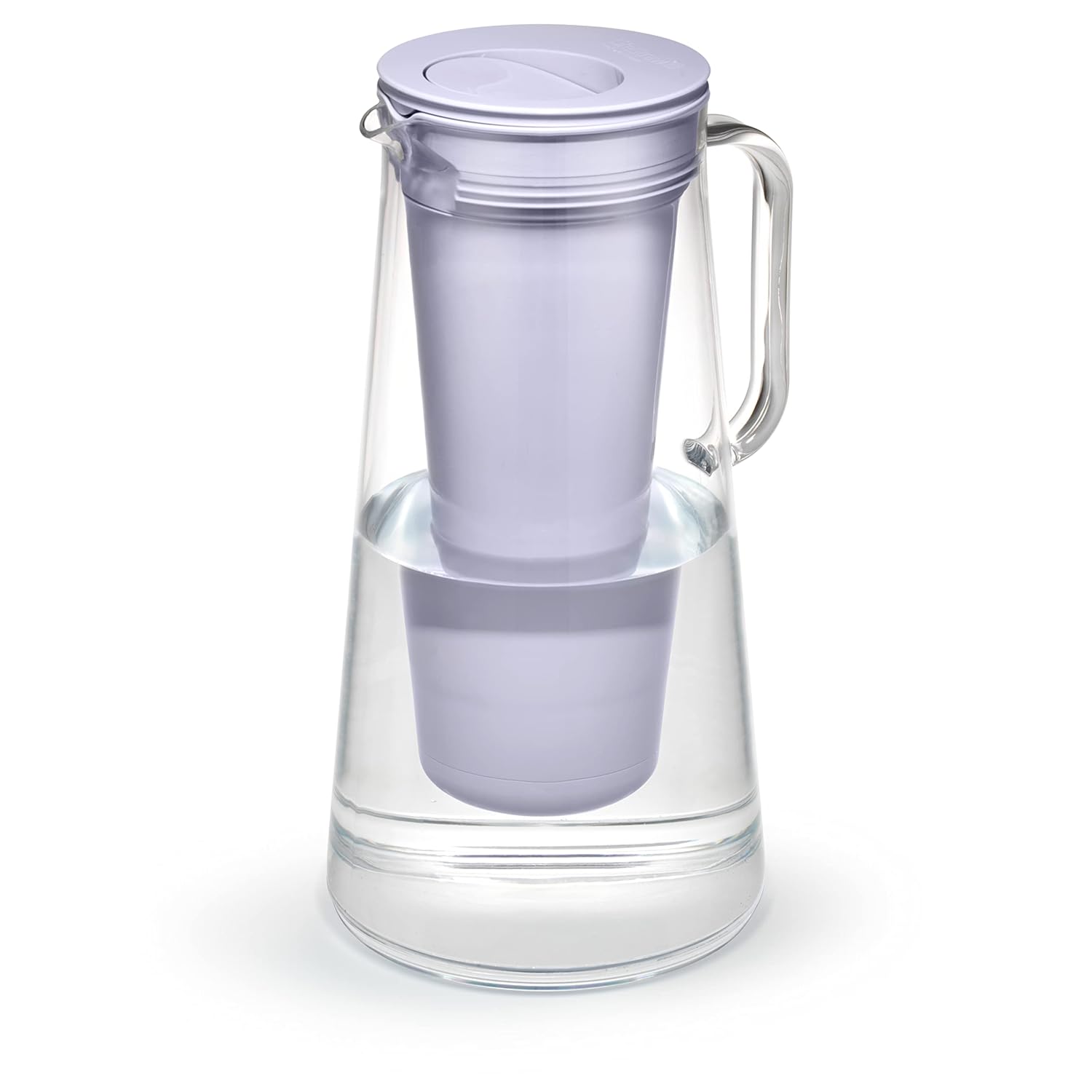
The LifeStraw Home 10-cup pitcher pairs a long‑lasting membrane microfilter with a replaceable activated carbon + ion exchange cartridge to reduce microbes, microplastics, heavy metals and select chemicals including PFAS. Made from BPA‑free plastic and designed for countertop use, it’s intended as an easy point‑of‑use option for small households and renters who want improved taste and clarity without plumbing changes.
Overview
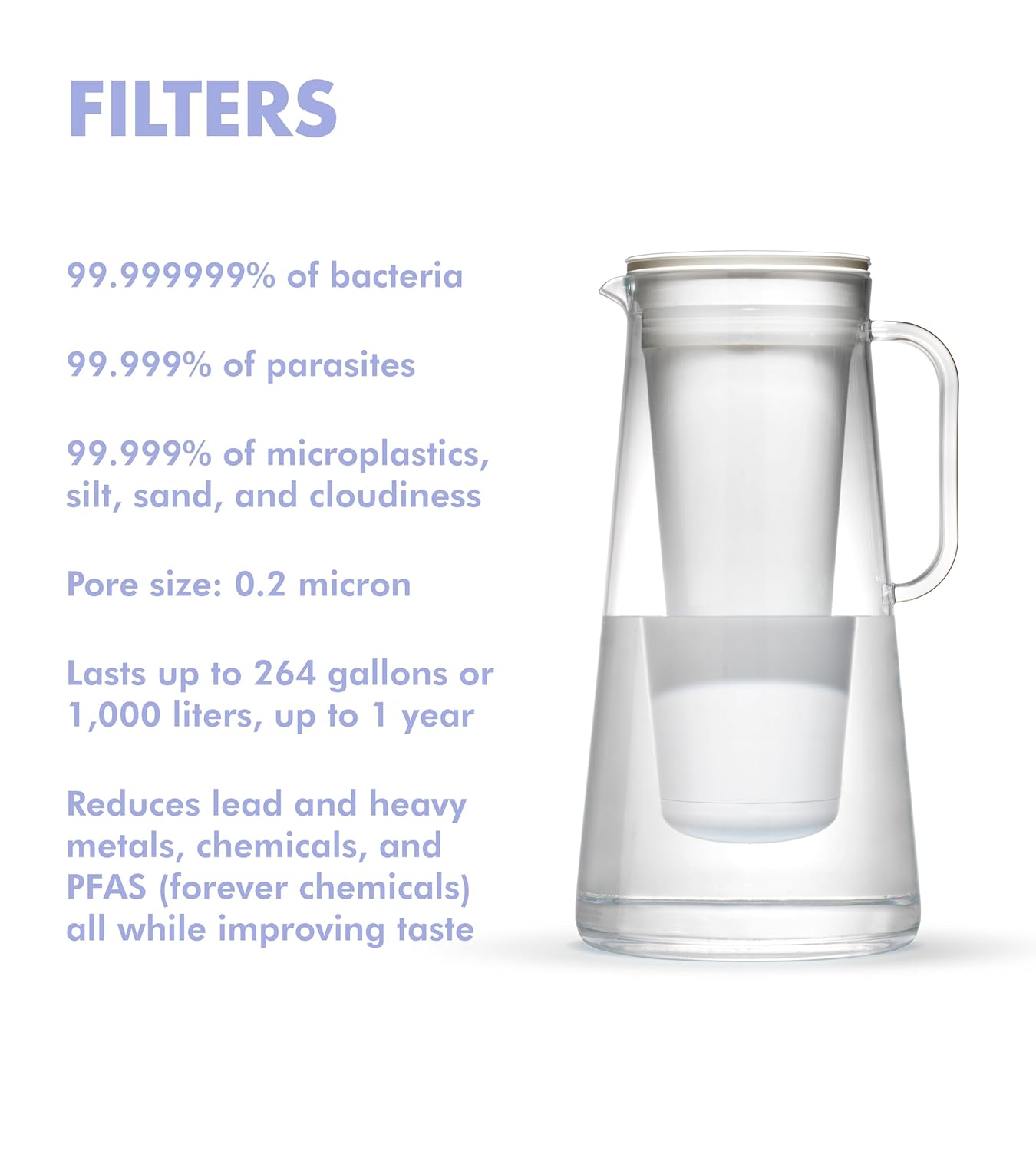
This countertop pitcher treats tap water using a replaceable cartridge and an integrated membrane microfilter to improve everyday drinking water. It aims to reduce bacteria, parasites, microplastics, lead, mercury, PFAS and a range of chemical tastes and odors so water looks and tastes cleaner at the point of use.
Designed for simple household use, the unit provides an extra layer of protection without any plumbing work. The combination of the long‑lasting membrane and the replaceable activated carbon + ion exchange cartridge helps address both microbial and chemical concerns while keeping the system portable and easy to move between locations.
Consider replacement availability and long‑term cartridge costs when evaluating this pitcher for regular use — the filter element is user‑replaceable and life varies by water quality and usage. For more on cartridge options, see the LifeStraw Home activated carbon + ion exchange cartridge details.
Key Features
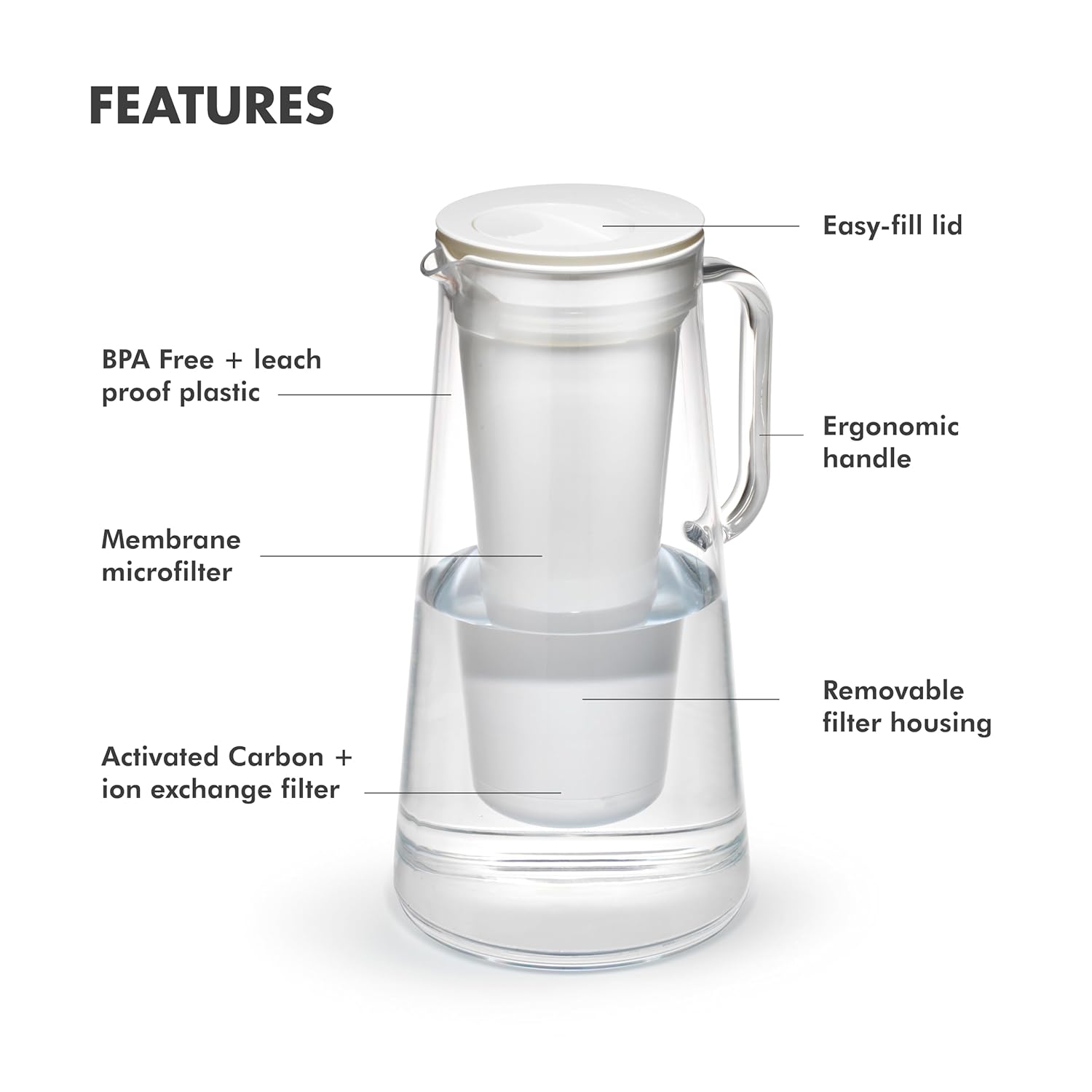
The pitcher uses a multi‑stage approach: a membrane microfilter for mechanical removal of microbes and microplastics plus an activated carbon/ion exchange stage that adsorbs chemicals and reduces heavy metals. This pairing is intended to deliver clearer, better‑tasting water while addressing a broad set of everyday contaminants.
Construction is focused on practicality — BPA‑free plastic, a compact form factor for countertop or fridge use, and a simple pour spout for ease of serving. Some versions may include a life indicator to signal cartridge replacement; check the specific model for that feature.
Replacement filters are user‑replaceable, and cadence depends on water quality and consumption. Confirm specs and certifications for the exact version you buy to ensure it meets your removal needs and replacement expectations.
Real-World Performance
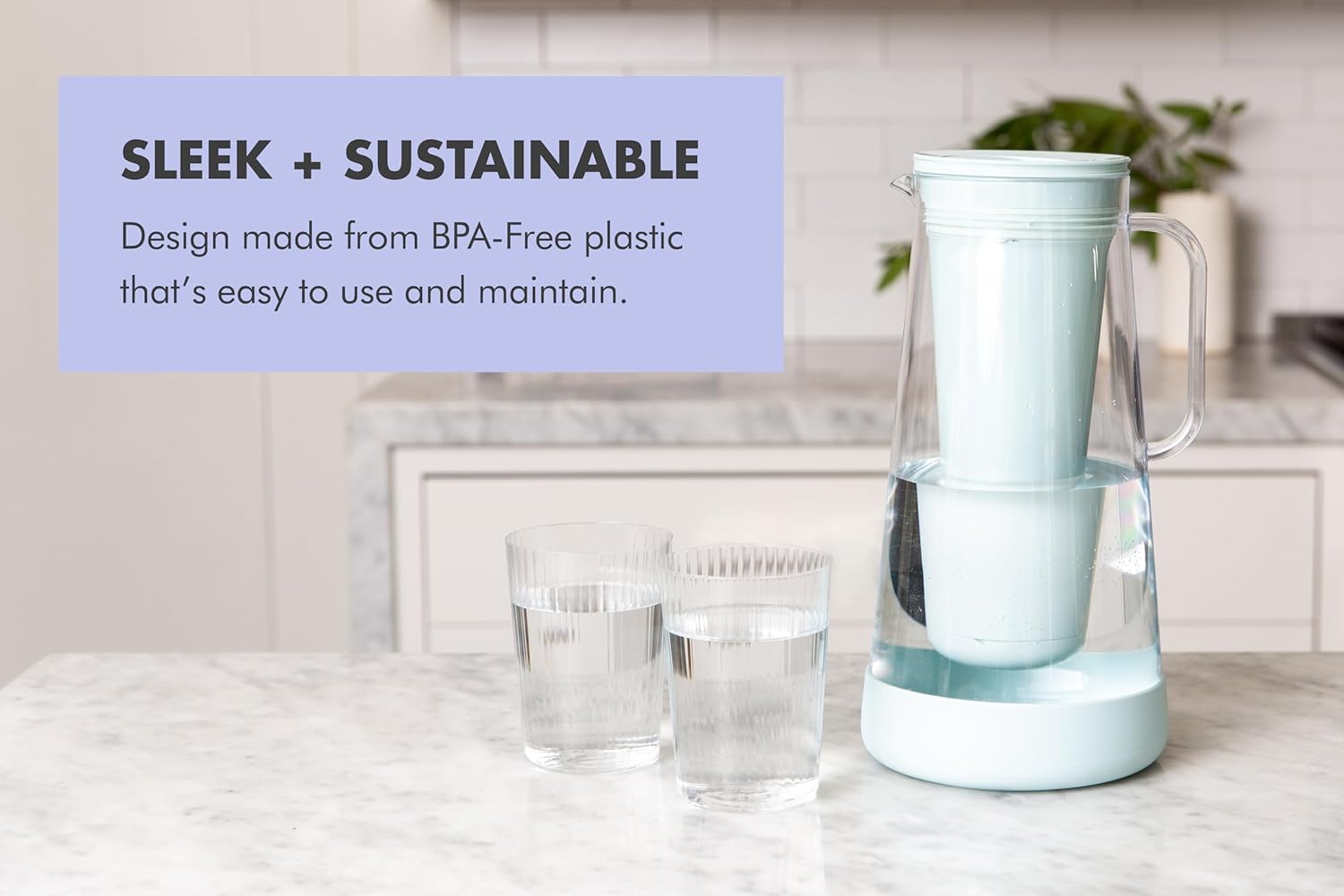
In daily use the pitcher commonly improves clarity and taste, reducing visible particles and off‑flavors for many municipal and well users. Because filtration occurs as water flows through the cartridge, expect a slower fill rate compared with direct tap flow.
Maintaining steady performance depends on regular cartridge care: clean the reservoir and lid, follow priming instructions, and swap the cartridge per the manufacturer’s guidance. A noticeable drop in flow or a change in taste can signal the end of service life.
Note practical limits: this pitcher is not a whole‑house solution, won’t desalinate water, and may not address severe contamination that requires professional remediation. For specific contaminant concerns, consult independent test data or a water professional.
Ease of Use and Maintenance
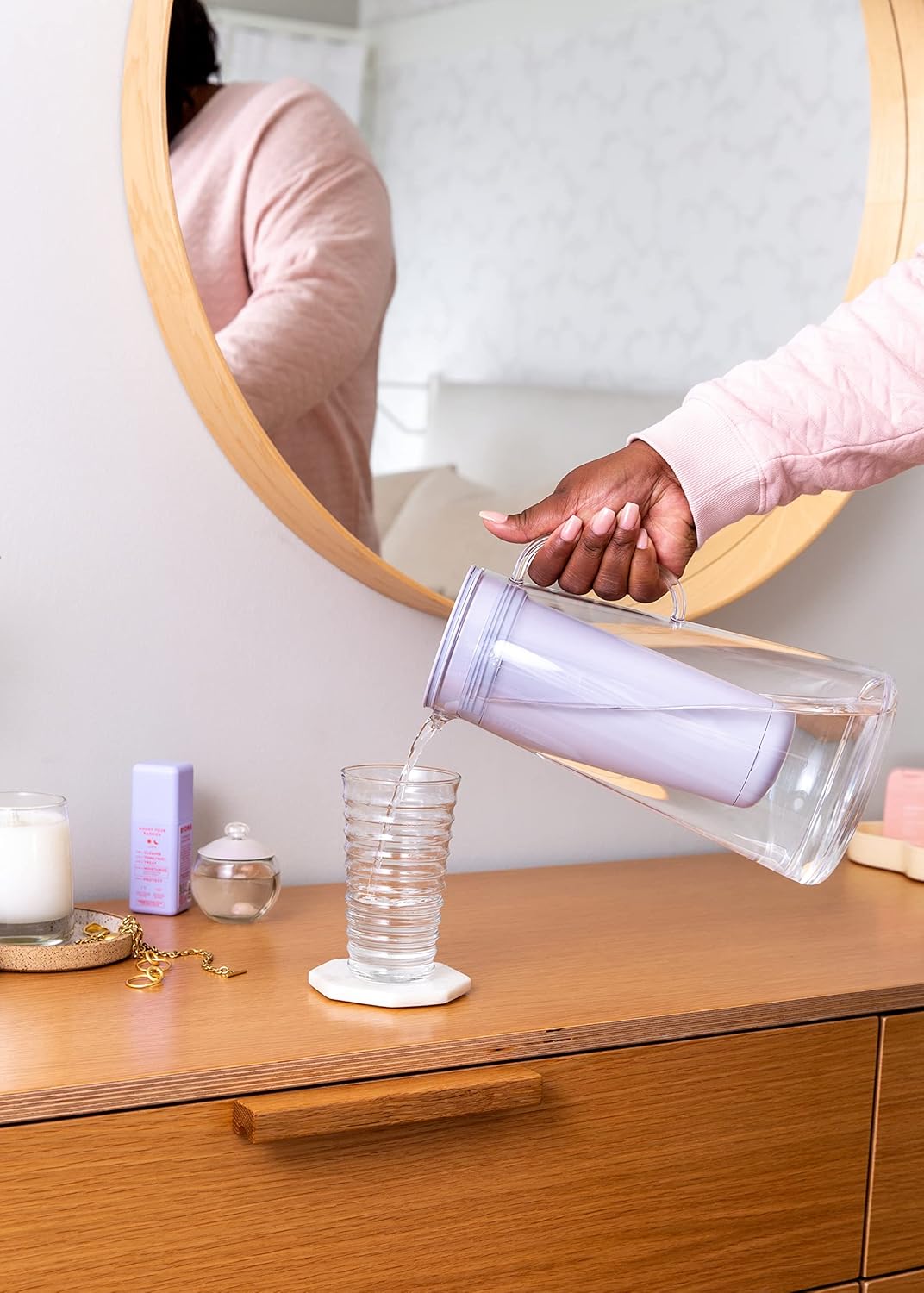
Setup is straightforward: seat the filter, follow initial flushing steps, and the pitcher is ready without tools. Most parts that contact water are removable for easy washing with mild soap; avoid abrasive cleaners and check whether your model’s parts are dishwasher‑safe.
Filter cartridges must be replaced periodically; actual life depends on water quality and usage patterns. Keep a spare cartridge on hand if you rely on filtered water daily, and consult the manufacturer for replacement guidance and compatible parts like the LifeStraw Home membrane microfilter.
Rinse or refill regularly, avoid leaving water standing for long periods, and inspect seals and housing for proper seating to maintain flow and performance. Store the pitcher out of direct sunlight and in a cool place when not in use.
Pros and Trade-Offs
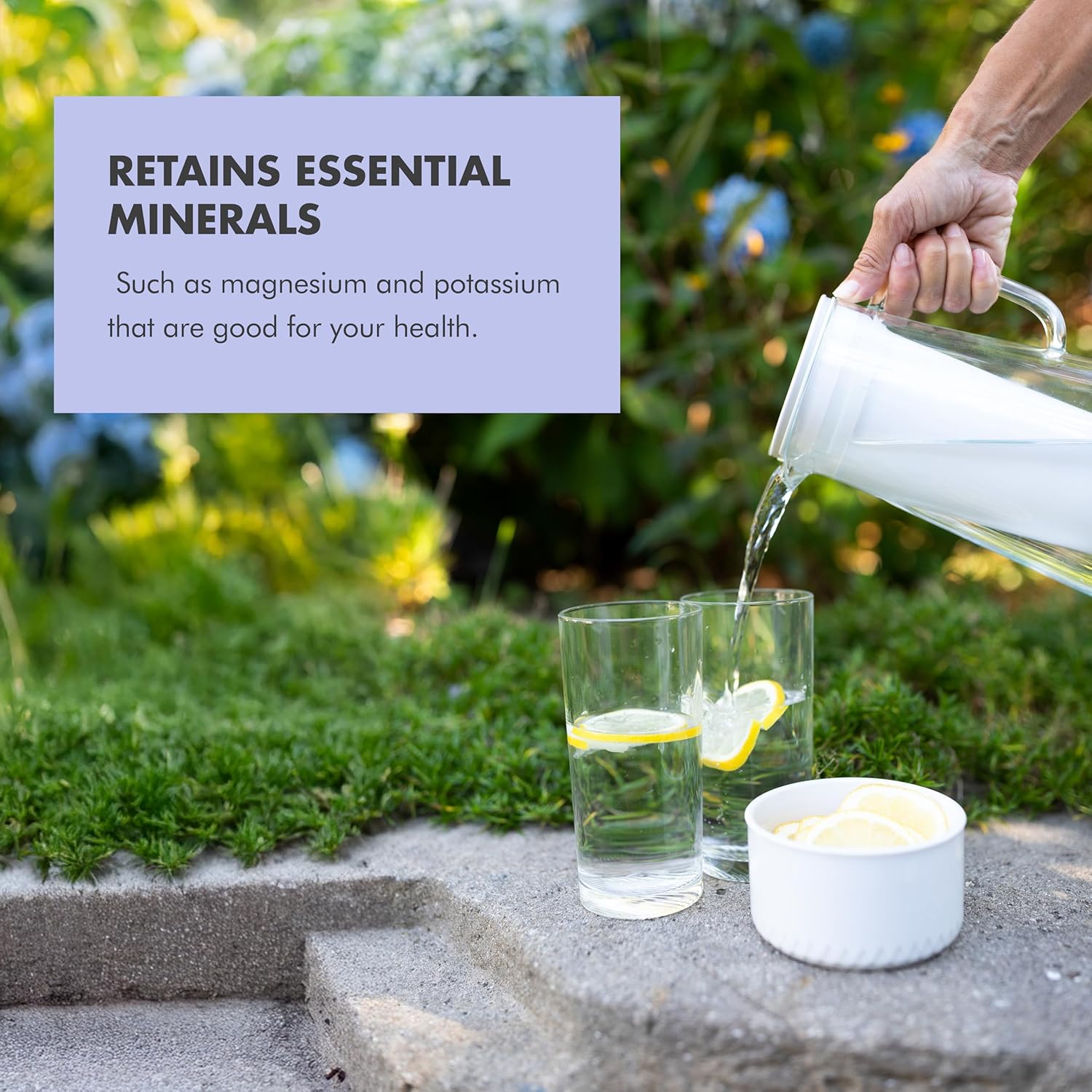
Benefits include broad contaminant targeting, improved taste and clarity, BPA‑free construction, and a simple, portable design that’s easy to integrate into daily routines. The pitcher is especially relevant for concerns about microplastics, heavy metals and common chemical residues.
Trade‑offs are typical for pitcher systems: limited capacity for high‑volume needs, ongoing cartridge replacement costs, and reduced flow as filters age or if incoming water has high sediment. For serious contamination issues or whole‑home needs, more intensive treatment or professional testing is recommended.
Who This Product Is For
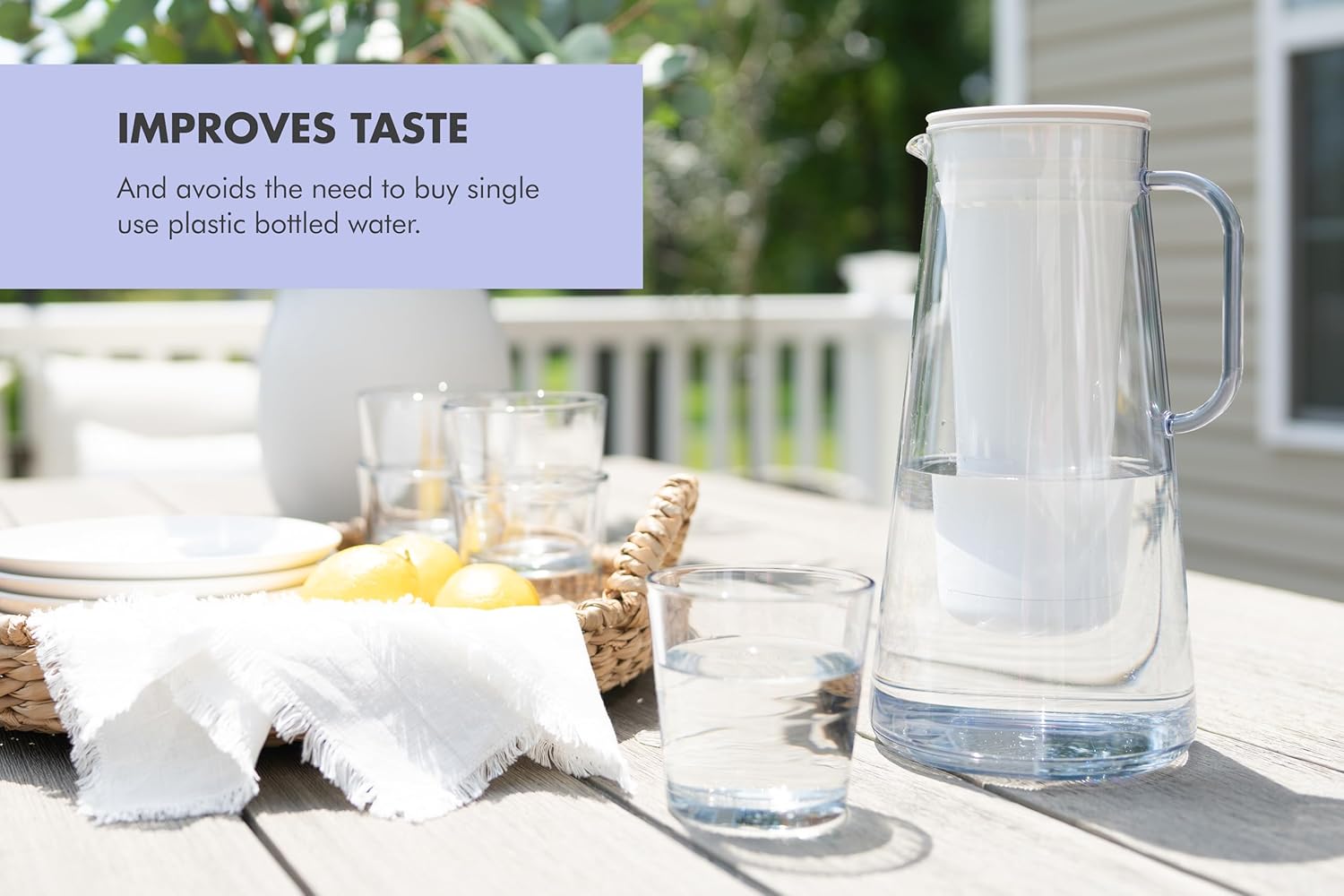
This pitcher is a sensible choice for renters, students, small households, and anyone who wants straightforward point‑of‑use filtration without under‑sink installation. Families with young children, older adults, or people with weakened immune systems may appreciate the additional protection against microbes and common contaminants.
It’s not ideal for high‑volume dispensing, commercial settings, or specialized treatments like water softening and desalination. If you’re comparing LifeStraw options, you may also consider the LifeStraw Home 7‑cup glass pitcher or larger dispensers depending on your capacity and style preferences.
As an Amazon Associate, I earn commission on qualified purchases.