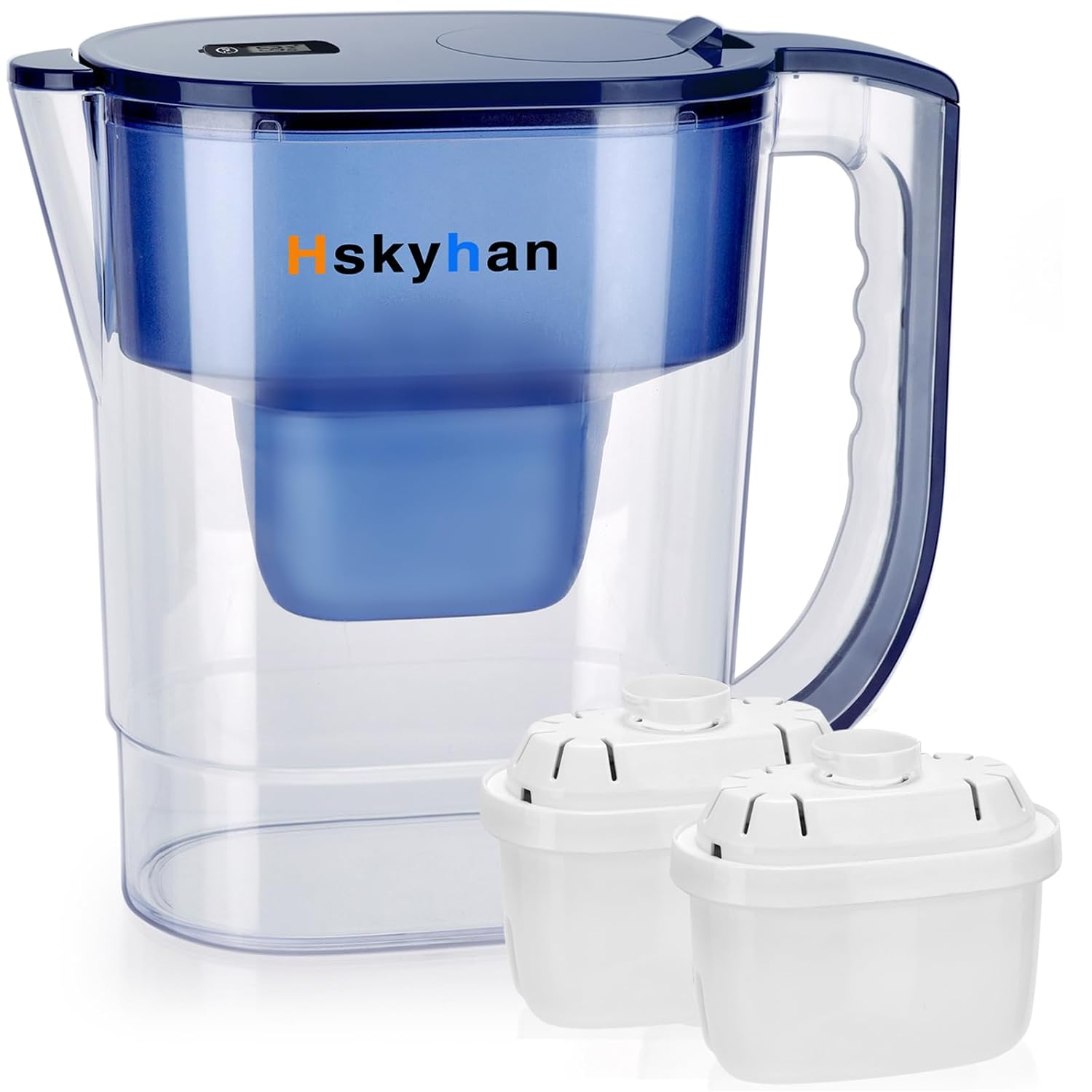
Hskyhan Alkaline Water Filter Pitcher 3.8L, 7-Stage
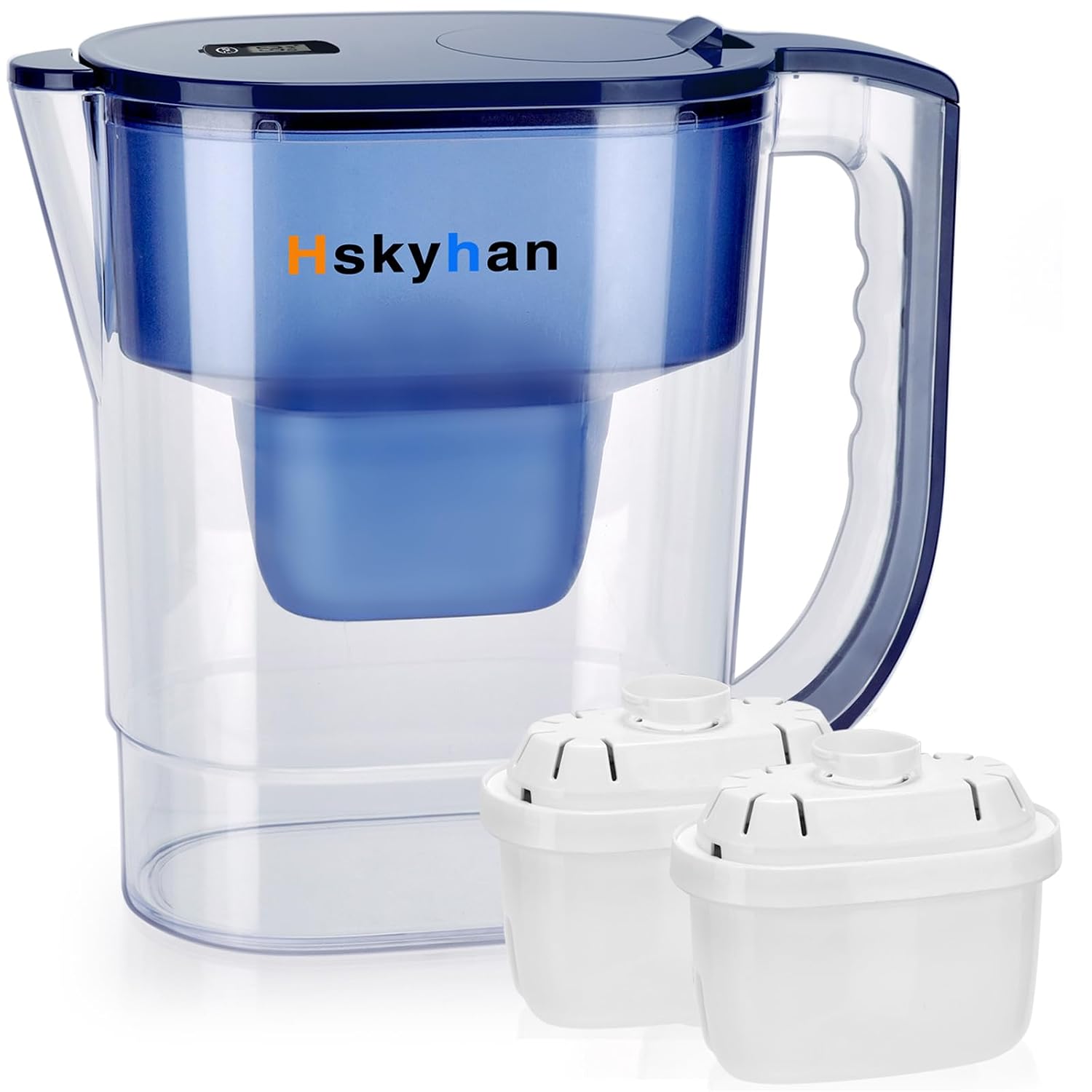
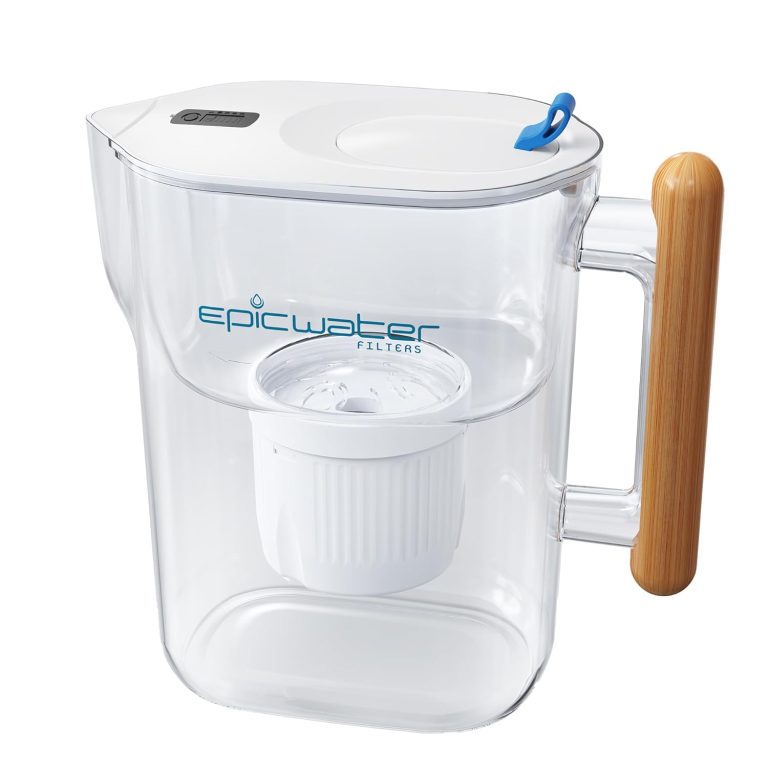
The Hskyhan 3.8 L alkaline water filter pitcher offers a simple countertop solution to improve taste and nudge pH higher with a seven-stage cartridge system (two long‑lasting cartridges included). Made from BPA‑free materials and designed to fit in most fridge doors, it emphasizes ease of use, straightforward maintenance, and filtered water on demand. It’s a convenient choice for renters and small households, though not a replacement for whole‑home or laboratory‑grade treatment.
Overview
This is a countertop pitcher that combines multi-stage filtration with mineralizing media to produce alkaline-tending drinking water. It’s built for everyday use and made from BPA-free materials, offering a simple way to get treated water without installing under-sink equipment.
The system is designed to address common tap-water complaints — improving taste and reducing odors while adding minerals to nudge pH higher. Filtration happens inside replaceable cartridges that are described as longer-lasting, so the unit aims to balance performance with lower ongoing maintenance.
It suits people who want a portable, non-plumbed option: renters, small households, or anyone curious about alkaline-style water without a major investment. Those who need laboratory-grade contaminant removal or have specific water-quality concerns should compare this to certified point-of-use systems before deciding.
Key Features
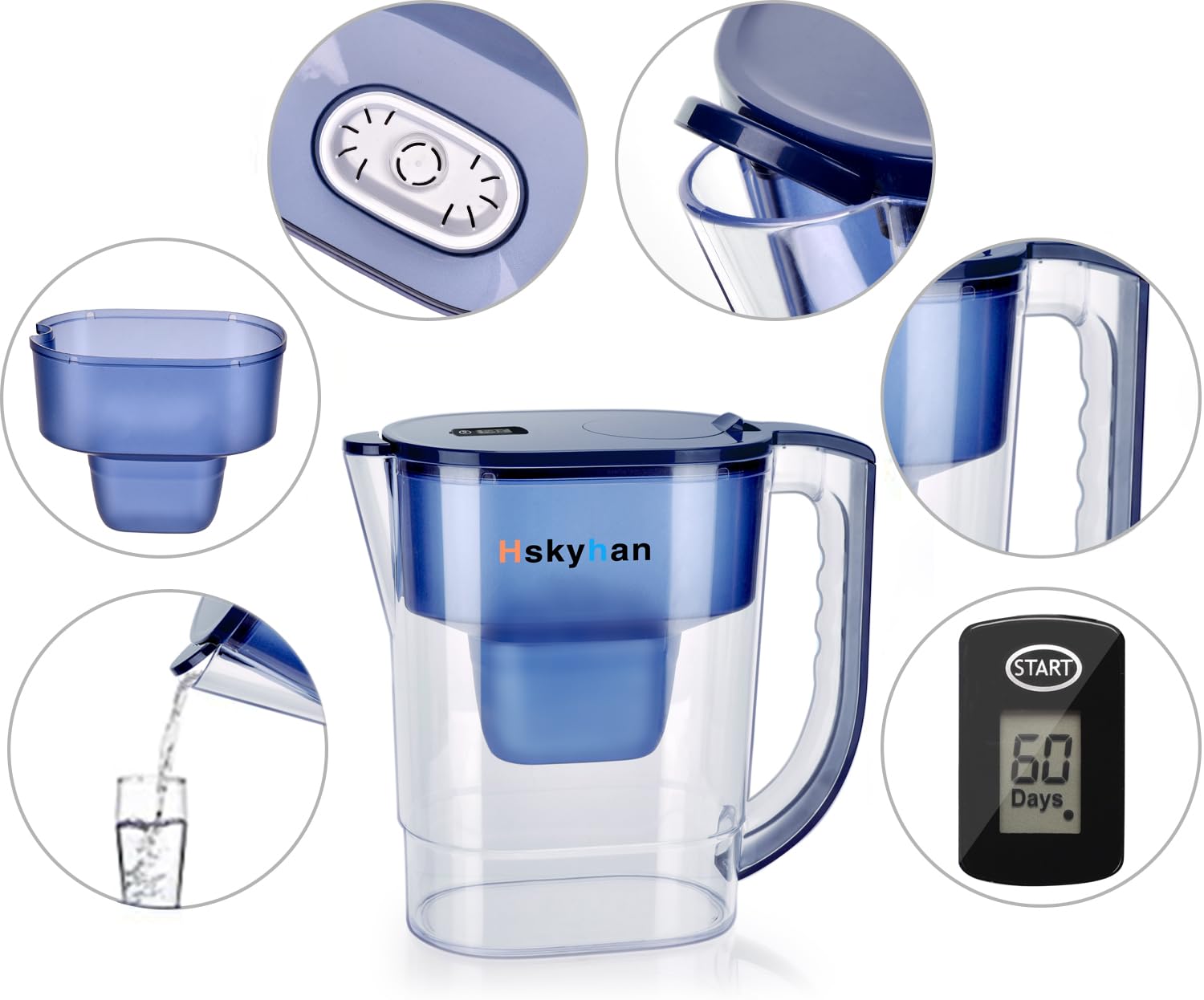
The pitcher pairs an alkaline-boosting element with multi-stage purification to target common taste and odor issues while smoothing mouthfeel. That combination matters for anyone who wants water that tastes cleaner without having to install an under-sink system.
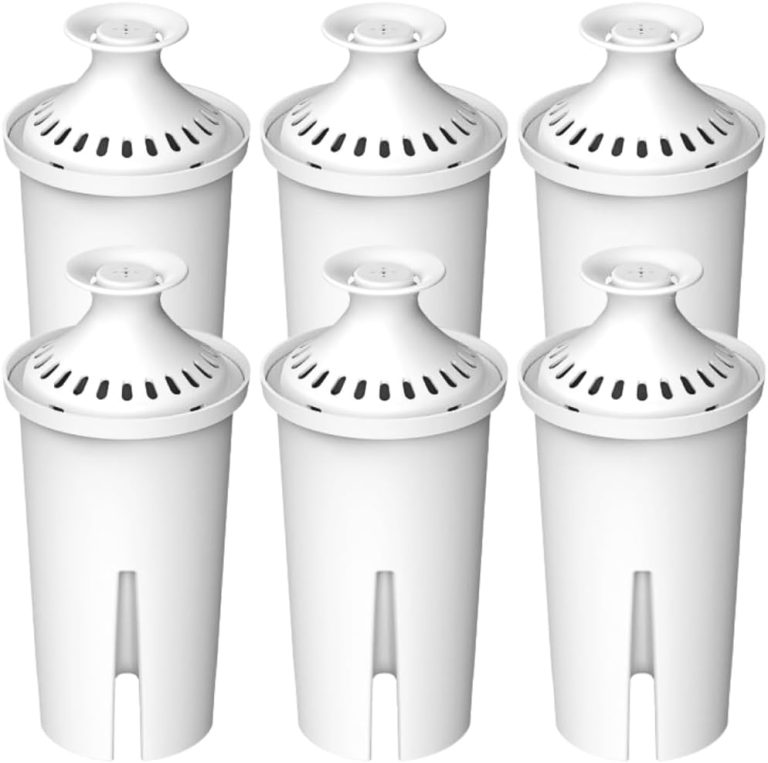
Included replacement cartridges are designed for longer service life, which reduces how often you need to swap filters and lowers routine maintenance compared with short-lived cartridges. Actual service life varies by water quality and usage, so expect replacement intervals to be different from household to household.
Construction uses BPA-free materials and a compact profile meant to fit in most refrigerator doors, and the lid and spout are shaped for easy pouring and refilling. Those practical details make it straightforward to use day-to-day and keep on the counter or in the fridge.
Real-World Performance
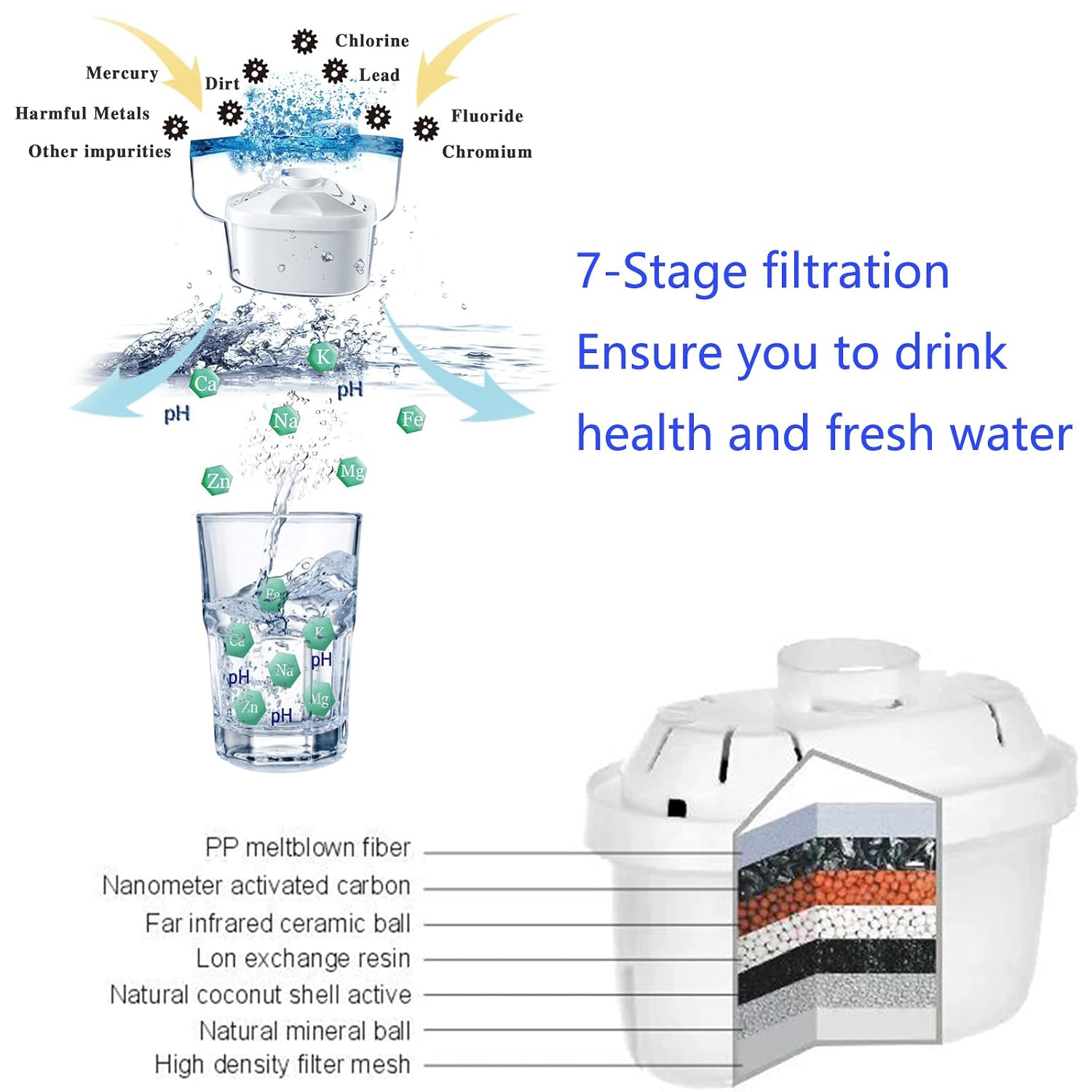
In everyday use most people notice clearer taste and a reduction in chlorine or metallic aftertastes, along with a smoother mouthfeel. Any change in alkalinity or pH will depend on the starting quality of your tap water, so results can vary from house to house.
Pouring and refill are straightforward, and the unit works well for regular kitchen or fridge use. Flow can slow as a cartridge captures sediment; replacing or swapping cartridges restores performance, and how often you’ll need to do that varies by model/version and household consumption.
Keep expectations realistic: a countertop pitcher is convenient for improving drinking water but is not a replacement for whole-home treatment or certified laboratory-grade removal of every contaminant. If you have specific water quality concerns, consult the product’s documentation and certifications to confirm what it is tested to reduce.
Ease of Use and Maintenance
Getting started is straightforward: unpack the components, separate the lid and reservoir, and follow the included instructions to install and prepare the cartridge. The initial setup usually involves rinsing or flushing the filter as directed, so check the guide before first use to ensure optimal performance.
Daily use is low-effort. The pitcher is intended for regular pouring and refilling, and the lid and spout are designed to make serving convenient without constant fiddling. Flow and fill times can vary depending on cartridge condition and water quality.
Routine cleaning involves removing the lid and reservoir for hand washing with mild soap; avoid harsh abrasives that could damage plastic surfaces. Consult the product instructions to see which parts, if any, are dishwasher-safe, rather than assuming dishwasher compatibility.
Replacing cartridges and other upkeep are simple when tracked proactively. Cartridge swap procedures are explained in the manual, and replacement frequency varies by model/version and by how much and what kind of water you filter. Wiping the exterior and storing the unit in a cool, dry spot will keep it functioning reliably between maintenance intervals.
Pros and Trade-Offs
This pitcher delivers clear benefits for everyday use: multi-stage filtration typically improves taste and reduces common impurities, an alkaline treatment can raise pH for those who prefer it, and a BPA-free construction is reassuring for routine handling. Included cartridges and a user-friendly pour design make initial setup straightforward and leave little mystery about how to start using it.
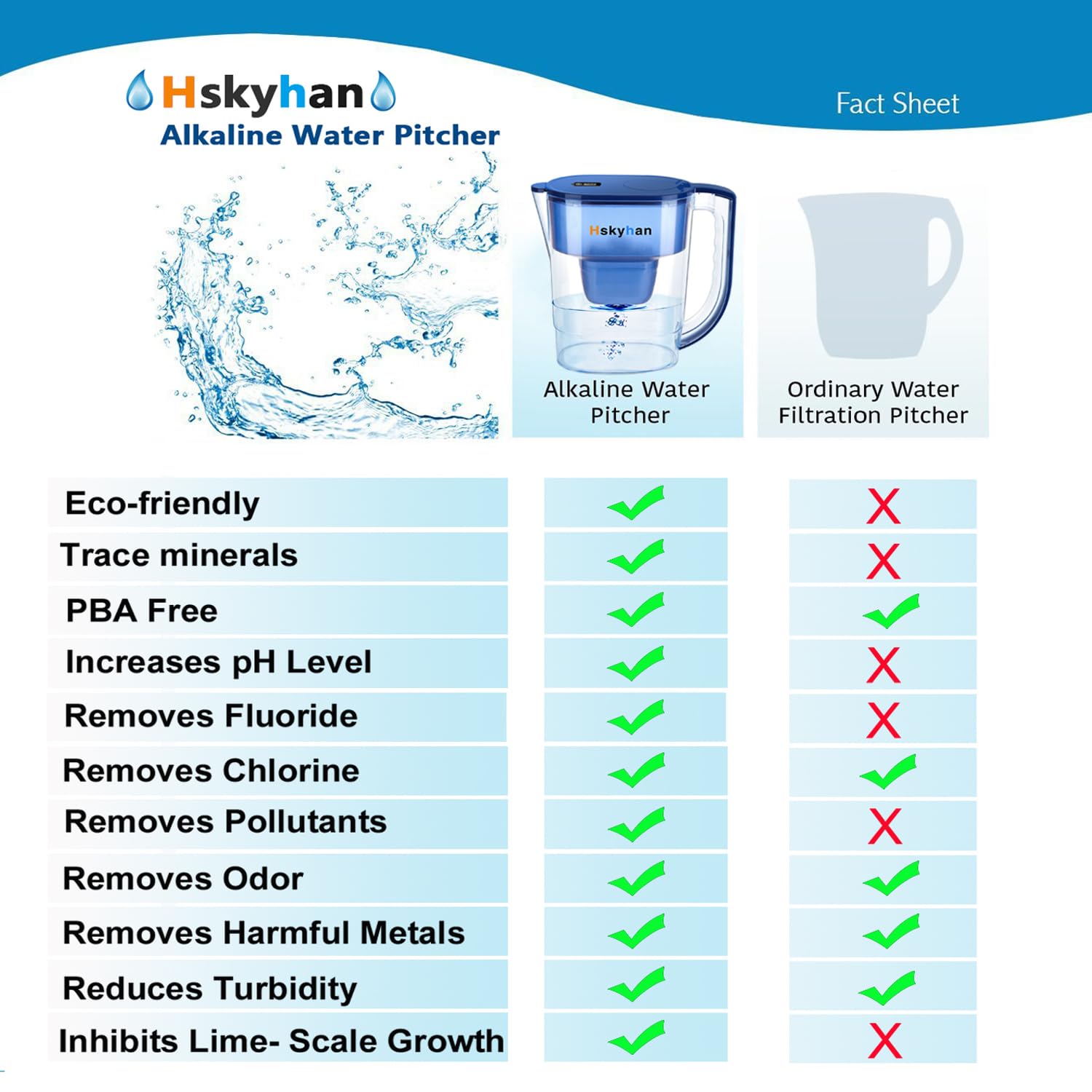
On the flip side, ongoing costs and maintenance are the main trade-offs. Filter replacements, how long cartridges last, and the exact level of alkalinity can vary by model/version, so you’ll want to factor replacement frequency and cost into your decision. Flow rate can be slower than plain tap water, and pitchers are not a substitute for whole-home or specialized treatment when addressing specific contaminants.
Overall, this type of pitcher is a practical option for people seeking better-tasting, mildly alkaline drinking water without complicated installation. If you need certified removal of particular pollutants or have high household demand, compare maintenance expectations and performance claims before committing.
Who This Product Is For
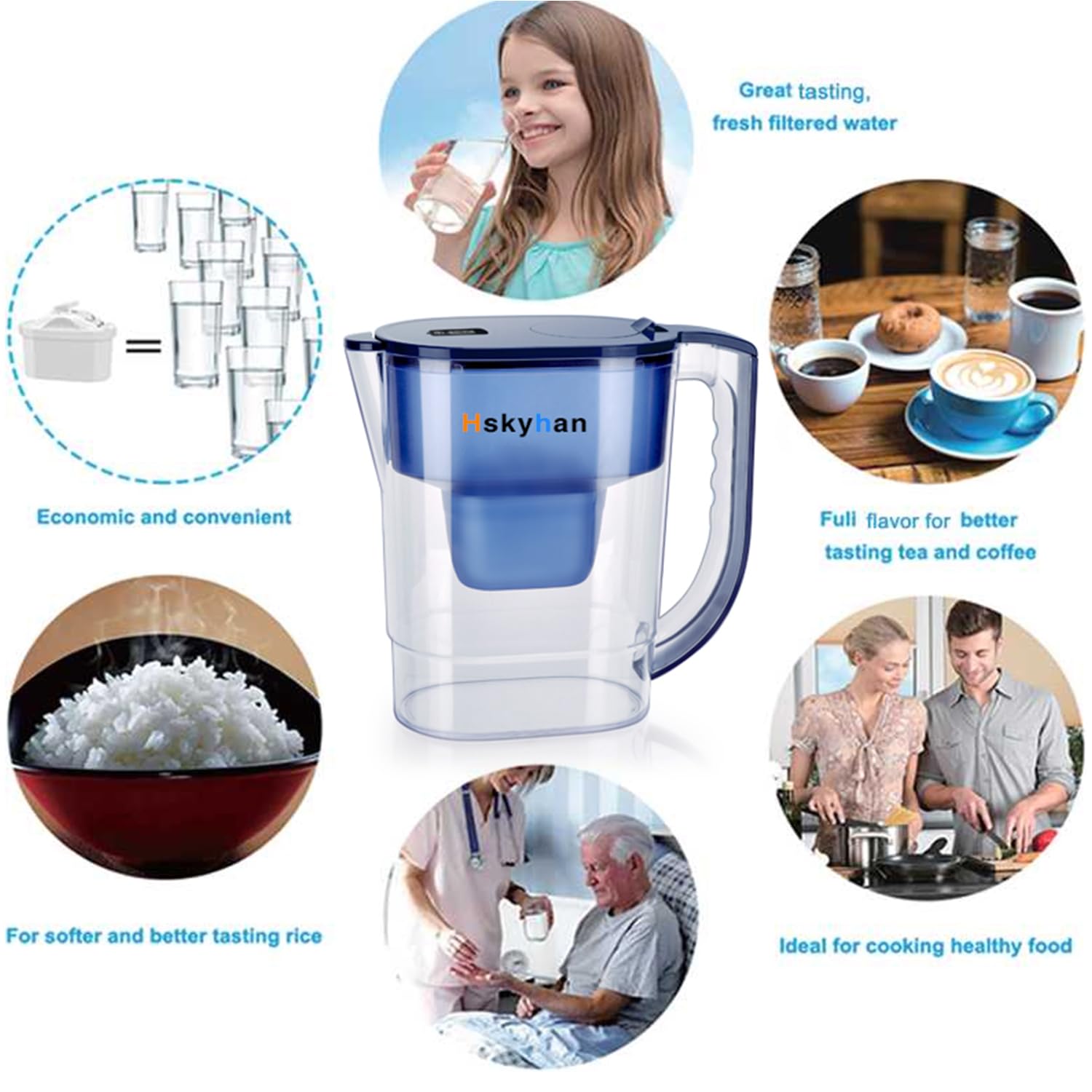
This pitcher is a good match for someone who wants an easy, countertop solution for better-tasting drinking water without installing a plumbing system. If you prefer a simple pour-and-store format that fits in the fridge and provides filtered water on demand, this is aimed at that convenience-first use.
It also suits households that care about material safety and reducing single-use bottles—families or individuals who want accessible cold water for daily drinking, cooking, or making beverages without complicated maintenance. Those who value straightforward upkeep and an in-home option rather than a whole-house or under-sink setup will find this style practical.
It’s not ideal for buyers who need very high daily water volumes, whole-home filtration, or specialized water treatment for severe contamination; those situations call for larger-capacity or certified treatment systems. If medical-grade purification or hard water softening is required, a pitcher-style filter is likely too limited.
As an Amazon Associate, I earn commission on qualified purchases.