Gravity Water Filters for Berkey – BB9-2 & PF-2 Combo
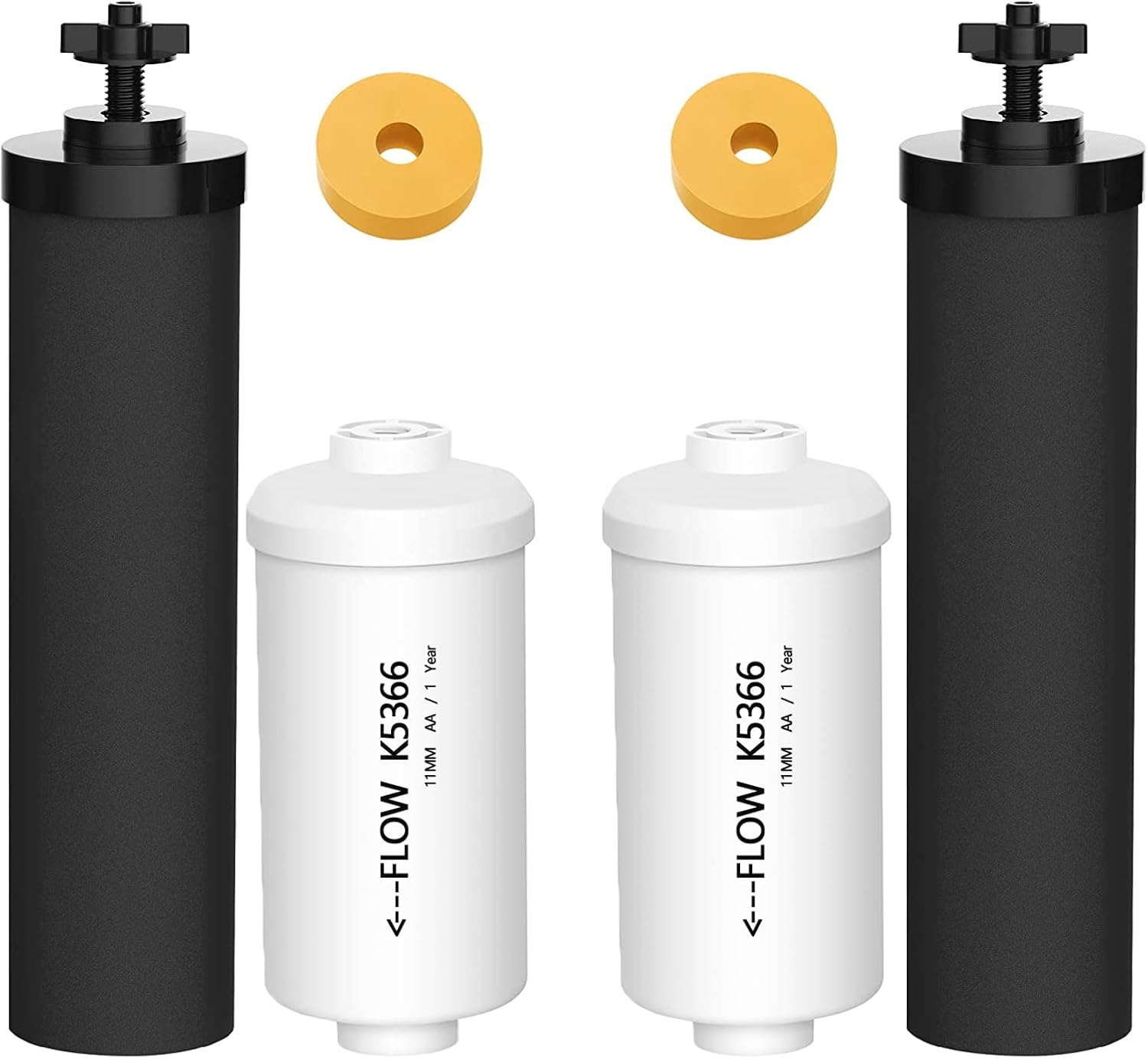
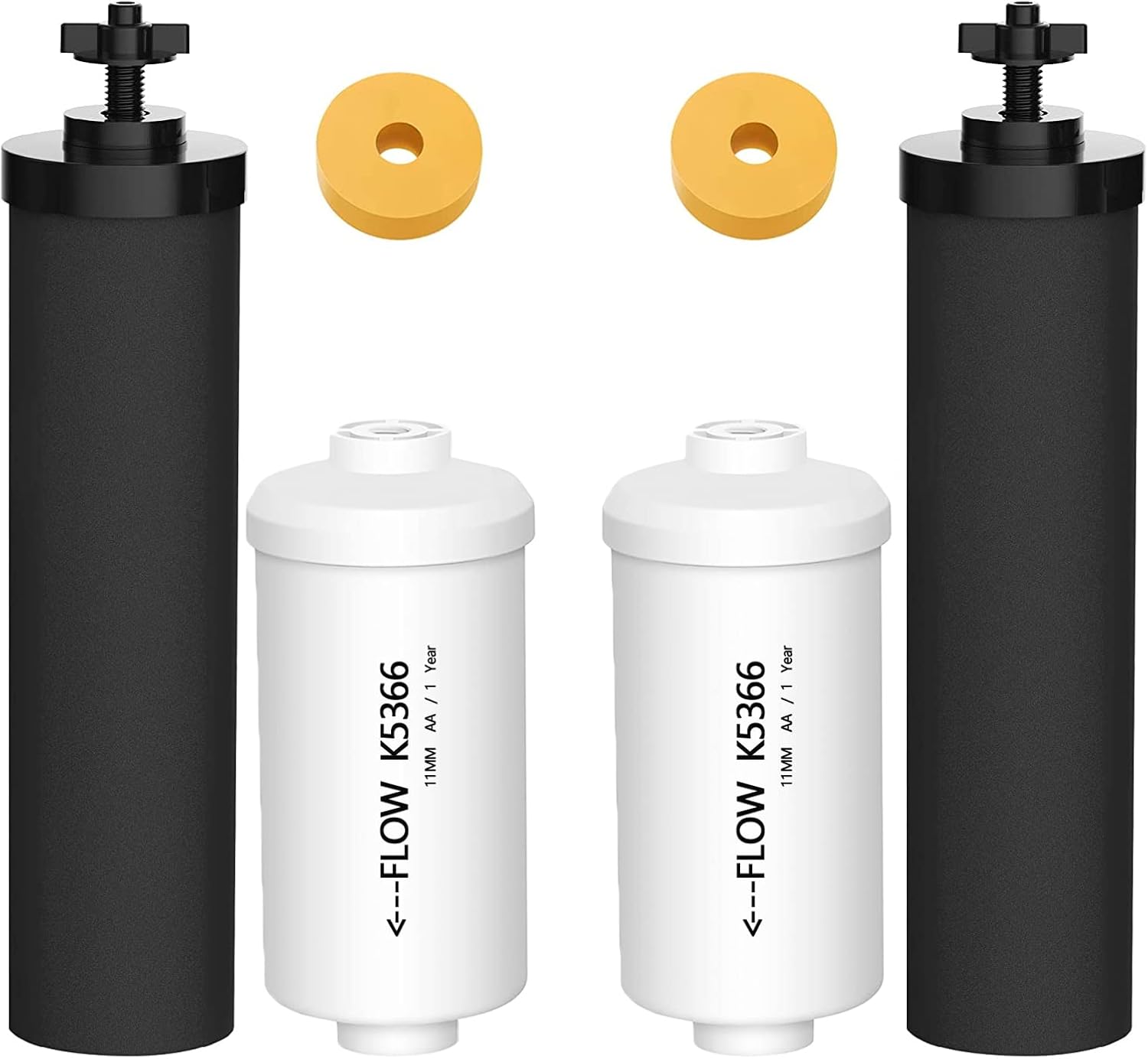
This aftermarket combo pairs coconut-shell activated carbon-style black elements with a fluoride/arsenic-stage cartridge designed for Berkey-style gravity housings. It’s intended to reduce chlorine taste and odors, sediments and some dissolved contaminants including fluoride, but actual effectiveness and fit depend on the exact model and your source water.
Overview
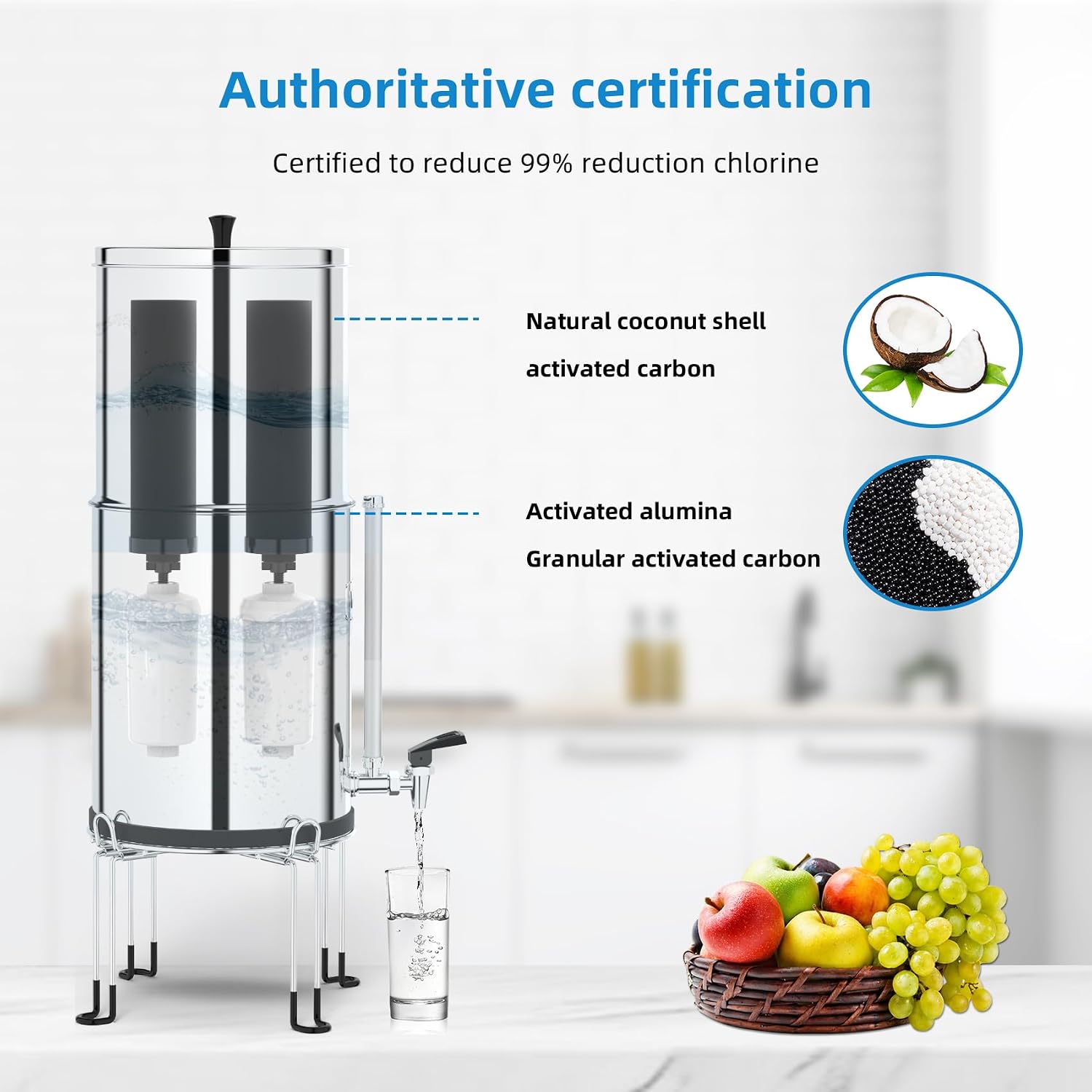
This is an aftermarket replacement set for gravity-fed filtration systems that fits Berkey-style housings. The pack combines standard black carbon purification elements with dedicated fluoride-reduction cartridges so users can refresh both taste/odor reduction and fluoride treatment in a single purchase.
In use, the carbon elements address aesthetic issues like chlorine taste, odors, and visible particles, while the fluoride cartridges are designed to reduce fluoride when installed alongside the carbon units. The product listing references NSF 42 for aesthetic contaminant reduction; actual performance depends on the specific version and the source water being treated.
It’s intended for owners of gravity systems who need replacement parts without replacing the entire unit, as well as for people who prefer non-electric, portable filtration for home, travel, or emergency use. Compatibility and lifespan vary by model/version, so confirm your system’s requirements before ordering.
Key Features
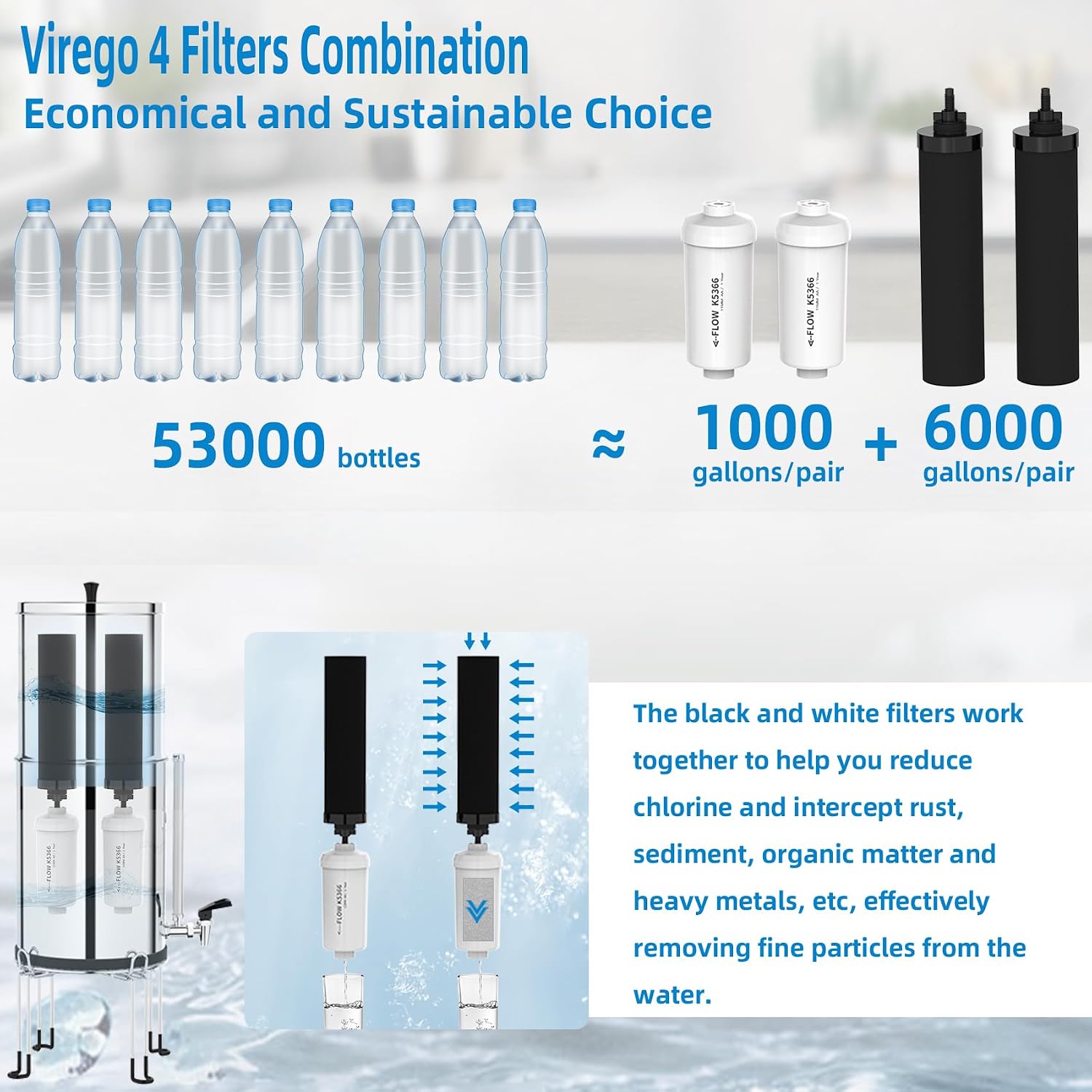
These replacement cartridges use a simple gravity-fed approach to move water through dense filtration media, which reduces sediment, chlorine-related taste and odor, and other common contaminants while improving overall flavor. Because they rely on gravity rather than pumps, they integrate with countertop and portable vessels and deliver filtered water without electricity or plumbing changes.
The set combines a carbon-block style element with a secondary media intended for reducing certain dissolved ions that standard carbon alone does not address. Reduction performance for specific contaminants varies by model/version, so expect effectiveness to depend on the exact cartridge variant and follow-up testing or documentation.
Practical conveniences include straightforward drop-in swaps and a brief initial rinse before first use; ongoing upkeep is typically watching for slower flow or taste changes as signals to replace cartridges. Fitment and certification claims can differ between versions, so confirm compatibility with your gravity housing and look for third-party test results on the packaging or seller information.
Real-World Performance
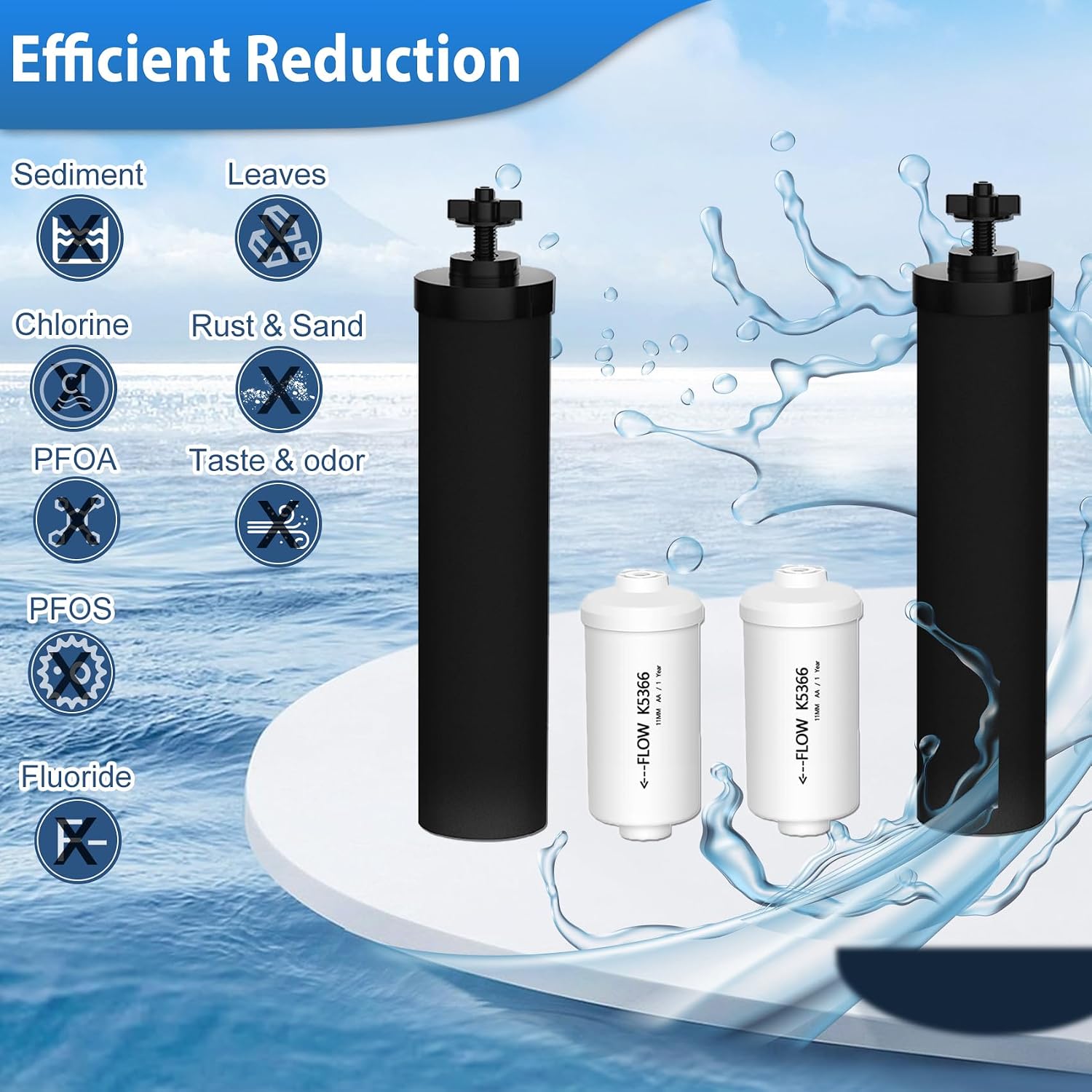
In daily use these replacement elements deliver visibly clearer water and a noticeable reduction in common tastes and odors for many households. Improvements are most apparent when treating municipal tap water that contains chlorine and sediment; however, how dramatic the change feels depends on the starting water quality in your home.
The fluoride-stage cartridges are marketed to address fluoride and other dissolved contaminants, but their real-world effectiveness varies with water chemistry, contact time, and proper installation. Some users notice a shift in taste after adding the fluoride element, while others see only modest differences—results vary by model/version and source water.
Because this is a gravity-fed system, flow is steady but not rapid, and it will slow as the filters collect particles. Keeping the filters primed and following cleaning guidance helps maintain throughput and extend usable life. Replacement intervals also vary by household consumption and the level of contaminants present in the incoming water.
Overall, these aftermarket filter elements can be a practical, cost-conscious choice, but build consistency may differ between batches. It’s wise to confirm any claimed certifications, inspect seals and fittings during setup, and monitor taste and flow over the first few weeks to ensure the performance meets your expectations.
Ease of Use and Maintenance
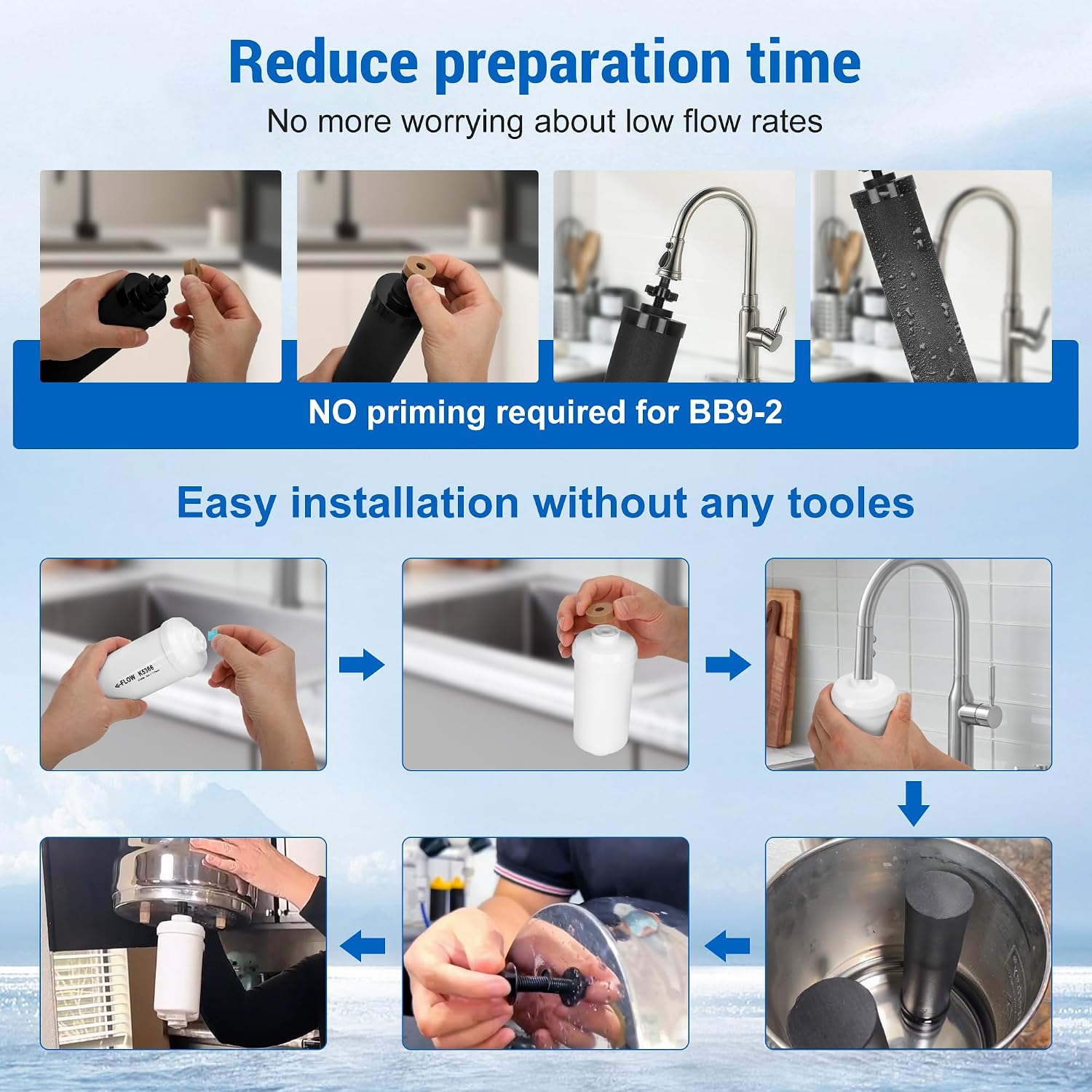
Getting the system up and running is generally straightforward: the cartridges slide into the upper chamber and seat into the wells with a simple twist or push, and most assemblies don’t require tools. Initial flushing is recommended to remove any loose carbon fines; follow the included instructions or run water through until it runs clear to prime the media before drinking.
Routine cleaning focuses on the housings and seals rather than the filter elements themselves. Wipe the chambers with a mild, fragrance-free cleaner or a diluted vinegar solution, rinse thoroughly, and inspect O-rings and fittings for wear. Avoid scrubbing the internal filter media; soft brushing around the openings is enough to remove visible sediment.
Knowing when to change cartridges varies by model/version, water quality, and household use. Typical signs that it’s time for replacement are a noticeable drop in flow rate, changes in taste or odor, or visible discoloration. Specialty stages, such as those targeting fluoride or other specific contaminants, may follow a different schedule and should be checked separately.
For long-term care, store spare cartridges in a cool, dry place and protect assembled units from freezing or prolonged sunlight. Do not attempt to disassemble or clean internal filter media beyond the manufacturer’s recommendations; when performance declines, replacing the element keeps the system reliable and ensures the treated water remains consistent.
Pros and Trade-Offs
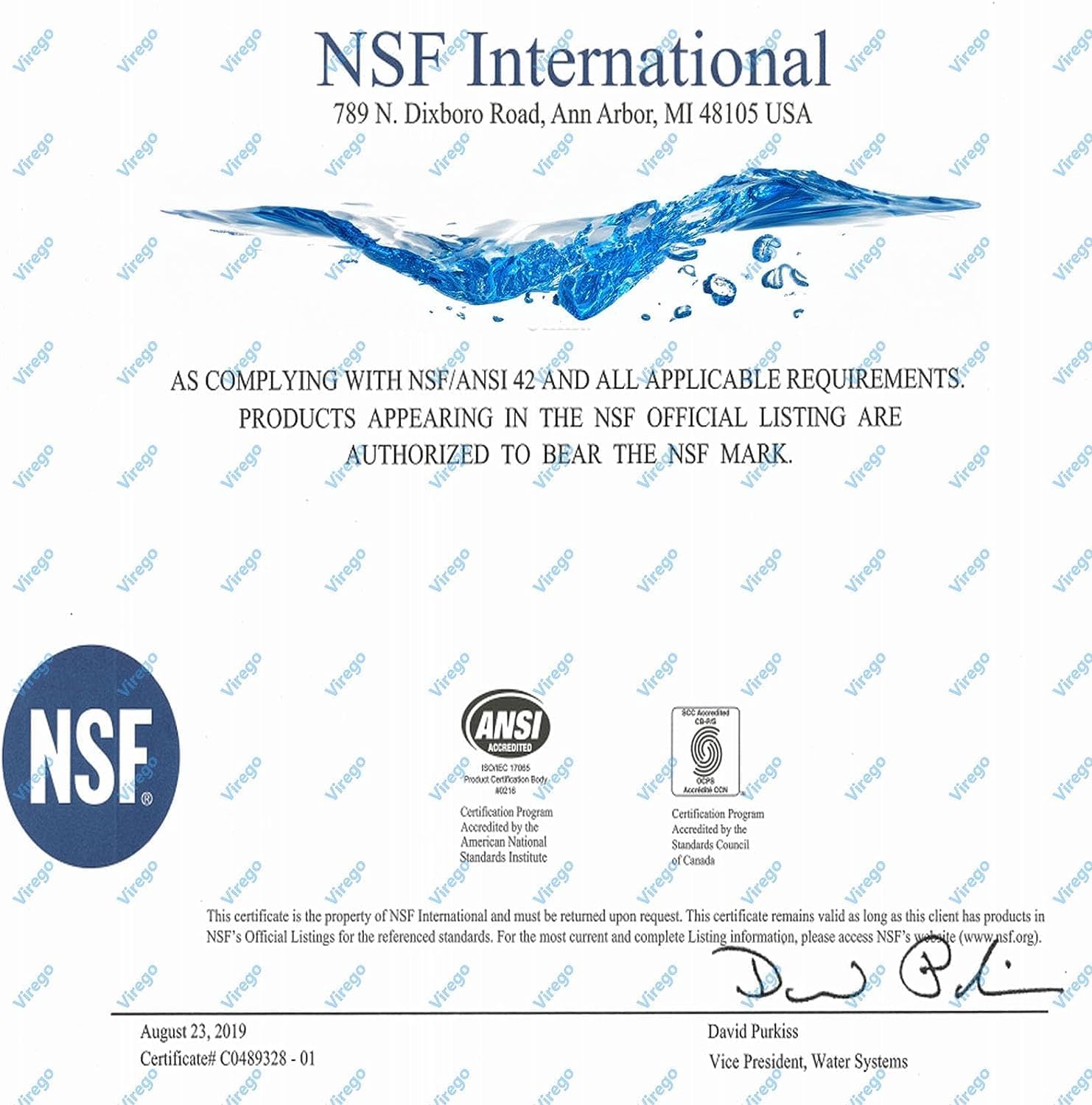
The main upside is a two-stage approach that pairs a carbon-based element with a fluoride-reduction stage, which tends to improve taste and address a broader range of contaminants than a single cartridge alone. Many users find the replacement elements simple to drop into a gravity-style setup, and buying them as a combo makes servicing both stages at once more convenient.
On the flip side, a multi-stage arrangement can slow the water throughput compared with single-filter options, and the fluoride stage in particular may affect flow. Longevity, exact contaminant reduction performance, and any third-party certifications can vary by model/version, so those specifics should be checked before purchase.
Overall, this option offers a practical balance between expanded filtration capability and straightforward maintenance, but prospective buyers should confirm compatibility with their gravity unit and consider ongoing replacement costs and certification details, which differ across versions.
Who This Product Is For

This is a solid choice for people who use gravity-fed countertop or freestanding filtration systems that accept replaceable carbon-based and fluoride-targeting cartridges. If you perform routine filter swaps and want a direct replacement pack that covers both general taste/contaminant reduction and additional fluoride-stage media, this combo is tailored to that workflow.
Households that value low-maintenance, tool-free replacements and predictable upkeep will find this convenient. It also suits buyers who like to keep spare elements on hand for travel, temporary housing, or emergency preparedness because gravity systems are portable and simple to service.
This is not the best option for someone who relies exclusively on under-sink or whole-house treatment technologies, or for users whose system requires a different cartridge format—fit and form factor vary by model/version. If you need specific third-party certifications or lab data for a particular contaminant, check the product’s stated approvals before committing.
As an Amazon Associate, I earn commission on qualified purchases.