Purewell PF-3 Purification Elements Black 2-Pack Filters
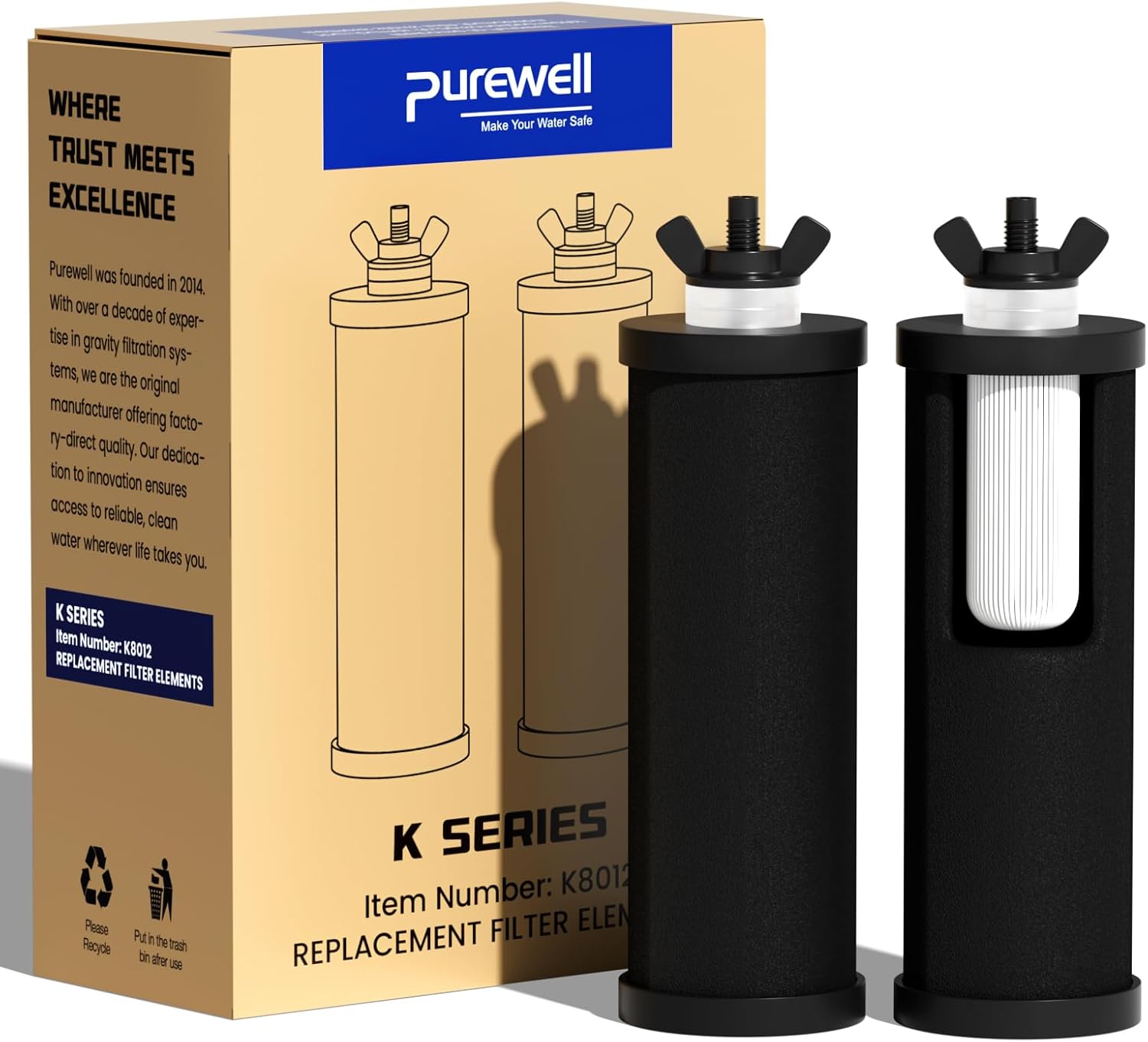
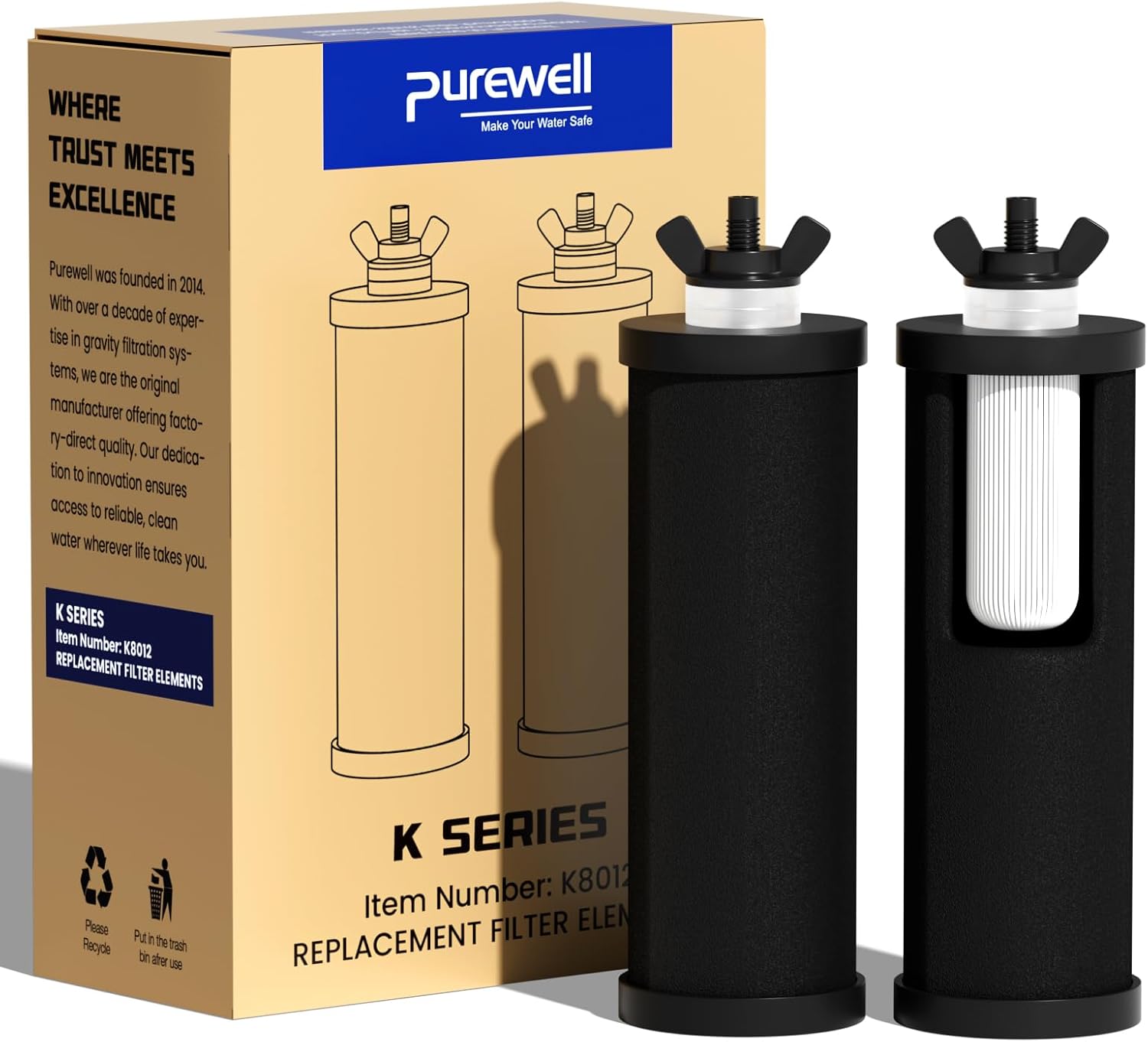
Purewell PF-3 Black replacement elements are three-stage composite cartridges sold as a two-pack for gravity-fed countertop systems. They combine a 0.01μm hollow-fiber ultrafiltration membrane, silver-ion barrier and activated carbon in a drop-in form to restore clarity, taste and reduce common particulates in compatible ProOne® and Berkey® housings.
Overview

These are three-stage composite replacement elements made for gravity-fed household purification systems. They’re built to restore filtration performance by replacing aged or clogged cartridges, helping to improve water clarity and taste while reducing common impurities that accumulate in tap and stored water.
They’re aimed at people who already own a compatible gravity filter and want a straightforward way to maintain clean drinking water without installing plumbing or switching to bottled water. Homeowners, small households, and users who prefer a low-maintenance countertop or freestanding option will find them useful.
The main problem they solve is wear-and-tear on existing filter elements: swapping these in brings the system back to its intended effectiveness and keeps filtered water tasting better. Compatibility and exact fit vary by model/version, so confirm your unit’s element size before purchasing.
Key Features
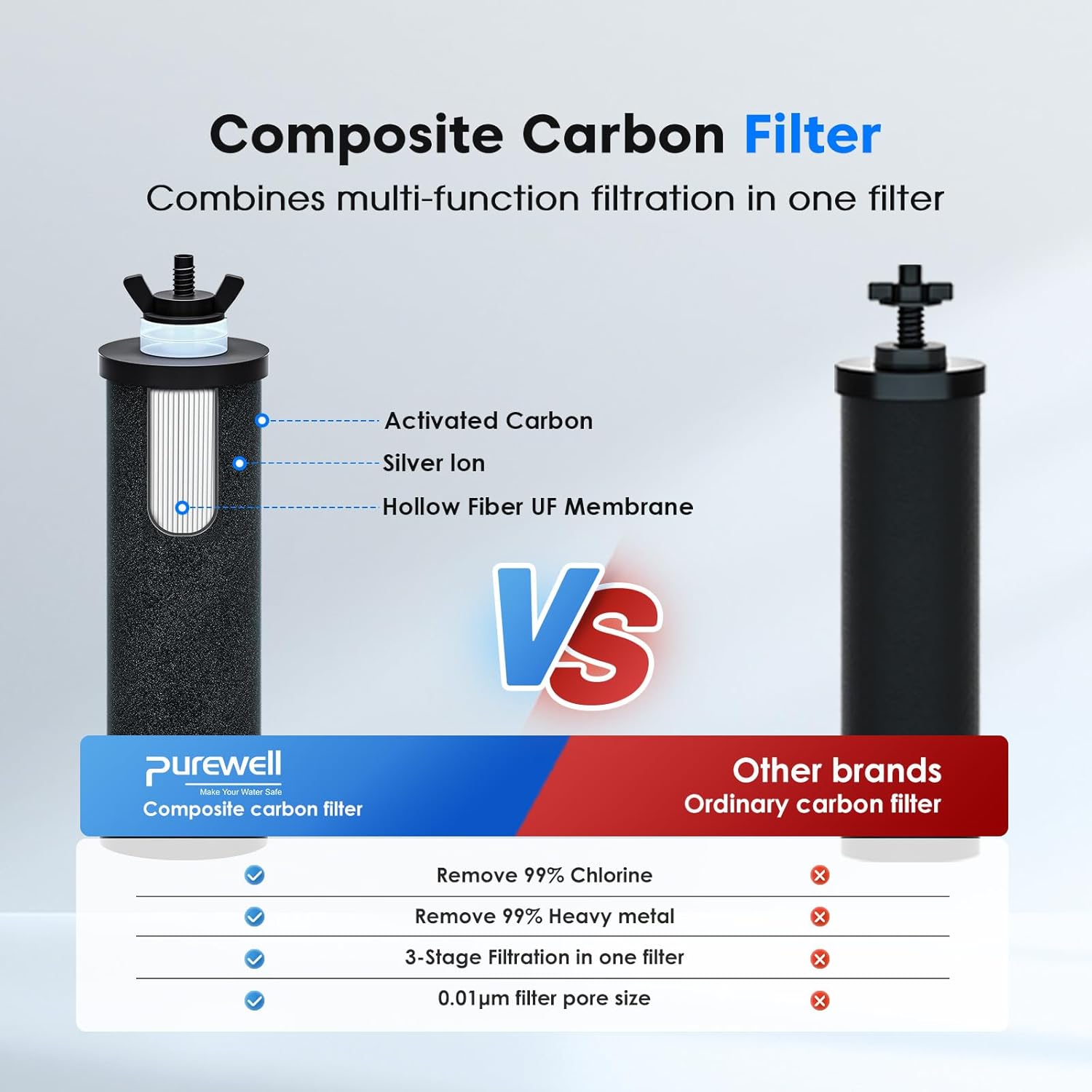
The elements use a multi-stage composite construction intended to combine different media types in a single cartridge, which helps address particulate cloudiness and common taste and odor issues in treated water. That layered approach matters because it gives the system a chance to capture larger particles first while allowing finer media to target smaller impurities and polishing the final output.
Physically these are finished in a dark exterior and sold as a twin pack, so you get a replacement ready when one cartridge needs swapping out. They’re designed as drop-in replacements for compatible gravity-fed countertop housings and specific system models, though exact fit and installation steps vary by model/version.
In practical terms, the design aims to restore clearer, better-tasting water without complex plumbing changes. Real-world results depend on source water quality and the host system configuration, so checking compatibility and following the system’s maintenance guidance will help preserve flow and filtration performance.
Real-World Performance
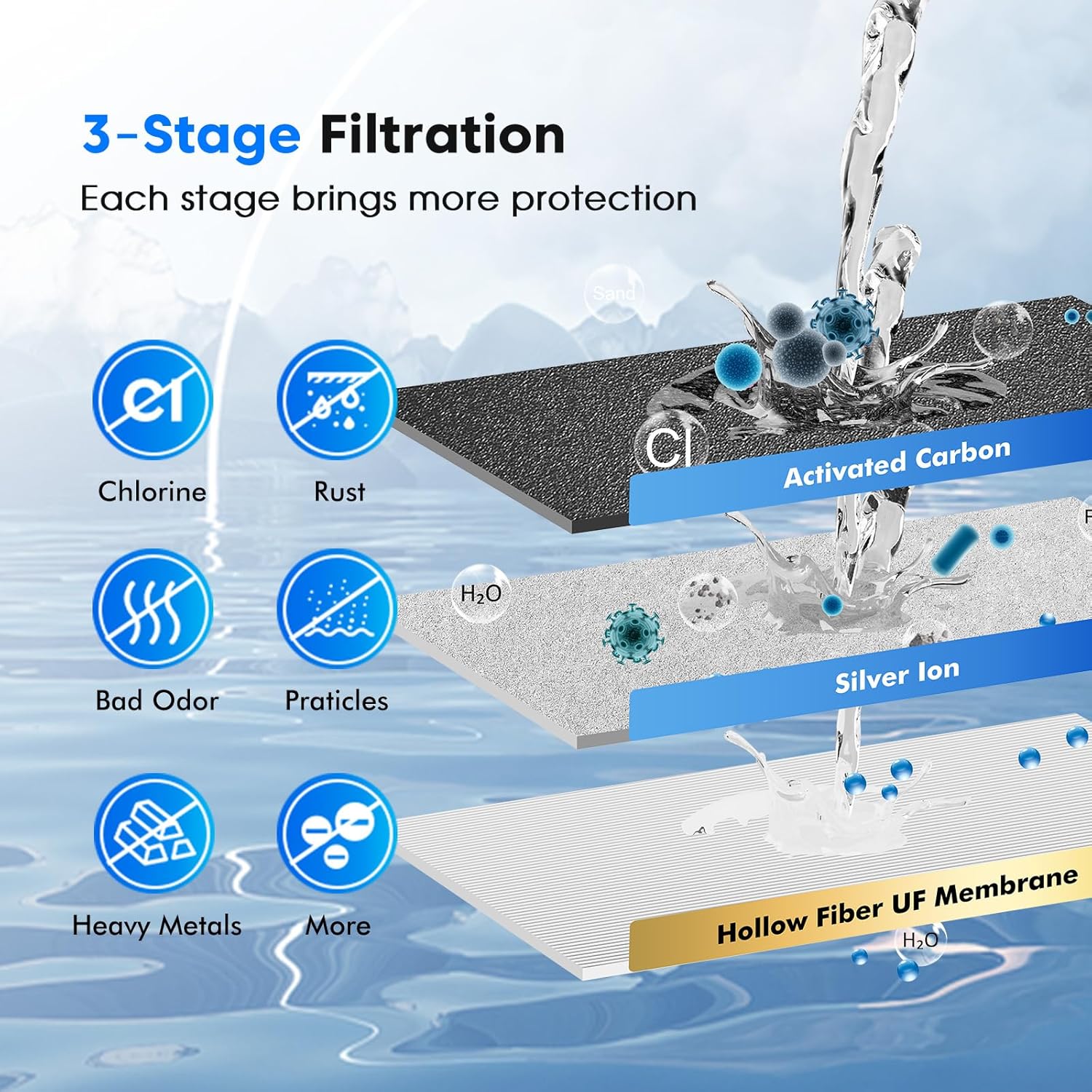
In everyday household use these composite elements tend to produce noticeably clearer, better‑tasting water compared with unfiltered supplies. They remove suspended particles and reduce common tastes and odors, so water from a kitchen gravity system often tastes neutral and is more visually clear right away. Performance is most consistent with typical municipal water and moderately cloudy well water.
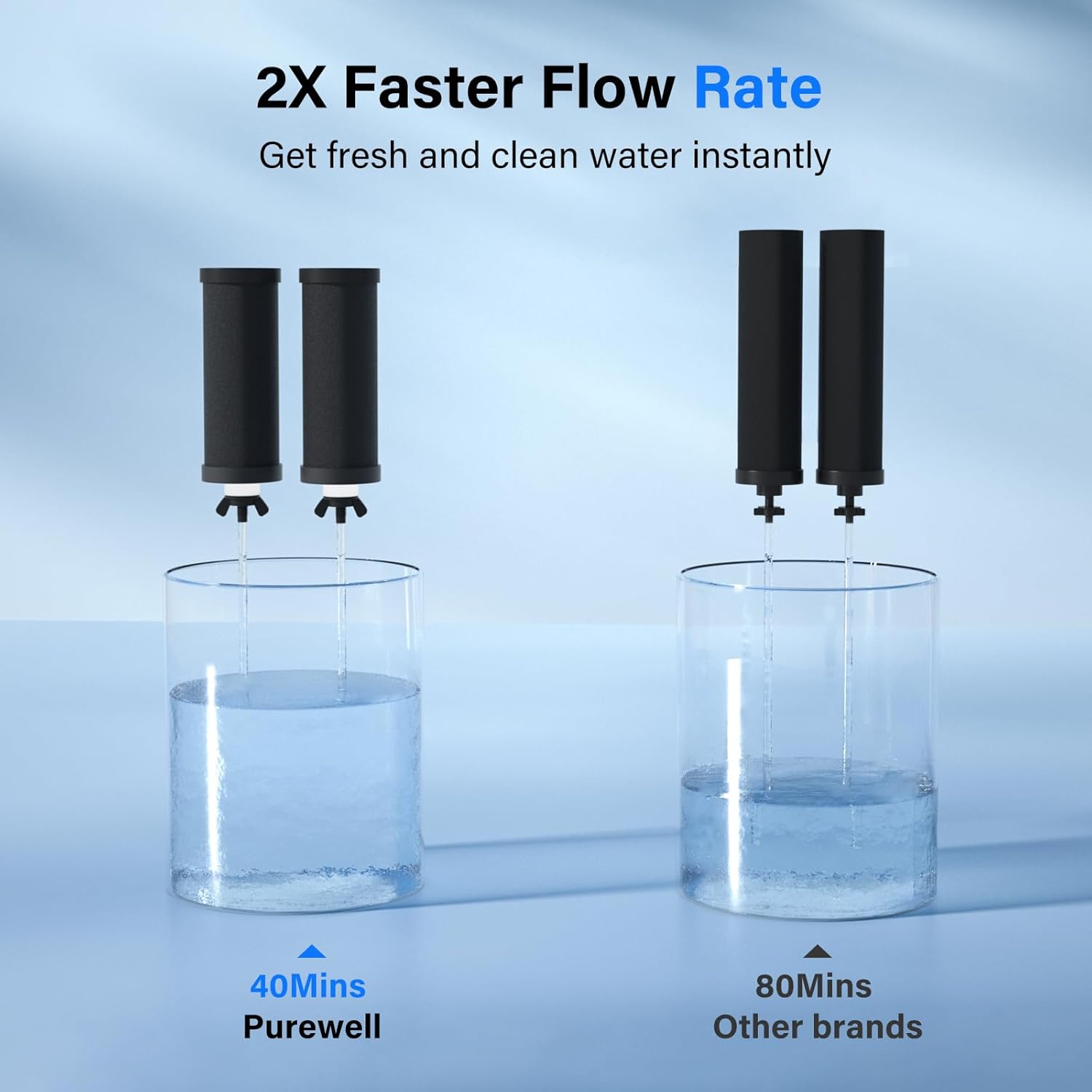
Users should expect an initially reasonable flow that declines as the filter accumulates sediment and particulates. Longevity and output vary by model/version and by incoming water quality, so heavy sediment or frequent use will shorten practical service life and slow throughput. For dirtier source water, a simple pre‑filtration step or letting water settle before filtering will preserve flow and extend time between replacements.
There are practical limits: these elements are effective for routine improvements in clarity and taste but are not a guaranteed substitute for treatments certified specifically for microbiological contamination or specialized chemical removal. For best results follow the system’s priming and replacement guidance, and match maintenance intervals to your actual water quality rather than a fixed schedule.
Ease of Use and Maintenance
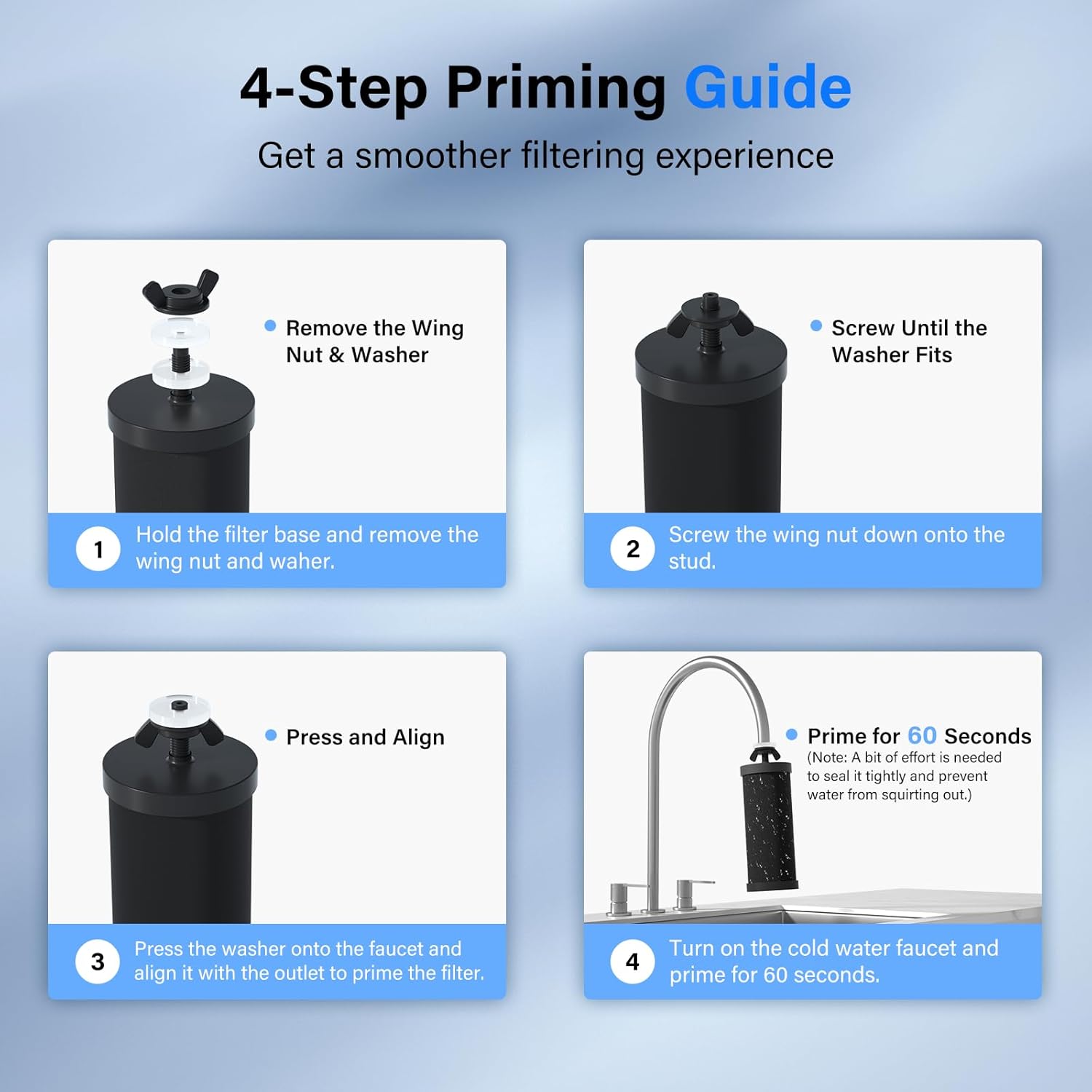
Installation is straightforward for most gravity-style and similarly designed systems: follow the system manual and seat each element in the housing as directed. The initial setup normally includes a simple seating step and an initial flush to clear packing dust; following the supplied instructions keeps the process quick and reduces startup tastes or cloudiness.
Routine cleaning is low-effort but important. Wipe the exterior and rinse the housings periodically, and sanitize the system according to the manufacturer’s guidance. Avoid harsh solvents near the filter media, and handle elements with clean hands to prevent contamination during service.
Keeping performance steady comes down to watching flow rate and water quality rather than calendar dates alone. Replace elements when flow noticeably slows, taste changes, or when the system manual recommends it, since useful life varies by model/version and local water conditions. Check seals and O-rings during each service, keep a spare set of elements on hand if you rely on the system daily, and log installation dates to make future maintenance predictable.
Pros and Trade-Offs
The multi-stage composite design delivers noticeable improvements in taste and clarity for many users, and the combination of media types targets a broad range of common impurities. For households prioritizing cleaner-tasting water without complex plumbing changes, this type of replacement element can be an effective upgrade.
Trade-offs include a potential reduction in flow rate compared with simpler cartridges and a replacement cadence that depends heavily on local water quality and usage—varies by model/version. Some buyers also weigh the ongoing cost of swaps against the convenience and contaminant reduction benefits, so budget considerations are sensible.
Installation and routine care are straightforward for most countertop and gravity-fed setups, and an initial rinse may be recommended to clear any loose carbon fines. Overall, this option suits users who want stronger filtration and are comfortable with periodic upkeep and checking compatibility with their specific system.
Who This Product Is For
These replacement purification elements suit anyone who uses gravity-fed or countertop filtration housings that accept composite, multi-stage cartridges and wants a straightforward swap-in replacement. They work well for households that prioritize easy maintenance and consistent everyday drinking water without changing the basic setup or plumbing.
They’re a good fit for small families, renters, and RV or cabin owners who need portable or non-plumbed filtration and prefer element-style replacements over custom cartridges. They also appeal to shoppers who value a drop-in option when keeping an existing stainless-steel or similar housing system in service.
Skip these if your system is an under-sink, under-counter, or refrigerator-integrated unit that requires a different cartridge shape or connection style, or if you need a specific treatment technology such as water softening or point-of-use reverse osmosis. If you require certified laboratory performance data for a particular contaminant or have unique municipal water issues, consider systems tailored to those needs instead.
As an Amazon Associate, I earn commission on qualified purchases.