Waterdrop ED01W Electric Water Filter Pitcher – 200 Gal
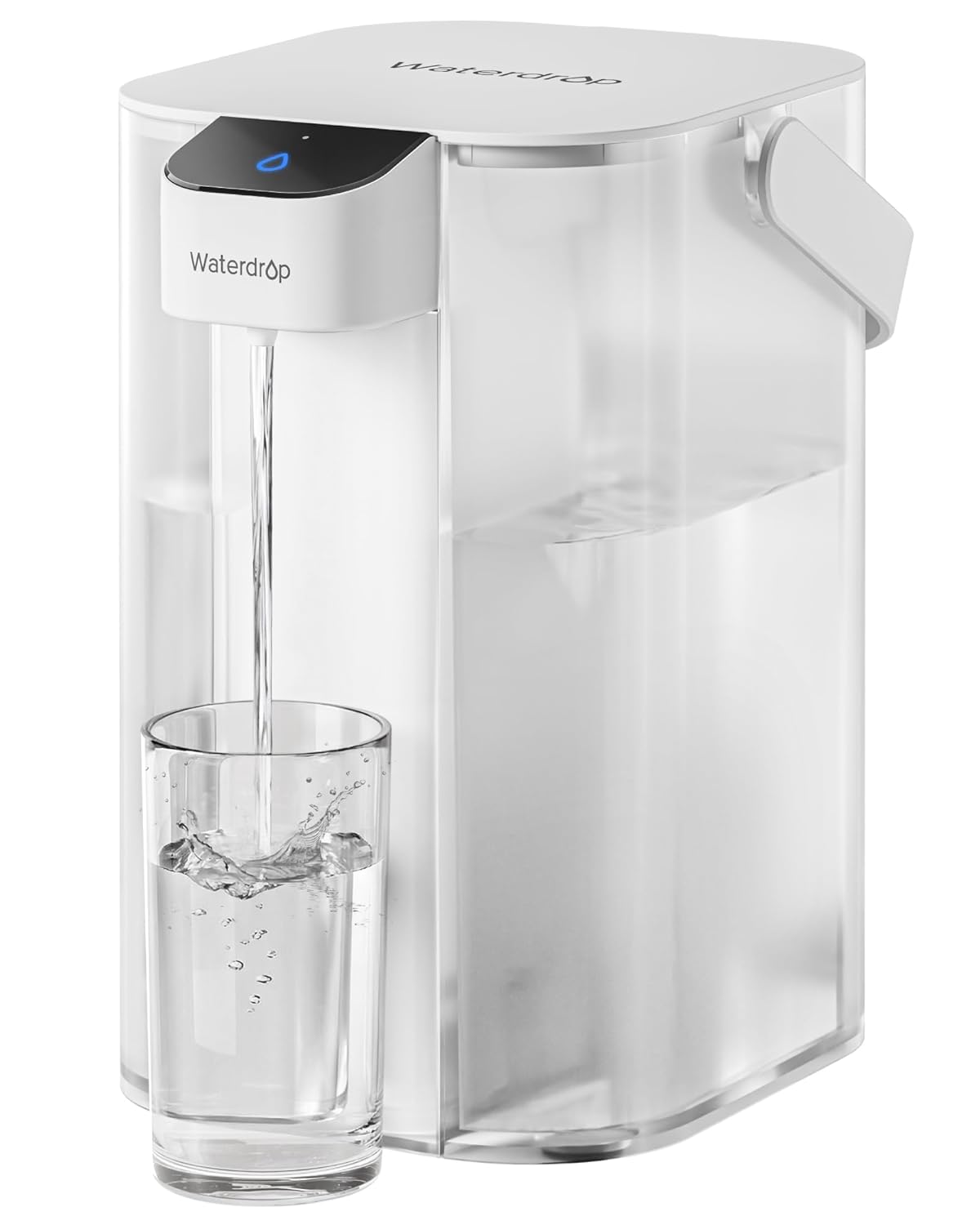
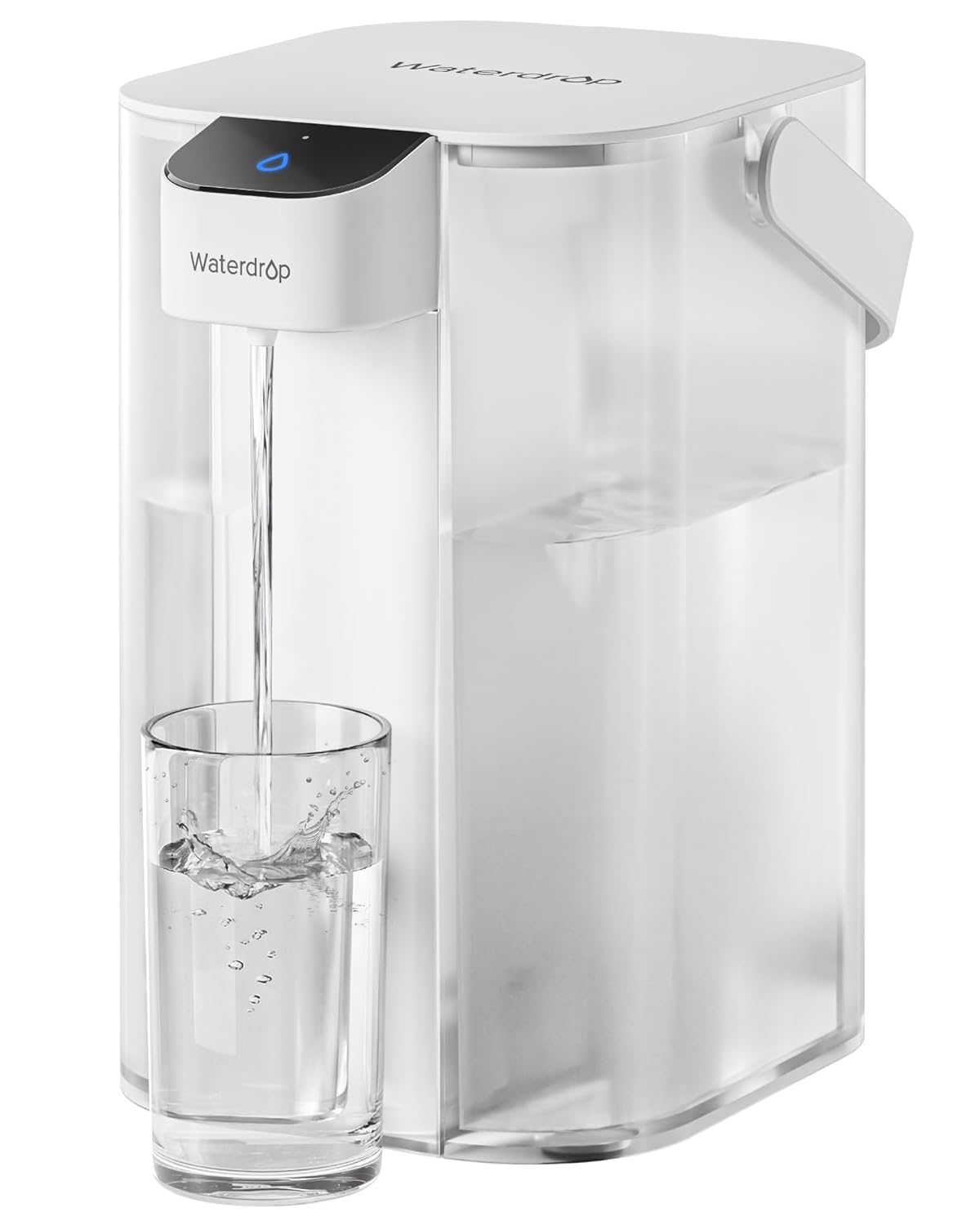
The Waterdrop ED01W combines a rechargeable instant dispenser with a certified carbon block cartridge to deliver ready-to-pour, filtered water from the countertop. It removes lead and many common contaminants while retaining dissolved minerals, offering convenient one‑touch dispensing for everyday drinking and cooking.
Overview
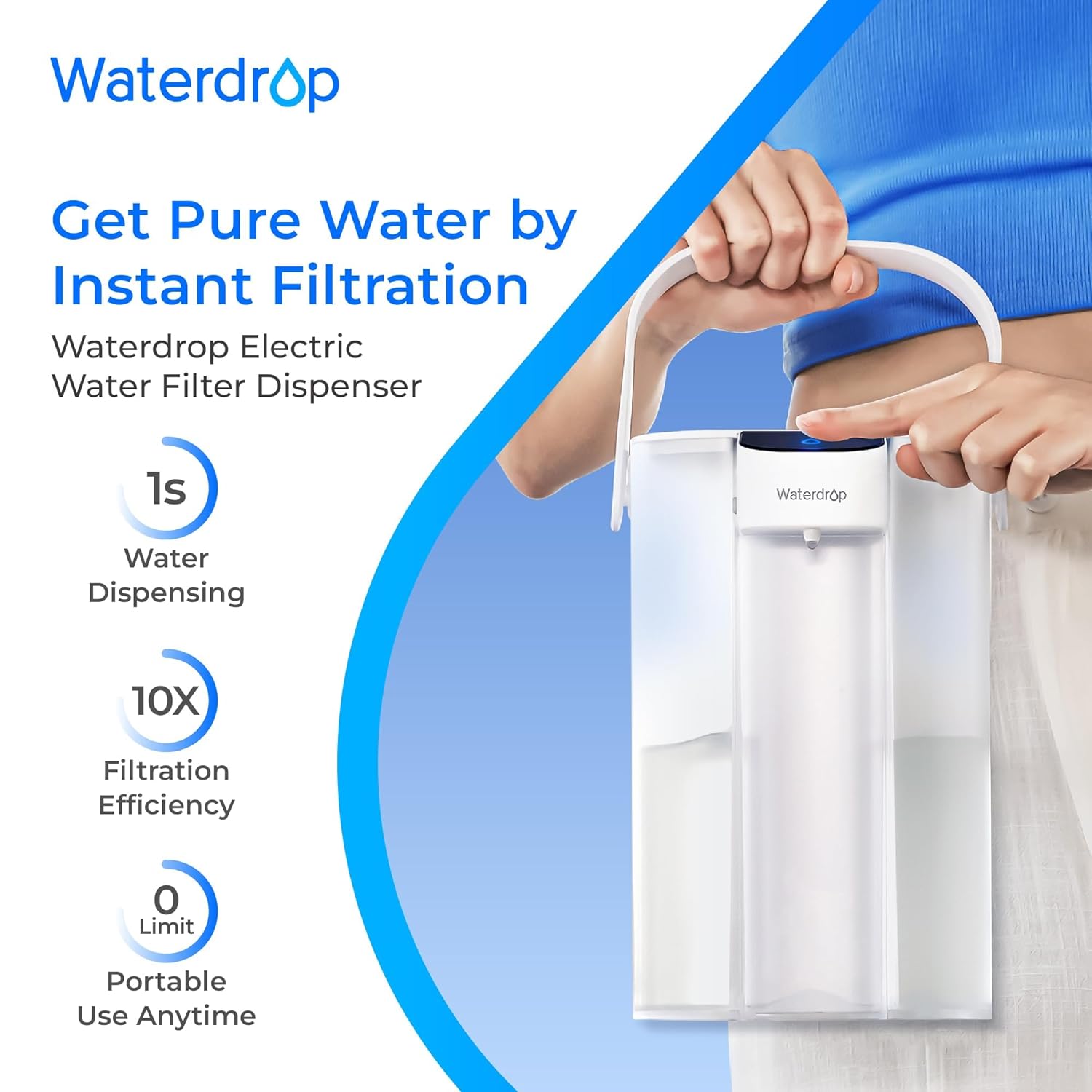
This electric filter pitcher pairs an electric instant-dispense mechanism with a cartridge-style filter and a rechargeable reservoir for countertop use. It’s meant to be a self-contained option for households that want filtered water without installing an under‑sink system.
The filtration is designed to reduce lead and a broad range of other common contaminants while leaving dissolved minerals largely unchanged, and the unit carries certifications to applicable NSF/ANSI standards. That combination aims to address health concerns without dramatically altering mineral balance or taste.
It’s a fit for people who value convenience—those who want one-touch dispensing, fewer trips to refill, and a pitcher-style setup that sits on the counter or in the fridge. It also suits families and apartment dwellers who need better water quality but can’t or don’t want a permanent plumbing modification.
For buyers who need whole-house treatment, very high flow rates, or specialized contaminant removal beyond typical point-of-use filters, a different solution may be more appropriate. For everyday drinking and cooking water with straightforward maintenance, this offers a practical, user-friendly option.
Key Features
The standout hardware is an electrically driven dispense system powered by a rechargeable battery, which makes filling a glass quick and spill-free. That hands-free convenience matters for busy households, people with mobility limits, and anyone who prefers an instant pour without lifting a heavy pitcher.
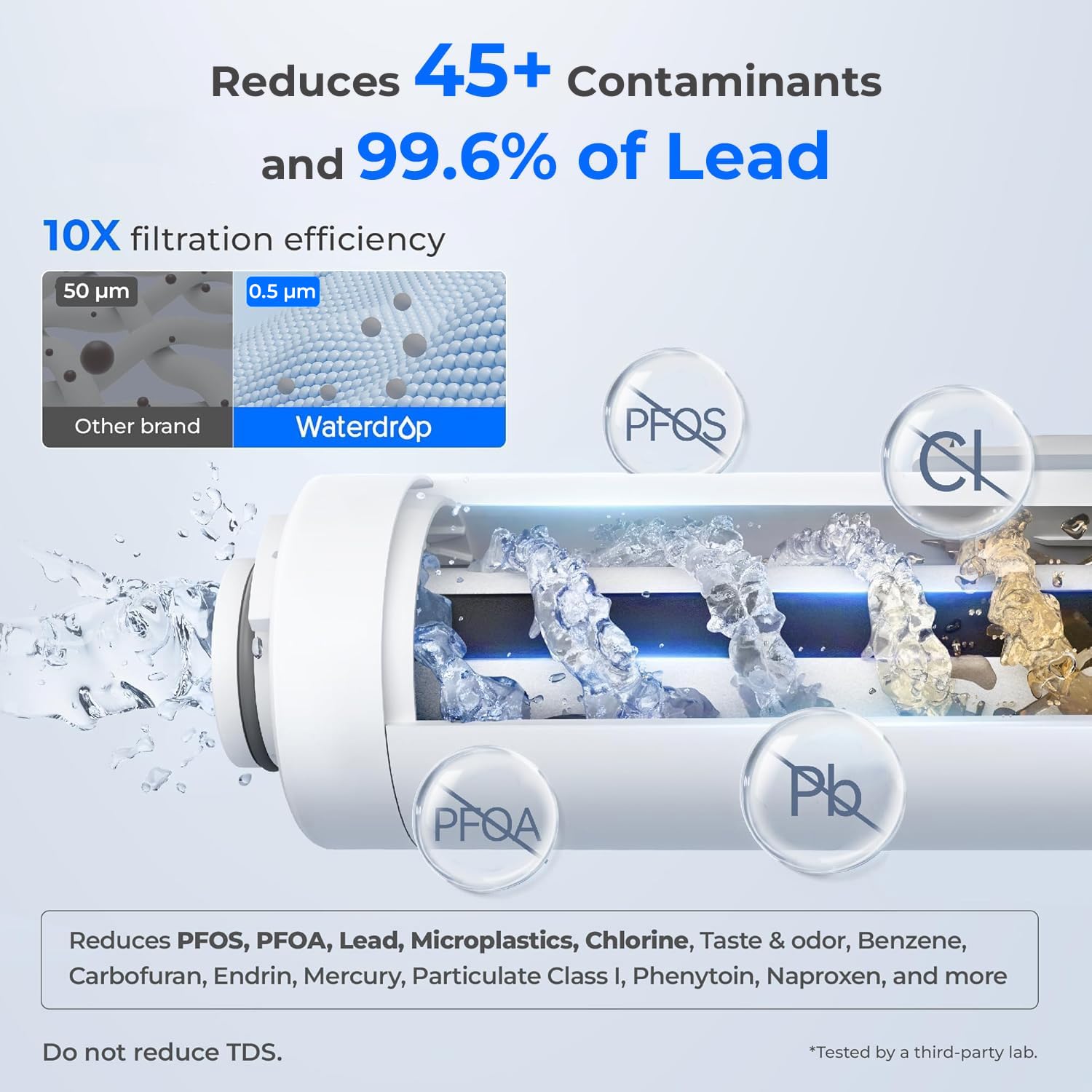
Filtration is focused on removing lead and a broad spectrum of common contaminants while retaining dissolved minerals, so treated water can taste clean without feeling flat. The unit is built to meet independent NSF/ANSI standards for contaminant reduction, which helps validate performance claims in lab testing.
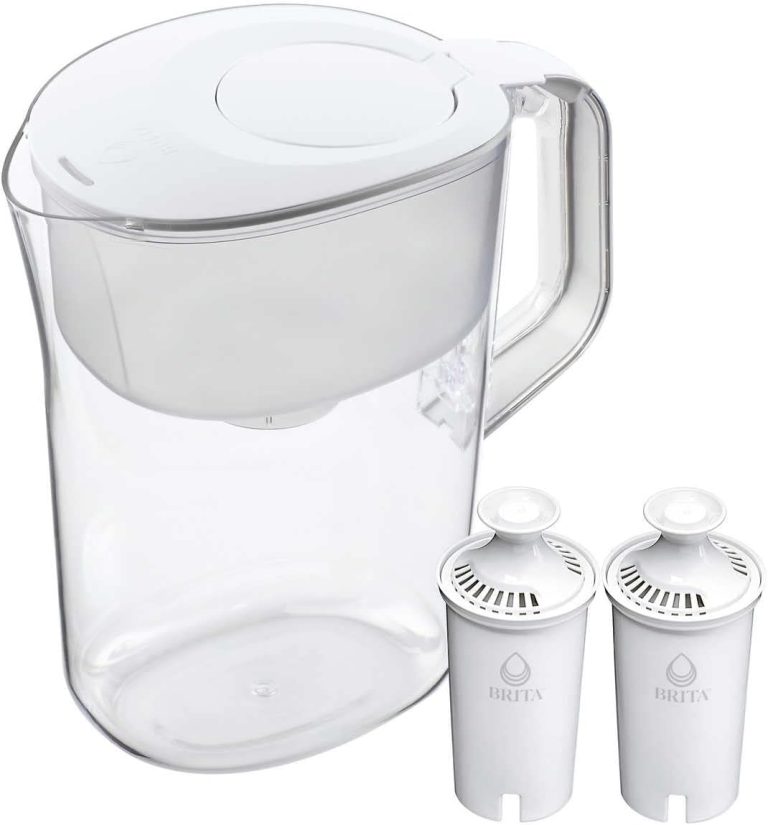
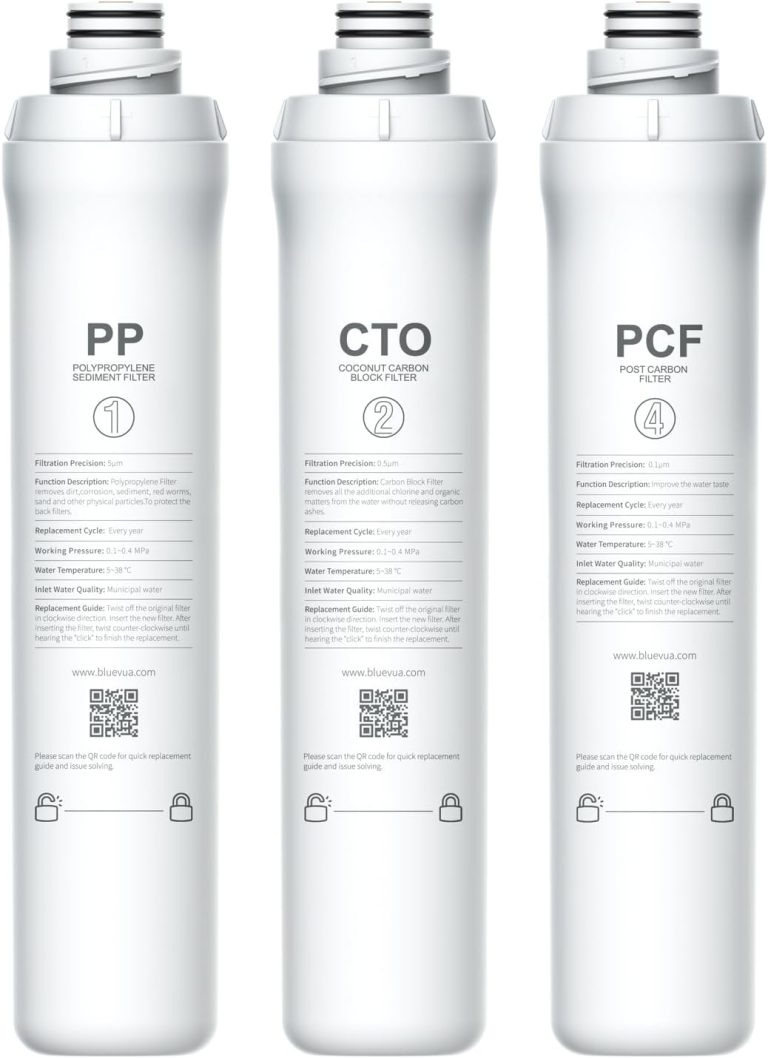
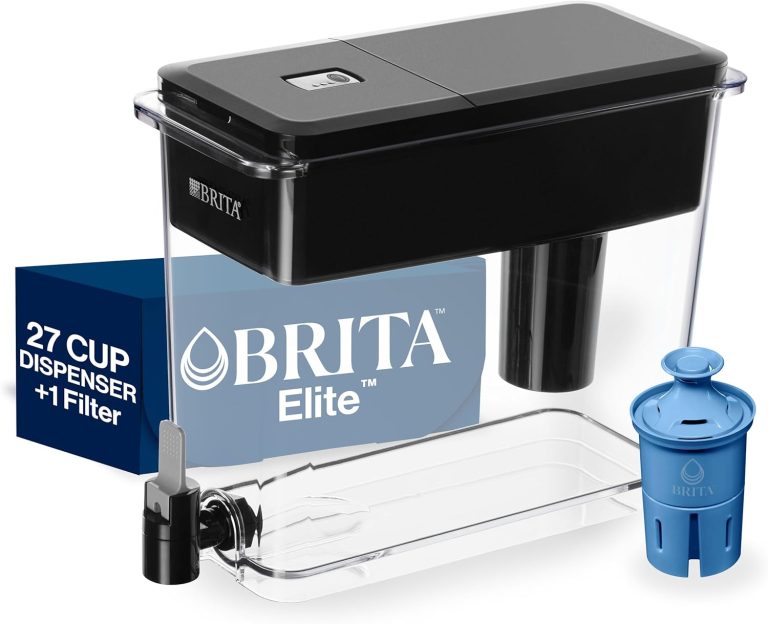
Practical design choices include a generous reservoir for multiple servings and a simple maintenance rhythm: cartridge changes and occasional cleaning are required to maintain flow and effectiveness. Exact capacity and replacement intervals vary by model/version and local water quality, so expect to follow the manufacturer’s guidance for best results — see the ED01/ED02 filter overview for details about compatible cartridges and ratings.
Real-World Performance
In everyday use the pitcher produces clearer, milder-tasting tap water that works well for drinking and cooking. It cuts common tastes and odors that come from municipal treatment, while keeping the water’s overall mouthfeel familiar. Actual improvement depends on your incoming water quality, so experiences can vary by location.
The powered dispensing mechanism simplifies pouring and helps avoid spills, making one-handed filling easier than with a standard pitcher. Because the dispenser is rechargeable, expect to charge it occasionally; charging intervals and battery behavior vary by model/version. The added convenience does introduce a bit more maintenance compared with a fully manual unit.
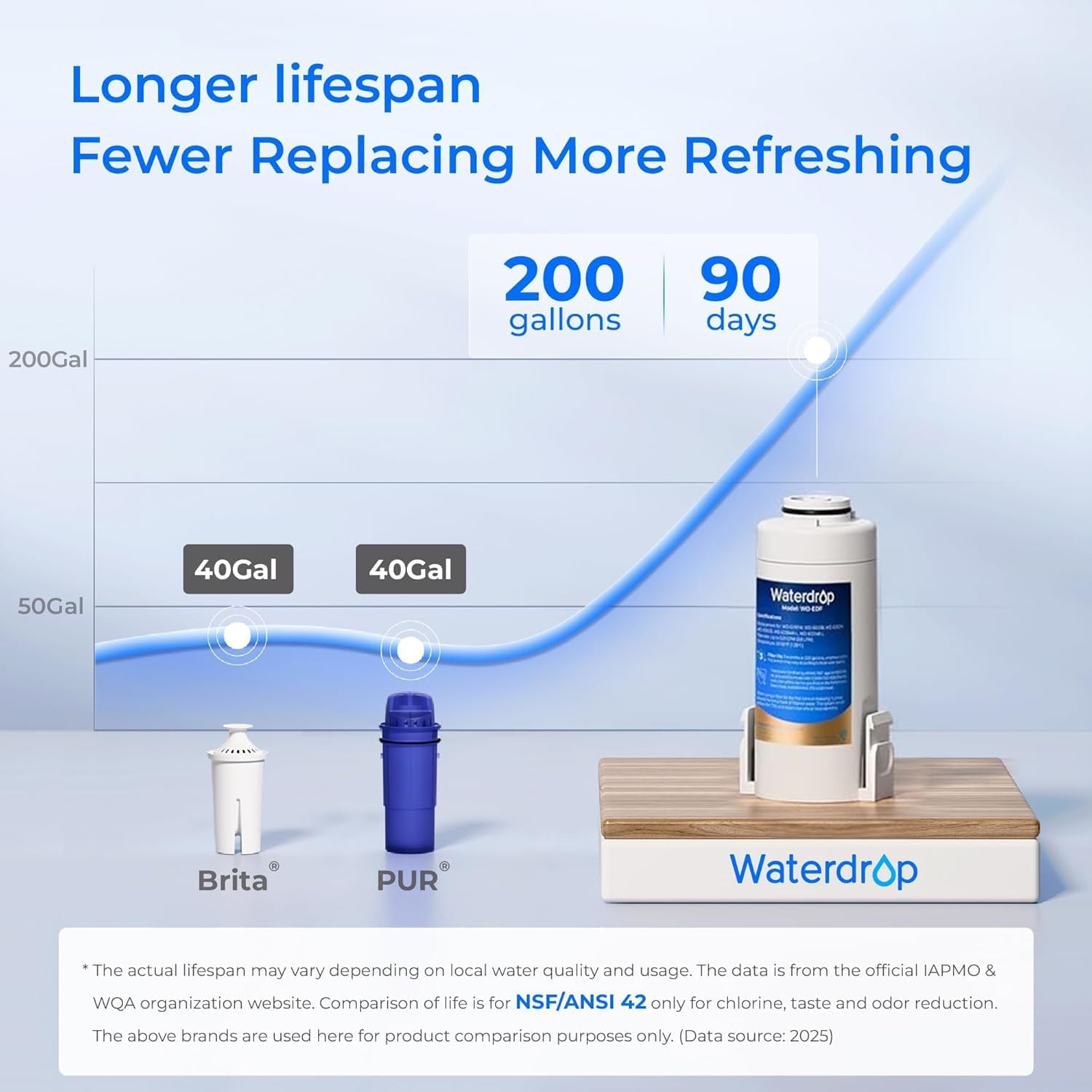
There are practical limits: filtration speed and effectiveness decline as cartridges approach end of life, so replacement frequency depends on your usage and source water. Replacement availability and ongoing cost vary, and if maintaining dissolved minerals or specific water metrics matters to you, check the manufacturer’s specifications because some filter media target contaminants while leaving mineral content largely unchanged.
Ease of Use and Maintenance
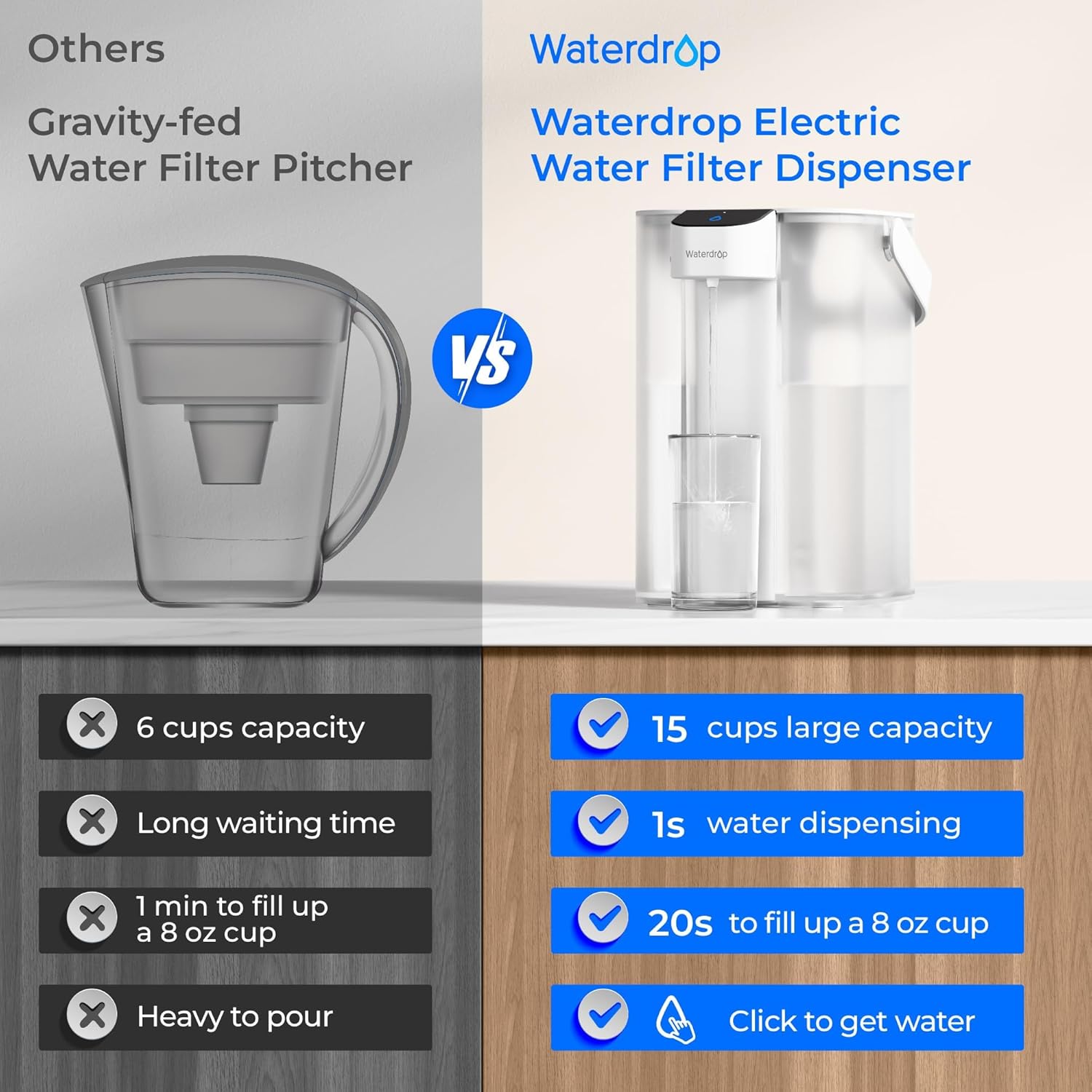
Getting started is straightforward: charge the built-in dispenser as instructed, fit the filter cartridge into the reservoir, and follow the initial rinse/flush steps in the manual before drinking. Controls are generally designed for one-handed dispensing and the parts that touch water are removable so you can reach the areas that need rinsing.
Routine cleaning is simple but important. Wipe the exterior and the dispensing nozzle with a damp cloth, rinse the reservoir and lid when you change water, and follow the manufacturer’s guidance about which parts — if any — are dishwasher-safe, since that varies by model/version. If your tap water is mineral-rich, occasional descaling or extra rinses can help maintain flow and taste.
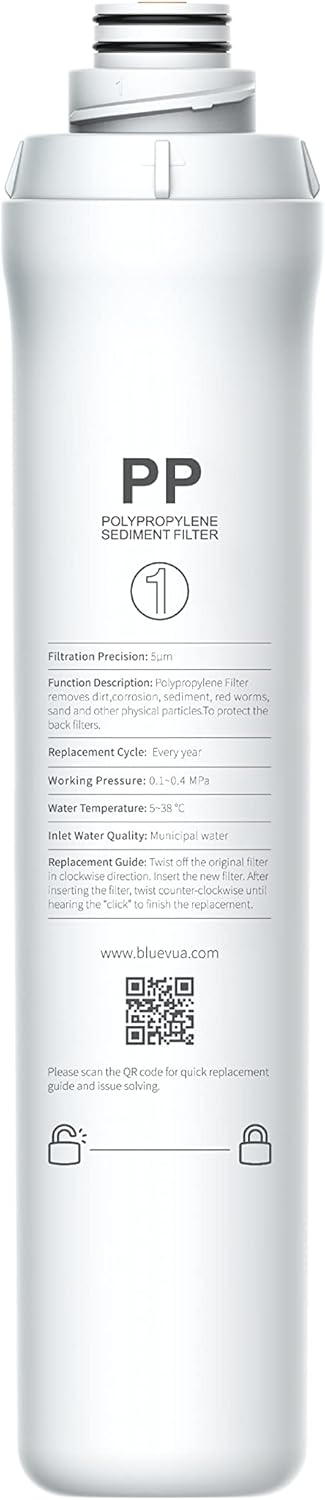
Filter replacement intervals and battery life depend on usage and the specific cartridge version, so check the included instructions for replacement cues and any electronic indicators on the unit. Keeping the device charged, using fresh cartridges as recommended, and referring to the warranty and care guide will keep maintenance predictable and trouble-free. For details on replacement parts and compatible cartridges, see the guide to replacement filters.
Pros and Trade-Offs
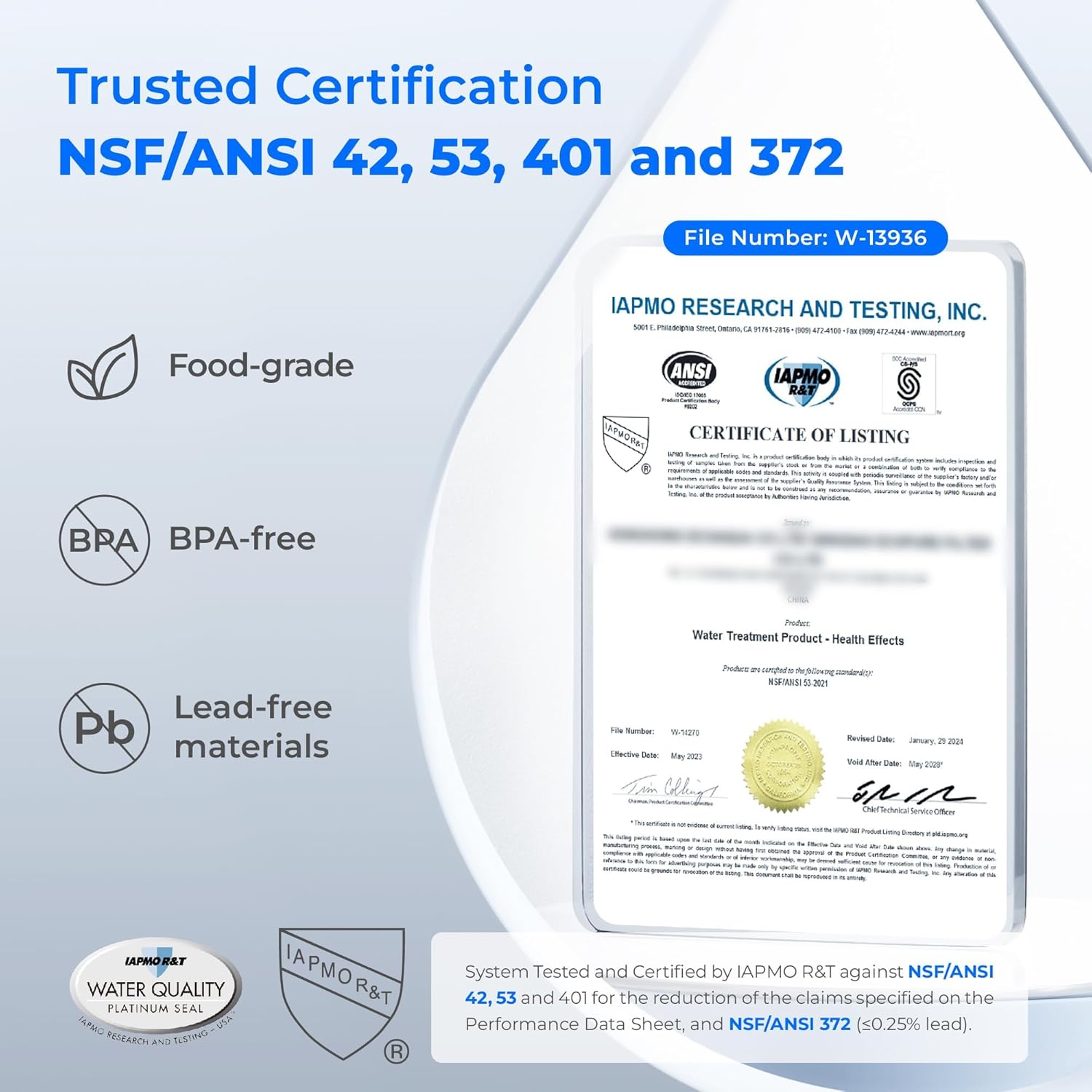
The main strengths are clear filtration performance and everyday convenience. It targets lead and a broad range of other contaminants while keeping dissolved minerals in the water, and the unit carries multiple third‑party certifications that back up those claims. The built-in rechargeable dispenser makes pouring effortless and helps when you want filtered water on demand without lifting a heavy pitcher.
On the flip side, ongoing costs and mechanical complexity are the primary trade-offs. Filter replacements and how often they’re needed depend on your water quality and household use, and the rechargeable dispensing mechanism adds another component that requires charging and occasional maintenance. The pitcher is bulkier when full, which can be less convenient for small refrigerators or tight storage.
Overall, this setup is a good match if you want strong contaminant removal with retained mineral content and value an instant, electronic dispenser. If you prefer the lowest possible long‑term cost or want a passive, zero‑power system, weigh those priorities against the convenience and the recurring expense of replacement parts.
Who This Product Is For
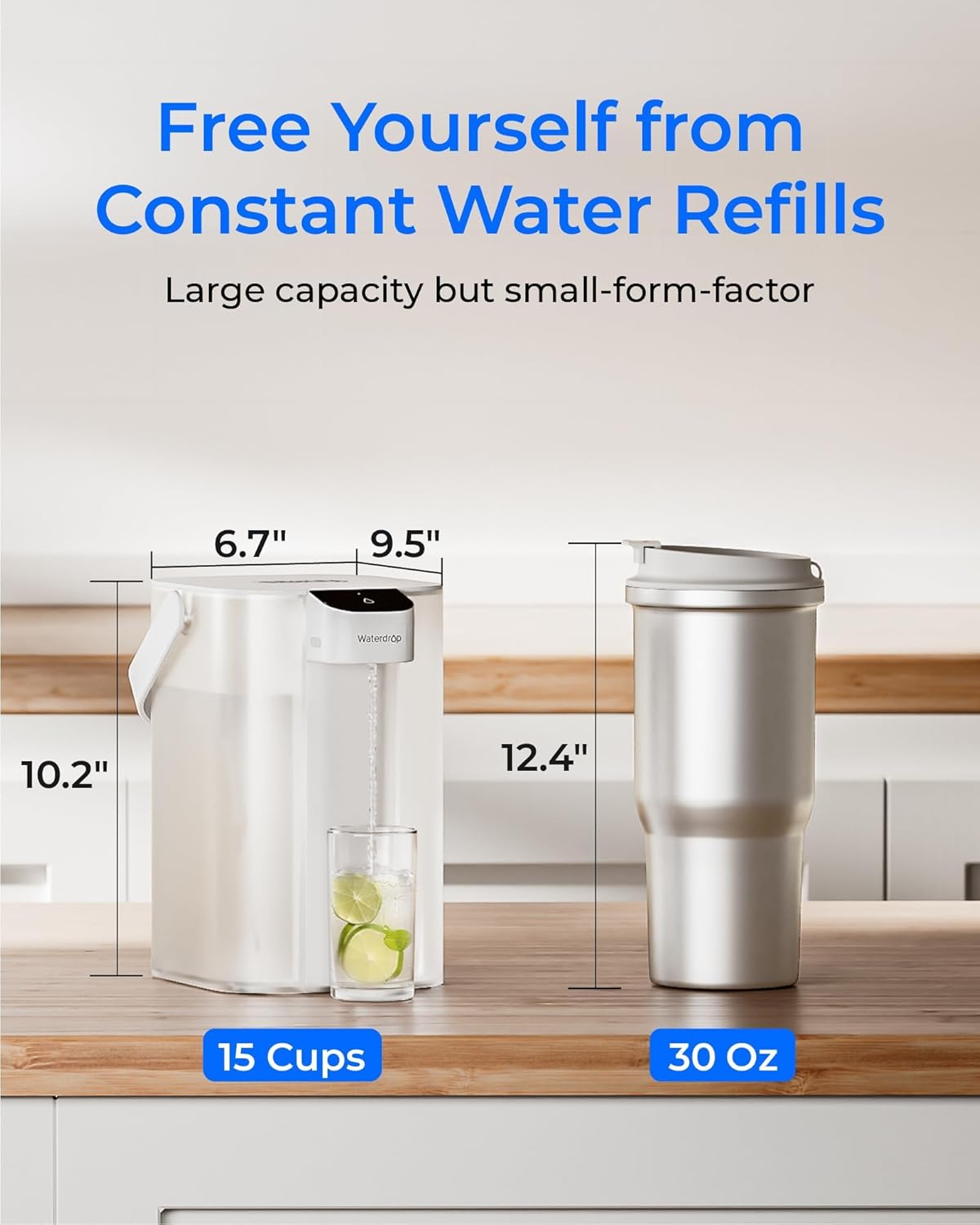
This is a fit for households that want noticeably cleaner drinking water without installing under-sink systems or changing plumbing. If your primary goals are reducing common contaminants found in tap water and having a single, easy-to-use counter device for daily drinking and cooking, it’s a practical choice.
It also suits people who prefer an automated dispensing experience and a pitcher they can fill and use quickly—helpful for busy kitchens, parents filling bottles, or anyone who likes one-handed operation. Those who appreciate keeping naturally dissolved minerals in their water and a simple refill-and-replace routine will find the format convenient.
Consider skipping this type of unit if you need whole-house treatment, want water that actively lowers dissolved solids, or prefer the lowest possible ongoing cost per gallon from a dedicated point-of-use system. It’s less appropriate for very small households that want a tiny footprint or for anyone requiring specialized treatment beyond standard contaminant reduction. If you’re weighing other pitcher-style options, you may also want to compare the Waterdrop PT-04B pitcher as an alternative.
As an Amazon Associate, I earn commission on qualified purchases.