What Is Osmosis? Understanding the Process, Types, and Applications
Osmosis plays a vital role in the survival of living things, yet it often goes unnoticed in daily life. It controls how water moves in and out of cells, keeps plants upright, and even makes medical treatments and water purification possible.
Osmosis is the movement of water across a semipermeable membrane from an area with lower solute concentration to an area with higher solute concentration.
This simple process explains why cells maintain balance, why salt makes you thirsty, and why plants wilt without enough water. By understanding osmosis, it becomes easier to see how living systems stay stable and how technology uses the same principle to solve real-world problems.
Definition and Core Principles of Osmosis
Osmosis explains how water moves across barriers in living systems and helps maintain balance between cells and their surroundings. It depends on concentration differences and the selective nature of membranes that allow only certain molecules to pass.
Basic Definition
Osmosis is the movement of a solvent, usually water, across a semipermeable membrane. This membrane allows water molecules to pass but blocks many solute particles.
The movement occurs from a region with lower solute concentration (more water) to a region with higher solute concentration (less water). Unlike simple diffusion, which does not require a membrane, osmosis always involves a barrier that separates two different solutions.
The driving force is the difference in water concentration, sometimes described as water potential. The process is passive, meaning it does not require energy from the cell.
Water molecules move randomly, but the net flow is always toward the side with more solute. This continues until the concentrations reach equilibrium or until physical forces, such as pressure, stop the movement.
Key Characteristics
Several features define osmosis:
- Direction of movement: Water moves from high water concentration to low water concentration.
- Requirement of a semipermeable membrane: Only certain molecules, like water, can cross.
- Dependence on solute concentration: The greater the difference, the stronger the osmotic effect.
- Passive process: No energy input is needed.
Osmosis also creates osmotic pressure, which is the pressure required to stop water flow across the membrane. This pressure increases as solute concentration increases.
In some cases, external forces can reverse the natural flow. For example, reverse osmosis uses applied pressure to move water from a higher solute concentration to a lower one, a process widely used in water purification systems.
More details on osmotic pressure can be found in this overview of osmosis.
Importance in Biological Systems
Osmosis plays a central role in maintaining cell structure and function. Cell membranes act as semipermeable barriers, controlling the movement of water in and out of the cell.
In a hypertonic solution (higher solute outside), water exits the cell, causing it to shrink. In a hypotonic solution (lower solute outside), water enters the cell, which may swell and burst.
In an isotonic solution, water movement is balanced, and the cell remains stable. This regulation is vital for processes such as nutrient absorption, kidney function, and fluid balance in tissues.
Without osmosis, cells could not maintain proper shape, internal pressure, or chemical balance. A detailed explanation of these effects can be seen in cell-level osmosis examples.
Mechanism and Process of Osmosis
Osmosis depends on the movement of solvent molecules, usually water, across a semipermeable membrane. This process is guided by differences in solute concentration, water potential, and the properties of the membrane that allow selective passage of molecules.
Concentration Gradient and Osmotic Flow
A concentration gradient forms when two solutions have different amounts of solute particles. Water molecules move from the side with lower solute concentration to the side with higher solute concentration.
This net movement is called osmotic flow. The osmotic gradient is the driving force behind this movement.
It represents the difference in solute concentration on each side of the semipermeable membrane. As long as this gradient exists, water moves until equilibrium is reached.
For example, when a cell is placed in a salt solution, water leaves the cell because the external solution has more solute particles. In contrast, placing the same cell in pure water causes water to enter.
This simple difference explains how cells shrink in hypertonic solutions and swell in hypotonic solutions.
Role of Semipermeable Membranes
A semipermeable membrane allows solvent molecules to pass while blocking larger solute particles. In living systems, the cell membrane serves this role.
It lets water move in and out but restricts ions, proteins, and other large molecules. The structure of these membranes is critical.
The lipid bilayer and protein channels, such as aquaporins, regulate the rate of water transport. This ensures controlled osmotic flow rather than random movement.
Without semipermeable membranes, osmosis could not occur. The selective barrier creates the conditions needed for water to move in a predictable direction.
This property is why osmosis is essential in processes like nutrient absorption and maintaining cell turgor in plants.
Water Potential and Solute Concentration
Water potential measures the tendency of water to move from one region to another. Pure water has the highest water potential.
Adding solute lowers water potential because solute particles bind water molecules, reducing the number of free solvent molecules available to move. The difference in water potential between two sides of a membrane determines the direction of osmotic flow.
Water always moves from higher potential (less solute) to lower potential (more solute). In practical terms:
- Hypotonic solution: water enters the cell.
- Isotonic solution: no net movement.
- Hypertonic solution: water leaves the cell.
This relationship between solute concentration and water potential explains why osmosis is vital for maintaining balance in both plant and animal cells, as shown in Britannica’s explanation of osmosis.
Types of Osmosis and Related Processes
Osmosis can move water into or out of cells depending on the concentration of solutes, and it can also be applied in technology to separate pure water from solutions. These processes vary in direction, purpose, and the conditions under which they occur.
Endosmosis and Exosmosis
Endosmosis occurs when a cell is placed in a hypotonic solution, meaning the surrounding fluid has a lower solute concentration than the inside of the cell. Water enters the cell, causing it to swell.
In plant cells, this creates turgor pressure, which helps maintain firmness and structural support. Exosmosis happens in the opposite situation.
When a cell is placed in a hypertonic solution, water exits the cell toward the higher solute concentration outside. This loss of water makes the cell shrink and become flaccid.
In severe cases, plant cells undergo plasmolysis, where the cell membrane pulls away from the cell wall.
| Process | Environment Type | Water Movement | Effect on Cell |
|---|---|---|---|
| Endosmosis | Hypotonic | Into the cell | Swells, turgid |
| Exosmosis | Hypertonic | Out of the cell | Shrinks, flaccid |
These processes are central to understanding how cells regulate water balance and respond to their surroundings. More detail can be found in explanations of osmosis in biology.
Forward Osmosis and Reverse Osmosis
Forward osmosis uses a solution with high osmotic pressure, called a draw solution, to pull water across a semipermeable membrane. This process does not require external pressure and is often used in experimental or energy-efficient water treatment systems.
The water moves naturally toward the more concentrated solution, leaving unwanted solutes behind. Reverse osmosis works differently.
It applies external pressure greater than the natural osmotic pressure to push water in the opposite direction. In this case, water moves from the more concentrated side to the less concentrated side of the membrane.
This method is widely used for desalination and producing drinking water.
| Process | Driving Force | Direction of Water Flow | Common Use |
|---|---|---|---|
| Forward Osmosis | Osmotic pressure | Toward draw solution | Water recovery, food processing |
| Reverse Osmosis | Applied external force | Toward pure water side | Desalination, water purification |
Both methods rely on semipermeable membranes but serve different purposes, with reverse osmosis being the more common in everyday applications.
Osmotic Solutions and Their Effects
The movement of water across cell membranes depends on the relative concentration of solutes inside and outside the cell. The balance or imbalance of these concentrations defines whether water enters, leaves, or remains stable within a cell.
Isotonic Solutions
An isotonic solution has the same solute concentration as the fluid inside a cell. In this case, water moves in and out of the cell at equal rates.
There is no net gain or loss of water. Animal cells function best in isotonic conditions because their shape and size remain stable.
For example, human red blood cells in isotonic saline maintain their round, biconcave form. This stability prevents cell swelling or shrinkage.
In medical care, isotonic solutions such as 0.9% sodium chloride are used in intravenous fluids. These solutions help maintain fluid balance without disturbing the osmotic state of blood cells.
A simple way to think about it: equal solute concentration = no net water movement. This equilibrium supports normal cellular activity without stress on the cell membrane.
Hypotonic Solutions
A hypotonic solution has a lower solute concentration compared to the inside of the cell. Water moves into the cell by osmosis, increasing internal pressure.
In plant cells, this inward flow creates turgor pressure, which keeps stems and leaves firm. This condition is healthy for plants, as it supports structure.
In animal cells, however, too much water intake can be harmful. Red blood cells placed in a hypotonic solution swell and may burst, a process called hemolysis.
Key points about hypotonic solutions:
- Water movement: Into the cell
- Effect on plant cells: Turgid, firm
- Effect on animal cells: Swelling, possible rupture
This shows why cells must regulate water balance carefully when surrounded by hypotonic environments.
Hypertonic Solutions
A hypertonic solution contains a higher solute concentration than the fluid inside the cell. Water leaves the cell, causing it to shrink.
In plant cells, this leads to plasmolysis, where the cell membrane pulls away from the wall. The plant may wilt as a result.
In animal cells, such as red blood cells, exposure to hypertonic solutions causes them to shrivel. This condition is called crenation.
Important effects of hypertonic solutions:
- Water movement: Out of the cell
- Plant cells: Loss of turgor, plasmolysis
- Animal cells: Shrinking, crenation
Hypertonic solutions are used in food preservation. For example, salting or sugaring foods draws water out of microbial cells through osmosis, limiting their survival.
Osmosis in Living Organisms
Osmosis regulates water movement in both plants and animals, keeping cells stable and functional. It affects processes such as nutrient absorption, cell hydration, and the balance of fluids inside tissues.
Osmosis in Plant Cells
Plant cells rely on osmosis to absorb water from the soil. The cell membrane allows water to move inward when the solute concentration inside the cell is higher than in the surrounding soil.
This water intake builds turgor pressure, which keeps stems firm and leaves expanded. If water is lost, plant cells shrink away from their cell walls, a process called plasmolysis.
This weakens the plant and can lead to wilting. Guard cells around stomata also use osmosis to regulate gas exchange.
When they take in water, they swell and open the pore, allowing carbon dioxide to enter for photosynthesis. When they lose water, the pores close to reduce water loss.
Without osmosis, root cells would not be able to pull water upward through the plant.
Osmosis in Animal Cells
Animal cells also depend on osmosis, but they lack rigid cell walls. This makes them more vulnerable to swelling or shrinking when water movement is not controlled.
The cell membrane manages the flow of water between the inside of the cell and the extracellular fluid. When placed in a solution with lower solute concentration, water enters the cell, causing it to swell.
In contrast, a higher solute concentration outside the cell draws water out, leading to shrinkage. Both conditions can harm cell function.
Kidneys use osmosis to reabsorb water back into the bloodstream during filtration. This helps maintain fluid balance and prevents dehydration.
Osmosis also plays a role in transporting nutrients and removing waste products across membranes. By keeping water levels stable, osmosis ensures that animal cells maintain their shape, chemical balance, and ability to perform normal activities.
Role in Red Blood Cells
Red blood cells are a clear example of how osmosis affects animal tissues. Their thin, flexible cell membrane allows water to move in and out depending on the surrounding fluid’s solute concentration.
In a hypotonic solution, where solute concentration is lower outside the cell, water rushes in. This can cause the cell to swell and even burst, a process known as hemolysis.
In a hypertonic solution, where solute concentration is higher outside, water exits the cell. This leads to shrinkage and a spiky appearance, called crenation.
Both extreme conditions damage the red blood cells and reduce their ability to carry oxygen. In an isotonic environment, water movement is balanced.
This keeps red blood cells at their normal size and shape, allowing them to transport oxygen efficiently throughout the body.
Factors Affecting Osmosis
The speed and direction of osmosis depend on measurable conditions such as temperature, the type and amount of solute, and the pressures acting on the system. Each factor changes how water molecules move across a semipermeable membrane and influences biological and practical outcomes.
Temperature and Surface Area
Temperature directly affects the kinetic energy of water molecules. At higher temperatures, molecules move faster, leading to quicker passage through the membrane.
Lower temperatures slow this movement, reducing the overall rate of osmosis. Surface area also plays a major role.
A larger membrane surface allows more water molecules to pass at the same time. Plant root hairs provide a good example, as their expanded surface area increases water absorption efficiency.
The relationship between temperature and surface area can be summarized:
| Factor | Effect on Osmosis Rate |
|---|---|
| High temperature | Faster molecular movement, quicker osmosis |
| Low temperature | Slower molecular movement, reduced osmosis |
| Large surface area | More pathways for water, faster osmosis |
| Small surface area | Fewer pathways, slower osmosis |
Both factors often work together, with warm conditions and wide surface exposure leading to the most rapid water movement.
Solute Type and Molar Concentration
The kind of solute and its molar concentration strongly influence osmotic activity. A steep concentration gradient across the membrane creates a stronger driving force for water movement.
For example, in a hypotonic solution, water enters a cell quickly, while in a hypertonic solution, water exits the cell and may cause shrinkage. Different solutes vary in their ability to dissolve and interact with the membrane.
Small, non-charged solutes may diffuse more easily, while larger or charged solutes remain outside, increasing osmotic pull. The molar concentration of solutes directly determines the osmotic pressure that develops between two solutions.
When the concentration difference is greater, water crosses the membrane at a faster rate. Balanced, isotonic conditions show little net water movement.
More details on this relationship can be found in explanations about the role of concentration differences in osmosis.
Pressure and Osmotic Pressure
Pressure can either enhance or oppose the natural flow of water. Hydrostatic pressure, the force exerted by a fluid, may counter osmotic movement.
In plant cells, this is seen as turgor pressure, which keeps the cell firm when water pushes against the wall. Osmotic pressure is the minimum force needed to prevent water from crossing the membrane.
A higher solute concentration produces greater osmotic pressure. This explains why water moves more rapidly when the difference in solute concentration is large.
In some systems, external pressure is applied to reverse the natural flow. For example, in reverse osmosis, applied pressure forces water to move against its gradient for purification purposes.
This shows how pressure can be used to control or even stop osmotic flow, depending on the situation.
Applications and Significance of Osmosis
Osmosis supports clean water supply, medical treatments, and even renewable energy. It enables the removal of salts and impurities from water, powers certain energy technologies, and helps doctors filter waste from the blood when kidneys fail.
Water Treatment and Desalination
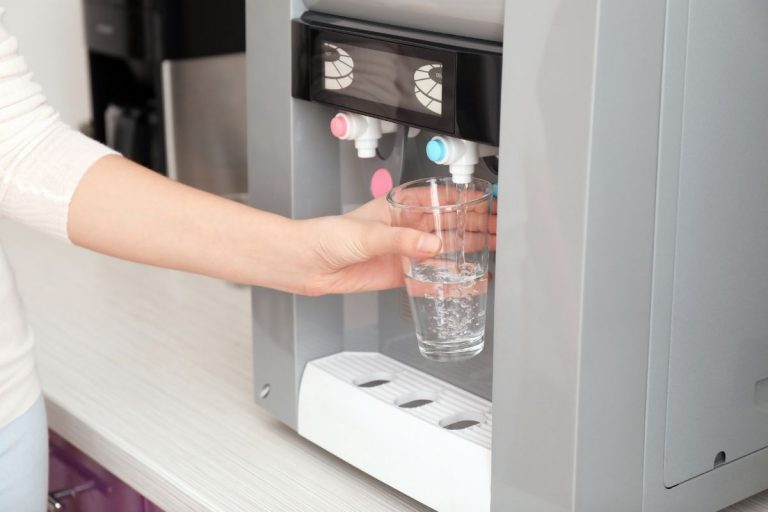
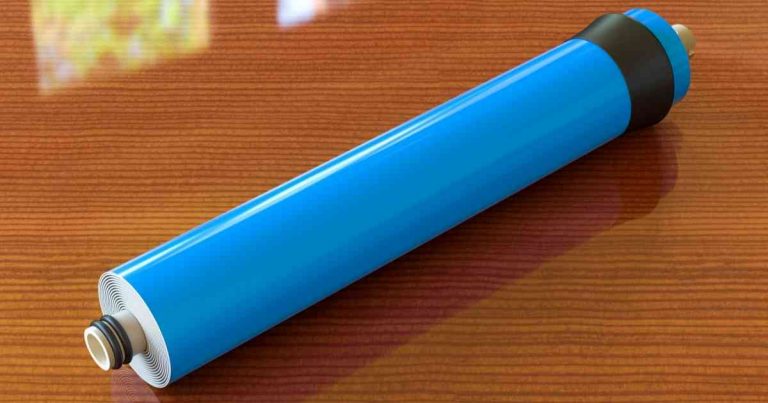
Reverse osmosis is one of the most common methods for producing clean drinking water. In this process, water is forced through a semipermeable membrane that blocks salts, bacteria, and other impurities.
This makes it especially important in coastal areas where seawater must be converted into freshwater. Large desalination plants use reverse osmosis to supply cities with potable water.
For example, countries in the Middle East rely heavily on this process to provide safe water in arid regions. Household systems also use reverse osmosis.
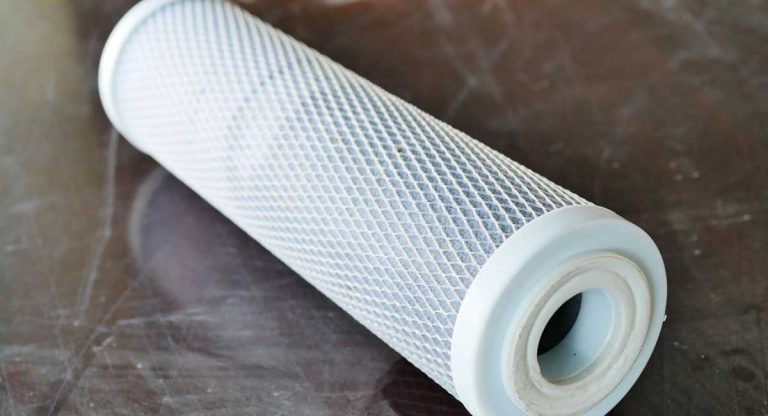
Many tap water filters remove chlorine, heavy metals, and other contaminants, improving both taste and safety. Compared to other filtration methods, reverse osmosis is effective at reducing dissolved salts that standard filters cannot remove.
The challenge is energy cost. High pressure is required to push water through the membrane, which makes large-scale desalination expensive.
Still, it remains one of the most reliable technologies for addressing water scarcity.
Osmotic Power Generation
Osmotic power generation, also called pressure-retarded osmosis, uses the natural difference in salt concentration between freshwater and saltwater. When these two waters are separated by a membrane, water naturally moves into the saltwater side, creating pressure.
This pressure can drive a turbine and generate electricity. The concept is simple but requires specialized membranes that can withstand high pressure while allowing efficient water flow.
Research facilities in Europe and Asia have tested osmotic power plants near river mouths where freshwater meets the sea. These locations provide a constant supply of both water types, making them suitable for energy production.
Although the output is currently lower than wind or solar, osmotic power is renewable and predictable. It could complement other energy sources if efficiency improves and costs decrease.
Dialysis in Medicine
Dialysis uses osmosis to remove waste products from the blood when kidneys cannot perform this function. In hemodialysis, a patient’s blood flows through a machine with a semipermeable membrane.
Waste molecules like urea and excess salts pass through, while larger molecules such as proteins and glucose remain. Dialysis fluid on the other side of the membrane is carefully balanced.
Its composition allows toxins to move out of the blood by osmosis, while preventing the loss of essential nutrients. Patients often undergo dialysis several times a week.
Dialysis is not a cure, but it sustains life for people with kidney failure until a transplant becomes possible.