Whole House Water Filtration System for Well Water: Complete Guide
Many households that rely on private wells face issues like iron staining, sulfur odors, or sediment buildup. These problems not only affect taste and smell but can also damage plumbing and appliances over time.
A whole house water filtration system for well water provides clean, safe water from every tap by removing common contaminants before they enter the home’s plumbing.
Unlike point-of-use filters that treat water at a single faucet, a whole house system connects at the main line. This setup ensures all water used for drinking, cooking, bathing, and cleaning is filtered.
It also helps protect appliances such as dishwashers and washing machines from mineral buildup and corrosion. With options ranging from air injection systems that target iron and sulfur to cartridge filters that handle sediment and heavy metals, homeowners can choose a solution tailored to their specific water quality.
Understanding why whole house filtration matters, how these systems work, and what types are available makes it easier to select the right system.
Why Whole House Water Filtration Is Essential for Well Water
Well water often contains natural and human-made contaminants that affect both safety and comfort. Unlike city water, it is not regulated or treated before entering the home, which means families must take responsibility for protecting water quality through proper testing and filtration.
Common Well Water Contaminants
Private wells can hold a wide range of contaminants. Some are visible, like sediment, dirt, or rust particles, while others are invisible, such as bacteria, nitrates, or pesticides.
Metals like iron and manganese often cause staining on sinks, tubs, and laundry. Sulfur produces a strong rotten-egg odor, which, while not usually harmful, makes water unpleasant.
More serious risks include E. coli and other microorganisms that can enter through cracked well caps, flooding, or nearby septic failures. Farm runoff may also introduce fertilizers, nitrates, and animal waste into groundwater.
According to Angel Water, even seasonal changes in rainfall or soil movement can alter well water quality. Because these contaminants vary in type and severity, a whole house water filtration system often combines multiple stages, such as sediment filters, carbon filters, and UV treatment, to address them effectively.
Health and Home Impacts
Contaminated well water can create both health and household problems. Bacteria and nitrates may cause illness, especially in young children, pregnant women, or individuals with weakened immune systems.
Long-term exposure to certain chemicals or metals may also pose risks. Poor water quality damages the home.
Hard minerals like calcium and magnesium leave scale buildup in pipes and appliances, shortening their lifespan and lowering efficiency. Iron and manganese stain fixtures and laundry, while sulfur odors make showers and washing unpleasant.
A well water filtration system reduces these issues by removing harmful substances before water reaches any faucet. Cleaner water means less wear on plumbing, better-tasting drinking water, and improved results for bathing, cooking, and cleaning.
Differences from Municipal Water
City water goes through regulated treatment plants, where it is filtered, disinfected, and tested under Environmental Protection Agency (EPA) standards. Utilities must provide annual Consumer Confidence Reports that show water quality results.
In contrast, well water comes directly from the ground without oversight. No government agency tests or treats it before it reaches the home.
Homeowners must handle testing and purification themselves. This difference makes well water more unpredictable.
Heavy rainfall, nearby construction, or septic system failures can quickly change water quality. Without a whole house water filtration system, contaminants may enter unnoticed.
As explained by Water Purification Guide, while filtration requires upfront investment and maintenance, it ensures consistent protection for every tap in the home.
How Whole House Water Filtration Systems Work
A whole house water filtration system connects to the main water line and treats all incoming water before it reaches faucets, showers, and appliances. These systems often use multiple filter stages, each designed to target different contaminants, while balancing micron rating, flow rate, and water pressure for consistent performance.
Filtration Stages and Media Types
Most systems use multi-stage filtration to handle a wide range of impurities. The first stage often includes a sediment filter that removes sand, dirt, and rust.
This protects downstream filters from clogging. The next stage may use activated carbon media, which reduces chlorine, pesticides, and organic chemicals.
Carbon also improves taste and odor. For well water, filters targeting iron, manganese, or sulfur are often added since these are common groundwater issues.
Some setups include specialty cartridges like KDF (Kinetic Degradation Fluxion) for heavy metals or UV disinfection units to neutralize bacteria. The type of filter housing determines what media can be used.
Larger housings, such as “big blue” filters, allow for more capacity and flexibility in choosing cartridges. A typical multi-stage system may look like:
| Stage | Filter Type | Main Purpose |
|---|---|---|
| 1 | Sediment | Removes dirt, sand, rust |
| 2 | Carbon | Reduces chlorine, VOCs, pesticides |
| 3 | Iron/Sulfur | Targets well water contaminants |
| 4 | UV/KDF | Neutralizes microbes or metals |
Micron Rating and Filtration Effectiveness
The micron rating measures the size of particles a filter can trap. A lower number means finer filtration.
For example, a 50-micron filter removes large particles, while a 5-micron filter captures much smaller ones. Sediment filters usually range from 1–50 microns.
A well water system may start with a higher micron pre-filter to catch larger debris, followed by a finer filter for smaller particles. This staged approach prevents clogging and extends filter life.
Micron ratings can be nominal (removes most particles of that size) or absolute (removes nearly all). Homeowners should match the rating to their water quality.
For instance, removing sand may require only 20–50 microns, while targeting fine silt or cysts may need 1–5 microns. Choosing the right micron rating balances water clarity with system maintenance.
Filters that are too fine may clog quickly, while filters that are too coarse may not improve water quality enough.
Flow Rate and Water Pressure Considerations
A whole house water filter must maintain adequate flow rate and water pressure for daily use. Flow rate is measured in gallons per minute (GPM).
Most homes need between 8–15 GPM depending on household size and water demand. Filters with small housings or very fine micron ratings may reduce flow.
Large filter housings allow more water to pass through with less restriction. Installing pressure gauges before and after the filter helps track pressure drops, which indicate when cartridges need replacement.
If water pressure is too low, showers may weaken and appliances may not run properly. To prevent this, homeowners should size the system correctly and consider bypass valves or dual filters for high-demand households.
Balancing flow rate, filter size, and micron rating ensures the system delivers clean water without sacrificing pressure throughout the home.
Types of Whole House Well Water Filtration Systems
Different well water issues require different filtration methods. Some systems focus on removing dirt and particles, while others target chemicals, metals, or bacteria.
The right setup often combines multiple filters to handle both aesthetic issues like odor and taste, and health-related concerns such as microbial contamination.
Sediment Filters and Pre-Filtration
Sediment filters act as the first line of defense in a well water filter system. They capture sand, rust, dirt, and other particles that can damage plumbing and clog finer filters.
A sediment pre-filter prevents larger debris from reaching more delicate components like carbon block filters or UV purifiers. These filters usually come in pleated, string-wound, or spin-down designs.
Pleated filters are washable and reusable, while spin-down filters are easy to flush without replacement. Micron ratings, such as 5 or 20 microns, determine how fine the particles removed will be.
Sediment filters do not improve taste, odor, or chemical quality. Instead, they protect the rest of the well water filtration system, extend the lifespan of other filters, and maintain steady water pressure.
Carbon and KDF Filters
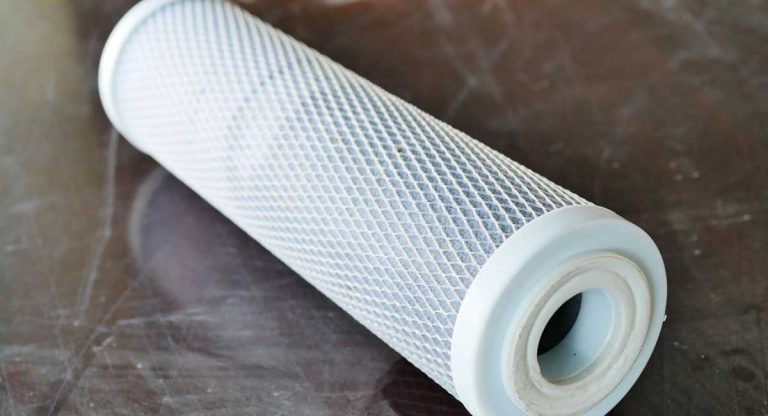
Carbon-based filters are widely used to reduce chlorine, pesticides, herbicides, and volatile organic compounds. An activated carbon filter or carbon block filter also improves taste and odor, making water more pleasant to drink and cook with.
For well water that contains heavy metals, combining carbon with KDF media is effective. KDF (Kinetic Degradation Fluxion) reduces lead, mercury, and other dissolved metals.
It also helps control bacteria growth inside the filter housing, extending the life of the carbon filter. Carbon block filters work best as part of a layered system.
While they improve water quality, they cannot remove high levels of iron, sulfur, or manganese, which require specialized treatment.
Iron, Manganese, and Sulfur Removal Systems
Iron, manganese, and hydrogen sulfide are common in private wells. These contaminants cause staining, metallic tastes, and the rotten egg odor often linked to sulfur.
Dedicated iron filters or combination systems address these problems. One popular approach is air injection oxidation, which oxidizes iron, manganese, and hydrogen sulfide before filtration.
Another option is katalox media, which handles higher concentrations of these contaminants. For severe cases, chemical oxidation with hydrogen peroxide injection may be used, though this requires chemical handling and more maintenance.
These systems often include automatic backwashing, which cleans the media and maintains flow rates. Proper sizing is important, as flow rates must match household demand to avoid reduced water pressure.
UV Purifiers and Bacteria Control
When well water tests positive for bacteria, a UV purifier provides disinfection without chemicals. Ultraviolet light damages the DNA of microorganisms, preventing them from reproducing.
This makes UV treatment effective against E. coli, viruses, and other pathogens. UV systems require clear water to work properly.
That’s why they are usually installed after sediment filters and carbon filters. If particles remain in the water, they can block UV light and reduce effectiveness.
Maintenance is simple, involving annual lamp replacement and occasional quartz sleeve cleaning. Unlike chlorine, UV treatment does not leave residual taste or byproducts, making it a safe and low-maintenance option for whole house well water filtration.
Specialized Solutions for Well Water Challenges
Well water often contains contaminants and minerals that require more than a basic filter. Systems designed for specific issues like heavy metals, scale buildup, and dissolved solids provide targeted treatment that improves water safety, taste, and the lifespan of plumbing and appliances.
Heavy Metal and VOC Removal
Heavy metals such as iron, lead, and manganese are common in groundwater. Volatile organic compounds (VOCs) from pesticides, fuel leaks, or industrial runoff may also seep into wells.
Both types of contaminants can affect water quality and pose health risks. A multi-stage filtration system often combines activated carbon, KDF media, and UV purification to reduce these pollutants.
Activated carbon is effective at capturing VOCs, while KDF media targets heavy metals through redox reactions. For homes with higher concentrations, whole house systems like the Aquasana EQ-WELL-UV-PRO-AST use layered filtration to remove up to 97–99% of contaminants.
These systems also preserve essential minerals, which helps maintain water taste. Routine testing of well water ensures the chosen system matches the specific metals or chemicals present.
Cartridge replacement schedules vary but are critical for consistent performance.
Hard Water and Scale Prevention
Hard water contains high levels of calcium and magnesium. Over time, these minerals cause scale buildup inside pipes, water heaters, and household appliances.
This reduces efficiency and shortens equipment lifespan. The most common treatment is a water softener that uses ion exchange.
In this process, calcium and magnesium ions are swapped for sodium or potassium ions, preventing scale formation. Many homeowners consider this the best water softener approach for long-term protection.
For those avoiding salt-based systems, salt-free conditioners use template-assisted crystallization or scale control media (SCM) to prevent minerals from sticking to surfaces.
Systems like the SpringWell WS-1 combine oxidation and digital controls to manage both mineral content and contaminants. Choosing between a softener and a conditioner often depends on local water hardness levels, maintenance preferences, and plumbing compatibility.
Reverse Osmosis Add-Ons
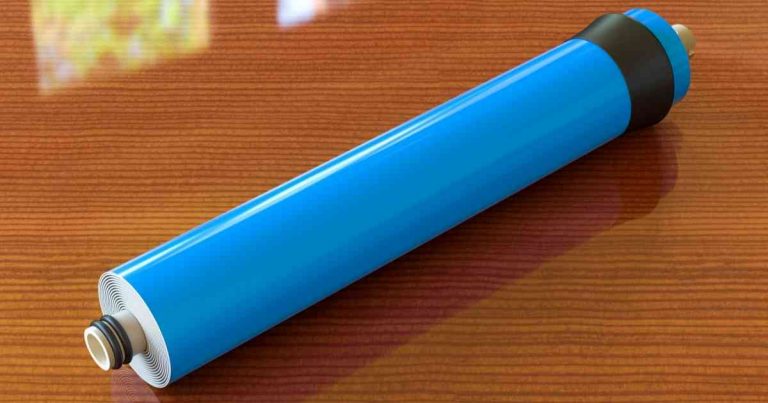
While whole house filters handle most contaminants, some homeowners add a reverse osmosis system for drinking and cooking water. Reverse osmosis (RO) uses a semi-permeable membrane to remove dissolved solids, including nitrates, fluoride, and trace heavy metals that standard filters may not catch.
These systems are typically installed at a single point of use, such as under a kitchen sink. Pairing an RO unit with a whole house filter ensures broad protection while delivering ultra-purified water at the tap.
Modern RO units often include multi-stage filters with sediment, carbon, and remineralization cartridges. This not only improves taste but also balances pH.
For households with well water containing high levels of dissolved solids, an RO add-on provides an extra layer of safety and quality.
Selecting the Best Whole House Water Filtration System
Choosing the right well water filtration system depends on accurate water testing, the system’s ability to handle household demand, and reliable certifications. Long-term costs and warranties also play a major role in deciding which product offers the best value and protection.
Water Testing and Identifying Needs
Well water often contains unique contaminants not found in city water. Common issues include iron, manganese, sulfur, bacteria, and acidic pH levels.
Before selecting a filter, homeowners should use a well water testing kit or send samples to a certified lab. Accurate results show which contaminants are present and in what amounts.
For example, high iron levels may require an air injection system like the SpringWell WS, while acidic water may need a SpringWell Calcite pH Neutralizer. Testing also helps avoid buying the wrong filter.
A sediment filter alone will not solve problems like hydrogen sulfide odors or heavy metals. Some homes may need a combination system, such as pairing a softener with a filter.
A clear water report ensures the system matches the home’s actual needs. Without testing, there is a risk of overspending on features that do not address the real water quality issues.
Filter Capacity and Replacement
Filter capacity determines how much water a system can treat before media or cartridges need replacement. This is especially important for large households with high water use.
Cartridge-based systems, such as the Express Water Heavy Metal Filter, may require new cartridges every 6–12 months. While effective, frequent replacement adds to upkeep costs.
Tank-based systems like the SpringWell WS often last years before needing media replacement. Capacity is usually measured in gallons or years.
For example, some whole house filters are designed for 1,000,000 gallons of use, which can last close to a decade. Sediment pre-filters, however, should be swapped every 6–9 months to maintain flow and protection.
Homeowners should review replacement schedules and costs before purchase. A lower upfront price may lead to higher long-term expenses if the filter requires frequent changes.
NSF Certification and Warranty
NSF certifications provide third-party proof that a system has been tested for contaminant removal and structural integrity. Filters with NSF/ANSI 42 or 53 certification, for example, are verified for chlorine reduction or heavy metal removal.
While not all well water systems carry NSF certification, it is a strong indicator of reliability. Products like the US Water Systems Matrixx Infusion highlight tested performance for treating iron, sulfur, and manganese.
Warranty coverage also matters. Some systems come with only a one-year warranty, while higher-end brands such as SpringWell offer a lifetime warranty on tanks and valves.
A long warranty reduces risk and ensures support if equipment fails. When comparing models, buyers should weigh both certification and warranty, since these factors impact trust and long-term security.
Cost Considerations
The water filter cost includes more than the initial purchase. Media replacement, cartridge changes, and installation all add to the total expense.
Entry-level cartridge systems may cost less upfront but require frequent replacements, raising the long-term price. Tank-based filters, while more expensive initially, often save money over time because of lower maintenance.
For example, a homeowner might spend less per year on a SpringWell WS than on a cartridge system, even though the upfront cost is higher. Similarly, pairing a filter with a softener can reduce damage to appliances, lowering household repair costs.
Installation and Maintenance of Whole House Water Filtration Systems
Installing and maintaining whole-house water filters for well water requires careful planning, the right tools, and ongoing attention to system performance. Key tasks include deciding between professional or DIY installation, staying on top of filter replacement or backwashing, and knowing how to address common problems like leaks or low water pressure.
Professional vs DIY Installation
A homeowner can install a whole-house filter on their own, but the process involves cutting into the main water line, sealing fittings, and ensuring proper flow direction. Mistakes may lead to leaks, pressure loss, or even voided warranties.
Professional plumbers have the skills and tools to complete the job quickly and correctly. They can also confirm that the system complies with local plumbing codes.
This is especially important for well water systems, which may require pre-treatment steps such as sediment removal before the main filter. DIY installation is possible for those with plumbing experience.
Guides from resources like whole-house water filter installation show the steps, including shutting off the water supply, draining lines, and mounting the filter housing. However, those without experience often find hiring a professional reduces long-term risks.
Routine Maintenance and Backwashing
Whole-house water filters require regular upkeep to remain effective. Cartridge-based systems usually need filter replacement every 3–12 months, depending on water quality and usage.
Skipping this step can lead to clogged filters and reduced flow. Backwashing systems, which use media tanks instead of cartridges, clean themselves by reversing water flow through the filter bed.
This process removes trapped sediment and extends the life of the media. Homeowners should check the control valve to make sure the backwash cycle is running as programmed.
Maintenance also includes checking seals, O-rings, and fittings for wear. A simple schedule—such as inspecting the system monthly and replacing cartridges on time—helps keep water quality consistent.
Troubleshooting Common Issues
Several problems can arise with whole-house water filters. Leaks often occur at threaded connections if fittings are not sealed with Teflon tape.
Low water pressure usually signals a clogged cartridge. A backwash system that is overdue for cleaning can also cause low pressure.
If water tastes or smells unusual, the filter media may be exhausted and need replacement. Installing the wrong cartridge size in cartridge-based systems can cause bypassing of unfiltered water.
Bypass valves, common in many whole-house filtration systems, allow water to flow around the filter during maintenance. If these valves are left open by mistake, untreated water may enter the home.
Checking valve positions and replacing worn parts usually resolves these issues.