Boil Water Advisory: What It Means and How to Stay Safe
A boil water advisory can disrupt daily routines, but it serves an important purpose: protecting health when tap water may not be safe. During a boil water advisory, all tap water used for drinking, cooking, and brushing teeth must be boiled for at least one full minute to kill harmful germs.
This simple step helps prevent illness and keeps families safe until officials confirm the water is clean again.
Many people are unsure what they can and cannot do during an advisory. Questions often come up about handwashing, bathing, washing dishes, or even caring for pets.
Clear guidance makes it easier to adjust daily habits without confusion or risk.
What Is a Boil Water Advisory?
A boil water advisory is issued when tap water may contain germs or other contaminants that make it unsafe to drink. It explains how to prepare water safely for drinking, cooking, and hygiene while protecting public health.
Definition and Purpose
A boil water advisory is a public health notice from water utilities or health departments. It is issued when the drinking water supply may be contaminated with bacteria, viruses, or parasites.
These contaminants can cause illness if swallowed. The main purpose is to reduce the risk of waterborne diseases.
Boiling water kills harmful germs such as E. coli and norovirus. This makes the water safe for drinking, brushing teeth, and preparing food.
The advisory is temporary and remains in place until testing shows the water is safe again. Under the Safe Drinking Water Act, agencies must act quickly to notify the public when water quality does not meet safety standards.
Boil Water Advisory vs. Boil Water Notice
The terms boil water advisory and boil water notice are often used interchangeably, but they can carry slightly different meanings. Both require residents to boil water before drinking or using it in food preparation.
A boil water notice is usually more formal and may be legally required under federal or state rules. It often follows confirmed contamination of the water system.
A boil water advisory may be issued as a precaution when there is only a risk of contamination, such as after a water main break or flooding. In practice, both terms instruct people to bring tap water to a rolling boil for at least one minute before use.
Types of Drinking Water Advisories
There are three main types of drinking water advisories, each with different instructions:
| Advisory Type | What It Means | What To Do |
|---|---|---|
| Boil Water Advisory | Tap water may contain germs. | Boil water for 1 minute (3 minutes at high elevations) or use bottled water. |
| Do Not Drink Advisory | Water may contain chemicals or toxins. | Use bottled water for drinking, cooking, and brushing teeth. Boiling does not remove chemicals. |
| Do Not Use Advisory | Any contact with water may be unsafe. | Do not drink, cook, bathe, or wash with tap water. Use bottled water only. |
During a boil water advisory, people can often still wash hands or shower if careful not to swallow water. In contrast, a do not use water advisory means no safe contact at all.
More details are available from the CDC on drinking water advisories.
Why Boil Water Advisories Are Issued
Boil water advisories are issued when drinking water may contain harmful organisms or when the safety of the water supply cannot be guaranteed. They protect public health by reducing the risk of illness caused by contaminated tap water.
Water Contamination Risks
A community’s water supply can become unsafe if germs, chemicals, or other contaminants enter the system. Contamination may occur after flooding, pipe breaks, or equipment failures at treatment plants.
Officials issue advisories to prevent people from drinking or using water that could cause illness. Even if contamination is suspected but not confirmed, a precautionary advisory may be put in place.
Some contaminants are invisible and have no odor or taste. This makes them difficult for residents to detect without testing.
For example, toxins from harmful algal blooms or traces of radioactive materials may not change the appearance of water but can still pose health risks.
Causes: Water Pressure Loss and System Failures
A drop in water pressure is one of the most common reasons for a boil water advisory. When pressure falls, contaminants from soil, groundwater, or nearby pipes can seep into the system.
Water main breaks, construction work, or pump failures can all lead to pressure loss. In rural areas, power outages may also affect pumps and treatment equipment, increasing the risk of contamination.
Treatment plant malfunctions can prevent proper disinfection. For example, if chlorine levels fall too low, bacteria and viruses may survive in the water supply.
Because these events can happen suddenly, advisories are often issued quickly to protect residents until testing confirms the water is safe again.
Microbial Threats: Bacteria, Viruses, and Parasites
The most serious threats during a boil water advisory are germs that cause gastrointestinal illness. Common examples include E. coli, Shigella, norovirus, and parasites such as Cryptosporidium.
These microbes can spread through water that looks clean but carries microscopic pathogens. Ingesting even small amounts may cause diarrhea, vomiting, or stomach cramps.
Children, older adults, and people with weakened immune systems face higher risks of severe illness. Boiling water kills these organisms and makes the water safe for drinking, cooking, and brushing teeth.
Health agencies like the CDC explain that boiling remains the most reliable way to remove microbial hazards during emergencies involving the water supply. For more details, see the CDC’s overview of drinking water advisories.
How to Respond During a Boil Water Advisory
During a boil water advisory, people must take steps to keep drinking water safe and reduce the risk of illness. The most important actions include boiling water correctly, choosing bottled water when available, and using safe methods for drinking, cooking, and food preparation.
Boiling Water Properly
Boiling water is the most reliable way to kill harmful germs during an advisory. The Centers for Disease Control and Prevention (CDC) recommends bringing tap water to a rolling boil for at least 1 minute.
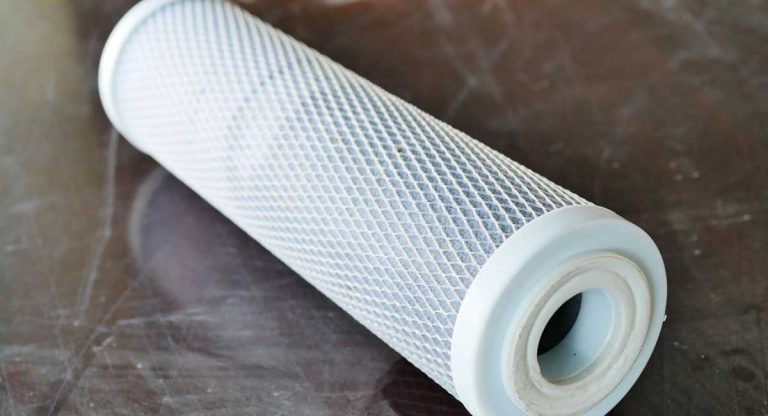
At elevations above 6,500 feet, water should boil for 3 minutes. Filtered water from pitchers or home systems is not safe unless it has also been boiled.
Most water filters cannot remove all germs or parasites. Even if the water looks clear, boiling is still required.
After boiling, allow the water to cool naturally. Store cooled boiled water in clean, covered containers.
Avoid touching the inside of containers or lids to reduce the chance of recontamination.
Using Bottled Water
When available, bottled water is the safest option. It requires no treatment and can be used immediately for drinking, cooking, brushing teeth, and preparing infant formula.
The American Water Works Association and the Environmental Protection Agency (EPA) both recommend bottled water as the first choice during advisories. If bottled water is used for infants, ready-to-feed formula is preferred.
If powdered formula must be prepared, it should be mixed only with bottled or properly boiled water. People should not rely on ice from refrigerator dispensers or freezer trays, since these are connected to the tap water system.
Instead, use ice made from bottled or boiled water.
Safe Drinking and Cooking Practices
Safe practices extend beyond drinking. Food preparation should always use bottled or boiled water.
This includes washing fruits and vegetables, cooking pasta or rice, and making beverages like coffee or tea. For brushing teeth, always use boiled or bottled water.
Tap water that has not been boiled is unsafe, even if filtered. When washing dishes, dishwashers with a sanitizing cycle are usually safe.
If washing by hand, sanitize dishes in a bleach solution after rinsing. Pets should also receive boiled or bottled water since they can get sick from the same germs as humans.
More detailed guidance can be found through the CDC’s overview of drinking water advisories.
Everyday Activities Under a Boil Water Advisory
During a boil water advisory, people need to adjust how they use tap water in daily routines. Using bottled water, boiled water, or safe alternatives helps lower the risk of illness from germs that may be in the water supply.
Handwashing and Hygiene
Most people can wash their hands with tap water and soap during a boil water advisory, but they should follow local guidance. If officials warn against it, they should instead use bottled water or boiled water that has cooled.
When soap and safe water are not available, alcohol-based hand sanitizer with at least 60% alcohol is an effective option. Hand sanitizer works well for routine cleaning but does not remove dirt or chemicals.
For shaving, face washing, or other hygiene tasks, boiled or bottled water is the safest choice. People should avoid using untreated tap water on broken skin, cuts, or open wounds to reduce the risk of infection.
Bathing and Showering Precautions
Adults and older children can usually bathe or shower with tap water during a boil water advisory, as long as they avoid swallowing it. Keeping the mouth closed while rinsing is important.
For infants and young children, sponge baths with boiled or bottled water are safer. Young children are more likely to swallow bathwater, which can increase their risk of illness.
Contact lens users should avoid rinsing lenses with tap water. They should use sterile contact lens solution instead.
People with weakened immune systems should also consider using boiled or bottled water for sponge baths to reduce exposure.
Brushing Teeth and Oral Care
Brushing teeth with untreated tap water can cause illness. Everyone should use boiled water (cooled after at least 1 minute of boiling, or 3 minutes at high elevation) or bottled water for brushing and rinsing.
Mouthwash alone is not a safe substitute because it does not kill all harmful germs. Dentures, retainers, and other oral devices should also be cleaned with boiled or bottled water.
For children, caregivers should prepare cups of safe water ahead of time for brushing. This reduces the chance of mistakes, especially in busy households.
Washing Dishes and Cleaning
Dishwashers can be used safely if they have a sanitizing cycle or reach a final rinse temperature of at least 150°F (66°C). If the dishwasher does not meet these conditions, dishes should be washed by hand.
When washing dishes by hand:
- Wash and rinse with hot tap water.
- Soak dishes for 1 minute in a solution of 1 teaspoon unscented household bleach per gallon of warm water.
- Let dishes air dry completely.
Baby bottles and nipples should always be sanitized with boiled water. For cleaning toys, counters, or other household surfaces, people should use boiled water, bottled water, or bleach solutions to ensure germs are removed.
For laundry, tap water is generally safe to use, as clothing does not pose the same risk of ingestion as food or dishes. More details on cleaning practices can be found in CDC guidance on drinking water advisories.
Protecting Vulnerable Groups and Pets
Certain groups face higher risks during a boil water advisory. Infants, people with weakened immune systems, and pets need extra care to avoid illness from contaminated water.
Using boiled water or bottled water is the safest approach in these situations.
Infants and Formula Preparation
Infants are highly sensitive to waterborne germs, so formula must be prepared with great care. Tap water should be brought to a rolling boil for at least one minute, then cooled before mixing with powdered or liquid concentrate formula.
Pre-mixed liquid formula is a safer option during advisories because it does not require water. If bottled water is used, it should be from a sealed container and labeled as safe for infants.
Parents should also sanitize baby bottles, nipples, and pacifiers with boiled water. Any ice or pre-filled bottles made before the advisory should be discarded.
Caring for Pets
Pets are just as vulnerable to harmful microbes as humans. They should only be given boiled water that has cooled or bottled water.
Bowls used for food and water should be washed with hot soapy water, rinsed, and sanitized with boiled water. Owners should not rely on pet fountains or automatic dispensers during an advisory.
Any standing water should be emptied and replaced with safe water. Ice cubes made from unboiled tap water should also be discarded.
For small animals like birds or reptiles, boiled or bottled water is also necessary. Even though some animals may drink from outdoor sources, it is safest to avoid this until the advisory is lifted.
Special Considerations for Immunocompromised Individuals
People with weakened immune systems, such as those undergoing chemotherapy or living with chronic illnesses, need stricter precautions. They should avoid all unboiled tap water, even for brushing teeth or rinsing food.
Boiled water or bottled water should be used for drinking, cooking, washing produce, and cleaning medical devices like humidifiers or CPAP machines. Dishes should be sanitized with boiled water or washed in a dishwasher with a sanitizing cycle if available.
It is also recommended to avoid swallowing tap water while showering or brushing teeth.
What to Do When a Boil Water Advisory Is Lifted
When a boil water advisory ends, people should take steps to clear plumbing lines, clean certain appliances, and remove any items that may have been exposed to unsafe water.
Flushing Water Systems
The first step is flushing cold water taps. Each faucet should run for at least five minutes to push out any water that may still contain contaminants.
It is best to start with the faucet on the lowest floor of the home and work upward to the highest. If the home has multiple sinks, showers, or outdoor spigots, all should be flushed.
This process allows fresh water to move through the plumbing system.
Cleaning Appliances and Ice Makers
Refrigerators with water dispensers or built-in ice makers need special attention. The first batch of ice cubes should be discarded, and the water dispenser should be run for a short time to remove old water.
After this, new ice and water are safe to use. Dishwashers and washing machines do not require special cleaning.
Once the advisory is lifted, they can be used normally without risk. Coffee makers, water coolers, and similar appliances should have their reservoirs emptied and refilled with fresh tap water.
This ensures no contaminated water remains inside the device.
Disposing of Contaminated Items
Any ice, drinks, or prepared foods made with tap water during the advisory should be thrown out. These items may carry bacteria or other contaminants and are not safe to consume.
Pet water bowls should be washed with soap and refilled with fresh tap water. If pets drank from standing water during the advisory, their bowls may still contain unsafe residue.
It is also a good idea to rinse reusable water bottles and pitchers. This step removes any leftover water that may have been unsafe to drink.