What Is Reverse Osmosis? Comprehensive Guide to RO Water Filtration
Reverse osmosis is a water purification process that uses pressure to push water through a semi-permeable membrane. It separates clean water molecules from dissolved salts, chemicals, and other impurities, leaving safe and purified water on the other side.
This makes it one of the most effective methods for producing high-quality drinking water and for use in industries that demand strict water standards.
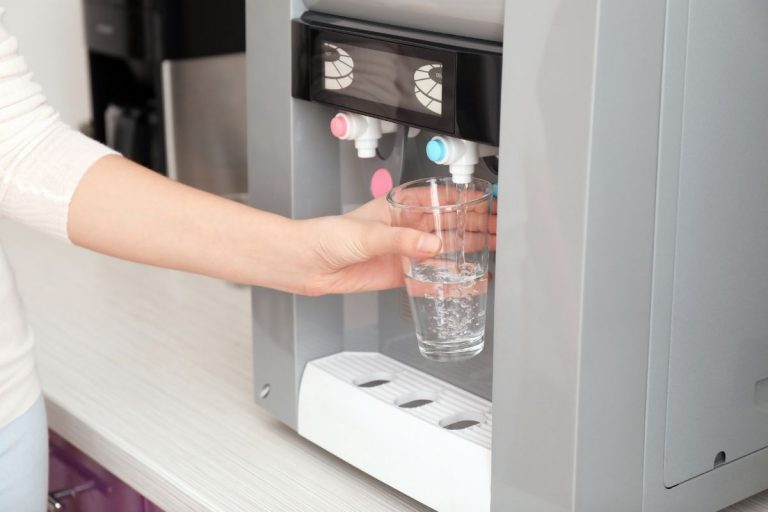
Many people come across reverse osmosis at home through under-sink filtration systems. It also plays a vital role in large-scale operations like desalination plants and medical facilities.
By learning how it works and what it removes, anyone can better understand why it has become such a trusted solution for safe water.
This article explores the science behind reverse osmosis, the types of contaminants it eliminates, and the wide range of applications where it is used.
It also looks at the pros and cons of the process and how proper maintenance keeps a system running effectively.
Understanding Reverse Osmosis
Reverse osmosis works by applying external pressure to force water through a semipermeable membrane, separating clean water from dissolved salts, minerals, and other impurities.
The process relies on the principles of osmosis, osmotic pressure, and diffusion but reverses the natural flow of water to achieve purification.
Definition and Core Principles
Reverse osmosis (RO) is a water treatment method that uses a semi-permeable membrane to separate pure water from contaminants.
It removes dissolved salts, particles, and even some microorganisms.
Unlike basic filtration, RO does not just trap large particles; it works at the molecular level.
In natural osmosis, water moves freely through a membrane from an area of low solute concentration to high solute concentration.
Reverse osmosis applies pressure to push water in the opposite direction.
The key factor is osmotic pressure. This is the natural pressure created by differences in solute concentration on each side of the membrane.
In RO, external pressure greater than the osmotic pressure is applied, forcing water molecules through while leaving solutes behind.
This principle makes RO effective for producing drinking water, desalinating seawater, and treating industrial wastewater.
It is widely used because it can remove a broad range of dissolved substances that other filters cannot.
Osmosis vs. Reverse Osmosis
Osmosis is a passive process driven by concentration differences.
Water naturally flows from a dilute solution (low solute concentration) to a concentrated solution (high solute concentration) until balance is reached.
This equalization occurs without added energy.
Reverse osmosis, on the other hand, requires applied pressure.
By pushing water against the natural osmotic gradient, it forces molecules to move from the concentrated side to the dilute side.
This is why RO is often described as working “against nature.”
| Process | Direction of Water Flow | Energy Required | Result |
|---|---|---|---|
| Osmosis | Low solute → High solute | No | Equalized concentration |
| Reverse Osmosis (RO) | High solute → Low solute (with pressure) | Yes | Purified water separated from solutes |
This reversal of flow is what makes RO valuable for desalination and purification of contaminated water.
Role of Semipermeable Membrane
The semipermeable membrane is the central component of reverse osmosis.
It allows only certain molecules, mainly water, to pass through while blocking larger particles, dissolved salts, and many organic compounds.
These membranes are often made from thin-film composite materials with extremely small pores, around 0.0001 microns in size.
At this scale, water molecules can diffuse through, but ions and most contaminants cannot.
The effectiveness of the membrane depends on several factors:
- Pore size – smaller pores increase rejection of solutes.
- Pressure applied – higher pressure improves water flow.
- Membrane condition – fouling or scaling reduces performance.
In practice, the membrane separates water into two streams: permeate (purified water) and concentrate (water with retained solutes).
This selective barrier is what makes reverse osmosis different from standard filtration methods, which rely on simple straining rather than molecular-level separation.
By combining controlled pressure with a highly selective membrane, reverse osmosis achieves high levels of purification that other systems cannot match.
How Reverse Osmosis Works
Reverse osmosis uses a semi-permeable membrane and applied pressure to separate clean water from dissolved salts, particles, and other contaminants.
The process depends on controlled flow, multiple filtration stages, and the ability of the RO membrane to block unwanted substances while allowing water molecules to pass through.
Step-by-Step Process
A reverse osmosis system begins by drawing water into a pre-filter that removes larger debris like sediment and chlorine.
This step helps protect the RO membrane from early damage.
Next, high pressure pushes the water against the semi-permeable membrane.
The RO membrane acts as the main barrier, blocking dissolved salts, heavy metals, and other impurities while letting pure water molecules move through.
The purified water, often called permeate, collects on one side of the membrane.
The concentrated waste stream, called brine, flows away and is discarded.
Finally, the system stores the purified water in a tank for later use.
Many systems also include a post-filter to improve taste and remove any lingering particles.
Filtration Stages in RO Systems
A typical reverse osmosis system uses several filtration stages to improve water quality.
Each stage removes different types of contaminants.
- Sediment filter – captures dirt, rust, and sand.
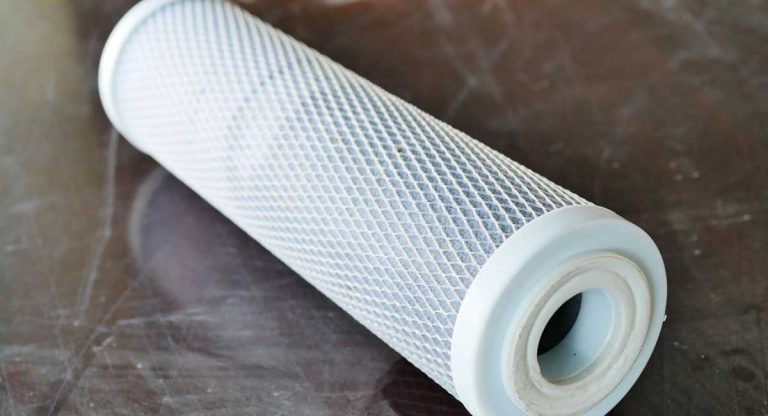
- Carbon filter – reduces chlorine, odors, and organic chemicals.
- RO membrane – removes dissolved solids, salts, and heavy metals.
- Post-carbon filter – polishes the water for taste and clarity.
Some advanced systems add extra stages such as UV disinfection or remineralization.
These features can improve safety or restore beneficial minerals.
The multi-stage design allows the RO membrane to focus on dissolved contaminants rather than larger particles.
This staged filtration increases efficiency, extends membrane life, and ensures consistent water purification.
Systems with more stages may have higher upfront costs but often deliver better long-term performance.
Pressure and Flow Dynamics
Pressure is the driving force behind reverse osmosis.
Without enough pressure, water cannot pass through the RO membrane.
In most home systems, normal household water pressure is sufficient, but some setups require a booster pump.
The applied pressure must exceed the natural osmotic pressure of the water.
This reversal of flow forces clean water molecules through the membrane while rejecting salts and impurities.
Flow rate depends on both water pressure and the condition of the filters.
A clogged pre-filter or an aging RO membrane can slow down production.
Regular maintenance helps maintain steady flow and reliable water quality.
Energy cost in household systems is low because they rely mainly on existing water pressure.
In large desalination plants, however, powerful pumps are needed to handle seawater, which increases energy use.
This balance between pressure, flow, and energy cost is central to every reverse osmosis system.
For more detail on how the process functions, see this overview of reverse osmosis and its working principles.
Contaminants Removed by Reverse Osmosis
Reverse osmosis systems use a semi-permeable membrane to separate water molecules from a wide range of unwanted substances.
This process can lower levels of dissolved salts, heavy metals, and microorganisms that affect both safety and taste.
Ions and Minerals
Reverse osmosis is effective at reducing dissolved ions that contribute to hard water and scaling.
Common examples include calcium, magnesium, and sodium.
These minerals are not harmful in small amounts but can damage pipes and appliances over time.
The system also removes nitrates and sulfates, which often enter water from agricultural runoff or industrial waste.
High levels of nitrates are a health concern, especially for infants.
Sulfates can cause unpleasant taste and digestive issues.
Heavy metals such as lead, copper, and arsenic are also filtered out.
These contaminants usually come from corroded plumbing or natural deposits in groundwater.
According to the Water Purification Guide, reverse osmosis can reduce these metals by up to 98%.
| Ion/Mineral | Common Source | Effect if Present |
|---|---|---|
| Calcium, Magnesium | Natural deposits | Hard water, scaling |
| Sodium | Water softeners, salt intrusion | High sodium intake |
| Nitrate | Fertilizers, septic systems | Health risk for infants |
| Sulfate | Soil, acid rain | Bitter taste, laxative effect |
Organic Contaminants and Pathogens
Reverse osmosis membranes are fine enough to block many organic contaminants and pathogens.
This includes pesticides, herbicides, and volatile organic compounds (VOCs) that may enter water through agricultural or industrial activity.
It can also remove bacteria, parasites, and viruses.
Pathogens such as Cryptosporidium, Giardia, and even certain viruses like norovirus are effectively reduced.
The EPA notes that point-of-use RO systems provide strong protection against these health risks.
The carbon pre-filters used in many systems also help reduce chlorine and improve taste.
Together, the membrane and filters provide a broad defense against both chemical and biological contaminants that affect water quality.
Limitations of RO Filtration
While reverse osmosis is highly effective, it does not remove every substance.
Small gases such as carbon dioxide and radon pass through the membrane.
These can affect pH or pose health risks if present in high amounts.
Another limitation is that beneficial minerals are also stripped out.
Water may lose calcium and magnesium, which contribute to taste and dietary intake.
Some households choose to add minerals back through drops or post-filters.
RO systems also vary in performance.
Membrane type, maintenance, and certification levels determine how well they remove specific contaminants.
For example, only thin-film composite membranes are reliable for pesticide removal, while cellulose acetate membranes are not.
Regular filter replacement and monitoring ensure the system continues to function effectively and maintain safe drinking water.
Applications of Reverse Osmosis
Reverse osmosis is widely used to produce safe drinking water, remove salts from seawater, and support many industrial processes.
It plays a role in both public water treatment systems and private facilities, offering reliable separation of contaminants and dissolved solids.
Drinking Water Purification
Reverse osmosis is often applied in home and municipal systems to improve the quality of tap water. The process removes dissolved salts, chlorine byproducts, and other impurities that can affect taste, odor, and safety.
Many households install under-sink RO units to reduce contaminants like lead, arsenic, and nitrates. These systems also lower total dissolved solids (TDS), which makes water clearer and better tasting.
Municipalities use large-scale RO plants as a final step in water treatment. This ensures that treated water meets strict regulatory standards before distribution.
Compared to other filtration methods, RO membranes can remove a wider range of contaminants. According to Britannica, reverse osmosis is one of the most effective techniques for purifying water because it forces water through a semipermeable membrane, leaving behind many unwanted substances.
Desalination of Seawater
In coastal regions with limited freshwater, reverse osmosis is a leading method to desalinate seawater. By applying pressure, seawater is pushed through membranes that separate pure water from dissolved salts.
Modern seawater reverse osmosis (SWRO) plants supply drinking water to millions of people. Improvements in energy recovery systems have lowered costs and made desalination more practical.
For example, large-scale desalination plants produce potable water for cities where natural freshwater is scarce. As noted in a review of reverse osmosis applications, desalination remains the largest global use of RO technology.
This process also supports industries that require high-purity water, such as power generation and electronics manufacturing, where seawater provides the main water source.
Industrial and Commercial Uses
Reverse osmosis is not limited to drinking water and seawater treatment. It is widely used in industrial and commercial facilities to meet specific water quality needs.
In the food and beverage industry, RO helps concentrate fruit juices, pre-treat milk, and even remove alcohol from beverages. Its low-temperature process protects heat-sensitive ingredients.
Wastewater treatment plants use RO to recover clean water from industrial effluents. This allows facilities to recycle water and reduce discharge.
According to ScienceDirect, RO is also applied in separating organic mixtures and treating solvent-contaminated wastewater. Other sectors, such as pharmaceuticals, refineries, and semiconductor manufacturing, use RO to achieve ultrapure water standards.
These systems ensure consistent product quality and protect sensitive equipment from mineral buildup.
Benefits and Drawbacks of Reverse Osmosis
Reverse osmosis improves drinking water by removing many impurities, but it also comes with trade-offs like higher water waste and loss of natural minerals.
Advantages for Water Quality
Reverse osmosis systems use a semi-permeable membrane to filter out contaminants such as lead, chlorine, and nitrates. This process produces clean, safe water that often tastes better than untreated tap water.
Many households prefer it for cooking and drinking because it reduces unwanted odors and chemical residues. One major benefit is effective contaminant removal.
According to Forbes Home, reverse osmosis can remove up to 99% of dissolved solids, including harmful pollutants. This makes it especially valuable in areas with poor water quality or high levels of dissolved salts.
Another advantage is consistency. Unlike bottled water, which may vary in quality, an in-home system provides a steady supply of purified water.
It also reduces reliance on single-use plastics, which lowers environmental impact. Maintenance is usually simple, requiring filter changes every 6–12 months.
Compared to buying bottled water, it can also save money over time. Some systems even include remineralization filters to restore calcium and magnesium for better taste and balance.
Disadvantages and Considerations
A key drawback of reverse osmosis is wastewater generation. For every gallon of purified water produced, several gallons may be discharged as waste.
This increases overall water use and can raise utility costs if not managed efficiently. The process also removes beneficial minerals like calcium and magnesium.
While these can be replaced through diet or added back with a post-filter, some people may notice the flat taste of demineralized water. Another factor is energy cost.
While small household systems often run without electricity, larger or more advanced units may require power to operate pumps. During outages, these systems may not function.
Finally, installation costs can be higher than basic carbon filters. As noted by Free Water Advice, upfront expenses and slower filtration speed may deter some users.
Families with high daily water needs may find the lower flow rate inconvenient.
Reverse Osmosis System Maintenance and Optimization
A reverse osmosis system works best when its core parts remain clean and functional. Proper care of the RO membrane and smart adjustments to system settings help maintain water quality, extend equipment life, and reduce waste.
Membrane Care and Replacement
The reverse osmosis membrane is the most important part of the system. It removes dissolved salts, chemicals, and other contaminants.
Over time, the membrane can clog with scale, sediment, or biological growth, which lowers performance. Users should monitor permeate flow rate, salt rejection percentage, and differential pressure.
A drop in flow or an increase in pressure difference often signals fouling. Cleaning should take place when performance falls by about 10–15%.
Specialized cleaners target organic buildup, mineral scaling, or both. Pretreatment steps, such as carbon filters and sediment filters, protect the membrane from chlorine and particles.
These filters usually require replacement every 6–12 months depending on water quality. Without proper pretreatment, the RO membrane can fail early.
Most residential membranes last 2–5 years, while commercial units may vary. Replacement should follow manufacturer guidelines and actual performance data.
Regular inspection and timely replacement ensure the reverse osmosis system continues to produce safe, high-quality water.
Improving Efficiency and Water Recovery
Efficiency in a reverse osmosis system depends on balancing water recovery with the risk of fouling. Recovery rate is the percentage of feed water converted into purified water.
Typical rates range from 40–85%, depending on system design and water conditions. Raising recovery too high can cause scaling on the membrane surface.
To prevent this, operators often use antiscalants or adjust feed water chemistry. Proper pretreatment, including softening or pH adjustment, also helps reduce scaling risks.
Monitoring system metrics is essential. Key values include:
| Metric | Purpose | Typical Range |
|---|---|---|
| Recovery Rate | Water efficiency | 40–85% |
| Salt Rejection | Purity level | 95–99% |
| Differential Pressure | Fouling indicator | <15 psi rise |
Energy-saving measures can also improve efficiency. For example, large systems may use energy recovery devices or variable frequency drives to reduce pump energy use.
For more detailed best practices, see these guides on reverse osmosis system maintenance and RO system operation.